Reviewed by Artists

Artist Residencies in Antigua Via S/N

1 residencyin Antigua Via S/N, Mexico
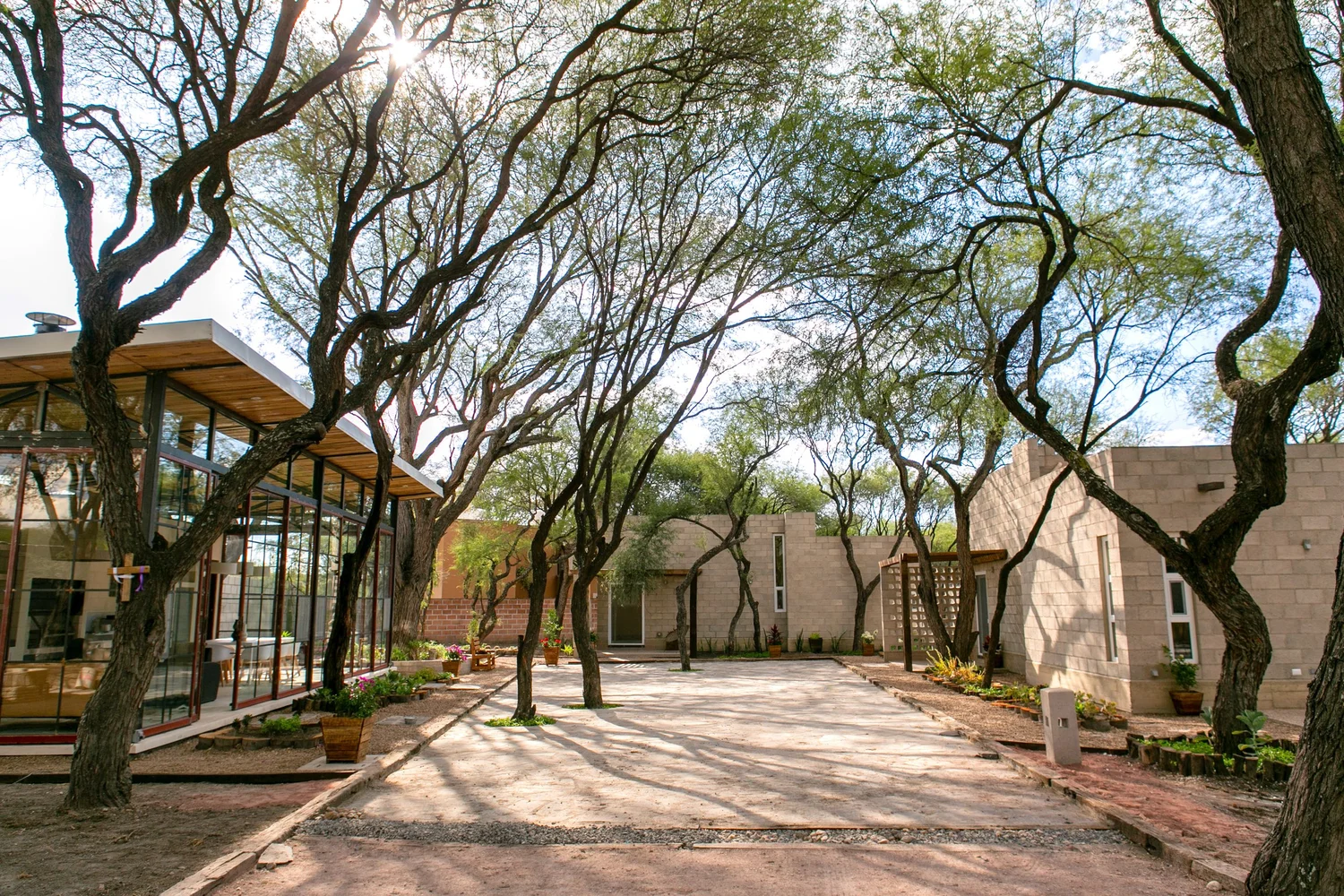
Why Antigua, Guatemala works so well for residencies

Antigua is a compact, visually intense city where you can work slowly, walk almost everywhere, and still plug into an active art ecosystem. Cobblestone streets, volcano views, and layered architecture give you more reference material than you can use in a single residency, while the city’s tourism economy keeps galleries, cultural centers, and artisan markets in constant motion.

For artists, it’s a place where you can sit in one courtyard for hours, then walk ten minutes and be at an opening, a café, or a print shop. You get a mix of:

  • Well-preserved colonial architecture and ruins
  • Volcano and landscape motifs everywhere you look
  • Strong craft traditions in textiles, wood, ceramics, and metal
  • Walkability that makes everyday research easy
  • Proximity to Guatemala City for museums, galleries, and larger institutions

Work that typically thrives here includes painting and drawing, photography, video, writing, research-based practices, social practice, and any studio or archive-heavy process. Antigua is less about chasing a big global market and more about giving your work focused time, context, and access to local histories and people.

Key residencies in and around Antigua

Antigua has a mix of independent, home-based residencies and more structured institutional programs. The main question to ask yourself is: Do you want flexible solo time, or a research-heavy environment with more structure and expectations?

GRACIA Independent Residencies

Location: Outskirts of Antigua Guatemala
Website: graciagt.com/residency-program

GRACIA is an independent residency hosted in a private home on the edge of Antigua. It typically hosts a very small number of residents at a time (often 1–3), which keeps things quiet, process-focused, and personal. The program is intentionally loose: you design your own residency, set your own schedule, and decide how intense (or gentle) you want it to be.

Their description explicitly says residents are encouraged to work, research, or rest. That might mean diving into a new body of work, reading one book slowly for three weeks, or exploring town every day and sketching. There are usually weekly check-ins or gatherings with staff and other residents, plus optional activities like artist talks or workshops with the local community.

Good fit if you want:

  • Flexible, self-directed studio or research time
  • A small cohort and a home-like setting
  • Space to rest or change direction mid-residency
  • The option to engage locally without being required to produce a big final show

Who this suits: painters, writers, photographers, interdisciplinary artists, and anyone in a transition phase who needs room to listen to their work. It’s also good if you’re burnt out and need a residency that respects downtime as part of practice.

Casa YAXS / Fundación YAXS

Location: Antigua Guatemala
Info hub: Search “Casa YAXS residency” or visit YAXS-related listings on cultural platforms

Casa YAXS is the residency arm of Fundación YAXS, which is dedicated to Central American art history and memory. This is a very different energy from an independent, home-style residency: you are stepping into an organization that combines an archive, a library, and contemporary artistic production.

Residents can stay roughly one to three months, with a set of core resources:

  • Private room and shared studios
  • Access to printers and editing materials
  • Access to the YAXS library and historical archives
  • Exhibition or event space possibilities
  • Mentoring and project support from staff

The program is open to visual artists, writers, curators, academics, researchers, and educators. The common thread is investigation: this is a strong base for artists working with history, archives, narrative, and social questions around Central America.

Application basics usually include:

  • Curriculum Vitae
  • Artist statement
  • Selection of recent work

Good fit if you want:

  • Deep research time anchored in a serious archive
  • Guidance and feedback, not just a key to a room
  • Context for Central American art histories and politics
  • Potential to do talks, workshops, or public-facing work

Who this suits: research-based artists, curators, writer-artists, socially engaged practitioners, and anyone whose work thrives when it’s in dialogue with documents, memory, and historical material.

Intersect Antigua and smaller or emerging programs

Intersect Antigua surfaced as a program offering a three-month residency to one Caribbean writer or artist. Its structure appears intimate and very focused on regional dialogue and cultural exchange.

You may also find smaller or newer residencies and project spaces by searching platforms like Res Artis, Rivet, and ArtConnect, or by starting from the Antigua section on Reviewed by Artists. These programs might be:

  • Shorter, more intensive residencies for a single artist at a time
  • Region-specific (for example, focused on Caribbean artists)
  • Writing or research oriented
  • Linked to particular themes or collaborations

Before investing in an application, always verify:

  • If the program is active and still running
  • Whether housing and studio are included
  • If there are fees or stipends
  • What kind of public engagement is expected (if any)

How Antigua feels on the ground for working artists

Residencies are one part of the picture. The city itself will shape your days just as much as the program.

Cost of living and budgeting

Antigua is on the pricier side by Guatemalan standards, partly because of tourism and expats. It can still be manageable if you plan ahead and use local options.

Where your budget goes:

  • Housing: Highest in the historic center and touristy streets, more moderate a bit outside the core. Many residencies include housing, which makes a big difference.
  • Food: Cafés and restaurants can add up. Local comedores and markets are more affordable, and cooking for yourself can balance the budget.
  • Transport: Inside Antigua, most trips are by foot. Tuk-tuks and taxis cover the rest. Intercity shuttles to Guatemala City, Lake Atitlán, or the airport are an extra line item but not outrageous.
  • Materials: Basic supplies are usually available; specialized media (certain inks, large-format paper, advanced photo gear) may be limited or more expensive.

If your residency does not include housing or meals, build a realistic monthly budget that covers rent, food, materials, and at least a bit of travel. If you’re carrying debt or depend heavily on imported supplies, price those out carefully.

Neighborhoods and where you’ll actually work

Antigua is compact enough that distance is less of a problem than noise, crowds, or late-night safety.

  • Historic center: Ideal if you want to step outside and be at a café, gallery, or market in minutes. It can be busier and louder, especially around main squares and popular streets.
  • Periphery of the center: Slightly quieter residential streets that still keep you within walking distance. Many residencies choose these areas for a mix of calm and access.
  • Just outside Antigua: Home-based residencies like GRACIA may be in the outskirts, giving you quieter surroundings and nature views, while still close enough to spend regular time in town.

When choosing housing (or evaluating a residency), ask:

  • How long does it take to walk into the center?
  • Is it well-lit and active enough to walk home after evening events?
  • What is the workspace like: a dedicated studio, a shared table, or mostly your bedroom?

Studios, galleries, and related spaces

Antigua’s art life is dispersed and sometimes informal. You might encounter art in a dedicated gallery, a café, a hotel lobby, a cultural center, or a residency’s own project space.

Expect to see:

  • Independent galleries showing local and regional artists
  • Residency-linked spaces for open studios and exhibitions
  • Artisan workshops for textiles, metals, wood, and ceramics
  • Café-galleries mixing food and visual art
  • Institutions or foundations with education and outreach programs

Guatemala City is still the larger contemporary art hub, so many artists use Antigua as a quiet home base and travel in for openings, studio visits, and institutional meetings. If your work is research-heavy or you want to connect with curators, it’s smart to plan at least a few trips there.

Getting there, staying there, and staying legal

Transportation and mobility

Inside Antigua: most daily movement is on foot. Cobblestones and uneven pavements are part of the reality, so pack shoes and gear accordingly. Short rides are possible via tuk-tuk or taxi, which can help when carrying work or supplies.

Outside Antigua:

  • Shared shuttles connect Antigua with Guatemala City, the airport, and other popular destinations like Lake Atitlán or the Pacific coast.
  • Private transfers are easy to arrange through hotels, residencies, or tour operators.
  • Long-distance buses exist, but they can be less comfortable if you’re carrying fragile work or bulky materials.

Material logistics for artists:

  • Pack the essentials you can’t replace: specific tools, sketchbooks, small equipment.
  • Check airline rules for paints, solvents, and sharp tools; some items must go in checked luggage or are not allowed at all.
  • Ask your residency what’s realistically available locally: paper sizes, canvas, basic paints, digital printing, etc.
  • If you work with heavy or large installations, plan to keep the work relatively modular and light.

Visa basics

Visa rules depend entirely on your passport and how long you plan to stay. Many artists attend residencies on a tourist entry, but the details change by nationality.

Smart steps before you travel:

  • Check your country’s official advice and the Guatemalan immigration website for stay lengths and entry requirements.
  • Ask the residency if they provide a formal invitation letter and how previous residents handled visas.
  • Clarify if your activities are considered cultural visits, study, or work, especially if there is payment or teaching involved.
  • Make sure your passport has enough validity for your full stay plus buffer time.

If your planned residency period is close to the standard tourist maximum, build in time to handle any extensions or administrative steps. Visa timing affects flight bookings, housing dates, and how long you can keep a studio.

Local art communities and how to plug in

Antigua’s art community is not always obvious at first glance; you often find it through residencies, foundations, and word of mouth.

Where connection tends to happen

  • Residency-organized events: open studios, talks, screenings, and shared dinners
  • Workshops and classes run by local artists, craftspeople, or cultural centers
  • NGOs and foundations with arts and education programs
  • Markets, artisan fairs, and festival-related programming

It helps to arrive with a small, clear intention: one workshop you’d like to offer, a talk you’re willing to give, or a type of collaboration you’re open to. That gives people an easy way to understand how to connect with you.

Regional networking beyond Antigua

If your practice is research-based or socially engaged, it’s useful to extend your network beyond the city:

  • Visit galleries and project spaces in Guatemala City.
  • Meet curators, educators, and writers linked to regional institutions.
  • Connect with NGOs working on memory, ecology, or community organizing if these overlap with your themes.

Residencies like Casa YAXS naturally pull you into these conversations through their archive and institutional relationships. Independent programs like GRACIA can still open doors through personal networks and suggestions if you ask.

Choosing the right Antigua residency for your practice

When you look at artist residencies in Antigua, try matching the program type to your current artistic question, not just your discipline.

GRACIA fits if you need:

  • Unstructured time to test, rest, or rebuild your practice
  • A small group and home-scale environment
  • Optional, gentle community engagement
  • Space for sketching, journaling, and exploratory work without pressure

Casa YAXS fits if you need:

  • Structured research surroundings
  • Access to Central American art archives and a library
  • Conversations with curators, researchers, and staff
  • A context where theory, history, and practice feed into each other

Smaller or targeted programs (like Intersect Antigua) fit if you need:

  • A residency tailored to a specific region or identity (for example Caribbean artists)
  • An intimate, one-artist or few-artist setting
  • Space to write, reflect, and situate your work in a specific cultural dialogue

Application strategy for Antigua residencies

Antigua is attractive, so residencies can be competitive. A strong application usually shows that you’re drawn to more than just pretty streets and volcanoes.

What to emphasize in your proposal

  • Why Antigua: Connect your project to something specific: colonial urban space, craft traditions, archives, migration stories, volcanoes and ecology, or regional histories.
  • Your working style: Show that you can work independently and stay self-motivated without a rigid schedule.
  • Community engagement (realistically): Express interest in open studios, talks, or workshops, while respecting local contexts instead of treating the city as raw material.
  • Feasibility: Make sure your project is actually doable with the time, space, and resources available.

Good angles for Antigua include site-responsive drawing and photography, archive-based projects, craft and material explorations, narrative and memory work, and socially engaged projects that collaborate rather than simply extract stories.

Things to ask each residency before you commit

  • What exactly is included: housing, studio, meals, local transport?
  • Are there fees or is any funding or stipend available?
  • How many artists are in residence at once?
  • Is there an expectation of a final exhibition, talk, or workshop?
  • Can they help with visa letters or local logistics?
  • What is the typical daily rhythm: very quiet, or busy with events?

Clear answers here will help you choose between a reflective, low-pressure stay and a more structured, public-facing residency.

Using Antigua to move your work forward

Antigua isn’t just a scenic backdrop; it can become a real collaborator in your process if you let it. Residencies like GRACIA give you time and space to listen to your work in a slower register, while Casa YAXS and similar programs plug you into archives and critical histories. Smaller, targeted residencies can help you position your practice inside specific regional or cultural conversations.

If you pick a program that matches your current questions, pay attention to how you budget your time, and say yes to the right kinds of local contact, Antigua can give your work new context and depth long after you’ve flown home.

Filter in Antigua Via S/N

Been to a residency in Antigua Via S/N?

Share your review