Artist Residencies in Bangkok
3 residenciesin Bangkok, Thailand
Why artists choose Bangkok for a residency
Bangkok pulls in artists who want stimulation, not solitude. The city gives you a mix of contemporary art infrastructure, street-level texture, and a lot of informal exchange. You get access to galleries and collectors, but also markets, river communities, temples, construction sites, night shifts, and pop culture everywhere you look.
Residencies in Bangkok tend to suit artists who are energized by:
- Urban research: architecture, street life, informal economies, signage, nightlife
- Social questions: migration, labor, tourism, ecology, religion, gentrification
- Cross-cultural collaboration: working with Thai artists, NGOs, and local communities
- Multi-disciplinary practice: mixing performance, sound, installation, moving image, socially engaged or participatory projects
If you want silence, isolation, and nature, Chiang Mai or rural Thailand usually make more sense. If you want a dense city where a lot can happen in a short time, Bangkok delivers.
Key artist residencies in Bangkok
Bangkok doesn’t have a single centralized residency system; it’s a network of different spaces with their own personalities. Here are some of the programs artists commonly look at when planning a stay.
HOF + Surface Residency (HOF Art Space, Phra Khanong)
Location: Sukhumvit 69–71, Phra Khanong Nua, Wattana, near W District and the Phrakanong BTS stop.
This residency is embedded in a multi-story art complex: galleries, café/bar, studios, accommodation, rooftop kitchen, social areas. The building functions as both a creative hub and a hangout spot, so you’re never far from something happening.
What you get
- International residency open to most disciplines
- Studio spaces in a five-story art building
- On-site gallery and café/bar for social life and informal networking
- Resident accommodation plus shared rooftop kitchen and social space
- Staff support for workshops, talks, and presentations
- Welcome tour, local maps, and help with orientation in the city
- Access to some workshops and invitations to art events
- Airport/bus/train pickup and drop-off
- BTS Smart Pass and discount card for the café/bar listed among benefits
Costs and structure
The program lists a monthly fee around the mid-range for Bangkok (quoted as 35,000 THB per artist for reference). Artists pay their own flights, visa, health insurance, materials, and living expenses. One month is presented as a minimum to get real value, but shorter stays and duo/partner/family arrangements can sometimes be negotiated.
Who this suits
- Artists who want to be in the middle of a busy art-social environment, not on the edge of the city
- People interested in collaboration, workshops, and public events
- Early- to mid-career artists looking to build networks with local artists and audiences
- Those who are comfortable paying a fee in exchange for location, convenience, and community access
If your practice involves people, nightlife, or performance, being steps away from W District and the BTS gives you a lot of material to work with and an easy route to other areas.
Bangkok 1899
Focus: Social practice, cultural exchange, environmental themes.
Bangkok 1899 is a multidisciplinary cultural space with an artist residency embedded into a broader program of community engagement and public events. The emphasis is on collaboration with Thai creatives and local communities, with art used as a way to discuss social and environmental questions.
What you can expect
- Residency structure that encourages public presentations: exhibitions, workshops, talks, performances
- Opportunities to work with community partners and local organizations
- Support for research-based, cross-cultural projects rather than just studio isolation
- A curatorial framework that leans toward sustainability, civic engagement, and environmental topics
Who this suits
- Artists working in social practice, community-based projects, or participatory performance
- Sound, installation, media, and interdisciplinary practices that need public interaction
- Artists who want to position work within conversations about climate, environment, or urban change
If you prefer structured engagement over self-directed isolation, this kind of residency can anchor your project in real conversations and community dynamics.
Tentacles AIR (N22 Warehouse Cluster)
Location: N22 art warehouse, an arts cluster with multiple spaces and galleries; accommodation in a nearby house, around a three-minute walk from the studio.
Tentacles focuses on connecting artists-in-residence to local context. The studio is shared, so you’re working alongside other artists within a warehouse setting, with independent spaces around you.
What you get
- Shared studio space within an art-warehouse environment
- Accommodation in Tentacles house close by
- Exposure to local galleries, project spaces, and other artists
- Encouragement to engage with local activities and context, rather than staying in a bubble
Who this suits
- Artists who enjoy working in a shared studio and don’t need complete solitude
- Research-based or experimental practitioners who want to respond directly to local neighborhoods
- People who thrive on informal studio conversations and peer exchange
Tentacles is a good match if you want to feel plugged into a small ecosystem of artist-run initiatives and warehouse spaces while still being in the city.
MATDOT (Old Town Bangkok)
Location: In the historic old-town district, close to heritage sites, temples, and long-standing communities.
MATDOT combines an art center with residency-oriented programming. Being in old town puts you close to institutions, museums, and the more historic side of Bangkok, with easy access to the river and dense cultural layers.
What it tends to offer
- Residency opportunities framed around exhibitions or thematic programs
- Access to central-city audiences and visitors
- Proximity to museums and other cultural venues in old town
Who this suits
- Artists whose work connects to history, heritage, religion, or the older urban fabric
- Those who prioritize central access and art-scene visibility over large studio space
- Artists looking at exhibition-driven outcomes or curatorial connections
If you’re planning to show work in Bangkok and want local audiences and visitors from day one, a residency in old town gives you strong city-center visibility.
Comparing with Chiang Mai residencies
Two Thai residencies often used as comparison points when deciding on Bangkok are:
- Artist Residency Thailand in Chiang Mai: free program with large private studios, workshop access, and mentoring.
- Studio 88 in Doi Saket (Chiang Mai area): a quiet setting focused on making, reflection, and small community.
These are not in Bangkok but are useful benchmarks. If you prioritize space, production support, and lower-pressure surroundings, Chiang Mai often wins. If you prioritize galleries, networking, and urban research, Bangkok is the better fit. Many artists actually split time between both.
Bangkok neighborhoods artists should know
When you choose a residency, you’re also choosing how you’ll move, what you’ll see daily, and who you’re likely to meet. Bangkok’s scale and traffic make location a real part of your practice.
Sukhumvit / Phra Khanong / W District
This is where the HOF + Surface residency is based. It’s a convenient area along the BTS line with a mix of condos, bars, cafés, and smaller galleries. The W District itself is a social hub: beer gardens, food stalls, and casual hang-out spaces where artists and non-artists mix.
Good for:
- Quick BTS access to other parts of the city
- Nightlife and after-studio socializing
- Street scenes, signage, and everyday urban reference material
If you like working late and meeting people, this kind of neighborhood keeps you plugged into city energy.
Old Town / Rattanakosin
Old town concentrates temples, heritage buildings, government institutions, riverside communities, and some museums. MATDOT and a number of small art spaces operate in or around this area.
Good for:
- Research into religion, ritual, and traditional architecture
- Walking-based exploration and drawing/photography
- Access to institutions and more formal cultural venues
The streets are visually dense: shrines, markets, historic shop houses. The trade-off is that transport can be less straightforward than BTS-based areas, so plan your movements.
Chinatown / Talat Noi
Chinatown and nearby Talat Noi are popular with artists and photographers for their layered streets, signs, warehouses, and old machinery shops. Pop-up art events, installations, and interventions happen here regularly.
Good for:
- Visual research: color, typography, textures
- Walking with a camera or sketchbook
- Projects that respond to heritage, trade, and gentrification
Even if your residency is elsewhere, you’ll probably spend time here gathering reference.
Bangrak / Silom / Sathorn
This cluster has galleries, some collectors, embassies, and mixed commercial-and-creative spaces. It’s more vertical and business-oriented, but still very relevant for networking.
Good for:
- Gallery visits and exhibition openings
- Meetings with curators, arts professionals, and institutions
- Projects that look at finance, corporate life, or high-rise cityscapes
Ari & RCA / Rama 9
Ari is a smaller neighborhood popular with designers and creatives, with cafés and boutique spaces. RCA and Rama 9 host events, clubs, and some contemporary art activity, often tied to larger venues.
Good for:
- Meeting younger creatives and designers
- Performance, music, and nightlife-related projects
- Exploring how youth culture intersects with art and design
Cost of living and budgeting a residency in Bangkok
Compared with many Western art cities, Bangkok can feel affordable, but costs scale fast if you want central housing, imported materials, and regular nights out. A residency that bundles housing and studio space removes two major expenses.
Main cost categories
- Accommodation: Residencies like HOF, Tentacles, and MATDOT-linked stays often provide housing. If they don’t, central apartments near BTS/MRT will be your biggest cost.
- Food: Local food stalls and small restaurants are cheap and everywhere. Western cafés and imported groceries cost more, so decide where you’re comfortable compromising.
- Transport: BTS and MRT are efficient and reasonably priced. Taxis, Grab, and motorbike taxis are useful, but traffic can eat time and budget.
- Materials: Basic supplies are easy to find, but specialized equipment or imported brands can be pricier. Plan what you can bring or substitute locally.
- Project costs: If you’re planning workshops, community events, or installations, factor in venue, printing, fabrication, and documentation.
When comparing residencies, consider the program fee in relation to what they provide: housing, studio, mentoring, local access, admin support, and public presentation opportunities. Some artists use a Bangkok residency to stretch a tight budget by relying heavily on street food, public transport, and found/low-cost materials.
Getting around: why proximity to BTS/MRT matters
Bangkok’s traffic is a real constraint. Being close to a BTS or MRT station changes how your days work, how many openings you can attend, and how easy collaboration becomes.
Transport options you’ll actually use
- BTS Skytrain: Elevated trains linking major commercial and art areas, including Sukhumvit and central nodes.
- MRT Subway: Underground system connecting with BTS and reaching other districts.
- Airport Rail Link: Useful for arrivals and departures at Suvarnabhumi.
- Taxis and Grab: Good at night or for door-to-door trips, but plan for traffic.
- Motorbike taxis: Ubiquitous and fast for short distances if you’re comfortable with them.
- Boats: River and canal boats can be scenic and efficient for certain routes, especially near old town.
When you look at residency housing, check the walking time to the nearest BTS/MRT. Ten minutes on foot can save you hours daily and let you say yes to more events, studio visits, and collaborations.
Visas, documentation, and admin
Visa rules change, so always check current regulations directly with Thai embassies or official channels. Many artists enter on tourist visas or visa exemptions for shorter stays, but that doesn’t automatically cover every kind of activity.
What to clarify with your host residency
- Length of stay the program expects
- Whether they provide an official invitation letter
- Whether there is any stipend, fee, or paid teaching component
- What kind of public-facing events they expect (talks, workshops, exhibitions)
- How they usually handle visa questions with international residents
Residencies often state that artists are responsible for their own visa fees and compliance. If your project includes teaching, paid workshops, or other income, ask directly how previous residents handled it and what documentation the host can provide.
Timing your stay: climate and art rhythm
Bangkok is hot and humid most of the year, with a rainy season. The cooler months are more comfortable for walking, location research, and gallery-hopping. Hot and rainy periods can still be productive if you focus on indoor work.
Some residencies align their cycles with exhibition seasons, festivals, or organizational calendars. When you talk with potential hosts, ask:
- Which months are most active for openings and events
- Whether your residency period will coincide with a public program or exhibition
- If there are local holidays you should build around for community-based projects
If you need constant input from the city, aim for a period with strong programming. If you want to stay inside and produce, the intense heat or rainy months can be an advantage.
How to choose the right Bangkok residency for your practice
Think less in terms of “which residency is best” and more in terms of fit between your working style and what the program emphasizes.
If you want collaboration and city networking
- HOF + Surface Residency: Social, central, surrounded by artists and nightlife.
- Bangkok 1899: Strong on public programs and cultural exchange.
- Tentacles: Warehouse cluster with shared studio and peer interaction.
If you want arts-community immersion with central access
- MATDOT / Old town programs: Close to heritage, museums, and visitors.
- HOF / Phra Khanong-area residencies: Well connected via BTS and surrounded by creative life.
If you want quiet studio time and production support
- Look at Chiang Mai options such as Artist Residency Thailand or Studio 88 instead of Bangkok.
A useful approach is to define your priorities before you apply:
- Is the main goal production, research, or networking?
- Do you need a private studio or can you work in shared space?
- How much public interaction do you want?
- What can you realistically afford in fees and living costs?
Use those answers to filter residencies, then read each program’s language carefully. Terms like “community engagement,” “collaboration,” or “retreat” are usually accurate signals of what your day-to-day will feel like.
Practical steps to plan a residency stay in Bangkok
To make the most of your time in the city:
- Ask the residency for recent residents’ contacts and talk to them about the actual living and working conditions.
- Map the residency location against BTS/MRT, galleries, and neighborhoods you care about.
- Set a realistic budget that includes project costs, not just rent and food.
- Decide early how much you want to show publicly versus research or experiment.
- Keep your visa, insurance, and documentation organized before you arrive.
Bangkok rewards artists who are open to chance encounters and quick shifts in plan. If you choose a residency that matches your working style and stay flexible on the ground, the city gives you a lot to work with in a short time.
Patravadi Theatre
Bangkok, Thailand
Patravadi Theatre, founded by National Artist Patravadi Mejudhon, was Bangkok's first open-air theatre and a center for contemporary performing arts, offering facilities and spaces for international artists to study or observe Thai performing arts and culture. It provided apartments, rooms, classes in Thai classical dance, music, and drums, along with workshops taught by experienced artists, and performance venues including a 300-seat indoor theatre and open-air spaces. The original theatre site has since been converted into Theatre Residence, a boutique riverside hotel and serviced residence that honors its performing arts legacy.
SAC Gallery
Bangkok, Thailand
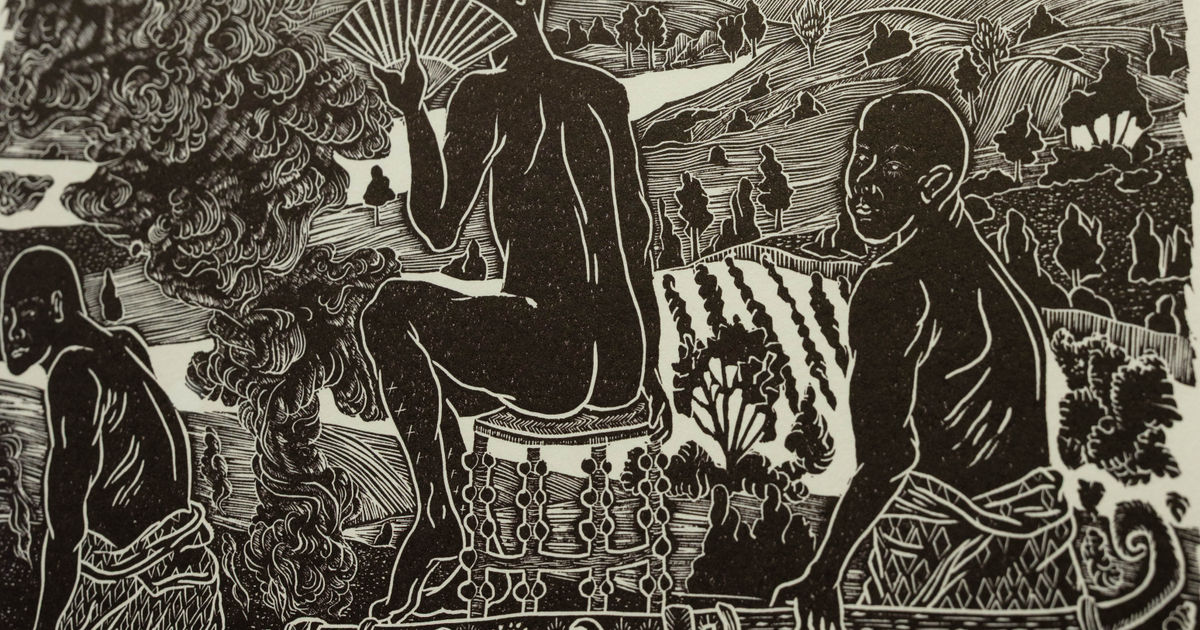
SAC Gallery is a Thailand-based art space in the middle of Bangkok. As an extension, it is opening a residency program in Chiang Mai, north of Thailand to serve domestic and international artists who wish to immerse themselves in the art culture in the north of Thailand.As an organisation, we aim to promote and support emerging artists whom we believe to possess great potentials, but are not yet able to gain support from major art galleries and institutions. We believe that any artists who take
Surface Arts & HOF
Bangkok, Thailand
Surface Arts & HOF is a collaborative artist residency program in Bangkok's Sukhumvit area, run by Surface Arts and HOF Art, focusing on contemporary artists interested in collaboration, urban environments, and Thai culture to generate new work and cultural understanding. The program provides studio spaces, resident accommodation, galleries, a café bar, and rooftop facilities, with artists paying a monthly fee of 35,000 THB (approx. 850€) that includes housing, airport pickup, staff support, and access to events. Residencies typically last one month minimum, feature open applications year-round, and culminate in exhibitions or exchanges between Thailand and the UK.
Browse by discipline in Bangkok
Filter in Bangkok
Been to a residency in Bangkok?
Share your review