Artist Residencies in Berlin
39 residenciesin Berlin, Germany
Why Berlin is such a residency magnet
Berlin isn’t just “a cool city with galleries.” It’s a residency ecosystem: big institutions, artist-run spaces, and multiple overlapping residency programs all feeding into each other. The draw is simple: you get time, space, and serious conversation around your work, with more flexibility than in many other capitals.
For artists, three things make Berlin stand out:
- Scale of the art scene: Major museums like Hamburger Bahnhof, Berlinische Galerie, KW Institute for Contemporary Art, Gropius Bau, Haus der Kulturen der Welt (HKW), daadgalerie, and the Neue Nationalgalerie are all within reach. On top of that, there are countless project spaces and independent initiatives.
- International, cross-disciplinary community: Residency cohorts regularly mix visual artists, writers, filmmakers, sound artists, choreographers, and researchers. The city is very comfortable with hybrid practices and socially engaged work.
- Relative affordability and space: Costs have risen, but you can still find larger studios and a bit more breathing room than in London, Paris, or New York, especially if your residency provides housing.
Residencies in Berlin tend to encourage experimentation: performance, installation, sound, moving image, research-driven projects, and work that doesn’t need to resolve into a commercial gallery show right away.
Key residency programs to know
You’ll find everything from fully funded, highly competitive fellowships to modest studio stays. Here’s how some of the better-known options differ in feel and focus.
DAAD Artists-in-Berlin Program
DAAD Artists-in-Berlin is one of the most prestigious residency programs around, not just in Germany. It supports visual arts, film, literature, and music/sound.
What it offers:
- Funded residency with monthly stipend and usually accommodation and travel support
- Curatorial and professional support, often leading to exhibitions, concerts, readings, and screenings
- Close connection to daadgalerie and partner institutions in Berlin and beyond
Who it suits: Established or strongly recognized artists with a solid body of work and an international profile. This is a program to consider when your practice is already very developed and you want time to research, think, and build new collaborations without pressure to “produce” in a conventional way.
Künstlerhaus Bethanien – International Studio Programme
Künstlerhaus Bethanien is one of Berlin’s best-known residency centers, offering live-work studios, institutional visibility, and heavy curatorial traffic.
What it offers:
- Individual live-work studio spaces with shared facilities on each floor
- Curatorial visits, workshop access, and inclusion in their publication ecosystem (such as BE magazine)
- Regular public programs: open studios, exhibitions, and events that are well attended by Berlin’s art community
Who it suits: Artists with a relatively mature practice who want a structured studio residency with strong visibility and networking. It’s particularly good if you want to meet curators, critics, and other international residents in a focused way.
Contemporary at Blue Star – Berlin Residency (Bexar County artists)
The Contemporary at Blue Star in San Antonio partners with Künstlerhaus Bethanien to send four artists from Bexar County to Berlin for three-month residencies.
What it offers:
- Three-month stays at Künstlerhaus Bethanien in Berlin
- Studio and living space, program fees, curatorial visits, and workshop access covered
- $2,000 stipend to help with travel and living costs
- Visits to Darmstadt and local cultural institutions, plus a public program back in San Antonio after the residency
Who it suits: Artists based in Bexar County who want a structured international residency but also value a clear link back to their local scene.
Urban Nation – Fresh A.I.R.
Urban Nation’s Fresh A.I.R. residency focuses on urban art and new contemporary art, with a strong street-art and public-art sensibility.
What it offers:
- Fully funded longer-term residency (around 11 months in many cycles)
- Accommodation and studio spaces tailored to muralism and large-scale work
- Monthly stipend, materials budget, and travel support
Who it suits: Artists working with graffiti, mural painting, interventions in public space, and socially engaged urban practices. If your work sits between street culture and contemporary art discourse, this is the right context.
ZK/U – Center for Art and Urbanistics
ZK/U Berlin hosts an international residency program that revolves around city research, urban practice, and social questions.
What it offers:
- Residencies that mix artists, urbanists, architects, social scientists, and activists
- Public programs, research formats, and collaborative projects
- Networking between international residents and Berlin-based practitioners
Who it suits: Artists interested in socially engaged practice, urban research, and projects that sit between art and civic life. ZK/U is less about isolated studio time and more about context, community, and shared inquiry.
Takt Artist Residency
Takt runs residencies in Berlin (Prenzlauer Berg) and other locations in Germany, usually ranging from one to six months.
What it offers:
- Residency stays with apartments and studio spaces
- A mix of self-directed work time and program elements like open studios or talks, depending on the cycle
- A community of artists across disciplines: painting, performance, writing, film, design, and more
Who it suits: Artists who want an organized but relatively flexible residency in a calm neighborhood, with a focus on day-to-day studio practice and peer contact rather than heavyweight institutional visibility.
KHBstudios Berlin / AG Minimales Reisen
KHBstudios offers two small residential studios in Berlin, linked to AG Minimales Reisen, an anti-elitist artist initiative focused on “minimal travel.”
What it offers:
- Compact studios with loft beds and workspace
- Short stays, typically starting from two weeks (with a week-based residency fee)
- Participation in occasional events and a context centered on process and research rather than prestige
Who it suits: Artists who like intimate, low-key setups and want to use Berlin as a short, intense research stop. Good if you’re self-motivated and comfortable working in a small space.
Stiftung Starke – Artist in Residence
The Starke Foundation runs an Artist in Residence program in Berlin, often offering free accommodation and workspace to emerging artists.
What it offers:
- Residency periods that can span several months
- Studio and living space at no cost to the artist
- Opportunities for exhibitions and introductions to curators, institutions, and collectors
Who it suits: Emerging artists ready to engage with a professional network and who want to reduce living costs while focusing on work.
Berlin Art Institute (BAI) – Studio Program
BAI is more like a hybrid between a residency and an independent art school, offering studio space plus structured programming.
What it offers:
- Studio access in a shared environment
- Lectures, seminars, critiques, and visits by curators and artists
- Flexible durations, so you can choose how intensive and long your stay should be
Who it suits: Artists who want guidance, feedback, and a semi-educational format, especially if you appreciate a regular schedule of talks and critiques.
Film- and moving-image focused residencies
Berlin Film Residencies clusters several programs supported by the region’s film funding bodies.
What they offer:
- Residencies for filmmakers, screenwriters, and moving-image artists
- Depending on the program, a mix of accommodation, workspace, and allowance
- Connection to Berlin’s film institutions, festivals, and production networks
Who they suit: Artists whose practice sits close to cinema and the film industry, and who want to develop scripts, edits, or hybrid time-based projects within a professional film context.
Neighborhoods and how residencies fit into them
Where a residency is located will shape your everyday rhythm. Berlin is spread out, but public transport covers most of the city well, so you can live or work in one district and circulate for events in others.
- Neukölln: Packed with artist studios, project spaces, and nightlife. Good if you want a dense, international community and don’t mind some noise and constant activity.
- Kreuzberg: Historically alternative, central, and full of galleries, performance venues, and activist spaces. Many openings and events happen here or just across the canal.
- Wedding: Increasingly important for studio buildings and experimental spaces, with relatively lower rents. If a residency puts you here, you get room to work and still easy access to other districts.
- Moabit: Often transitional and practical, with growing art infrastructure. Close to central areas but a bit more low-key in daily life.
- Prenzlauer Berg: Takt’s Berlin location is here. The area is quieter and more residential than it used to be, but still close to galleries and project spaces.
- Mitte / around Auguststraße: High concentration of commercial galleries and some institutions. Great for networking; less realistic for finding affordable independent housing.
- Charlottenburg / Tiergarten: Mix of established galleries and major institutions. More polished, less grassroots, but important for visibility.
Residency strategy many artists use: live slightly further out (for affordability and calm) and treat gallery districts as your “commute” for openings, meetings, and research.
Costs, visas, and practical realities
Berlin is no longer a low-cost secret, but it can still work well if the residency is realistic about money and time. Before you accept or apply, do some quick math.
Cost of living basics
Rough monthly ranges for a solo artist:
- Room in a WG (shared flat): about €600–€1,000+ depending on district and setup
- Small studio apartment: often €1,000–€1,600+ on the open market
- Utilities and internet: around €50–€150
- Public transport pass: roughly €49–€65 per month depending on ticket and zones
- Food: around €250–€500+ depending on habits
- Separate studio space: highly variable; subsidized studios exist but are competitive, and commercial spaces are more expensive
Many residencies sidestep the most difficult issue—housing—by offering live-work studios or subsidized accommodation. If a residency only offers a stipend, check if it realistically covers rent plus basic costs, especially for unfunded time before or after the program.
Visa and paperwork
Visa needs change depending on passport and length of stay.
- EU/EEA/Swiss citizens: generally no visa needed to live and work; you may have to handle local registration.
- Non-EU nationals: you may need a Schengen visa for short stays or a national visa/residence permit for longer residencies or freelance work.
Good practice for residency-related visas:
- Ask the host for an official invitation letter early.
- Clarify if they help with registration appointments, health insurance expectations, and any documentation about stipends or housing.
- Check with the German embassy or consulate in your region for the latest rules; details change and depend on whether you’re being paid a stipend, salary, or receiving only in-kind support.
Getting around once you’re there
Most residents rely on public transport and a bike.
- BVG network: U-Bahn, S-Bahn, trams, and buses cover the city efficiently.
- Airport and trains: Berlin Brandenburg Airport (BER) connects you internationally; long-distance trains make trips around Europe easy and often more sustainable.
- Daily rhythms: Many institutions and galleries cluster in central districts, but residencies may be farther out. Budget time for commuting by train or bike when you schedule meetings and openings.
Using Berlin’s art infrastructure while in residency
Residency time goes fast. A bit of structure helps you actually use the city instead of just hearing about it.
Institutions and project spaces
Some key places to keep on your radar:
- Hamburger Bahnhof – major contemporary art museum
- Berlinische Galerie – strong on Berlin-based practices and history
- KW Institute for Contemporary Art – programmatic, discursive exhibitions and events
- Gropius Bau – large-scale shows, often with international curatorial frameworks
- Haus der Kulturen der Welt (HKW) – transdisciplinary programs, often research- and theory-heavy
- daadgalerie – tightly linked to DAAD fellows and experimental formats
- Neue Nationalgalerie – modern art collection and special exhibitions
Outside these, Berlin thrives on project spaces and artist-run initiatives: short-lived exhibitions, off-site interventions, and recurring open studios. Many residencies plug directly into this network, so follow their newsletters and ask staff which spaces align with your work.
Events, open studios, and informal networks
Throughout the year you’ll find:
- Berlin Art Week – citywide focus on exhibitions, talks, and fairs
- Gallery Weekend Berlin – packed days of openings and parties, useful if you’re researching galleries or curatorial conversations
- Transmediale and CTM Festival – if you work with media art, sound, or digital culture, these are key meeting points
- Berlin Biennale – periodic major exhibition that pulls international attention
- Long Night of Museums – extended museum opening hours and special programs
- Residency open studios: at places like ZK/U, Bethanien, Takt, and others, these are low-pressure spaces to meet people and show what you’re doing
Many connections happen informally: studio visits arranged through friends of friends, crit groups, or conversations after openings. It helps to treat your residency like a temporary local practice: be present, show up repeatedly, and follow up with people whose work genuinely resonates with yours.
How to choose the right Berlin residency for you
Before you decide where to apply or what to accept, match the residency format to what your practice actually needs right now.
- If you want deep, protected research time: Look at DAAD or research-focused residencies like ZK/U, or smaller, quiet setups like KHBstudios. Make sure expectations for public output are realistic.
- If you want visibility and curatorial contact: Künstlerhaus Bethanien, DAAD, or programs linked to strong institutional partners are good fits.
- If you’re early career and need structure: BAI’s studio program or residencies with built-in seminars, critiques, or mentoring can help you get feedback and develop a language around your work.
- If you work in urban, street, or socially engaged public practice: Urban Nation – Fresh A.I.R. and ZK/U align well with that focus.
- If your practice is time-based or close to cinema: Film-specific residencies via Berlin Film Residencies are designed for that workflow and industry connection.
The main question to keep asking: will this residency give you the conditions your current project needs (time, space, community, or visibility), or is it just an attractive name? Once you’re clear on that, Berlin’s residency scene becomes a lot easier to navigate and a lot more generous to work in.
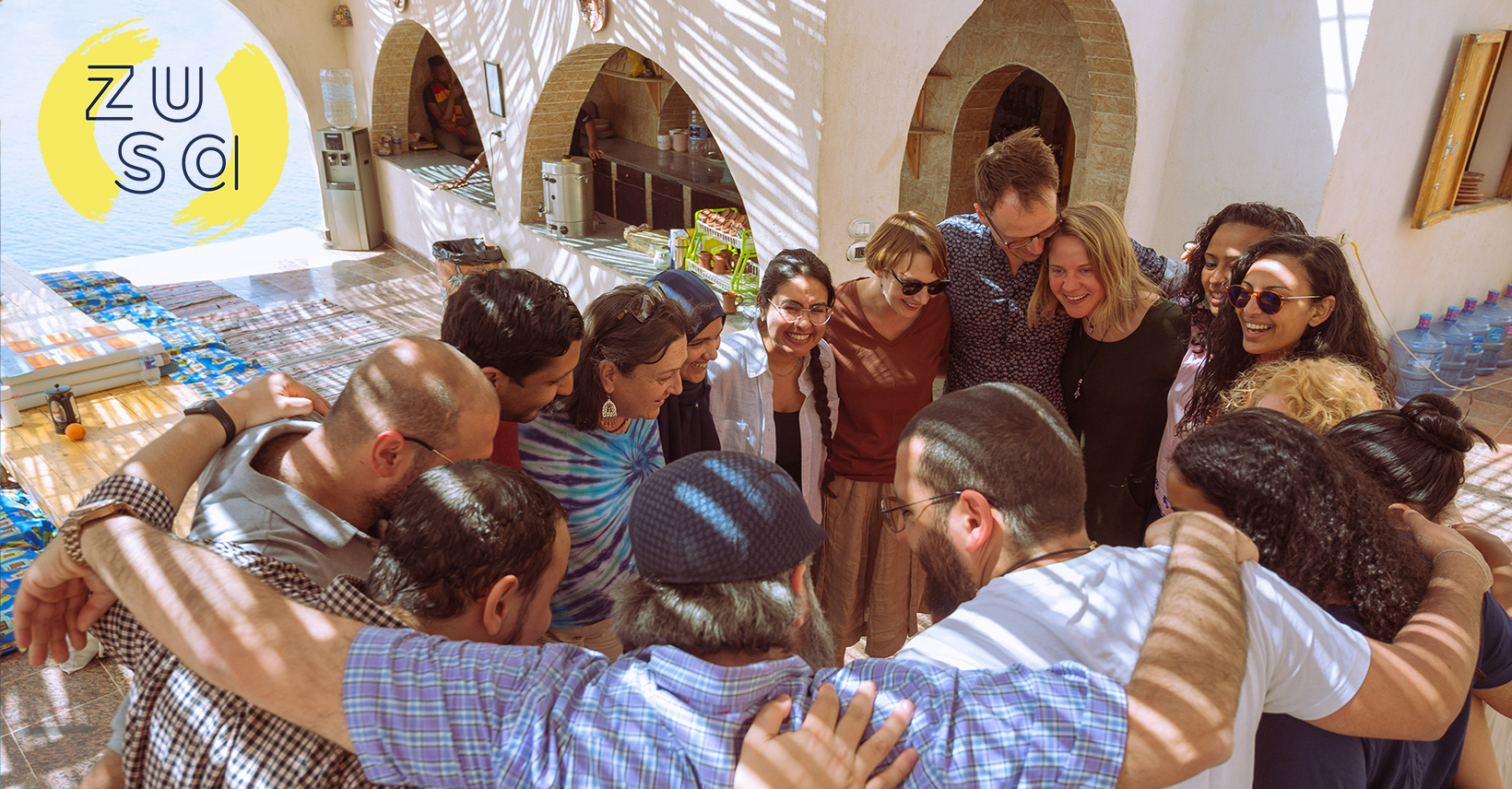
AiR zusa
Berlin, Germany
AiR zusa is a non-product-oriented residency program in Berlin designed to provide artists, cultural managers, curators, and arts and culture activists from Ukraine and other countries at risk with a safer space for rest, mental health support, and professional resilience-building. The program emphasizes process, self-reflection, and personal growth rather than artistic output, offering participants time to heal and reconnect with local and international cultural networks.
Akademie der Künste Studio for Electroacoustic Music
Berlin, Germany
Public platform for artistic innovation in electroacoustic music and sound art at the Akademie der Künste. Offers residencies, production facilities, and houses historic electronic instruments from East Germany's pioneering electronic music era.
American Academy in Berlin
Berlin, Germany
The American Academy in Berlin is a private, nonprofit institution offering semester-long residential fellowships to American scholars, artists, writers, composers, and journalists for advanced independent research and creative work in the arts, humanities, social sciences, and public policy. Fellows reside at the Hans Arnhold Center on Lake Wannsee and engage in transatlantic dialogue through public lectures, readings, performances, and discussions.

Bauhaus Earth
Berlin, Germany
The Experimental Fellowship at Bauhaus Earth is an international program designed for emerging practitioners in architecture, design, engineering, and interdisciplinary fields aiming to explore sustainable, regenerative approaches to the built environment. Hosted by Experimental, a Berlin-based non-profit founded by architect Prof. Regine Leibinger, the program supports fellows through financial assistance, mentorship, and access to a collaborative network. The fellowship emphasizes open-ended, practice-led research that results in tangible prototypes or architectural fragments integrating ecological and social concerns. Bauhaus Earth offers a supportive environment that connects fellows with workshops, expert advisors, and public engagement opportunities in Berlin and Brandenburg. Projects are developed in mutual collaboration with the program team and relevant stakeholders. Fellows gain visibility through exhibitions, publications, and public programming. The initiative bridges research and real-world application to rethink how architecture can contribute to sustainable futures. With a focus on material innovation, local ecosystems, and circular practices, Bauhaus Earth fosters experimental design practices that push boundaries in the architectural field.
Between Bridges
Berlin, Germany
The residency takes place twice a year from January to June and from July to December, consisting of a five month working phase and a one month exhibition or public presentation. The residency is suitable for professional individual visual artists, artist duos or small groups working collaboratively. It offers facilities with a total size of 100 square meters including two generous work and exhibition spaces, a workshop/ storage, office, small kitchen
Callie’s
Berlin, Germany
Callie’s is a non-profit experimental institution in Berlin dedicated to fostering creativity and cultural exchange through its residency program, exhibitions, and public programs. Housed in a former machine factory in the Wedding district, Callie’s offers private studio spaces, a movement studio with a sprung floor, a cooperative sound studio, and a dedicated writing room. The residency is self-guided, allowing artists at any stage of their careers to explore new ideas without production requirements. Artists-in-residence can also request on-site accommodation in micro-apartments, designed with handmade and custom elements. Callie’s fosters an open and interdisciplinary environment, with periodic informal gatherings, networking opportunities, and access to Berlin’s rich cultural landscape. While the residency covers workspace and resources, it does not provide direct funding for travel or materials. The program is open to visual artists, musicians, choreographers, writers, poets, and researchers, supporting a wide range of creative practices. Residencies typically last six months, with some flexibility for shorter stays.
coGalleries
Berlin, Germany
coGalleries Artist Residency Berlin is an international artist residency program committed to fostering cross-cultural exchange among artists, curators, and institutions. Based in the dynamic art compound FAHRBEREITSCHAFT in East Berlin, the residency offers access to a shared studio loft and tailored support including mentoring, networking, and presentation opportunities. Artists can choose between two main tracks — one culminating in an Open Studio presentation and the other offering a full Solo Exhibition with coaching and professional development. The residency emphasizes connection to Berlin’s thriving contemporary art scene and encourages collaboration with nearby institutions and practitioners. Residents gain insight through organized events such as gallery visits, artist talks, and studio critiques. The program supports artists across various disciplines, including painting, sculpture, photography, video, literature, and curatorial practice. Housing is not included but can be arranged at additional cost. Applications are accepted on a rolling basis, and the team offers PR support and continued professional connections beyond the residency.
Culterim Gallery
Berlin, Germany
The Culterim Gallery offers an Artist-in-Residence program at two locations near Berlin: the Manor at Dahlewitz and the Manor at Biesenthal. Both residencies run from May 1st to September 30th, 2024, offering studio space, accommodation, and weekly mentored studio visits, artist presentations, and talks for a fee of 365€ per month. The Dahlewitz location, south of Berlin, features seven buildings on an 18,000 m2 plot with a small forest, while the Biesenthal location, north of Berlin, extends over several buildings and 12,000 m2 of forest next to Lake Wukensee. Both sites welcome artists for terms ranging from 2 to 5 months and conclude with a group exhibition of works created during the residency. Studios vary in size and may be individual or shared, with basic sanitary facilities and communal areas for cooking and socializing. The program is open to all art forms, and artists have 24-hour access to the premises.
Cultural Vistas
Berlin, Germany
The Cultural Vistas Climate Action Artist Residencies program invites artists from Germany and V20 countries (Philippines, Fiji, Samoa) for three-month residencies with environmental research organizations in Germany or the selected V20 countries to explore climate crisis impacts through art and science collaboration. Artists freely choose their medium and work with host institutions to create projects highlighting vulnerabilities in host and home countries, with results showcased in international exhibitions. The program, funded by the German Federal Foreign Office, provides stipends, travel funding up to 4,000 EUR, and production support up to 10,000 EUR.

DAAD
Berlin, Germany
The German Academic Exchange Service (DAAD) is a prominent organization known for its extensive support of the international exchange of students and scholars. Since its establishment in 1925, DAAD has become one of the world's largest funding organizations for international academic cooperation. It offers a wide range of programs including scholarships for study and research in Germany, funding for German students, graduates, and academics abroad, and support for the internationalization of German universities. DAAD also promotes German studies and the German language abroad, supports developing countries in establishing effective universities, and advises decision makers on matters of cultural, education, and development policy. Its scholarship programs are aimed at fostering knowledge exchange and building bridges between cultures. DAAD's vast alumni network spans over a hundred countries, including several prominent academics, artists, and leaders who have benefited from its programs. Through initiatives like the Artists-in-Berlin Program, DAAD underscores its commitment to enriching artistic dialogues and cultural exchanges worldwide. As an influential advocate for educational and scientific exchange, DAAD plays a crucial role in shaping global academic and cultural landscapes.
Dekoloniale Berlin
Berlin, Germany
Dekoloniale Berlin Residency, organized by Dekoloniale Memory Culture in the City, invites artists, architects, designers, directors, photographers, fashion designers, and urban practitioners to create interventions addressing colonial histories in Berlin's public spaces, culminating in presentations at the Dekoloniale Festival. Residents receive access to a project space, curatorial guidance, production support, travel costs, accommodation, per diem, production budget, and a fee, with mandatory participation in workshops. The program typically spans about 6 months, from mid-May to mid-November, focusing on collaborative and interdisciplinary decolonial practices.

District Arts and Cultural Promotion
Berlin, Germany
District promotes art and culture, focusing on artists and collectives critically reflecting contemporary urban space, social issues, and young cultural producers. Offers studio grants twice yearly to professional female artists.

GlogauAIR
Berlin, Germany
GlogauAIR is an international artist residency located in Berlin, Germany, providing a creative platform for artists from diverse backgrounds to develop their work in a communal setting. Founded in 2006 by Spanish artist Chema Alvargonzalez, GlogauAIR offers 13 studio spaces where artists can engage in a three to six-month residency. The program includes curatorial support, technical assistance, and various activities such as workshops, artist talks, and excursions. During their stay, artists have the opportunity to participate in the Open Studios event, presenting their works to the public and professionals in Berlin's vibrant art scene. GlogauAIR does not provide direct funding but assists artists in securing external financial aid. The residency emphasizes a deep engagement with the local culture and community, aiming to foster international exchange and artistic innovation.
Humboldt Forum Berlin
Berlin, Germany
The Humboldt Forum Berlin artist residency, hosted by the Ethnological Museum and Museum of Asian Art, invites visual artists and designers to engage with the 'Discovering the West' exhibition on themes of urban redevelopment, fashion, furniture design, and social change in North Africa, West, and Central Asia. Selected artists develop their projects over a three-month period, create works for exhibition at the museum, and receive curatorial support, access to collections, and a stipend of 8,500 € plus travel expenses. Particularly suited for painting, graphics, video, installation, and design works, the program fosters collaboration between artists, researchers, and curators.
Institut für Alles Mögliche
Berlin, Germany
Non-commercial artistic project space in Berlin offering studios for artists across disciplines. Focuses on experimental practices, spatial relations, collaborations, and short-term residencies (1-3 months) with fees of 500-1000€/month.
International Theatre Institute
Berlin, Germany
The STUDIO2 residency programme by ITI-Germany in Berlin offers artists and groups from dance, performing arts, performance art, and interdisciplinary fields the chance to explore self-chosen research topics over a two-week period in a dedicated studio space. It serves as a laboratory for artistic practice at the intersection of movement, archive, and theory, with opportunities for public presentations of the work process. Residencies occur twice yearly via open calls, targeting early-career professionals, though no financial support like stipends, travel, or housing is provided.
Julian Weber
Berlin, Germany
Choreographer, dancer, and visual artist (b. 1986, DE) creating sculptural, scenographic performances blending body, movement, materials like clay/aluminium, and exhibition/theater spaces. Explores identity, norms, pleasure sculpting.
KHBstudios Berlin
Berlin, Germany
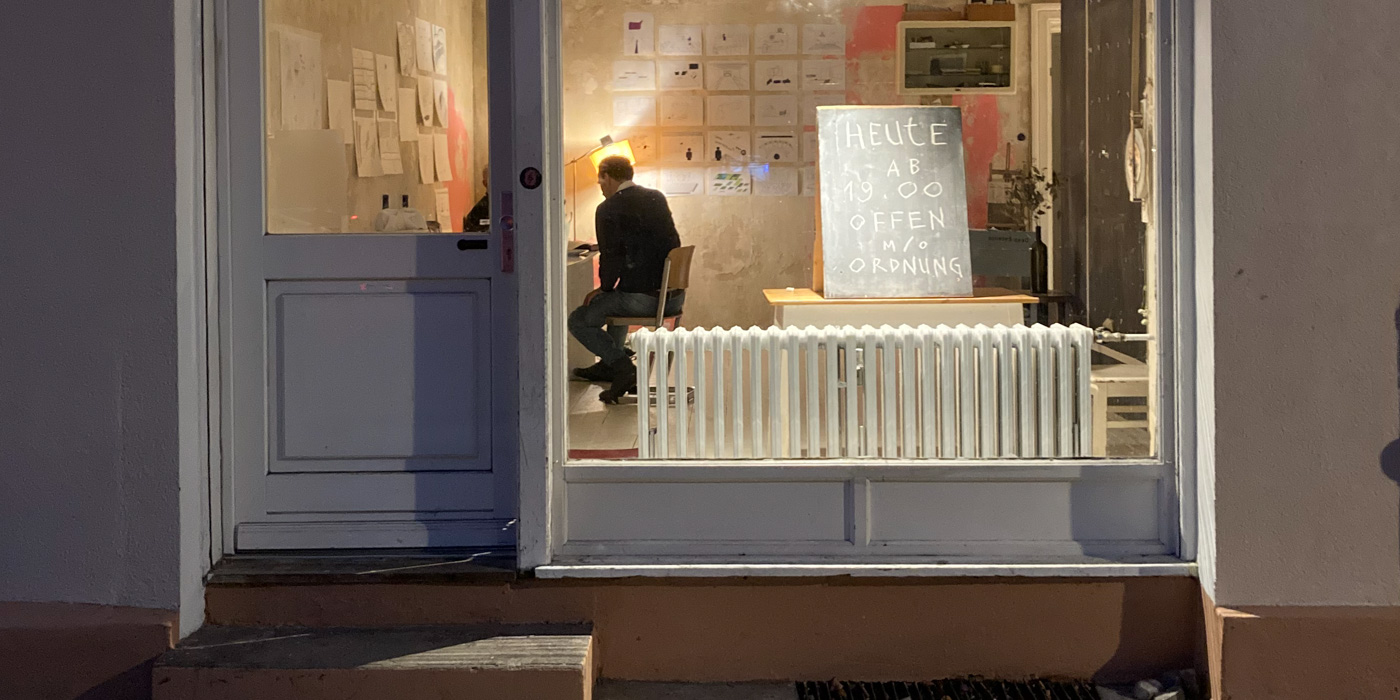
We offer two small, attractive rooms with a desk and armchair for guests who want to discover Berlin and work in the KHBstudios. They are interested in AG Minimales Reisen’s focus on travelling to nearby destinations, take part in our open events from time to time and provide insights into their own work. Ideally, they will take something from us home with them and work with us on a long-term basis using http://parallelprotokolle.de/Residency Programme since: 2

KHF Berlin – Kuenstlerhof Frohnau
Berlin, Germany
Since 2019 KHF offers a live-in guest studio in a beautiful, one-storey, half-timbered house on 155-square meters with a huge surrounding garden in the middle of the woods. Professional artists of all backgrounds are invited to apply for a self funded residency, throughout the year. There is no limitation regarding the type of artistic practice and applications from artist couples or groups are encouraged as well. Once a year there is an
Kunsthaus Tacheles
Berlin, Germany
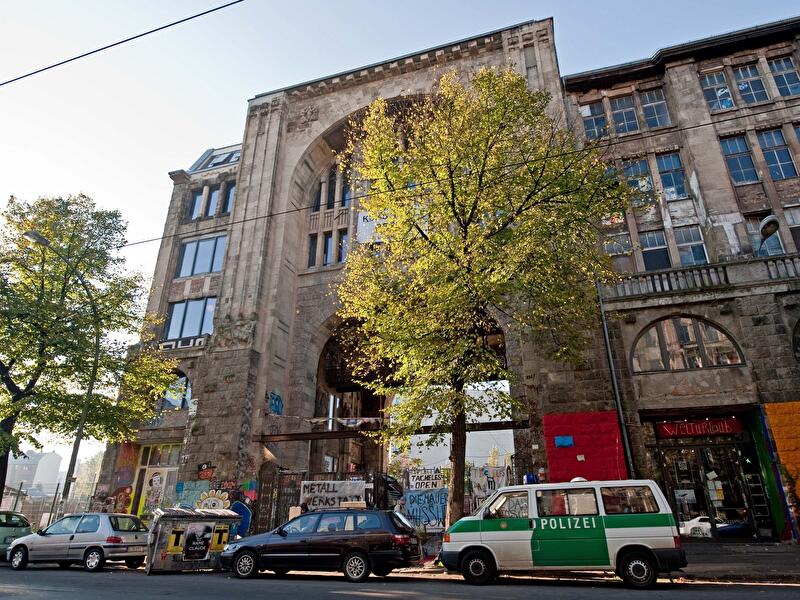
Former alternative art center in Berlin-Mitte, housed in a historic former department store. Known for studios, exhibitions, performances, cinema, and a sculpture-filled courtyard; now closed in its original form.
Künstlerhaus Bethanien
Berlin, Germany
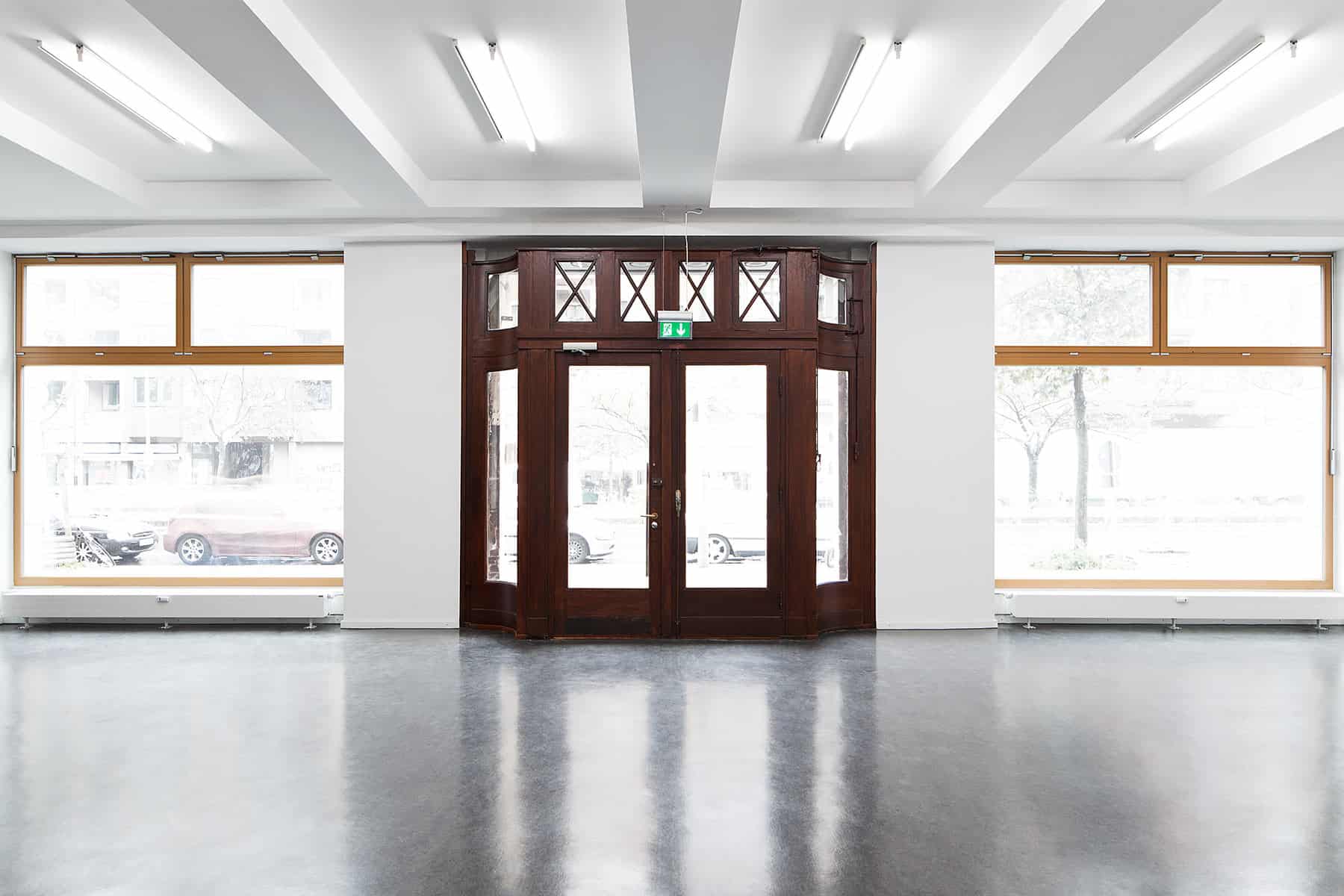
Künstlerhaus Bethanien is an artist-in-residence programme in Berlin providing workspaces for professional artists and exhibition spaces to advance contemporary visual arts. It focuses on the International Studio Programme, where artists from around the world develop and present new projects, fostering dialogue between diverse artists and the public through events like exhibitions and open studios. The institution also expands its international network, publishes art-related materials, and hosts regular public access hours.

KW Institute for Contemporary Art
Berlin, Germany
Berlin's foremost contemporary art institute offering artist studio residencies alongside an internationally recognised exhibition and research programme.
Lake Studios Berlin
Berlin, Germany
Lake Studios Berlin is a dance research and residency center located just outside Berlin's city center, offering self-directed residencies for movement, media, and interdisciplinary artists in a peaceful setting near a lake and forests. Residencies typically last 1-2 months (or 1-4 weeks for short-term), providing private rooms, shared kitchen, 80-100 hours of studio time per month across multiple studios, technical equipment, and opportunities for performance and networking in Berlin's art scene. It supports up to 4 individual residents or 1-2 groups at a time, with fees for self-funded artists and invitation letters available for funding applications.
Literary Colloquium Berlin
Berlin, Germany
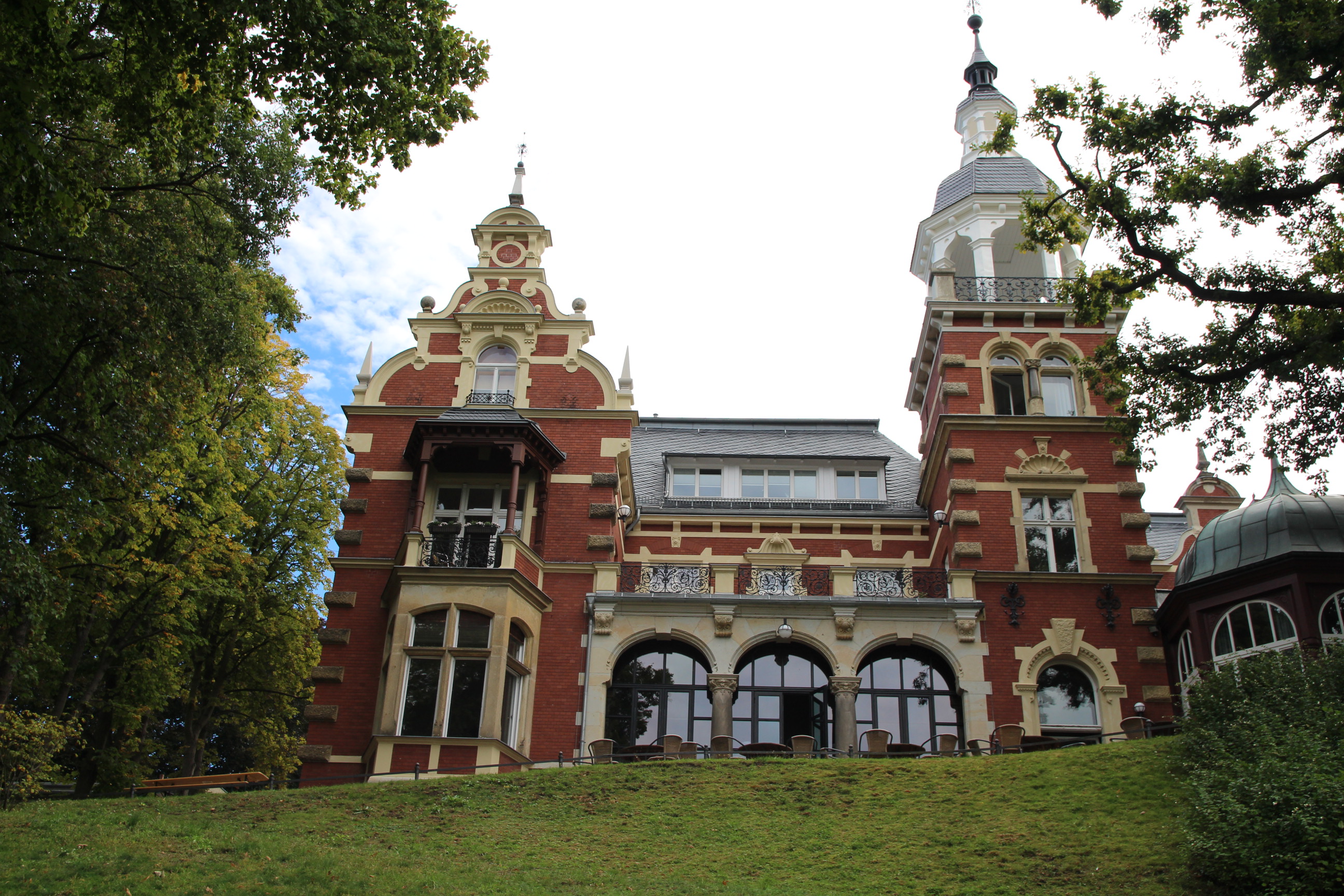
The Literary Colloquium Berlin (LCB) is an international residency program housed in a historic villa on Wannsee Lake in Berlin, Germany, serving as a hub for writers, translators, and literary exchange through fellowships, workshops, public events, and publications. It offers residencies typically lasting 1-3 months or specific periods like 1 month, often with stipends, targeting German-language authors, international writers, and translators via various partner-funded programs.

MOMENTUM Worldwide
Berlin, Germany
MOMENTUM Worldwide is a non-profit platform for time-based art based in Berlin's Kunstquartier Bethanien Art Center, offering a process-based artist residency dedicated to research into time and temporality in visual language. The flexible residency, typically lasting 1-3 months, provides access to facilities, weekly supervision, and culminates in public events like open studios or performances, fostering networks in Berlin's art community. It supports artists in various media through production, research, and professional exchange in a residential apartment in Prenzlauerberg.

Node Center for Curatorial Studies
Berlin, Germany
The Node Center for Curatorial Studies in Berlin previously offered a 12-week intensive residency program for emerging curators, involving theoretical-practical research, curation of a final show, participation in a publication, and activities like workshops, seminars, and studio visits. Residents had access to a shared office and exhibition space for experimentation but were required to pay program fees. , the center focuses on online International Curatorial Programs lasting 11 months, emphasizing curatorial practice, project development, mentorship, and practical skills without mention of physical residency.
Petersburg Art Space Berlin
Berlin, Germany
Petersburg Art Space Berlin (PAS) is a music venue and artist residency located in Moabit, west central Berlin, offering a maximum 3-month work/live situation for experimental artists across all disciplines. The space provides two main working areas (Black Room for performances and White Room for quiet work) and hosts monthly residents showcases, fostering collaboration and creative exploration.

Residency for Ceramics
Berlin, Germany
The Center for Ceramics in Berlin is a residency program designed for artists, potters, sculptors, designers, and art historians working in clay. It offers 1-6 month stays with spacious studios and private living quarters in the Pankow neighborhood, with residents expected to work independently on specific projects, research, or experimentation without pressure to produce exhibitions.

S+T+ARTS
Berlin, Germany
S+T+ARTS (Science + Technology + Arts) is an initiative launched by the European Commission to foster alliances between science, technology, and the arts. This initiative aims to tackle the complex challenges of our times by integrating artistic practices into research and innovation processes. Through various programs and residencies, S+T+ARTS supports collaborative projects that address pressing societal issues such as sustainability, digital transformation, and social inclusiveness. The organization facilitates residencies, awards, and collaborative projects, connecting artists with scientists, technologists, and industry experts across Europe. S+T+ARTS residencies offer artists the opportunity to work in diverse environments, from high-tech laboratories to remote ecological sites, providing the resources and support needed to develop innovative solutions. These projects are designed to stimulate critical thinking, promote cross-disciplinary collaboration, and inspire new ways of addressing global challenges. S+T+ARTS is committed to promoting a sustainable future by aligning its projects with the Sustainable Development Goals (SDGs) and the European Green Deal. By supporting art-driven innovation, S+T+ARTS aims to enhance public awareness, drive policy changes, and contribute to the development of a more inclusive and resilient society.
SAVVY Contemporary Residency
Berlin, Germany
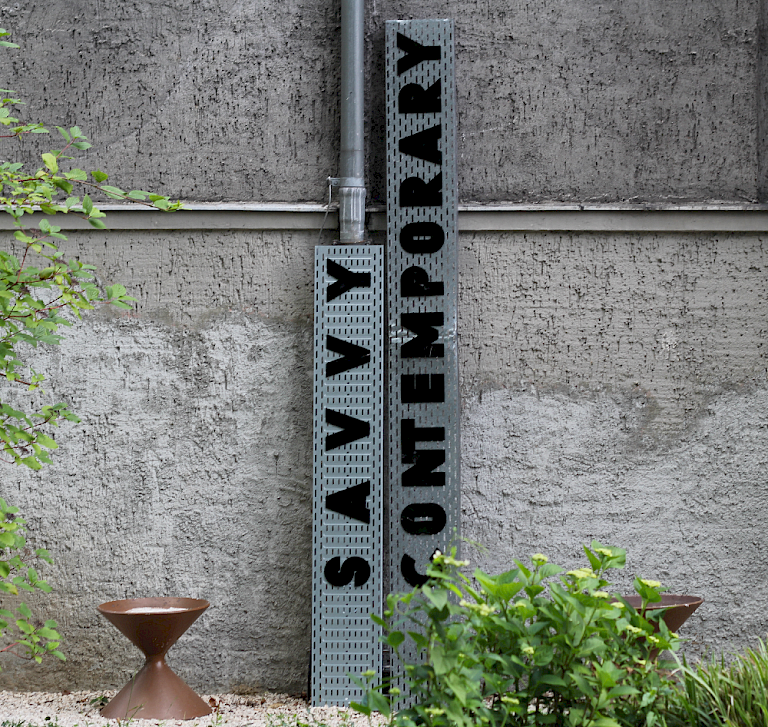
The SAVVY Contemporary Residency in Berlin hosts national and international curators, artists, writers, thinkers, researchers, and cultural professionals for periods of at least 3 months, challenging residents to engage with Berlin’s socio-political context and explore trans-disciplinary issues beyond geographical constraints. Residents work from premises in a former power plant in Neukölln, offering workshops, seminars, or lectures, with accommodation in private rooms in a shared flat 500m away, though no production studios are available. The program emphasizes decolonial practices, public-oriented research, and topics like Afro-Pacific affinities and innovative exhibition-making, often through partnerships like REFLEKT for practitioners from Southeast Asia.
Scope BLN
Berlin, Germany
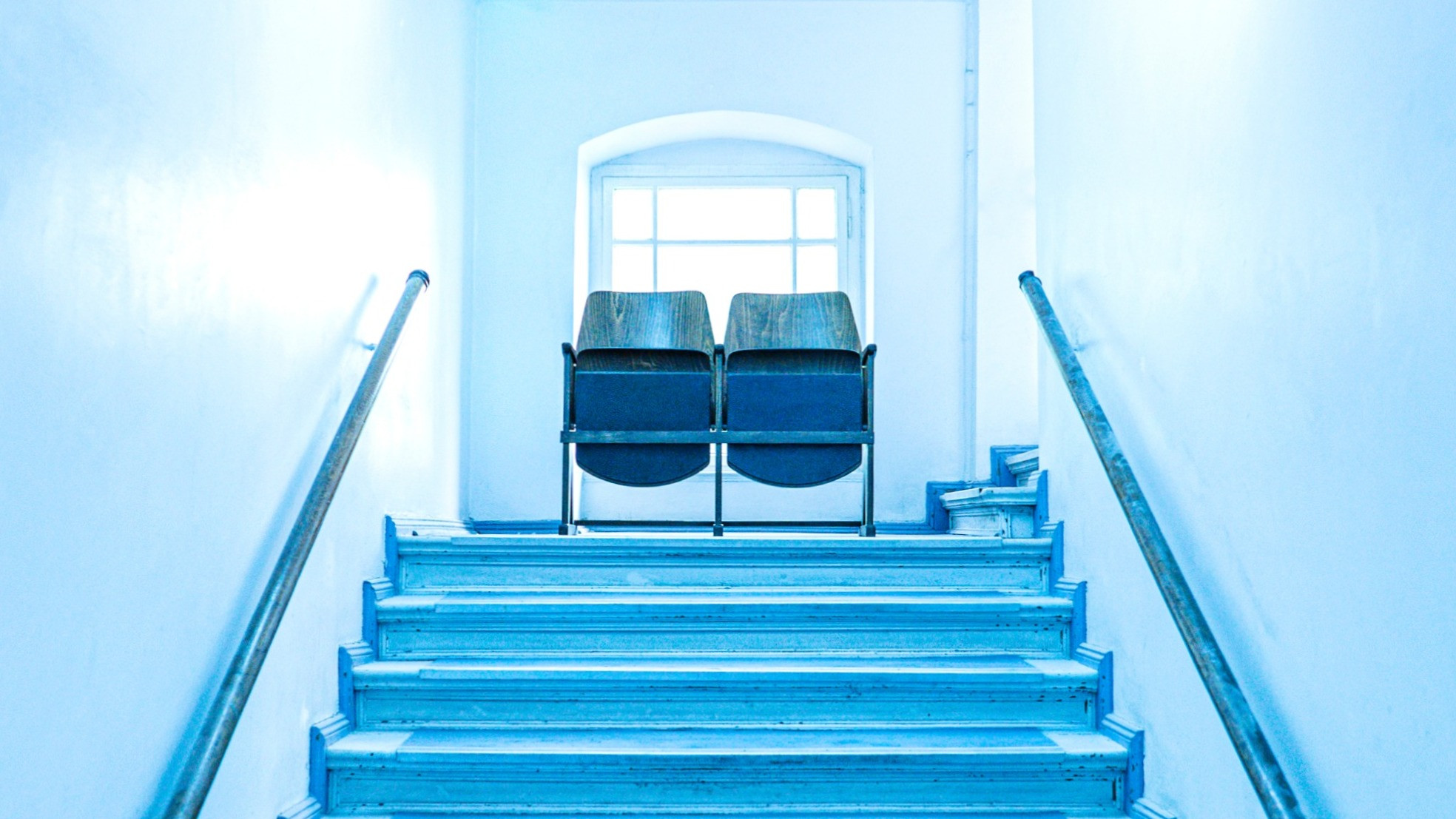
Scope BLN is an experiential contemporary art platform in Berlin offering an Artists-in-Residence program, exhibition space, and public events for multidisciplinary artists and cultural practitioners. The residency provides a private room, studio, shared kitchen, guidance in Berlin's art scene, open studios, workshops, and a solo exhibition with artist talk. It targets international artists in fields like painting, photography, sculpture, installation, multimedia, video, film, digital art, sound, performance, and curators, with stays of 6-12 months requiring participants to cover fees and expenses.

SomoS
Berlin, Germany
SomoS is an international artist residency program located in the creative heart of Berlin, Germany, bridging the dynamic Kreuzberg and Neukölln districts. It offers a collaborative, supportive, and structured environment for artists, curators, and researchers looking to develop their projects in a global art hub. The residency typically lasts for a minimum of three months, with staggered arrival times allowing for individualized support. Residents are provided with furnished living and working spaces, equipped for a variety of disciplines, including visual arts, media, literature, and design. In addition to daily staff support, participants have access to SomoS’ gallery, extensive library, and shared facilities, encouraging both independent creation and community engagement. Artists can present their work through exhibitions, workshops, or public talks during their residency. SomoS partially subsidizes the program and offers discounts for early bookings and full payments. Applications are accepted on a rolling basis, and selected artists are encouraged to secure external funding for the remaining fees.
Spreepark Art Space
Berlin, Germany
Spreepark Art Space is a Berlin-based international residency program dedicated to interdisciplinary artistic research within a unique urban-natural setting. Hosted in the Eierhäuschen, a historic riverside building adjacent to the reclaimed Spreepark amusement park, the residency provides an inspiring environment for collectives exploring connections between people, art, and the environment. It specifically welcomes international groups of four who do not live in Berlin or Brandenburg, offering space for collaboration, experimentation, and public engagement. The program emphasizes sustainability, artistic research, and creative approaches to ecological and urban transformation. Residents are supported with complimentary housing, travel cost coverage, and a fixed living stipend. The residency culminates in a group exhibition at the Eierhäuschen the following year, showcasing research-based outcomes. Spreepark Art Space maintains a strong commitment to inclusion, welcoming applications from BIPOC, LGBTQIA+, and disabled artists, and offers visa support for non-European participants. It serves as a dynamic platform where art, planning, and nature converge within Berlin’s evolving cultural landscape.

Stiftung Starke
Berlin, Germany
The Stiftung Starke Artist in Residence program in Berlin supports emerging artists under 40 from all genres with 3-12 month residencies including free living and studio space, a stipend, and exhibition opportunities at the Löwenpalais. Established artists can access short-term guest apartments, while projects receive scientific accompaniment by international curators. Applications are accepted year-round by an independent jury, though fellows cover their own energy costs.
The Potsdam Institute for Climate Impact Research (PIK)
Berlin, Germany
The Potsdam Institute for Climate Impact Research (PIK) in Potsdam, Germany, hosts an artist residency program since , providing artists with studio space in the historic Kleiner Fotorefraktor building, accommodations in Potsdam, and a stipend paid in three monthly installments. Selected by the Berliner Künstlerprogramm des DAAD, Potsdam Town, and PIK, residents integrate into the PIK community to foster interdisciplinary exchanges between artists and climate researchers on global sustainability. Note that a distinct 'Planetary Transitions' residency exists at the nearby RIFS Potsdam, not PIK.
Transmediale
Berlin, Germany
The Transmediale Residency Program offers opportunities for artists, researchers, theorists, and practitioners working at the intersection of digital art, media studies, and technology. Located in Berlin, the residency supports hybrid participation, allowing residents to engage both remotely and on-site. The program emphasizes long-term, research-based engagement over outcome-driven projects, fostering collaboration across disciplines. Transmediale works with multiple international partners, offering various residency opportunities for artists from Switzerland, Korea, Chile, and Berlin. Residents receive a stipend, housing support, and travel funding, and are encouraged to develop new projects or expand on existing ones in the fields of media art, art criticism, digital practices, and moving image theory. Transmediale’s extensive network helps residents build sustainable relationships within both the local and global art community.
ufaFabrik Berlin International Cultural Centre
Berlin, Germany
As a popular venue and artist residence the focus of ufafabrik is to support the development for independent artist groups in theatre, music, dance, interdisciplinary performances and in the new circus arts). The policy of ufafabrik for cultural programs and projects is to promote original ideas and impulses to cultural, social and environmental change and to foster creative links of art and ecology. The ufafabrik provides 2 main halls (350 and 180 seats, an 700 seat open-air-stage and several p
Villa Aurora & Thomas Mann House e.V.
Berlin, Germany
Villa Aurora & Thomas Mann House e.V. is a European-American foundation based in Berlin that operates artist residencies primarily at its sites in Los Angeles, including Villa Aurora and Thomas Mann House, fostering transatlantic exchange in arts, literature, and culture. It offers fellowships and grants such as the Berlin Fellowship for LA-based artists to reside in Berlin for several weeks, and supports programs like music residencies and Thomas Mann Fellowships addressing global issues. The organization emphasizes interdisciplinary collaboration, providing stipends, housing, and networking opportunities for artists from Germany and internationally.
ZK/U (Zentrum für Kunst und Urbanistik )
Berlin, Germany
The ZK/U (Center for Art and Urbanistics) in Berlin is an artist-led, independent art residency and project space that hosts a multidisciplinary residency program. This program offers living and working space for artists, researchers, activists, and professionals from various fields, focusing on exploring city dynamics and experiences. ZK/U encourages proposals that challenge conventions and include extraordinary perspectives, welcoming conceptual, contextual, and interventionist contemporary artistic positions, as well as research or experimentation in urbanism, geography, anthropology, architecture, and the humanities. The residency program fosters mutual learning, spontaneous collaborations, and interdisciplinary exchanges, enriched by the diversity of disciplines and profiles of the residents. ZK/U, housed in a former train station building in a dynamic public park, serves as a space for urban experimentation and cross-disciplinary collaborations. With the reopening of ZK/U’s renovated and expanded public spaces in summer 2024, it will return to being a lively cultural venue hosting regular public events for diverse audiences, with residents encouraged to participate. ZK/U's conceptual framework includes narratives that define its program's themes, encouraging applicants to connect their work to these narratives. The residency offers studio space for working and living, access to communal spaces, and participation in a residency program of weekly dinners, monthly studio visits, and bi-monthly open studio events. The fees for the residency vary depending on the studio type and length of stay, covering all utility costs, space usage, and participation in the residency program. ZK/U is committed to creating an inclusive space, actively confronting and countering all forms of discrimination, and fostering good relations based on solidarity, mutual respect, and trust.
Browse by discipline in Berlin
Filter in Berlin
Been to a residency in Berlin?
Share your review