Artist Residencies in Blönduós
2 residenciesin Blönduós, Iceland
Why Blönduós is on artists’ radar
Blönduós is a small town in northwest Iceland sitting where the Blanda River meets the North Atlantic. You go here for focused work, a close relationship to textiles, and a lot of sky and water, not for a packed gallery circuit.
The town is surrounded by sheep farms and has a long history with wool and textile production. That shows up in everything: the presence of the Icelandic Textile Center, the local Textile Museum, and the fact that many visiting artists are there specifically to work with fiber, weaving, dye, and material research.
If your practice needs quiet, time, and equipment designed for textiles, Blönduós is unusually well set up. You get:
- Strong textile heritage and access to Icelandic wool
- A dedicated textile-focused residency with looms and dye facilities
- Deep solitude and a small cohort of fellow residents
- Daily contact with the landscape: river, sea, changing weather and light
The town itself is compact. You can walk between the residency, the Textile Museum, the grocery store, and the shoreline in a short loop. Life is simple and work-centered, which is exactly what many artists come for.
Ós Textile Residency / Icelandic Textile Center
The core reason artists go to Blönduós is the Icelandic Textile Center and its residency program, often called Ós Residency. It sits in a historic former women’s college building, Kvennaskólinn, overlooking the river and the sea.
What the residency actually looks like
The residency is designed around textiles but keeps the door open to anyone working with material, design, or research that connects to textiles. That can include traditional fiber practices, but also digital design, technology, environmental and material studies, and craft history.
Key structure and facilities:
- Length: typically 1–3 months
- Who it’s for: emerging, mid-career, and established artists and scholars
- Capacity: around 8–10 residents at a time (some sources mention higher numbers depending on setup)
- Accommodation: private bedroom for each resident, usually with a small desk and a view
- Studios:
- Loom studio (for weaving and related work)
- Dye studio (for color work, experiments, and workshops)
- Large shared open-plan studio
- Access to TextileLab with digital tools and machines, depending on current policies
- Community spaces: shared kitchen and living spaces in the residency building or nearby houses
- Connectivity: Wi‑Fi throughout the building
The atmosphere encourages a balance of focused solo work and informal peer exchange. You are surrounded by people who work with cloth, material, and making, so technical conversations happen naturally around the kettle and in the shared studio.
Who this residency suits best
Ós Residency is especially strong if you are:
- A textile artist who needs access to looms, dye facilities, or textile-specific tools
- A fiber artist working with knitting, felting, embroidery, tapestry, or mixed media textiles
- A designer or researcher looking at wool, sustainability, traditional craft, or digital fabrication
- An artist who prefers a smaller, more intimate residency group instead of a large multidisciplinary crowd
- Comfortable with a quiet town and limited social distractions
If you need nightlife, a big art scene, or a wide range of non-textile studios, this is likely not the right match. If you want to sink into material research while watching weather roll across the sea, it’s ideal.
Exhibition, visibility, and local engagement
The Textile Center focuses more on research and process than finished shows. You will not find a fully programmed exhibition calendar here, but there are meaningful ways to share work.
What you can expect:
- No guaranteed formal exhibition organized by the center
- Encouragement to host open studios or an open house
- Use of a small makeshift gallery space across the street, when available
- Regular visits to the Textile Museum in town, which can feed research and networking
The emphasis is on process sharing, informal presentations, and building relationships with peers and local partners, rather than on a final curated show.
Funding and the Ós Residency scholarships
Over the years the Textile Center has offered scholarship-based residencies, especially for artists from the Nordic-Baltic region. A past call included a two-month stay with travel support, a production stipend, and a workshop budget, in exchange for community engagement and a public activity.
These opportunities are not constant. They appear as separate calls and may change in scope or eligibility. To see what is active now, check:
- The Icelandic Textile Center’s official site: textilmidstod.is
- Residency platforms like TransArtists and Res Artis
- Mobility and funding hubs such as On the Move
If you rely on financial support, build extra time into your planning so you can match your preferred dates with any relevant open calls or external grants.
How life works in Blönduós
Blönduós is small, quiet, and straightforward. You spend most of your time in the residency building, on walks along the river or shore, or doing practical errands in town.
Cost of living and day-to-day logistics
Iceland in general is not cheap, and Blönduós is no exception. The residency fee (if applicable) usually covers your room and studio, but not your daily costs.
Expect higher prices for:
- Groceries: especially imported items, snacks, and alcohol
- Dining out: limited options and relatively expensive meals
- Transport: any longer trips, especially if you rent a car or rely on intercity buses
- Materials: specialized tools may be available in the studios, but personal or unusual materials can be costly to ship in
To keep your budget under control:
- Plan to cook most meals in the shared kitchen
- Bring hard-to-find tools and materials in your luggage when possible
- Coordinate shared rides or car rentals with other residents if you want to explore
Where artists actually spend time
Blönduós is too small for formal “neighborhoods,” so think in terms of key areas:
- Kvennaskólinn / Residency building: your bedroom, studios, and much of your social life
- Town center: grocery store, gas station, basic shops, and any local café or restaurant
- Textile Museum: a short trip away and important for anyone researching textile history or local wool culture
- River and shoreline: daily walking paths and outdoor sketchbook time
Most artists choose to stay near the residency building. That keeps your focus on work and makes it easy to coordinate with other residents for shared meals and studio days.
Studios, labs, and related spaces
The main creative infrastructure in Blönduós is tied directly to the Textile Center:
- Icelandic Textile Center / Ós Residency studios: loom, dye, and shared workspaces
- TextileLab: access to digital textile tools, depending on the center’s current setup and booking system
- Textile Museum: archival and exhibition context for Icelandic textiles and wool traditions
- Ad hoc gallery space: a simple exhibition space across from the residency that artists can use for pop-up shows
There is not a broad network of independent galleries. For visibility, think publications, documentation, networking, and future exhibitions elsewhere, rather than relying on Blönduós alone to show your work.
Getting there, visas, and when to go
How to reach Blönduós and move around
You usually reach Blönduós by flying into Iceland, then traveling by road to the northwest.
- International flights land at Keflavík International Airport
- From there, travel to Reykjavík and continue by bus or car along the Ring Road (Route 1)
- Blönduós sits directly on this ring road, making it reachable by long-distance bus services or rental car
Once you are in town:
- On foot: the residency, town center, and shoreline are walkable
- Car: helpful for grocery runs in bad weather and for any regional trips
- Bus: options exist but are limited; plan around set schedules if you do not drive
Winter brings snow, strong wind, and shorter days. If you are not comfortable with winter driving, either schedule your stay outside the harshest months or plan to rely on walking and occasional buses.
Visa and entry basics for artists
Iceland is part of the Schengen Area. What you need depends on your passport and the length and structure of your stay.
Points to clarify with the residency before you apply for a visa or book travel:
- Length of stay: under or over 90 days
- Funding: whether you receive a stipend, grant, or fee that could count as paid work
- Status: whether your stay is framed as cultural visit, research, or study
Ask the Textile Center to provide an official invitation letter stating your dates, housing arrangement, fees, and any financial support. Then confirm the correct visa or permit category with the relevant embassy or consulate for your nationality. This matters especially if your residency is longer or includes payments to you.
When to go: seasons and working rhythms
Blönduós feels like a different residency depending on the time of year.
Summer and early autumn:
- Long days, more light, easier travel conditions
- Better for landscape-based work and outdoor research
- More visitors in town, slightly more social energy
Winter and shoulder seasons:
- Short daylight hours and intense weather
- Fewer distractions, strong focus on indoor studio work
- Atmospheric shifts in color and light that many artists respond to in their work
There is no universally “best” time. If you want to hike, explore, and photograph, lean towards summer. If you want a retreat-like studio block, darker months can be perfect as long as you are comfortable with isolation.
Local community, networks, and how to make the most of it
Community, partners, and nearby residencies
Blönduós hosts a small but focused community around textiles, wool, and visiting artists. The Textile Center builds bridges between residents, local institutions, and occasional partner projects.
Key connections include:
- Textile Museum in Blönduós: regular visits for residency artists, useful for research and context
- NES Artist Residency in Skagaströnd: a nearby coastal town with its own residency; sometimes linked through projects and shared events
- Icelandic University of the Arts and Myndlistaskólinn í Reykjavík: partners for workshops and collaborations when projects align
These networks matter less for daily life and more for long-term connections. Many artists use the residency as a base to build relationships that later lead to exhibitions, teaching, or collaborative projects elsewhere.
Open studios, workshops, and public contact
Public events in Blönduós are often driven by residents themselves. You can propose:
- Open studio days to show work-in-progress
- Workshops or small talks for locals, depending on language and interest
- Collaborative events with other residents, such as group exhibitions or process showings
The Textile Center is open to these initiatives and can help with communication and logistics, but the energy usually starts with you and your cohort. If public engagement is part of your practice, plan it into your project from the start.
Who Blönduós is really for
You are likely to get the most out of Blönduós if:
- Your work is rooted in textiles, fiber, or material research
- You want uninterrupted time more than constant events
- You are comfortable with rural weather and a slower daily rhythm
- You value in-depth conversations with a small group of peers
It may be less suitable if:
- You need a strong local market for selling work directly
- You depend on frequent public transport and urban infrastructure
- You are looking for multiple galleries, art fairs, or a high-volume art scene during your stay
Think of Blönduós as a studio-intensive chapter in your practice: a place where you refine ideas, push technical skills, and connect more deeply with textile traditions and landscape, then bring that work to bigger stages elsewhere.
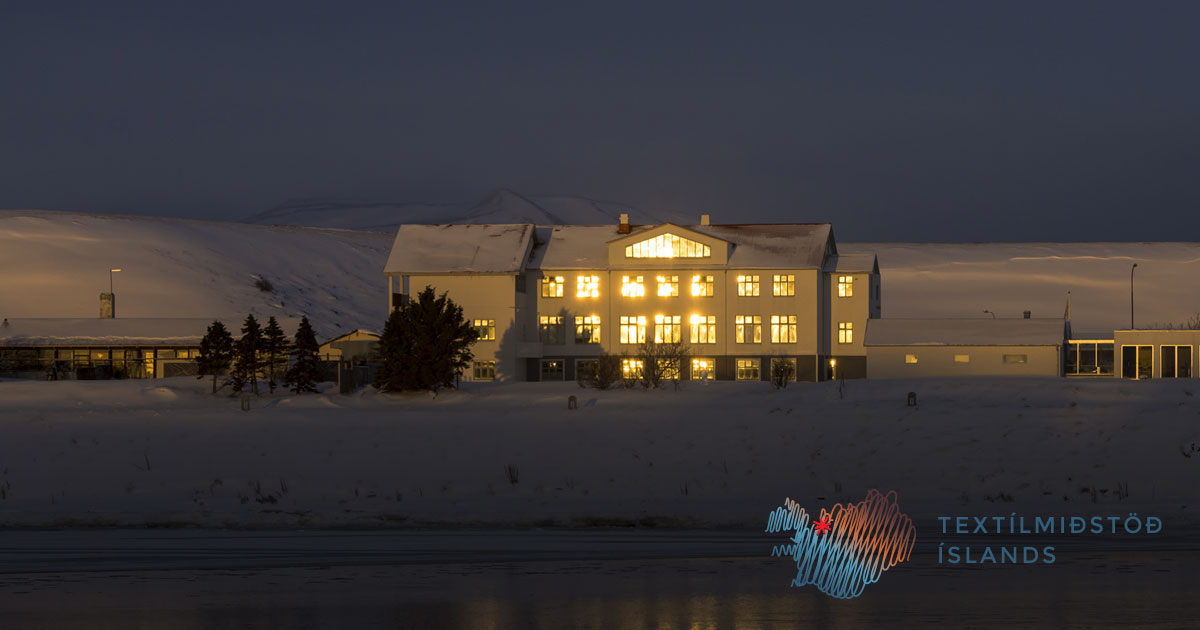
Textilmiðstöð Íslands – Icelandic Textile Center
Blönduós, Iceland
The Textile Centre residency is located in Blönduós, northwest Iceland, and seeks to promote an atmosphere of creativity, experimentation and reflection for international artists and scholars working inside the textile field. Providing a working environment that supports the artistic or research process with equipment specific for textiles, we hope to give you uninterrupted time for creative exploration.Founded in 2005, the Textile Center first opened its doors to

The Icelandic Textile Center
Blönduós, Iceland
The Icelandic Textile Center, located in Blönduós, Iceland, is a prominent institution for textile arts and research. It is housed in a historic building, the former Women's College in Blönduós, and focuses on fostering collaboration and research in textiles and regional development. The center offers a residency program, Ós Residency, which accepts submissions from textile artists and scholars throughout the year. Additionally, the center is involved in distance education services and supervises the "Námsver." The TextileLab at the Icelandic Textile Center is a significant feature, offering access to state-of-the-art digital textile equipment and expertise. This includes two Tc2 digital looms, a felt loom, laser cutter, laser printer, digital embroidery machine, and digital knitting machine. The TextileLab was formally opened in May 2021 by Icelandic ministers and received a development grant from the Icelandic Infrastructure Fund. It is part of the center's ongoing European collaboration CENTRINNO, funded by the Horizon2020 research and innovation program.
Browse by discipline in Blönduós
Filter in Blönduós
Been to a residency in Blönduós?
Share your review