Artist Residencies in Cairo
3 residenciesin Cairo, Egypt
Why Cairo pulls artists in
Cairo is intense, deep, and rarely neutral. It’s a city where archaeological sites, craft workshops, and contemporary galleries sit in the same daily commute. Residencies here tend to attract artists who are curious, resilient, and ready to rethink how they work.
If your practice touches history, urban space, archives, craft, or political and social questions, Cairo is a strong fit. You can work in the morning, walk past a Coptic church and an early mosque on your lunch break, then end the day at an opening or video screening.
Artists usually come to Cairo for a mix of reasons:
- Layered history: Pharaonic, Coptic, Islamic, Ottoman, and modern eras are all visible and usable as material.
- Active contemporary ecosystem: Galleries, independent spaces, festivals, and residencies cluster around Downtown, Garden City, Zamalek, Dokki, Mohandessin, and Old Cairo.
- Living craft traditions: Especially ceramics, metalwork, textiles, and wood in areas like Fustat.
- Regional hub: Cairo connects artists from Egypt, North Africa, the Levant, and international networks.
- Relative affordability: Costs fluctuate, but a residency here often stretches your budget more than in many European capitals.
It’s not an easy city, and that’s a big part of its appeal. Traffic, noise, bureaucracy, and sensory overload are real. Artists who work well here tend to be open to improvisation, patient with logistics, and excited by intensity rather than comfort.
The main residency options: how they actually feel
Cairo’s residency scene is diverse, from big institutions to small, network-based setups. The programs below come up often when artists research Cairo and can serve as anchors while you explore other options.
Darb 1718 – Historic context and craft on your doorstep
Area: Old Cairo / Fustat, near Mar Girgis metro
Type: Contemporary art and culture center with residency
Darb 1718 sits in the Fustat area of Old Cairo, surrounded by archaeological sites and living craft. Residents are housed in private rooftop accommodation in the historic center, with studio and presentation possibilities on site.
What makes Darb 1718 distinct:
- Immediate history: You’re a short walk from the Hanging Coptic Church, Amr ibn al-As Mosque, and the newly developed museum zone.
- Craft proximity: Across the street is the Fustat ceramic village, with hundreds of studios using traditional methods and local materials. Ideal for anyone working with clay, glaze, or craft histories.
- Multidisciplinary mix: Visual art, performance, research, and community projects all show up in their programming.
Darb 1718 suits visual artists, writers, researchers, and curators who want deep context more than a polished, international-district lifestyle. Old Cairo is less manicured than central neighborhoods, but creatively rich and grounded.
More info: TransArtists – Darb 1718
Goethe-Institut Cairo – White Villa Residency
Area: Dokki (west of the Nile, near Downtown)
Type: Institutional residency for artists from Germany, Europe, and the North Africa–Middle East region
The White Villa Residency places you inside the Goethe-Institut’s Dokki campus. You stay in residency rooms at the institute, with programming designed to connect you to Cairo’s cultural events, artists, and curators.
Why artists choose it:
- Structured environment: Stable housing and institutional backing help you focus on work instead of logistics.
- Good location: Dokki is connected to Downtown by metro, taxi, or a reasonable walk. You can reach many galleries within 15–30 minutes.
- Networking: Goethe’s long-term presence in Cairo comes with contacts, events, and credibility in both local and international circles.
This residency suits artists who appreciate institutional structure, clear programming, and cross-regional dialogue. It’s especially relevant if you’re already working with German or European cultural networks.
More info: Goethe-Institut Cairo – Residency
Out Of The Circle – New media, research, and city guidance
Area: Mohandessin, central Cairo
Type: Ongoing residency for international visual and digital artists, curators, and researchers
Out Of The Circle focuses on digital and time-based media and research-heavy practices. You live in a shared apartment hosted by the curator, with a private double room and shared workspace, living room, kitchen, and bathroom.
Key features:
- Hands-on support: They actively help you map the city, meet local artists, and connect with organizations that fit your interests.
- Media focus: If you work with video, digital art, or experimental formats, you’re in the right company.
- End-of-stay presentation: Residents typically share their work publicly at the studio, which helps you test ideas in front of a local audience.
This option suits artists who want a guided entry into Cairo’s art scene, especially in new media. The setup is intimate and network-driven rather than institutional and large-scale.
More info: Res Artis – Out Of The Circle
ARD Art Institution – Central, structured, and mixed-media
Area: Garden City (central, residential, near the Nile)
Type: Contemporary art institution with residencies, exhibitions, and workshops
ARD was founded in 2022 and sits in Garden City, a calm neighborhood with embassies, historic mansions, and tree-lined streets. The residency is open to international artists across craft, photography, drawing, film/video/new media, painting, sculpture, and mixed media.
What to know:
- Program mix: Residencies often connect to exhibitions and workshops, so you’re not isolated from the institution’s public-facing work.
- Neighborhood feel: Garden City is quiet but very central, within easy reach of Downtown and Zamalek.
- Fee-based: The last open call listed around USD 1,500 per month or 400 per week, so budgeting matters.
ARD works well if you want a structured, central base with a clear program and you’re prepared to self-fund or bring external support.
More info: Art Residency Africa – Cairo overview including ARD
ANUT Art Residency – Craft-focused collaboration
Area: Cairo (craft-oriented networks)
Type: Residency linking artists and craftspeople
ANUT’s residency program is built around collaboration with a network of craftspeople, connecting Egyptian and international artists to a craft community. It emphasizes long-term cooperation and mutual inspiration rather than quick, extractive projects.
Good for:
- Material-based artists and designers.
- Practitioners interested in craft knowledge, traditional techniques, and collaborative processes.
- Researchers focusing on labor, technique, or production ecologies.
If your work grows from conversation with makers and workshop environments, ANUT is worth following.
More info: ANUT Cairo – Art Residency
Other programs and open calls
Beyond these anchors, additional Cairo residencies appear as open calls, often through networks like Res Artis and TransArtists. One recent Res Artis listing advertised a Cairo residency with a weekly fee, three-week minimum stay, and two-month maximum, including accommodation and support.
For ongoing discovery, it helps to monitor:
- Res Artis
- TransArtists
- Local organizations’ websites and social media (Darb 1718, Medrar, Townhouse, Mashrabia, ARD, Out Of The Circle).
Choosing your neighborhood: how location shapes your stay
Because Cairo is sprawling and traffic-heavy, your neighborhood will affect almost everything: studio time, social energy, and how often you attend events.
Downtown – Intensity and access
Downtown is dense, historic, and packed with life. It has a concentration of galleries, bookshops, cafes, and artist-run spaces, plus easy access to public transport.
Good if you want:
- Walking between multiple art spaces in a single evening.
- Affordable cafes and street food alongside older cinemas and bookstores.
- A constant sense of movement and visual overload.
Zamalek – Central, calmer, gallery-heavy
Zamalek is an island on the Nile, known for galleries, cultural centers, and embassies. It’s more relaxed than Downtown but still central.
Good if you want:
- Regular gallery openings and institutional events.
- A mix of higher-end cafes and residential streets.
- A location easy for visiting curators and international guests to reach.
Garden City – Quiet and central
Garden City offers tree-lined, residential streets and a quieter atmosphere while being minutes from Downtown by taxi. ARD Art Institution is based here.
Good if you want:
- A calm place to work and sleep.
- Centrality without being in the middle of crowded commercial zones.
- Walks along the Nile between studio sessions.
Dokki – Practical and connected
Dokki sits on the west bank of the Nile opposite Downtown and is well served by metro and roads. Goethe-Institut’s White Villa is located here.
Good if you want:
- A practical base with quick access to Downtown, Zamalek, and Giza.
- Institutional neighbors and educational spaces.
- Short commutes in multiple directions.
Mohandessin – Everyday centrality
Mohandessin is a busy residential and commercial area, more about daily city life than curated cultural infrastructure. Out Of The Circle uses this as a base.
Good if you want:
- A glimpse of Cairo beyond the museum-and-gallery circuit.
- Access to shops, cafes, and services used by locals.
- Reasonable travel times to Zamalek and Downtown by taxi.
Old Cairo / Fustat / Mar Girgis – History and craft
This area holds some of Cairo’s most important archaeological and religious sites, plus the Fustat ceramic village. Darb 1718 is located here.
Good if you want:
- Daily contact with craft practices and historic architecture.
- Distance from the hyper-commercial center, but with metro access.
- A slower, context-rich working environment.
Cost, logistics, and how to actually work here
Budgeting realistically
Costs fluctuate with exchange rates, but some patterns hold:
- Food: Local meals and street food are still relatively affordable. International restaurants and imported products add up quickly.
- Transport: Metro is very inexpensive and the fastest way to cross long distances. Taxis and ride-hailing apps remain cheaper than in many global capitals.
- Housing: Short-term furnished rentals in Zamalek, Garden City, and some central areas can be the biggest expense if not provided by the residency.
- Production: Materials for painting, drawing, and basic media are generally accessible; specialty equipment or imported gear may be more costly.
When comparing residencies, ask very specifically:
- Is accommodation included? Shared or private?
- Is studio space guaranteed, or do you work from your room?
- Are any materials, equipment, or production grants offered?
- Are there presentation costs (printing, installation, tech) you need to cover?
Studios and making spaces
Studio structures vary by residency. Some, like Darb 1718, give you on-site studio space and nearby workshops. Others, like apartment-based programs, rely on shared workrooms.
Beyond residencies, artists often plug into:
- Shared studios and collectives: Informal networks around Downtown, Zamalek, and central neighborhoods.
- Gallery-linked spaces: Some galleries provide studio or project space to affiliated artists.
- Craft workshops: Especially in Fustat’s ceramic village, where you can learn from established artisans and access kilns.
Key art spaces to visit while in residency
Even if you aren’t staying with these organizations, their programs are useful anchors for understanding Cairo’s scene:
- Townhouse Gallery: Long-standing independent space with exhibitions, archives, and public programs.
- Mashrabia Gallery of Contemporary Art: Commercial gallery that also supports emerging artists and cross-cultural exchange.
- Medrar for Contemporary Art: Important for video, digital arts, and experimental practice; host of the Cairo Video Festival.
- Darb 1718: Exhibitions, performances, and community events in Old Cairo.
- Goethe-Institut Cairo: Talks, screenings, and cross-cultural programming.
Spending time at these venues during your residency gives you a clearer sense of context and informal networks.
Moving around, visas, timing, and making the most of it
Transport and daily movement
Cairo requires some strategy to avoid spending your entire residency in traffic.
- Metro: Use it whenever possible for cross-city trips. Mar Girgis station is key for Old Cairo and Darb 1718; other central stations link Downtown, Dokki, and beyond.
- Ride-hailing apps and taxis: Good for medium distances or late at night. Try to travel outside peak rush hours when you can.
- Walking: Practical within Downtown, Zamalek, and parts of Garden City, less so for long cross-district routes.
- Microbuses: Very cheap but harder to decode if you don’t speak Arabic or know the routes; usually not essential for a short residency.
When you choose a residency, think about:
- How far your housing is from your studio or main work site.
- Whether you can walk to at least a few cultural spaces.
- Access to a nearby metro station to cut travel time.
Visas and paperwork
Visa policies shift, so always double-check with the relevant embassy or consulate and ask your host institution for current advice.
General points:
- Some nationalities can enter on a tourist visa or visa-on-arrival, which may cover shorter residencies.
- Longer stays might require supporting documents such as invitation letters, proof of accommodation, or proof of funds.
- Residencies vary in how much help they provide: some give official letters and guidance; others expect you to handle the process yourself.
Questions to send to the residency coordinator:
- Do you provide an official invitation letter with dates?
- Can you provide proof of accommodation?
- Have you previously hosted artists with my passport/nationality, and how did they handle visas?
- What length of stay do most artists use, given current visa rules?
When to be in Cairo
Temperatures shape how productive you can be, especially if your studio or housing isn’t heavily air-conditioned.
- Most comfortable: roughly late autumn to early spring, when temperatures are milder and moving around the city is easier.
- More challenging: peak summer months, when heat can make daytime work and long commutes exhausting.
Application cycles vary: some programs are rolling, others open calls once or twice a year. As a rule of thumb, try to apply three to six months ahead, and keep an eye on Res Artis, TransArtists, and host websites.
Plugging into local communities
The real value of a Cairo residency often comes from people you meet, not just the work you produce.
Ways to build real connections:
- Openings and screenings: Regularly check the schedules of Townhouse, Mashrabia, Medrar, Darb 1718, ARD, and Goethe. Openings are social and networking-friendly.
- Workshops and talks: These often draw local students, independent artists, and curators who can introduce you to other networks.
- Studio visits: Ask your residency host to help arrange mutual studio visits with Egyptian artists.
- Craft visits: If you’re in Old Cairo, spend time in Fustat’s ceramic village; in other areas, ask around for textile or metal workshops.
When planning your project, leave room for conversation and improvisation. Cairo rarely fits neatly into pre-written proposals, and that flexibility often leads to the strongest work.
Comparing residencies: quick orientation
Here’s a simple way to think about some of the main options:
- Darb 1718 (Old Cairo): Best if you want historic depth, craft access, and a multidisciplinary, context-heavy environment. More immersion, less polish.
- Goethe-Institut White Villa (Dokki): Best if you want institutional backing, structured programming, and a cross-regional context with stable housing.
- Out Of The Circle (Mohandessin): Best if you’re focused on digital/new media, research, and want strong personal guidance into Cairo’s networks.
- ARD Art Institution (Garden City): Best if you want a central, structured program with exhibitions and are prepared for a fee-based model.
- ANUT Art Residency (craft-focused): Best if you’re committed to working closely with craftspeople and treating craft as a central collaborator.
Whichever program you choose, Cairo will likely challenge your routines and add new layers to your practice. Plan enough structure to stay grounded, but keep your schedule loose enough for the unexpected conversations, detours, and invitations that make a residency here memorable.
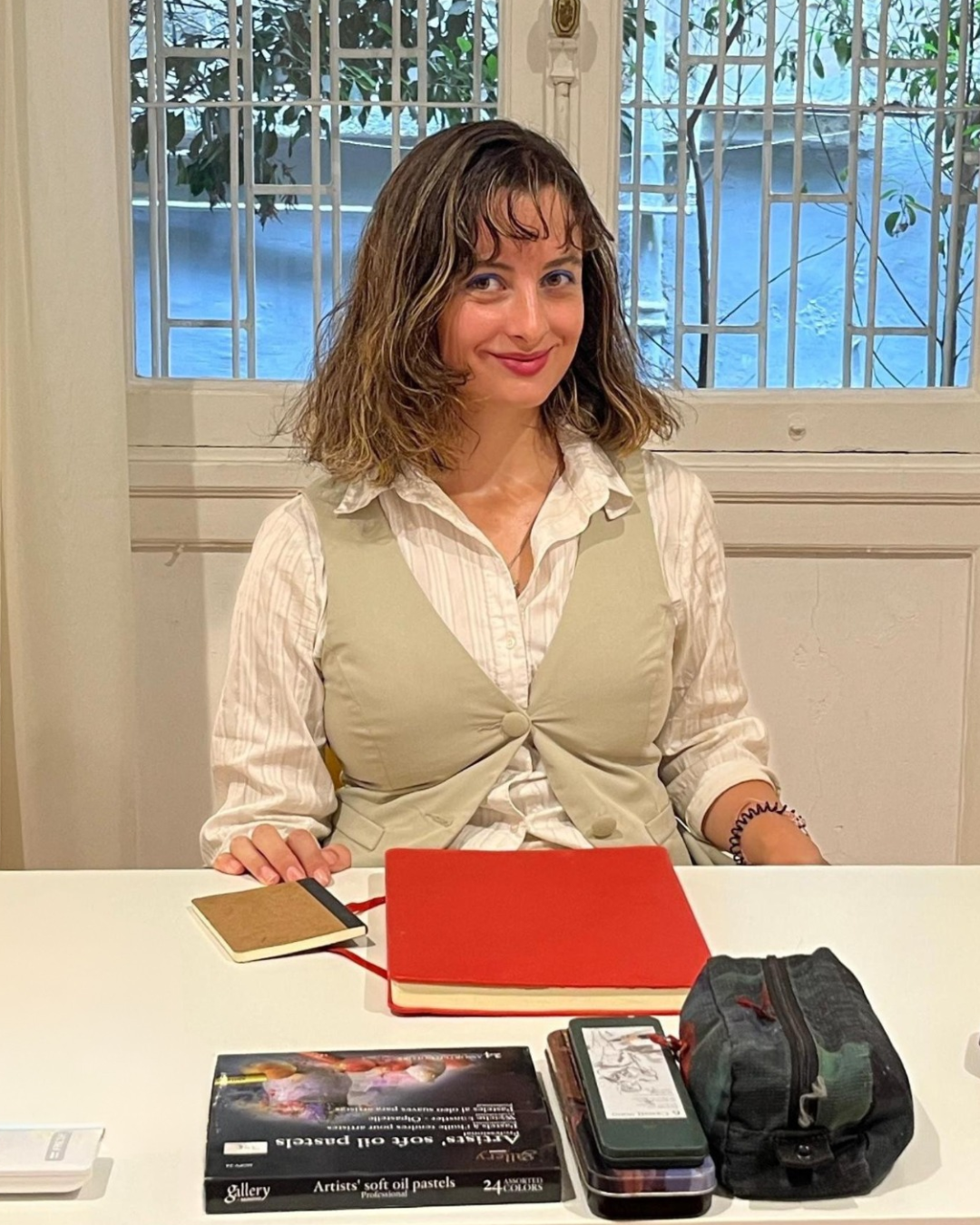
ARD Art Institution
Cairo, Egypt
ARD International ResidencyARD International is a process-based, one-to-three month artist residency that includes talks, workshops, and exhibitions by resident practitioners.We receive international artists from all domains in specially equipped studios to develop and present their artistic projects that will also intersect with the production of other parallel events such as exhibitions and workshops held in ARD, on an ongoing basis. Thus, art practitioners can test and deve
Out Of The Circle
Cairo, Egypt
Our ongoing art residency is for international visual and digital artists, curators, and researchers, who would like to explore a unique blend of contemporary Egyptian life, as well as its traditions, arts, and culture. It offers an opportunity for artists working with digital mediums to explore connections and find relevance between technology, society, and art.Residents are invited to first conceptualize and then realize a specific project dur
Townhouse Gallery
Cairo, Egypt
Townhouse Gallery's Artist in Residence programme is considered one of the cornerstones of the organisation's activities, offering resident artists access to artist networks across Cairo. The program provides private studio space within the gallery premises and local staff with active knowledge of the arts scene, enabling residents to engage their work with the city and its people. International artists hold residencies at the Townhouse while pursuing independent projects in the city, often leading workshops during their stay.
Browse by discipline in Cairo
Filter in Cairo
Been to a residency in Cairo?
Share your review