Artist Residencies in Cambridge
4 residenciesin Cambridge, United States
Why Cambridge works so well as a residency city
Cambridge is compact, intense, and surprisingly layered for its size. If your practice thrives on research, conversation and time to think, it’s a strong place to land for a residency.
The big pull is the university ecosystem. You’ve got colleges, labs, libraries, museums, archives and research centres all packed into a walkable or bikeable space. That’s a huge advantage if you’re working with science, history, archives, socially engaged projects, or anything that needs deep context rather than just a studio and white walls.
The city isn’t about a big commercial gallery circuit. Its strengths sit in:
- Research-led practice – working closely with academics, scientists, curators or archives
- Interdisciplinary and experimental work – especially art and science, performance, and socially engaged projects
- Artist development – residencies, fellowships, and support schemes
- Modest-scale exhibitions and events – talks, college shows, project spaces and artist-led activity
If you want a full-time sales-focused gallery scene, Cambridge can feel small. If you want time, access and serious conversations, it’s extremely fertile.
Key residency programmes in and around Cambridge
Residencies here range from highly supported fellowships with housing and production budgets to short, low-cost studio opportunities. Choosing the right fit comes down to how much structure, funding and city contact you need.
Cavendish Arts Science Fellowship at Girton College
Good for: artists working across art and science, especially with an interest in physics, research, or speculative/experimental practice.
The Cavendish Arts Science Fellowship is one of the most substantial residency-style offers in Cambridge. It’s a one-year fellowship delivered with Girton College, built around the Cavendish Arts Science ethos of experimenting, decentring and re-imagining.
Core structure and support:
- Length: one-year fellowship, with a residency period in Cambridge usually at least six months and potentially up to the full year
- Stipend: around £10,000 towards living costs and expenses
- Accommodation and meals: rent-free at Girton College during the residency period
- Production budget: £10,000 to develop new work
- Travel budget: up to £3,000 depending on where you’re based
You’re placed in contact with physicists and other researchers linked to the Cavendish Laboratory. The emphasis is not on illustrating science, but on challenging how knowledge is produced and shared, and on building new approaches within your own practice.
Who this really suits:
- Artists who like long, research-heavy arcs and are comfortable working in a lab, college or research setting
- Practices that evolve through conversation, conceptual development and experimentation rather than fast production deadlines
- Artists interested in communities that are not usually centred in mainstream narratives or institutions
In funding terms, this is one of the most robust options: your housing, some living costs, travel and production are all supported. If you’re looking to base yourself in Cambridge for a meaningful chunk of time, this is a standout offer.
Girton College Artist in Residence schemes
Good for: artists interested in college life, cross-disciplinary dialogue, and a slower, more embedded approach.
Alongside the Cavendish Arts Science Fellowship, Girton College has a track record of hosting artists in residence across different disciplines. These are usually structured around an academic year, with the artist living and working at the college, engaging with students, researchers and college communities.
What to expect:
- A long residency period (often an academic year)
- Regular interaction with students, fellows and college staff
- Workshops, talks, exhibitions or open studios woven into college life
- Intense proximity to a broad mix of disciplines, from sciences to humanities
This style of residency suits artists who like slow-burn projects: developing work across a year, testing ideas through teaching, discussion and public events, and being immersed in one college as a micro-community.
Wysing Arts Centre residencies
Good for: contemporary artists with experimental, research-based or process-driven practice who are comfortable in a rural setting.
Wysing Arts Centre is about 10 miles outside Cambridge and is one of the UK’s key contemporary art residency centres. It runs a range of programmes, but its core residencies are usually invitation-based: around a dozen artists each year, selected by a research-active curatorial team.
The experience:
- Immersive time on a rural site with studios, accommodation and shared spaces
- Space for experimentation across media, often with a strong discursive or critical frame
- Connection to a network of artists, curators and institutions in the UK and internationally
If you’re not already in conversation with Wysing, their public events, exhibitions and open days are useful entry points. Even if you’re based in the city with another residency, it’s worth visiting the site and paying attention to how they structure research and support.
Fen Ditton Gallery Artist Residency
Good for: artists and photographers interested in landscape, ecology and the Fens, who are comfortable paying a modest fee for a live–work setup.
The Fen Ditton Gallery residency is a live-in, short-term residency in a gallery-house setting in Fen Ditton, a village just northeast of Cambridge. It focuses on work that responds to the local environment, nature and conservation.
What it offers:
- Duration of roughly 2 weeks to 1 month
- Double room with private bathroom in the gallery house
- Use of workspace and facilities
- Close contact with a host who is actively engaged with photography and the natural world
Costs and expectations:
- Residency fee of about £250 per week
- You cover your own materials and general living costs
- Selection based on a proposal; shortlisted artists may be interviewed
This suits artists who want to focus on the Fens, landscape and environmental themes, and who like an intimate, conversational residency environment rather than a large institutional structure.
Cambridge Artworks & Artspace – Caravanserai residencies
Good for: artists who mainly need short, concentrated studio time in a communal city setting and can arrange their own accommodation.
Cambridge Artworks and Artspace run a Caravanserai residency using a custom caravan converted into a studio. It’s hosted within an existing artist studio community in central Cambridge and runs as short-term blocks.
Typical format:
- Residencies of roughly 2–4 weeks
- Dedicated caravan studio space within an active studio complex
- No fee for the residency itself
- No accommodation or living costs covered
This residency is essentially a focused workspace window: ideal if you’re already in Cambridge or can commute, or if you’re combining it with your own housing solution. The big benefit is proximity to an artist-run community and the city centre, giving you both productive studio isolation and social contact.
Cambridge Junction – residencies and performance development
Good for: performance makers, interdisciplinary artists and regional practitioners working with live or experimental forms.
Cambridge Junction is a performance and live arts venue that runs a spectrum of artist development offers, including residencies, support and an artist club called Troop.
What you can access:
- Studio and stage-based residencies for performance projects
- Troop membership for artists and producers in Cambridge and the East of England
- Masterclasses with visiting companies and artists
- Showcasing opportunities such as Views From The ‘Bridge
- Connections into experimental performance platforms like DISRUPT
If your residency needs rehearsal space, technical support or audience contact, Cambridge Junction is critical. Even if your main residency sits elsewhere (for example, at a college), it’s worth talking to Junction early about potential overlaps or sharings.
How to choose the right Cambridge residency
When you compare these programmes, a few practical questions help clarify what will actually support your work.
Funding and housing
Cambridge is relatively expensive for housing compared with many UK cities, so the funding structure matters a lot.
- Fully or strongly supported options: the Cavendish Arts Science Fellowship and some college-based schemes include housing and, at minimum, a stipend or honorarium. These are realistic if you’re coming from outside the region or internationally.
- Partially supported or self-funded options: Fen Ditton Gallery provides housing but charges a weekly fee; Caravanserai offers workspace only, no housing. These are easier if you’re already UK-based, have separate income, or can combine them with other funding.
- Invitation-based residencies: Wysing often includes accommodation and research support, but access depends on relationships and curatorial selection rather than open application cycles.
A simple rule: if housing isn’t part of the package, factor in local rent or short stays early and be realistic about how much production you can afford to do on site.
Practice type and institutional fit
Cambridge rewards clarity on how your practice connects with its strengths:
- Art and science / research-led work: Cavendish Arts Science is a natural fit, and so are college schemes and the university museums.
- Performance and live art: Cambridge Junction, and any residency that can partner with it, becomes central.
- Landscape, ecology, the Fens: Fen Ditton Gallery’s residency is built around this focus.
- Experimental contemporary practice: Wysing Arts Centre and artist-led spaces like Cambridge Artworks.
You don’t need to already speak academic language, but you do need a practice that can benefit from research conversations. If the main thing you want is cheap space to produce a finished solo show, another city might be more efficient.
Length and intensity
Think about how long you realistically need to do meaningful work in Cambridge:
- Year-long or half-year residencies: good for deeply embedded projects, collaborations with labs or departments, or substantial shifts in your practice.
- 2–4 week residencies: better for initial research sprints, testing new directions, or concentrated making within a limited scope.
- Rural vs urban: Wysing and Fen Ditton offer more isolation and focus; central residencies and college schemes plug you into daily events, talks and openings.
Living and working in Cambridge during a residency
Once you’re in, the city is easy to move around and pretty efficient for artist life, as long as you plan housing and transport.
Cost of living basics
Cambridge’s main cost pressure is rent. Short-term sublets near the centre, especially around college clusters, can be high. Food and transport sit in the mid-range: not cheap, but usually a bit less shocking than London.
To keep things workable:
- Prioritise residencies that include accommodation if you’re travelling in
- Ask your host about college rooms, artist house-shares or local networks for sublets
- Plan materials and production realistically in relation to any stipend or external funding
Neighbourhoods and areas artists tend to use
The city is small enough that you can base yourself in several different areas and still bike to most key sites within 20–25 minutes.
- Central Cambridge: closest to colleges, museums, Kettle’s Yard, galleries and some studios. Great for day-to-day access, but housing can be expensive and limited.
- Mill Road / Romsey: often popular with artists and students. Lots of independent shops, cafes and a mix of communities, plus good access to the station and centre.
- Petersfield and areas around the station: convenient if you expect to travel to London or other cities; easy walk or bike to central sites.
- Castle, Arbury, King’s Hedges: more residential, sometimes slightly more affordable depending on the market.
- Fen Ditton: village feel, good if you’re at Fen Ditton Gallery or you want immediate access to river paths and countryside.
- Near Wysing Arts Centre: rural and quiet; fantastic for focus, but you’ll be relying on car or occasional transport for city visits.
Art spaces and institutions to plug into
Even if your residency is centred on one host, the wider ecology matters. Some key spaces:
- Kettle’s Yard: essential for contemporary art, exhibitions, talks and a historically rich collection.
- University museums and collections: including scientific, archaeological and cultural collections that are gold for research-based practice.
- Cambridge Artworks & Artspace: active studio communities and occasional residencies/exhibitions.
- Wysing Arts Centre: crucial for experimental contemporary art in the region; visit even if you’re not on site there.
- Cambridge Junction: core venue for performance and live work.
- College galleries and exhibition spaces: many colleges host shows, talks and small project spaces; once you’re attached to one institution, others open up more easily.
Much of Cambridge’s art community is networked through events, private views, public talks and college activities. During your residency, saying yes to invitations and showing up in person goes a long way.
Getting around
The default way to move through Cambridge is a bike. It’s usually the fastest option, and most residencies either provide one or can point you to a cheap second-hand source.
- Bike: ideal for city and nearby villages, including many college and studio sites.
- Bus: useful for certain routes, but can be slower than cycling.
- Walking: realistic if you’re based near the centre or your host institution.
- Train: strong links to London, Ely, Norwich, Peterborough and other towns; handy for openings, meetings and weekend trips.
If your residency is rural (Wysing, some village setups), clarify transport with your host: is there a shared car, a regular bus, or will you plan infrequent but focused trips into the city?
Visas, timing and application strategy
For UK-based artists, residencies are mainly a question of funding and logistics. For international artists, visas and timing add another layer.
Visa basics for international artists
Visa options depend on your nationality, how long you’ll be in the UK, how the residency is classified, and whether you receive a stipend or fee.
Before committing, ask the host institution:
- Is the opportunity treated as employment, a fellowship, study, or something else?
- Does the organisation sponsor visas or provide letters of support?
- Is the stipend taxable, and how is it paid?
- What public outputs are expected (exhibitions, talks, performances) and how might they interact with visa rules?
- Are there precedents of international artists completing the programme, and on which visa types?
Most established institutions and colleges will have dealt with similar situations and can at least outline what has worked for artists in the past. Still, you may want independent immigration advice for long or complex stays.
When to be in Cambridge
The city has different rhythms across the year, which can shape your residency experience.
- Spring and early summer: busy campus life, pleasant weather, lots of events and energy.
- Autumn: strong academic momentum; good time to start a longer residency and meet people early in the academic cycle.
- Summer: useful for quieter studio time; you get tourists and graduation waves, but often fewer competing academic demands.
When you plan your application strategy, map your project onto this rhythm. A research-heavy start in autumn with a public event towards late spring, for example, can work very well within the university calendar.
Using Cambridge residencies strategically
Cambridge is at its best when you treat a residency as more than just time in a room. The density of researchers, students, artists and institutions means that the relationships you build can outlast your stay.
If you’re planning to come:
- Choose the residency whose structure (funding, length, housing) honestly matches your needs
- Arrive with a research focus but keep space for the city and its people to change your plans
- Use open lectures, college events and public programmes as a way to meet collaborators
- Stay in touch with hosts and peers after you leave; Cambridge networks are geographically small but globally connected
Handled well, a Cambridge residency can give you not only work and time, but an ongoing set of alliances and ideas that keep feeding your practice long after your bike is returned and your college room is empty.

Cavendish Arts Science
Cambridge, United Kingdom
The Cavendish Arts Science Fellowship at Girton College, University of Cambridge, offers a unique interdisciplinary opportunity that blends artistic creativity with scientific inquiry. This one-year fellowship, generously supported by Una Ryan, is designed for artists to engage with cutting-edge physics research and experiment with new forms of practice that push conventional boundaries. It aims to facilitate adventurous artists in exploring alternative ways of understanding and re-imagining the world through the prism of both the arts and the sciences. The fellowship includes a stipend, rent-free accommodation, meals at Girton College, and substantial budgets for production and travel, making it a fully supportive environment for creative and scientific exploration.

Ecotones Arts at Field Stations and Marine Labs
Cambridge, United States
Ecotones is a consortium of biological field stations and marine labs hosting artist residencies and arts activities at the intersection of art, science, and environment. Varies by site: 1 day-1 year; check individual programs for details.
MIT Theater Arts
Cambridge, United States
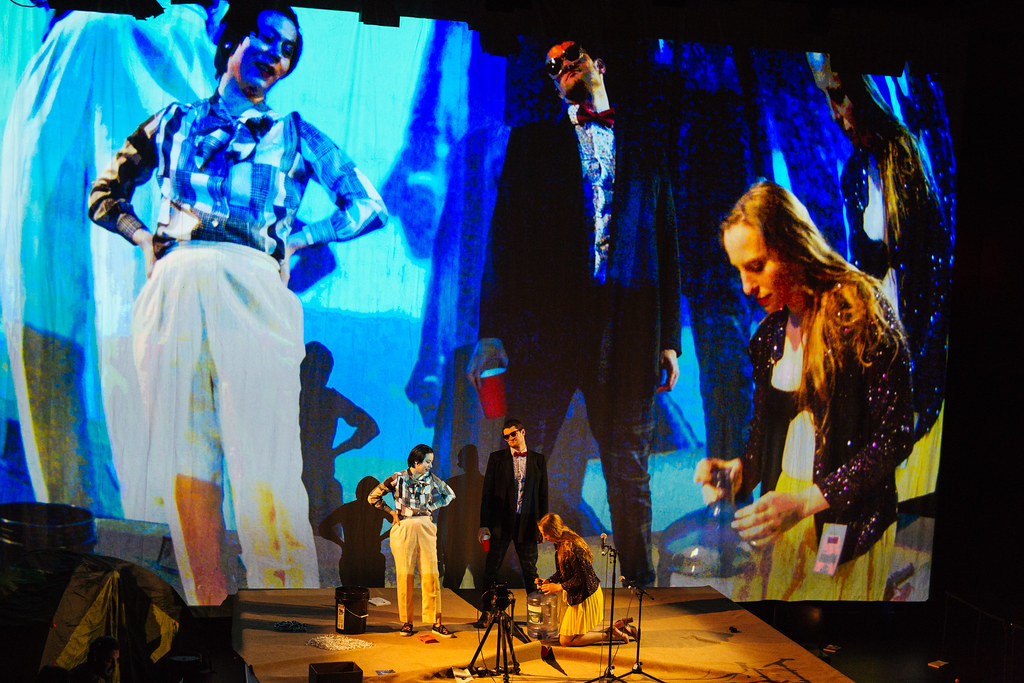
The MIT Theater Arts Artists-in-Residence Program invites guest artists and professionals from the industry to join the department for residencies and workshops, serving as an educational resource for faculty, students, and staff. Residencies vary in length from a few hours to an entire semester, during which artists lecture, lead projects, teach master classes, and direct full-length productions. The program is supplemented by collaborations with the Center for Art, Science & Technology (CAST), embedding artists in MIT's research and teaching environment.
Wysing Arts Centre
Cambridge, United Kingdom
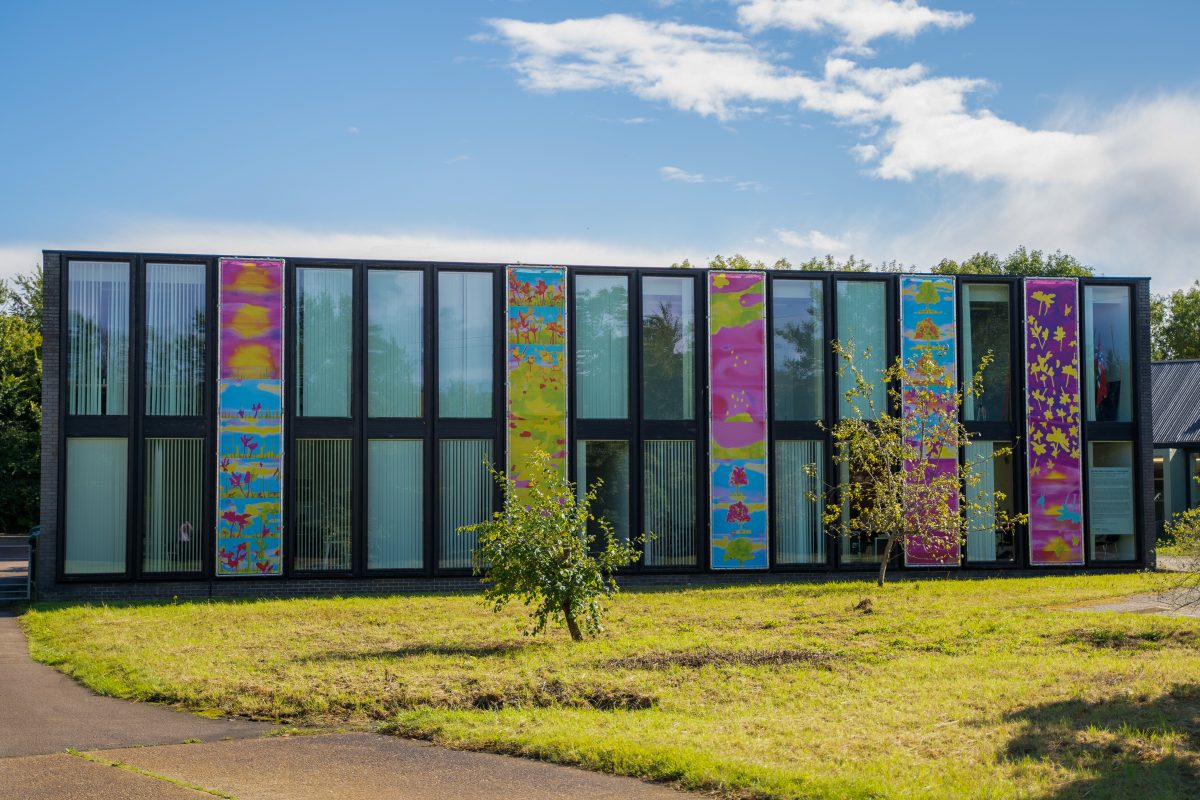
Wysing Arts Centre is a contemporary arts residency centre in South Cambridgeshire, England, focused on artistic production, experimentation, and learning. Its main activity is an international residency programme where around twelve artists per year are selected by invitation through a process led by the research-active programme team. The centre provides facilities including 24 low-cost artists' studios, specialist new media facilities, a ceramics studio, recording studio, gallery, and accommodation in a 17th-century farmhouse.
Browse by discipline in Cambridge
Filter in Cambridge
Been to a residency in Cambridge?
Share your review