Artist Residencies in Curacautín
1 residencyin Curacautín, Netherlands
Why Curacautín works so well as a residency base
Curacautín is a small Andean town in southern Chile, surrounded by native forests, hot springs, and active volcanoes. You do not come here for a gallery district or nightlife. You come for time, landscape, and encounters with rural and Indigenous contexts that can reframe your work.
The draw for artists is very specific:
- Volcanic and forest landscapes for fieldwork, photography, sound recording, drawing, and site-specific pieces.
- Ecology and land stewardship as a daily reality, not a concept on a screen.
- Proximity to Mapuche and Pehuenche territories, which opens space to rethink knowledge systems and narratives.
- A slow pace and enough distance from big-city art scenes to actually focus.
Think of Curacautín less as a city and more as a working base in a wider landscape. Residencies here often function as research labs, field stations, and community nodes rather than production factories with fixed outcomes.
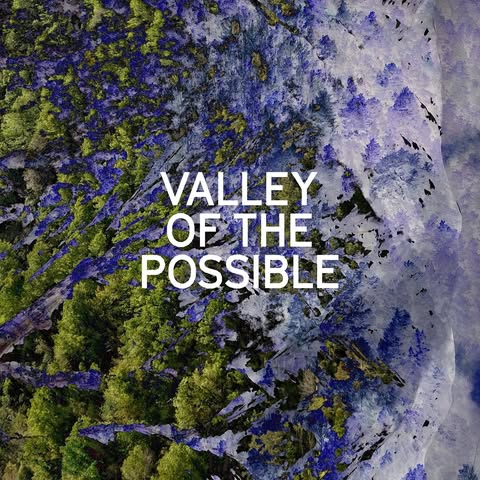
Valley of the Possible: the key residency near Curacautín
Location: Camino Cañon del Blanco km 12, Curacautín, La Araucanía Andina, Chile
Website: valleyofthepossible.com
What Valley of the Possible is about
Valley of the Possible is an independent cultural non-profit founded by Dutch artists Mirla Klijn and Olaf Boswijk. It runs artist residencies and research programs in Cañon del Blanco near Curacautín and also at Gagel Farm in the Netherlands.
The program is built around a few core threads:
- Ecology and sustainability in direct relation to land and weather, not as abstract themes.
- Indigenous and non-Western knowledge, with an emphasis on listening, context, and long-term relationships.
- Regenerative agriculture and land stewardship as part of daily life.
- Interdisciplinary research involving artists, scientists, and cultural practitioners.
The tone is reflective and research-based. Output can be writing, installation, sound, performance, drawing, field notes, or a different way of working altogether. There is room for doubt, unfinished work, and long-term projects.
Who this residency suits
Valley of the Possible tends to be a good fit if you are:
- Working with climate, ecology, land, or more-than-human relationships.
- Interested in Indigenous knowledge, decolonial approaches, and non-extractive research.
- Comfortable with self-directed projects and not needing a tight production schedule.
- Open to interdisciplinary exchange with researchers, local collaborators, and other residents.
Media-wise, the program is flexible: visual artists, writers, curators, architects, designers, and interdisciplinary practitioners all show up here. The shared denominator is a willingness to treat place as a co-author, not just a backdrop.
How the residency is set up
Based on residency listings and public information, you can expect:
- Small cohort: up to around six residents at a time, so you actually get to know each other.
- Length of stay: often one to three months, depending on the program cycle.
- Housing: private or shared rooms in a rustic lodge-style setting.
- Workspaces: shared studios, simple work areas, outdoor space, and a small library.
- Common spaces: a traditional Chilean communal fireplace, reading areas, and communal kitchen/dining.
- Activities: optional workshops, field trips, talks, readings, community encounters, and group discussions.
You are encouraged to set your own rhythm: some residents spend long stretches walking, mapping, recording, or gardening; others work mainly in the studio and treat the landscape as a reference rather than a canvas.
Program themes and examples
Valley of the Possible often builds programs around themes like:
- Indigenous ecological knowledge and food systems.
- Experimental architecture and vernacular construction.
- Human–nature relationships and speculative futures.
Past projects have woven together Black and Indigenous perspectives on land, experimental building methods, and community-led ecological restoration. The emphasis is on processes that can continue beyond the residency rather than a single final show.
How to approach an application
Valley of the Possible typically runs open calls for its Chilean and Dutch programs. The Chilean site leans into landscape and intercultural work; the Gagel Farm site in the Netherlands carries similar threads in a different ecology.
For an application, you will usually need:
- CV or resume with relevant projects and exhibitions.
- Project or research proposal with clear questions or intentions, not just outputs.
- Portfolio or links to existing work.
- A concise statement connecting your practice to place, ecology, and knowledge systems.
Focus less on promising a big finished piece and more on how you want to work with land, community, and context. Programs like this tend to respond better to thoughtful, site-sensitive proposals than to generic “I need studio time” applications.
The local art and cultural ecosystem
Curacautín is not a city with a museum mile. It is a small town where art activity is often embedded in residencies, community spaces, schools, and occasional cultural events.
Studios, galleries, and where work actually happens
You are unlikely to find a string of white-cube galleries. Instead, you will probably encounter:
- Residency studios and barns turned into temporary workspaces and exhibition rooms.
- Community centers or municipal cultural houses hosting periodic shows and workshops.
- Outdoor and site-specific works in fields, forests, or around local infrastructure.
Valley of the Possible is the main structured hub for contemporary art research near Curacautín. It sometimes hosts open studios, talks, and informal presentations to share works-in-progress or outcomes with invited guests and local communities.
For more formal exhibition contexts, many artists use Curacautín as a production and research base and then show the work later in cities such as Temuco, Valdivia, or Santiago.
Regional art connections
If you want to build a wider network while you are in the south, it can help to plan side trips or later visits to:
- Temuco: regional capital with universities, cultural centers, and more consistent programming.
- Valdivia: river city with a strong scene of experimental and contemporary projects, festivals, and independent spaces.
- Santiago: main concentration of museums, commercial galleries, and national institutions.
A Curacautín residency pairs well with a later city visit where you can show the research, meet curators, or follow up with institutions.
Practical living: costs, areas, and materials
Cost of living and everyday budget
Curacautín is generally more affordable than larger Chilean cities, though costs can climb if you rely on long car transfers or imported products.
Roughly, you can expect:
- Food: local markets and small supermarkets offer basic staples at moderate prices. If you eat mainly fresh, seasonal, and local food, costs stay manageable; imported specialty items are pricier.
- Accommodation outside residencies: simple guesthouses, cabins, or hostels; prices vary depending on how close you are to main roads and hot springs.
- Transport: local buses and shared taxis are affordable but not frequent. Private transfers or car rentals add up quickly.
- Materials: basic stationery and hardware are available, but dedicated art supplies are limited. Plan to bring essentials or ship key materials in advance.
Residencies often bundle housing and workspace into a single fee or funded package, which can make budgeting much simpler.
Where to stay if you are not in a residency
Curacautín is compact, so you will not be choosing between many different neighborhoods. Think instead in terms of “town” versus “countryside.”
- In town (near the center): Best if you want walking access to shops, markets, buses, cafes, and basic services. This works well if you are doing writing-heavy or laptop-based research and just need occasional excursions into nature.
- Rural areas around Cañon del Blanco and beyond: Ideal if you want immersion in quiet, landscape, and night skies. Great for land-based practices, but check how you will move around; without a car, you may rely heavily on residency transport or planned rides.
For any rural stay, clarify in advance:
- How often you can get into town for supplies.
- If there is Wi‑Fi or mobile coverage and how reliable it is.
- Heating, insulation, and hot water arrangements, especially outside summer.
Materials and production strategies
Curacautín does not have a big art-supply infrastructure. To avoid headaches:
- Bring core tools and small-format materials that you know you rely on.
- Plan to work with what you can find: wood, earth, plants, sound, video, photography, drawing, writing, and digital tools adapt well here.
- Use trips to Temuco or larger cities to restock if your project needs specific paints, papers, or electronics.
This limitation can actually be helpful if you want to shift away from heavy production and toward research, scores, documentation, or lighter, more portable works.
Getting there, getting around, and visas
How to reach Curacautín
Most international visitors arrive in Chile through Santiago and then connect south. A typical route looks like this:
- Fly into Santiago.
- Fly or take a long-distance bus to Temuco.
- Take a regional bus or arranged transfer from Temuco to Curacautín.
Roads are generally good, but weather can influence travel times, especially in winter. If you are heading to a rural residency site, confirm pick-up options, meeting points, and backup plans in case of delays.
Local transport once you are there
Within town, you can walk almost everywhere. Outside town:
- Residency transport: many programs arrange specific pick-ups, group outings, and occasional supply runs.
- Buses and shared taxis: useful for main routes but not always aligned with your schedule.
- Car rental or car-sharing: gives you freedom to reach trailheads, remote hot springs, or field sites, but adds cost and responsibility.
If your practice requires frequent field visits, plan your budget and schedule with transport in mind. Sometimes it is easier to cluster outdoor days and do intensive site visits in blocks rather than every morning.
Visa and stay length
Visa requirements depend on your passport and the length and nature of your stay. Many artists enter Chile on a tourist basis for short residencies. If you are staying longer, receiving a stipend, or doing teaching or paid activities, you may need a different status.
Before committing to dates:
- Check current rules through the Chilean consulate or official migration website.
- Ask the residency if they provide invitation letters or supporting documents.
- Give yourself time to handle paperwork if you need something beyond standard tourist entry.
Seasonality and timing your stay
Climate and working conditions
Curacautín sits in a southern Andean climate. Weather shapes how you work:
- Late spring to early autumn: generally milder, with better access to trails, rivers, and outdoor sites. Good for field recordings, drawing, and prolonged outdoor work.
- Winter: colder, wetter, and sometimes snowy. Travel to remote areas may be limited, but studio time, writing, and deep research can thrive in that cocooned atmosphere.
Residencies may adjust schedules, programming, or fees according to season. If your practice is weather-sensitive (for example, specific plant blooming periods, snow coverage, or night-sky conditions), map this onto your preferred months.
When to apply for residencies
Valley of the Possible and similar programs usually work with open calls announced once or several times a year. Timelines and selection processes can shift, so the safest approach is:
- Join the residency’s newsletter or social media to spot new calls early.
- Prepare a modular project proposal that you can adapt to different time frames and themes.
- Allow space for seasonal realities in your proposed work, especially if you are relying on outdoor conditions.
Community, events, and how to plug in
What the local art community looks like
The art scene around Curacautín is small and woven into other forms of life: agriculture, Indigenous organizing, environmental work, tourism, and education. You are more likely to find:
- Workshops and shared learning sessions than big openings.
- Field excursions with local experts, guides, or community members.
- Collaborative research that involves listening and long-term commitments.
Residencies often act as bridges, inviting local speakers, organizing open gatherings, or supporting participants to run small public activities such as readings, screenings, or conversations.
How to connect while you are there
To make the most of your time:
- Ask your residency about ongoing local projects and how you can attend, observe, or contribute respectfully.
- Offer an open studio, talk, or skill share suited to your abilities and the community’s interests.
- Stay open to slow relationship-building rather than quick, extractive collaborations.
- Keep a clear boundary between documenting and appropriating; always clarify consent when working with people, stories, or rituals.
This approach tends to produce richer projects that can continue ethically beyond your residency.
Is Curacautín right for your practice?
Curacautín works especially well if you are drawn to:
- Land-based, ecological, or site-responsive practices.
- Writing, sound, drawing, photography, or performance rooted in place and context.
- Research on Indigenous knowledge systems, decolonial thinking, or environmental futures.
- Quiet, reflection, and a slower pace away from major markets and institutions.
It is less ideal if your current priority is:
- Frequent commercial gallery openings and art fairs.
- Large-scale production with complex fabrication needs.
- A dense schedule of urban networking and nightlife.
Used thoughtfully, Curacautín can become an anchor point in a longer arc of work: a place to think, test, and record before taking your projects into other contexts for exhibition and publication. If that sounds aligned, residencies like Valley of the Possible offer a strong entry point into this landscape.
Filter in Curacautín
Been to a residency in Curacautín?
Share your review