Artist Residencies in Cuttyhunk
1 residencyin Cuttyhunk, United States
Why artists go to Cuttyhunk
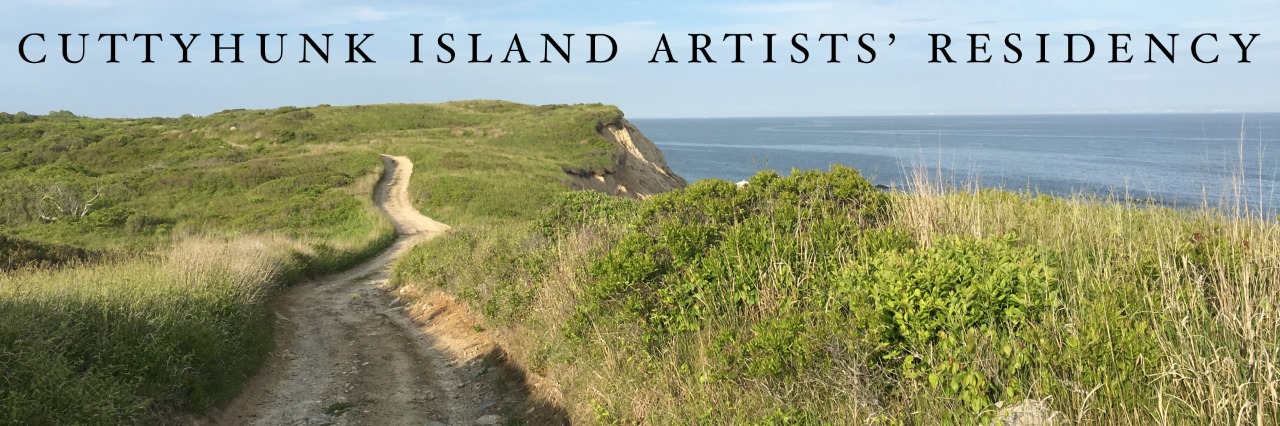
Cuttyhunk is a tiny island off the coast of Massachusetts, technically part of the Town of Gosnold. Think: one main village, no cars, dramatic coastal light, and long stretches of quiet. If you’re craving focused time away from city noise, this is the kind of place where you actually feel your pace shift.
Instead of a sprawling art scene with galleries and late-night openings, Cuttyhunk offers the opposite: a small, intentional ecosystem built around one main residency, a historic inn, and an active local cultural council. You go there to work, think, wander, and talk art with a small group of people who are on the same wavelength.
The anchor for visiting artists is the Cuttyhunk Island Artists’ Residency (CIAR), which brings visual artists to the island for short, intensive sessions. The format is simple: live together, eat together, work where you want, and let the island be your studio.
Cuttyhunk Island Artists’ Residency (CIAR): The core program
CIAR is the main reason most artists end up on Cuttyhunk. It’s a visual arts residency based out of the historic Avalon Inn, a big, characterful house overlooking the harbor and Vineyard Sound.
Program basics
CIAR typically runs week-long residency sessions with about 12 visual artists at a time. The group is intentionally small so there’s enough energy for conversation but plenty of space for you to disappear into your work when you need to.
The residency invites artists working in media such as:
- Drawing
- Painting
- Collage
- Small sculpture (no heavy shop equipment)
- Photography
- Video
The common thread is a portable studio practice. If your work can be set up on a table, broken down quickly, and adapted to different spaces, you’re in the right territory.
What the residency actually feels like
Daily life at CIAR is less about clocked studio hours and more about rhythm. You might work on the wraparound porch in the morning, walk the trails or beaches midday, then return to draw, paint, or edit in the afternoon. Evenings often revolve around shared meals and conversation with the group.
Key elements of the CIAR experience:
- Island-as-studio: You’re encouraged to use the island itself as your workspace. That can mean plein air painting, site-specific photo or video work, or simply walking and sketching.
- Communal living: Everyone stays together at the Avalon Inn, sharing meals and common spaces. The kitchen and dining setup create a built-in social structure, but it’s not forced; you can opt in or out as your energy allows.
- Visiting artists: Each session includes visiting artists or arts professionals who live on-site with the group, give talks, and offer feedback. It’s less a classroom and more a peer-level exchange with experienced practitioners.
- Short, focused timeframe: A week is just long enough to dig into a project, reset your direction, or prototype new work, without putting your entire life on hold.
Facilities and workspaces
CIAR is very clear: it does not provide traditional formal studios. Instead, you get:
- A large wraparound covered porch with tables and chairs, overlooking the water
- Indoor tables and corners you can claim for writing, drawing, or laptop work
- Access to the island’s trails, beaches, and shorelines as working locations
This setup is ideal if you’re used to working from a kitchen table, park bench, or temporary studio. It’s less ideal if you need:
- Heavy tools or machinery
- Kilns or ceramic facilities
- Large-format printing or fabrication
- Soundproofed audio studios
If your practice is more conceptual, drawing-based, lens-based, or painterly, the infrastructure will probably feel natural quickly.
Who CIAR is best for
You’ll get the most out of CIAR if you:
- Work in a portable medium and don’t rely on specialized equipment
- Draw energy from nature and landscape, or want to experiment with it
- Enjoy a mix of alone time and group conversation
- Feel comfortable adjusting to a non-urban pace and limited amenities
CIAR accepts artists at all stages of their careers, and you’re encouraged to apply even if your CV doesn’t look traditional. The focus is on what you’re actually doing in your work and how you might use the island.
Costs, rooms, and fellowships
Program fees vary depending on whether you choose a shared room or private room at the Avalon Inn. You’ll want to check the current rates and options directly on the residency site or their Submittable page.
CIAR offers fellowships that can cover or reduce the residency cost, including:
- Open Merit Fellowship – awarded based on artistic merit, can cover up to the full cost
- Wellspring Fellowship – dedicated to an artist who is also a parent to a child under 18
- Paul Cuffe Fellowship – dedicated to an artist of color, can cover up to the full cost
Some cycles place special emphasis on artists of color and artists who are parents, so if you’re in either group, it’s worth reading the fellowship descriptions closely and shaping your application with that in mind.
Workshop: Plein Air Painting on Cuttyhunk
Alongside the core residency, CIAR also runs a plein air painting workshop, including sessions led by painter Marc Dalessio. This is more instructional than the residency and is especially useful if:
- You want structured plein air teaching in addition to time alone
- You’re building or refining a landscape practice
- You prefer a workshop format with demos, critiques, and group painting sessions
Both the residency and the painting workshop use the island’s coastline and changing light as their main “infrastructure”, so if your practice leans outdoors, both options are worth researching. Check current programs and calls on the CIAR website at cuttyhunkislandresidency.com.
Living and working on the island
Since Cuttyhunk is tiny, there’s no such thing as an arts district or a list of neighborhoods to choose from. Pretty much everything revolves around the harbor, the village core, and the Avalon Inn.
Cost of living and what you actually spend money on
Cuttyhunk doesn’t work like a city with multiple grocery options or cheap studio rentals. You’re on a small island, which means:
- No conventional supermarket
- Limited places to buy supplies or specialty materials
- Short-term stays tied to a program (CIAR) rather than long-term leases
Your main costs are usually:
- Residency or workshop fees
- Travel to and from the island
- Art materials you bring with you
- Any personal extras you want while there
Because there are fewer ways to spend money on the island, your biggest planning decisions are about what to bring and how self-sufficient your practice can be for a week or more.
Neighborhoods and daily landscape
Think of Cuttyhunk as one continuous neighborhood, with micro-zones of energy:
- Avalon Inn – this is your home base at CIAR, where you sleep, eat, and often work. The porch is a major gathering point.
- Harbor area – boats, changing tides, and a compact cluster of buildings. Great for sketching structures, small-town details, and harbor activity.
- Trails and beaches – quiet paths, dunes, and rocky coastline where you can disappear with a sketchbook, camera, or small painting setup.
The island is small enough that you can walk pretty much everywhere. There are no cars, which means your day is shaped by walking time and the weather more than traffic or transit.
Studios, galleries, and where art actually happens
Cuttyhunk does not have big commercial studio buildings or a gallery strip. Instead, the art infrastructure looks like this:
- CIAR workspaces – porch tables, indoor nooks, and outdoor spots you claim.
- Island-as-studio – beaches, fields, and water views serving as your working site.
- Public-facing events – occasional talks, presentations, or events linked to the residency and the Gosnold/Cuttyhunk Cultural Council.
If you need a gallery-heavy environment and constant openings, you’ll be happier using Cuttyhunk as a temporary retreat and then showing the work back in your home city. If your goal is a reset or a concentrated making period, the island gives you that in a very direct way.
Practical logistics: getting there, visas, and timing
Getting to Cuttyhunk
Cuttyhunk is reachable only by boat or ferry from the mainland. This adds a layer of planning but also reinforces the residency’s sense of separation from everyday life.
You’ll want to:
- Plan your arrival and departure to match ferry schedules or private boat options.
- Keep your materials compact. Bulky canvases or heavy gear are possible but will require more effort and cost to move.
- Expect weather-related changes to boat schedules, especially outside peak summer.
CIAR usually provides guidance for participants on how to get to the island, what to pack, and what’s available on-site, so read those materials carefully once you’re accepted.
What to bring as an artist
Because facilities are simple and you can’t easily run to an art store, packing matters. It helps to:
- Bring a laptop or tablet with your work images for feedback and sharing.
- Pack a portable kit: travel easel, sketchbook, small paints, or compact camera gear.
- Include basics you might take for granted at home (tape, clips, brushes, memory cards, chargers).
- Consider weather-proofing your outdoor setup if you’re working plein air.
CIAR notes that past residents have given short slide presentations of their work to the group, so having images ready makes those sessions smoother and more useful.
Visa considerations for non-U.S. artists
If you’re based in the U.S., travel to Cuttyhunk is domestic and doesn’t involve visa questions. If you’re coming from abroad, it’s wise to:
- Clarify with CIAR how your participation is categorized (tourist activity, cultural exchange, etc.).
- Check current U.S. visa guidance for short-term arts programs and residencies.
- Consult an immigration professional if you’re unsure whether a specific visa type fits your situation.
The main questions typically center on whether you are being paid a stipend and how long you’ll be in the country, so get clarity early to avoid last-minute complications.
When to go
Cuttyhunk’s residency and workshop programs usually concentrate in late spring, summer, and early fall, when weather and ferry schedules are friendlier and the island is more active. Those seasons are also ideal for outdoor painting, photography, and walking-based practices, thanks to longer daylight and milder temperatures.
Because CIAR sessions are limited and the cohort is small, you’ll want to treat the timeline as a long lead project: watch their website and Submittable page, note when calls usually open, and plan your portfolio and statement well ahead of time.
Local art community and how to plug in
Institutional support and partners
Even though Cuttyhunk is tiny, it’s not culturally isolated. A few key players keep arts activity circulating:
- Cuttyhunk Island Artists’ Residency (CIAR) – the central residency program for visual artists.
- Avalon Inn – the historic inn that houses the residency and becomes a temporary hub for visiting artists.
- Marilyn Snow House Foundation – the nonprofit that stewards the Avalon Inn and supports CIAR as part of its mission to benefit the island.
- Gosnold/Cuttyhunk Cultural Council – the local cultural council that funds events, including public programs tied to CIAR and other art initiatives like a plein air festival.
This ecosystem keeps a steady flow of artists, events, and community-facing programs moving through the island each year, even if you don’t see a traditional arts district.
Public events, talks, and sharing your work
CIAR often includes public or semi-public components such as:
- Artist talks by visiting artists, sometimes open to local residents
- Informal presentations where residents show work and discuss process
- Events funded by the cultural council that bring artists and islanders together
If you enjoy speaking about your work or testing out an artist talk, this is a good environment to do it. The scale is small enough that it feels personal, not performative, and you’re often speaking to people who have followed the residency for years.
Community vibe and what to expect socially
The social fabric on Cuttyhunk is quiet but warm. Your main community will usually be:
- The other artists in your cohort
- Visiting artists and arts professionals
- Residency staff and chefs
- Local residents who attend talks or events
Conversations happen at breakfast, while walking to the beach, or on the porch at night. If you’re more introverted, the short session length helps; you can lean into the social side when it’s helpful and retreat into work when you need to refuel.
Is Cuttyhunk a good fit for your practice?
If you’re deciding whether to put energy into a CIAR application or a Cuttyhunk-based workshop, it helps to be honest about your needs.
Cuttyhunk is a strong fit if you:
- Want a short, intensive residency to reset or push a body of work forward
- Are excited by coastal landscapes, changing light, and working outdoors
- Have a portable practice that doesn’t require heavy infrastructure
- Like the idea of living and eating with a small group of artists
- Prefer focused time and reflection over a gallery-heavy social circuit
It’s probably not ideal if you:
- Need kilns, fabrication labs, print shops, or sound studios to work
- Rely on nightlife, cafes, and constant external stimulation
- Need easy, last-minute access to large-scale materials or equipment
- Are hoping to directly connect with a large collector or gallery network on-site
If you recognize yourself more in the first list, Cuttyhunk can be a powerful, self-contained chapter in your practice: a week or so to unhook from your usual routine, listen to how your work wants to shift, and come back to your regular life with new material, new connections, and a reset way of paying attention.
You can explore CIAR’s current programs, fellowships, and application details at cuttyhunkislandresidency.com, and check their Submittable page for open calls when you’re ready to throw your name in the mix.
Filter in Cuttyhunk
Been to a residency in Cuttyhunk?
Share your review