Artist Residencies in Edinburgh
2 residenciesin Edinburgh, United Kingdom
Why Edinburgh works so well for residencies
Edinburgh is compact, highly visible, and wired into a wider Scottish residency culture. You get dense institutions in a walkable city, plus quick access to the Borders, coastline, and more remote retreat spaces. That mix makes it unusually good for research, production, and showing work within the same orbit.
You’re working in a city that hosts the Edinburgh Festival Fringe, Edinburgh International Festival, Edinburgh Art Festival, and the Edinburgh International Book Festival. Even if your residency isn’t directly tied to those events, the ecosystem around them matters. It means:
- Seasonal surges of visiting curators, programmers, and writers
- Lots of cross-disciplinary overlap between visual art, performance, literature, and sound
- A public that’s used to trying new things and walking into unfamiliar spaces
On the institutional side, you have pillars such as Edinburgh Sculpture Workshop, Collective, Fruitmarket, Talbot Rice Gallery, Dovecot Studios, the Royal Scottish Academy, the National Galleries of Scotland, City Art Centre, Open Eye Gallery, and Summerhall. Many residencies either partner with these venues or feed into their programmes over time.
Edinburgh’s geography also works in your favour. You can live or work in the city and still reach the Scottish Borders, East Lothian, or coastal locations for fieldwork or retreat. Residencies at places like the Hugo Burge Foundation often plug into Edinburgh-based programmes, so you can treat the city and the countryside as one extended studio circuit.
Key residency programmes in and around Edinburgh
There isn’t one single residency model here. Instead, you’ll find a mix: long-term research residencies embedded in institutions, production-focused studio time, hotel-based public residencies, and flexible schemes where you design your own project with a partner venue.
Edinburgh Art Festival — PLATFORM (early-career focus)
Type: Long-term residency with city and Borders components
PLATFORM is a programme of two long-term residencies for early-career artists connected to Edinburgh Art Festival (EAF). It’s designed around development rather than a quick production sprint.
What it typically offers:
- Approximately 18 months of structured residency time
- A commitment of around 3 days per month in a flexible working pattern
- Artist fees (with an indicative figure of around five figures in past cycles)
- Additional support for production, access, and travel
- Mentorship from an external practitioner with relevant lived experience
- Ongoing support from the EAF team
- A one-month in-person residency at the Hugo Burge Foundation in the Scottish Borders
- Public presentation as part of a future edition of Edinburgh Art Festival
Who it tends to suit:
- Artists rooted in Scotland who want a slow-burn development period
- Practices that benefit from curatorial dialogue and long-term research
- Artists interested in both city infrastructures and semi-rural retreat
- Early-career practitioners with several years of practice who are ready for a more public platform
One of the residency spaces is reserved for a BPOC artist, acknowledging structural inequities in solo exhibitions and representation. That’s a clear signal that EAF is thinking about who gets institutional space, not just what work is produced.
Edinburgh Sculpture Workshop — Residencies and Awards
Type: Production and research residencies with specialist fabrication support
Edinburgh Sculpture Workshop (ESW) is a key anchor for artists working in sculpture, installation, and material-led practices. It offers funded residencies, bursaries, and research opportunities geared towards making, testing, and learning.
What you can usually expect:
- Dedicated time to develop or realise a project
- Access to fabrication facilities and tools
- Technical expertise from staff and technicians
- Immersion in an active studio community of sculptors and interdisciplinary artists
- Potential routes into talks, open studios, or informal sharing events
ESW is ideal if you work with large-scale objects, casting, metal, wood, or any process where workshop infrastructure really matters. Even short stays can radically shift what you’re able to build.
For details of current programmes, go directly to ESW’s residencies and awards page at edinburghsculpture.org.
Hugo Burge Foundation — Residencies in the Borders
Type: Fully funded retreat-style residencies with strong Edinburgh links
The Hugo Burge Foundation (HBF) runs fully funded residencies at its studios in the Scottish Borders. Technically it’s outside Edinburgh, but in practice it’s closely connected to the city through partnerships and artist flows.
What the programme offers:
- Fully funded residencies across visual arts, writing, performance, and interdisciplinary practice
- Studio and accommodation in a quiet rural setting
- Time and space for concentrated research, experimentation, or writing
- Partnership residencies with Edinburgh-focused organisations such as Edinburgh Art Festival and Summerhall Arts
- Occasional discipline-specific residencies, for example in partnership with the Royal Society of Sculptors
Artists often use HBF as the focused production leg of a wider project that might show or be developed further in Edinburgh. It’s especially good if you need uninterrupted time or if landscape and environment are integral to your work.
Explore current offers at hugoburgefoundation.org.
RSA Residencies for Scotland — build-your-own residency
Type: Flexible, artist-led residency funding across Scotland
The Royal Scottish Academy’s Residencies for Scotland scheme is different from most programmes. Rather than giving you a fixed place and schedule, it supports you to design a residency with a partner venue anywhere in Scotland, which can easily include Edinburgh.
Key features:
- Funding of up to around £5,000 to support your residency
- You choose the partner venue and negotiate the structure with them
- Open to visual artists at various career stages
- Focused on research, development, production, and skill exchange
- Strong history of supporting residencies at a wide range of venues nationwide
Why this matters for Edinburgh: you can build a residency that combines an Edinburgh organisation or studio (for example an institution, a workshop, or an artist-run space) with another site elsewhere, creating a tailored city-plus-landscape workflow.
Programme information and guidelines are at royalscottishacademy.org.
Virgin Hotels Edinburgh — Artist in Residence
Type: Public-facing residency in a hotel setting
Virgin Hotels Edinburgh runs an Artist in Residence initiative that places artists in a dedicated studio space inside the hotel. One of the focal spaces is The Unicorn Room, a turreted studio high up in the building with panoramic views of the city.
What this kind of residency can include:
- Studio space within the hotel for a defined period
- Interaction with hotel guests and visitors
- Opportunities for workshops, live painting, or talks
- Public visibility for work-in-progress and finished pieces
This suits artists who enjoy working in a semi-public environment, for example illustrators, muralists, urban sketchers, or anyone whose practice thrives on contact with people and the built environment.
To see the latest calls or contact the programme, head to the Artist in Residence section of virginhotels.com.
Other ways residencies link into Edinburgh
Alongside the named programmes, Edinburgh is woven into wider Scottish residency networks. A few practical things to keep in mind:
- University-related networks (Edinburgh College of Art and others) often intersect with residencies through visiting artist schemes, talks, and studio access.
- The Social Studio’s Scottish Residency Database keeps track of alternative and off-grid residency options across the country, some reachable by rail or bus from Edinburgh. You can browse it at thesocialstudioresearch.wordpress.com.
- Resources such as Res Artis or Transartists list international residencies that may connect you to Edinburgh-based institutions as partners or hosts.
Choosing where to base yourself in the city
During a residency, you might be given accommodation, asked to sort your own, or mix both. Either way, it helps to have a mental map of how artists actually use the city.
Cost of living and typical set-ups
Edinburgh is relatively expensive by Scottish standards, mainly due to rent and short-term accommodation. Pressure spikes during the summer festival period, when tourists, performers, and visiting arts workers all compete for the same rooms.
Artists often piece things together like this:
- Short lets or sublets close to the residency site
- Shared flats to keep costs down
- Residency-provided accommodation for part of the stay, combined with independent housing before or after
- Membership or desk/studio rentals with organisations instead of renting a separate commercial studio
If you’re on a tight budget, avoid assuming you can easily pick up a last-minute room in August. Book early or time your residency outside peak festival weeks if you want lower costs and more stability.
Neighbourhoods artists gravitate towards
The city is walkable, but hills and distances still matter when you are carrying work, tools, or materials. These areas tend to come up when artists talk about where to stay or base a studio.
- Leith – Strong independent culture, cafes, and informal workspaces. Relative value for money compared with the centre, with a big community of artists, designers, and musicians. Good if you want a local day-to-day life plus easy connections into town.
- Old Town / city centre – High visibility and proximity to major venues like Fruitmarket, City Art Centre, the National Galleries, and many festival sites. This is ideal for short, intensive residencies and festival-focused work, but rents and noise levels are both high.
- New Town / West End – Close to galleries, institutions, and transport hubs like Waverley and Haymarket. Architecturally rich, very central, and typically more expensive.
- Portobello – A coastal option with a community feel and beach access. Good if you need decompression space and a quieter base while still being able to commute into the centre.
- Outer and east-side neighbourhoods – Often better for larger studios, messy practices, or artists who need vehicle access. You’ll rely more on buses and trams but might gain more space for less money.
Studios, infrastructure, and showing work
Residencies in Edinburgh don’t exist in isolation. They plug into a wider system of studios, galleries, festivals, and networks. If you’re spending any significant time in the city, it helps to know where that infrastructure sits.
Studios and production hubs
Some key anchors:
- Edinburgh Sculpture Workshop – Crucial for sculpture, installation, and fabrication, with shared workshops and a strong community. Even if you’re not on an ESW residency, it’s worth exploring memberships and facilities.
- Collective – A contemporary art space on Calton Hill, working with artists on commissions, exhibitions, and public projects. Not a classical studio complex, but significant for production support and visibility.
- Summerhall / Summerhall Arts – A large arts complex and festival venue with studios, exhibition spaces, performance rooms, and research projects. Ties in with HBF residencies and other collaborative schemes.
- University-linked spaces – Edinburgh College of Art and related departments have studios, print workshops, and research settings that intersect with residency programmes via events, talks, and partnerships.
- Hugo Burge Foundation – Although it’s in the Borders, treat it as part of the wider Edinburgh infrastructure if your residency includes a rural phase combined with city engagement.
Where residencies often show up in public
When residencies culminate in exhibitions, talks, or open studios, they frequently intersect with these venues and institutions:
- Edinburgh Art Festival – A citywide programme of exhibitions and commissions. Residency outcomes often appear here as solo projects, group shows, or public commissions.
- Fruitmarket – A major contemporary art venue that regularly collaborates with artists on exhibitions, commissions, and events.
- Talbot Rice Gallery – University gallery with a focus on contemporary and experimental work, often hosting research-led projects.
- Dovecot Studios – A tapestry studio and gallery that sits at the intersection of fine art and craft, particularly relevant if your residency touches textiles or design.
- City Art Centre and the National Galleries of Scotland – Larger institutions that frame how contemporary work sits in wider art-historical and civic contexts.
- Open Eye Gallery and other commercial spaces – Potential partners when residency work edges into the commercial or collecting side.
- Summerhall – Especially active during festival season, hosting visual art, performance, and cross-disciplinary projects.
Moving around, visas, and timing your stay
Getting around the city
Edinburgh is manageable without a car. The key things to know when you’re planning a residency stay:
- Public transport – A robust bus network and the Edinburgh Trams connect central areas, Leith, the airport, and some outlying neighbourhoods. If you’re commuting to a studio with equipment, check routes and timings in advance.
- Rail connections – Waverley Station in the centre and Haymarket to the west both link you to the Borders, Glasgow, and the rest of the UK. Useful if your residency has a split-site structure between Edinburgh and another Scottish town.
- Walking culture – A lot of institutional life is within walking distance, but hills are real. Factor that in when deciding how far from your studio or residency site you want to live.
Visa basics for non-UK artists
If you are not a UK citizen or permanent resident, visa conditions are a key part of planning a residency in Edinburgh. A few general principles:
- A residency does not automatically count as permission to work; being paid fees or giving public performances can change your visa needs.
- The right visa depends on your nationality, the length and structure of the residency, and whether you’re being paid or presenting work publicly.
- Some short, unpaid research visits may fit under visitor rules, but you should not assume this if you are receiving fees or producing public-facing work.
The safest approach is to ask the host programme very clear questions before you accept:
- Do they offer visa sponsorship, or are you expected to arrange it yourself?
- Will the residency fees be treated as employment or a grant?
- Does the residency involve public events, workshops, or performances?
- Can they provide formal invitation letters or supporting documentation?
Then cross-check their answers with official UK government guidance for artists and cultural workers. That extra admin early on saves a lot of stress later.
When to be in Edinburgh, and when to apply
Residencies and festivals run year-round, but the feel of the city shifts with the seasons.
- Late spring to early autumn – High activity in galleries, milder weather, and more outdoor work possibilities. The major festivals concentrate in late summer, which brings intense networking possibilities and very busy streets.
- Summer festival period – Amazing for visibility, audience interaction, and high-density programming. The trade-off is expensive and scarce accommodation, crowded central areas, and higher demand on venues and staff.
- Autumn and winter – Quieter, potentially cheaper, and good for concentrated studio time. Shorter daylight hours, but more space to think and make.
Residency deadlines vary. Some schemes run annually, others biennially, and hotel or partnership programmes may have bespoke cycles. If you want to build a residency path through Edinburgh:
- Keep an eye on Edinburgh Art Festival, Edinburgh Sculpture Workshop, the Royal Scottish Academy, the Hugo Burge Foundation, Summerhall Arts, and similar institutions.
- Set up a simple calendar where you log calls and approximate annual times when they usually open.
- Tailor your proposal to each host’s context rather than sending generic applications; Edinburgh institutions often favour projects that connect clearly to place, community, or research.
Plugging into local communities while you’re there
Residencies give you a shortcut into a city, but the real value comes from the relationships you build on the ground. Edinburgh has a number of overlapping communities you can tap into during your stay.
Where communities cluster
- Edinburgh Sculpture Workshop community – Artists working across sculpture, installation, and experimental practice. Great for peer feedback, technical advice, and shared production knowledge.
- Edinburgh College of Art network – Staff, students, and graduates often bridge between the university, independent spaces, and institutional programmes.
- Collective, Fruitmarket, Talbot Rice, Dovecot, RSA – Exhibition openings, talks, and events bring curators, artists, and writers into the same rooms.
- Leith and Portobello – More informal networks of studio shares, project spaces, and makers who might not be visible in formal institutional listings.
- Summerhall – Acts as a hub for cross-disciplinary work, especially when festivals are running.
Using your residency as a connector
To get the most out of a residency in Edinburgh, think beyond the studio:
- Ask your host for introductions to local artists or curators whose work intersects with yours.
- Offer an open studio or informal presentation, even if the residency doesn’t require it.
- Attend public events at nearby galleries and talk to the people standing around after Q&As; that’s often where the useful conversations happen.
- Document your time in a way you can share easily with future partners, especially if you plan to extend the project into other Scottish venues.
The city rewards artists who treat residencies as both a making opportunity and a way to braid themselves into existing networks. If you build that into your plan from the start, Edinburgh can become a recurring base rather than a one-off stop.
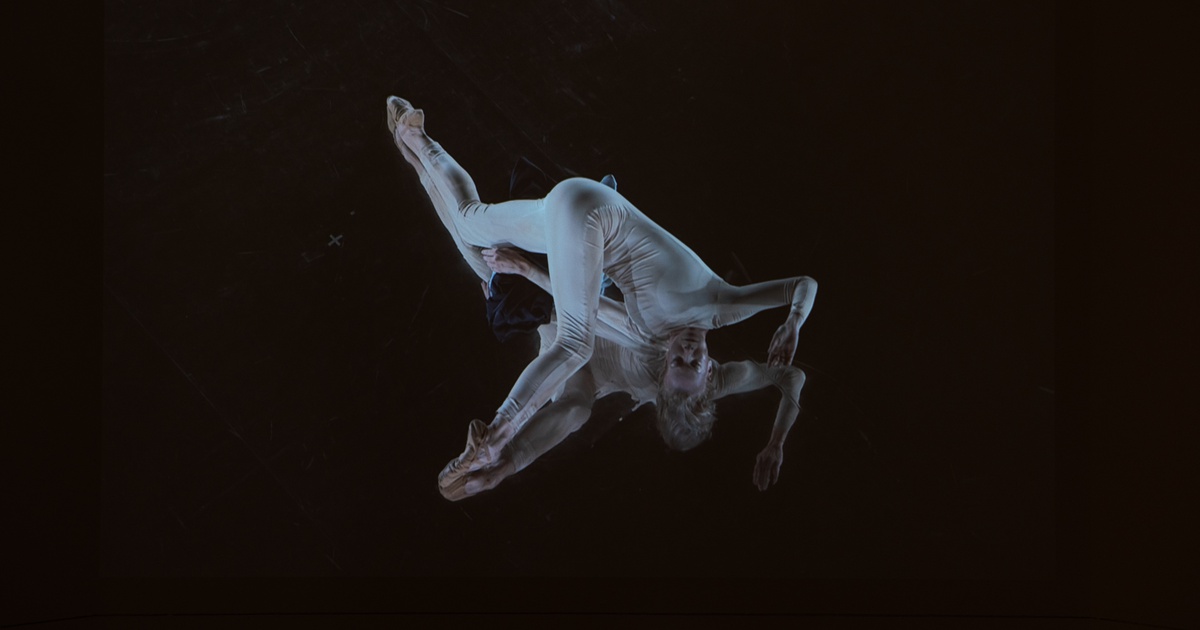
Royal Scottish Academy of Art and Architecture
Edinburgh, United Kingdom
RSA Residencies for Scotland is an artist-led scheme providing research and development opportunities for visual artists at all career stages across Scotland's centres of artistic excellence. Artists can apply for up to £5,000 in funding and are responsible for managing their own residency in collaboration with partner venues, with emphasis on research, production, skill development, and idea exchange.
Talbot Rice Gallery
Edinburgh, United Kingdom
Talbot Rice Residents is a two-year artist residency programme providing time, curatorial support, and access to University of Edinburgh resources for early-career and re-emerging artists based in Scotland. Residents receive year-round technical support, access to workshops, libraries, collections, and the academic community, with opportunities to exhibit work throughout the programme and culminating in a London exhibition.
Browse by discipline in Edinburgh
Filter in Edinburgh
Been to a residency in Edinburgh?
Share your review