Artist Residencies in Gloucester
1 residencyin Gloucester, United States
Why Gloucester, MA is on artists’ radar
Gloucester, Massachusetts sits on Cape Ann, a working harbor town with a long track record of attracting painters, sculptors, performers, and hybrid practitioners. The light, the coastline, and the quarries are a big part of the pull, but so is the scale: it’s small enough that you can actually meet people and make a mark in a short residency.
If you’re thinking about a residency or a self-directed work period there, it helps to frame Gloucester as:
- A historic art colony that never really stopped being one
- A place where the working waterfront, quarries, and woods are as important as gallery walls
- A cluster of artist communities and residencies rather than one centralized art campus
Here’s how the main residency options and the city itself actually function when you’re on the ground as an artist.
Manship Artists Residency: Starfield in Lanesville
Website: manshipartists.org/residency
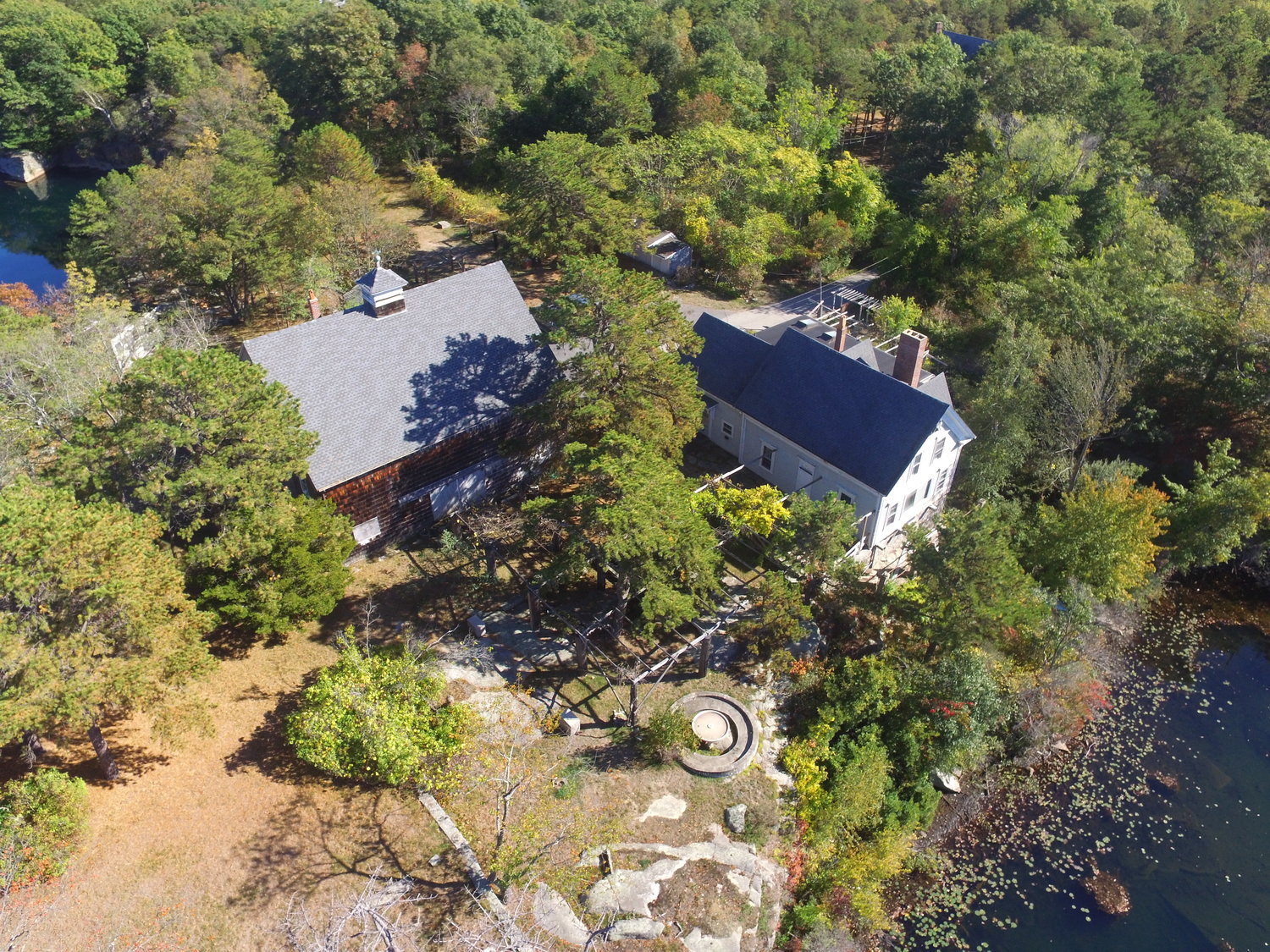
The Manship Artists Residency is centered at Starfield, a roughly fifteen-acre property in the Lanesville neighborhood of Gloucester. The site combines historic buildings, two pristine quarries, forested land, rocky summits, and big sky views. It’s an international, interdisciplinary residency with a quiet, nature-heavy setting.
What the residency offers
Manship is built around giving artists raw time and raw space:
- Residency length: typically ranges from about a week up to several months, depending on project and invitation
- Number of artists at a time: small cohorts, usually around three residents, which keeps things intimate
- Studios: described as raw studio space suitable for visual and performing artists who bring their own materials and tools
- Setting: quarries, woods, and historic architecture right outside your studio, which is ideal if your practice responds to landscape, geology, or environmental questions
The space is not a high-tech complex with every tool on hand. Think flexible, adaptable rooms and outdoor possibilities, not a turnkey fabrication lab.
Who actually thrives here
Manship tends to suit artists who:
- Can work independently without constant feedback or instruction
- Don’t mind building their own setup in a raw studio space
- Want to step out of a city and into a slower, more contemplative rhythm
- Are open to the land as a collaborator: quarry walls, forest paths, open sky, and weather shifts
- Are comfortable sharing process or outcomes with the local community
It’s especially strong for:
- Visual artists doing painting, drawing, photography, light installation, or moderate-scale sculpture
- Performing artists who can work with improvisation and site-responsive performance
- Interdisciplinary and research-based artists considering ecology, geology, climate, or place-based stories
Community and public engagement
Manship emphasizes that residents can connect with the public in various ways:
- Artist talks and presentations
- Workshops or classes
- Public forums and conversations
- Collaborations with local partners and artists
You’re not required to build a big outreach project, but the residency clearly values artists who are open to public-facing work. If you like to test ideas with real audiences, Gloucester’s size helps—people actually show up, remember you, and talk back.
How access and selection work
Manship has been running a test-pilot phase where artists are invited based on recommendations from advisors. During that period, invited artists are not charged residency fees. That means:
- The program is not always an open-call situation; networking and relationships matter
- It’s worth checking the website or contacting the residency to see if open applications are being accepted or planned
- Project clarity, community interest, and fit with the site often weigh heavily in selection
If you’re interested, a focused email that introduces your practice, your interest in the specific site (quarries, history, environment), and how you’d envision sharing with the community is often more effective than a generic inquiry.
Goetemann Artist Residency at Rocky Neck Art Colony
Website: rockyneckartcolony.org/goetemann-artist-residency-2
The Goetemann Artist Residency (GAR) operates under the Rocky Neck Art Colony, one of the oldest working art communities in the U.S. Rocky Neck itself is a narrow peninsula in Gloucester harbor lined with galleries, small studios, and water views. Goetemann folds you directly into that environment.
Program structure
The residency currently includes several distinct strands:
- Goetemann Artist Residency (core program): one artist at a time for roughly a month
- Distinguished Artist/Teacher: a more established artist who often leads workshops or talks
- Environmental/Installation Artist: a residency focused on site-specific work and environmental or social questions, often involving public space
- Gloucester Invitational Artist: typically a local or regionally connected artist invited for a dedicated term
The core residency welcomes painters, mixed media artists, photographers, video artists, and occasionally sound or other experimental forms. The Environmental/Installation track leans toward outdoor, site-specific, and socially engaged work.
Studio and living setup
Goetemann provides a two-level live-work studio of roughly 500 square feet on Madfish Wharf, right on the waterfront:
- Downstairs: working space with spotlights and homasote walls (good for tacking, pinning, and hanging), plus a galley kitchen and bathroom
- Upstairs: sleeping area with a single bed and small dresser
- Deck access: a shared deck overlooking Smith Cove and the harbor
The studio is private, but you’re next to other working studios and galleries. There’s no in-house print shop or heavy fabrication space, but a separate printing studio is available nearby for a fee. Anything specialized—video rigs, sound systems, large woodshop tools—you’ll need to bring or source locally.
Community vibe and support
Because Goetemann hosts just one core resident at a time, you’re not lost in a crowd. You can expect:
- A welcome dinner with members of the residency committee (all practicing artists), held in one of their homes
- Regular but flexible contact: they can be hands-on or hands-off depending on how much interaction you want
- Connection to the broader Rocky Neck Art Colony: exhibitions, cultural center events, and gallery openings
The committee is eight artists who understand studio work, deadlines, and mid-project pivots. They’re there as a sounding board rather than supervisors.
Focus on Environmental/Installation artists
The Environmental/Installation Artist residency is a distinct track. It emphasizes:
- Site-specific installations that are visible and accessible to the public
- Engagement with environmental policies, politics, or social change
- Partnerships with local organizations, notably Ocean Alliance, a whale and marine conservation nonprofit based nearby
If you work with environmental data, activism, or site-responsive installations, this residency gives you an active waterfront, a marine research partner, and a local audience that is used to thinking about the ocean in practical terms.
Eligibility and fit
The Goetemann core residency runs for about a month, with one artist at a time and several slots per year. Historically:
- It uses an open application process
- Artists are selected based on originality, quality of work, and seriousness of purpose
- Applicants can indicate their preferred month in the application
The environmental track is more specific, so aligning your proposal with local issues—coastal change, fishing economy, marine ecosystems, climate impact on harbors—helps strengthen your case.
Other Gloucester-area opportunities and contacts
Manship Artists Residency ecosystem
Manship mentions connections with a network of local makers and performers—potters, printmakers, glassblowers, woodworkers, dancers, and others—who either have independent studios or partner with the residency. Even if you’re not in residence at Manship, their public events and affiliate artists are a good way to meet the local creative infrastructure.
Rocky Neck Art Colony and alumni
The Rocky Neck Art Colony hosts exhibitions, workshops, and events year-round and maintains an archive of Goetemann alumni:
Looking through alumni gives you a realistic sense of the kind of work that resonates with the program and with the Gloucester context. It also doubles as a networking map if you want to reach out to past residents.
Local initiatives and shorter-term gigs
In and around Gloucester, you’ll see shorter residencies or artist-in-residence stints pop up in smaller institutions. Examples include library-based artists-in-residence or gallery residencies. These tend to be:
- Shorter in duration (a few weeks to a couple of months)
- Focused on public visibility in a specific venue
- Less about isolation, more about being accessible to people walking in
If you’re already planning to be in town for a Manship or Goetemann residency, layering one of these shorter opportunities before or after can extend your time on site and deepen your local connections.
Neighborhoods and where residencies sit in the city
Lanesville and Starfield (Manship)
Lanesville is a quieter residential area on Gloucester’s northern side. Starfield, where the Manship Artists Residency is based, puts you near:
- Quarries and rocky outcrops for drawing, filming, or performance
- Forest paths and subtle shifts of coastal light
- A more low-key, village-like atmosphere
This is a strong fit if you need solitude and natural reference material more than city streets.
Rocky Neck and Madfish Wharf (Goetemann)
Rocky Neck is directly on the harbor with a dense cluster of galleries and studios. The Goetemann studio on Madfish Wharf gives you:
- Harbor views steps from your door
- Foot traffic and casual studio visits during open hours or events
- Easy access to the Rocky Neck Cultural Center, which hosts talks and exhibitions
This area is busy in the warmer months but is exactly where you want to be if you like conversations with visitors, gallery-hopping, and maritime subject matter.
Downtown Gloucester and beyond
While the main residencies sit in Lanesville and Rocky Neck, the city as a whole is relevant to your project:
- Downtown Gloucester: closer to the commuter rail, shops, restaurants, and venues like the Cape Ann Museum
- Harborfront: working docks, fishing boats, and industrial textures—great material for photography, drawing, and research-based work
- Other neighborhoods: Annisquam, Bay View, East Gloucester, and Magnolia offer beaches, coves, and different angles on light and coastline
When proposing a residency project, it helps to show you’ve thought about these specific contexts rather than treating Gloucester as a generic seaside town.
Practical realities: cost, transport, and logistics
Cost of living and budgeting
Gloucester is less expensive than a major city like Boston, but it’s still coastal New England. For residency planning, assume:
- Housing outside your residency dates can be pricey in peak summer
- Off-season rentals and shoulder months tend to be more affordable and quieter
- Basic groceries and supplies are manageable, but specialty art materials may require ordering ahead
If your residency offers free or reduced housing, that’s a substantial benefit. Use that breathing room to budget for materials, local transport, and possibly a short extension before or after your official dates.
Getting there and getting around
By train: Gloucester is on the MBTA commuter rail line (Newburyport/Rockport). This works if you’re traveling light or planning occasional trips to Boston.
By car: Driving gives you the most freedom, especially if you’re hauling canvases, gear, or installation materials. A car helps you reach quarries, remote coves, lumber yards, and hardware stores without losing hours on logistics.
Local mobility: Within Rocky Neck and downtown, walking works well. Lanesville and other outer neighborhoods are more spread out. Some residencies provide a bicycle, but steep hills and weather can make a car the more practical choice, especially in winter or for night events.
International artists and visas
If you’re coming from outside the U.S., treat visas as part of the project, not an afterthought. For U.S. residencies:
- Clarify whether there are stipends, teaching duties, or formal employment-like activities
- Ask the residency what documentation they provide for visa applications
- Match your visa category to what you’ll actually be doing, especially if public programs or payments are involved
Unpaid research and studio time can still require the correct visa; that’s something to check with an immigration professional if anything is unclear.
Timing: when to be in Gloucester
Gloucester’s character changes significantly by season, which matters if your work is outdoors or relies heavily on light and weather.
- Spring: Great for building work, scouting locations, and enjoying bright but not harsh light. Tourist traffic is lighter.
- Summer: The most activity in galleries and on the streets; excellent for public engagement and open studios. Housing and crowds peak.
- Early fall: Reliable light, fewer tourists, still warm enough for extended outdoor sessions. Strong option for focused work and some public programming.
- Winter: Quiet, sometimes stark, with dramatic weather. Good for deep studio work, writing, editing, and long-duration projects, but transport can be more complicated.
Many residencies schedule environmental or public projects during warmer months and reserve colder seasons for artists who want intensive studio time with minimal distractions.
Choosing the right Gloucester residency for your practice
If you crave solitude and landscape
You’ll likely feel at home at Manship Artists Residency in Lanesville. The priority there is time, land, and focused work. It’s a fit if your project needs:
- Physical immersion in quarries, woods, and coastal vistas
- Room to experiment in raw studio space
- A slower pace with fewer daily encounters
If you want daily contact and a harbor setting
Goetemann Artist Residency at Rocky Neck puts you in a waterfront live-work space surrounded by working artists and galleries. It makes sense if you want:
- Regular interaction with other artists and visitors
- A walkable neighborhood with exhibition and event options
- Subject matter tied to harbors, boats, or coastal communities
If you work environmentally or site-specifically
Both residencies can serve environmental practices in different ways:
- Manship: landscape, geology, quarries, and forest ecology for research and site work
- Goetemann Environmental/Installation track: public-facing installations linked to marine conservation and social change, with connections to partners like Ocean Alliance
Aligning your proposal with these strengths—land-based vs. harbor and marine—will make your application stronger and your time on site more coherent.
How to prep your Gloucester residency application
Regardless of which program you go for, a Gloucester-focused proposal usually lands better if you:
- Show you’ve researched the place: reference Rocky Neck, quarries, the working harbor, or local ecology specifically
- Describe your process in practical terms: what you’ll actually do in four weeks or three months, day to day
- Clarify your public engagement: talk, workshop, open studio, walk, or performance that suits the site and your comfort level
- Address logistics: how you’ll handle materials, transport, and technical needs without expecting the residency to solve everything
Gloucester residencies tend to favor artists who are self-directed but receptive—able to arrive with a plan and still respond to the place and community once they’re there.
If you approach them with that balance, Gloucester can be one of those rare places where the city, the sea, and your studio time all pull in the same direction.
Filter in Gloucester
Been to a residency in Gloucester?
Share your review