Artist Residencies in Gueñes
1 residencyin Gueñes, Spain
Why Gueñes works for artists
Gueñes (Güeñes) sits in Valle de Güeñes / Enkarterri, a rural part of Biscay in the Basque Country. It’s small, quiet, and surrounded by green hills. That might not sound like a typical residency magnet, but for many artists that’s exactly the point.
Think of Gueñes as a place for production and research, not so much for chasing gallery openings every night. The draw is:
- Semi-rural calm that makes it easier to focus on long, messy studio days.
- Material culture – textiles, craft, biodesign, fabrication, sustainability.
- Local artisans and inherited techniques you can actually meet and work with.
- Proximity to Bilbao, so you can plug into a bigger art scene when you need it.
If your practice is material-heavy, research-driven, or you need access to serious tools rather than white cubes, Gueñes is surprisingly powerful for its size.
The key residency: Basque BioDesign Center (BDC)
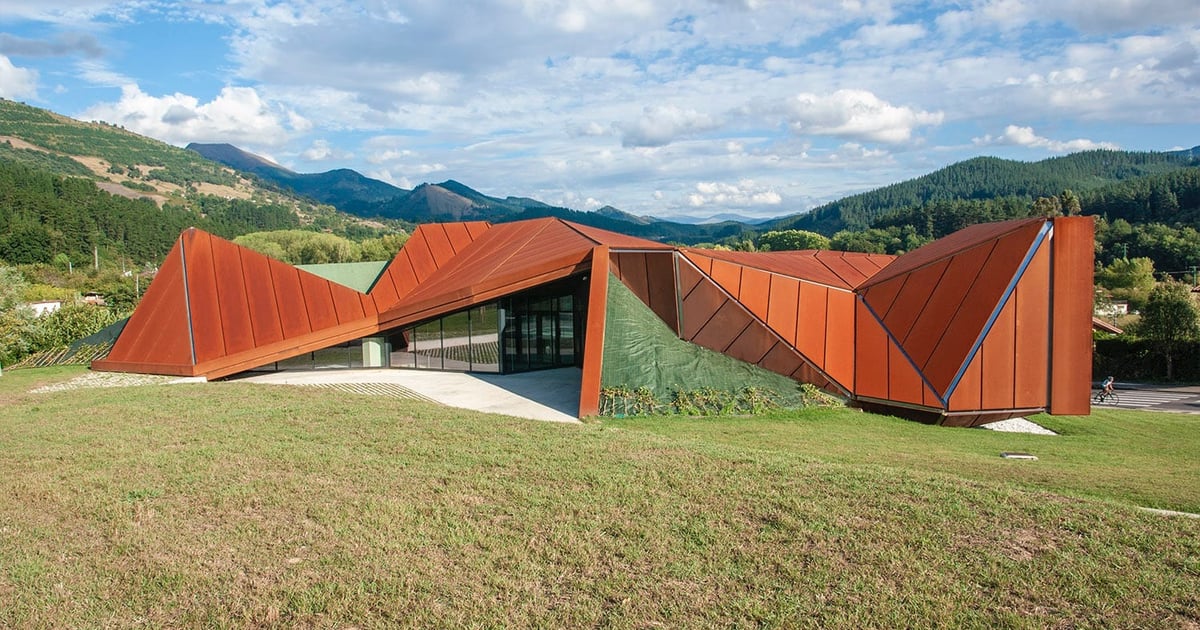
The main reason artists go to Gueñes for a residency is the Basque BioDesign Center (BDC), a research and production hub dedicated to biodesign and future materials.
What BDC is and who it’s for
BDC describes itself as a convergence space for biodesign, sustainable materials, circular economy, and digital fabrication. It sits in Gueñes, serving artists, designers, and architects who want to prototype and experiment, not just rent a desk.
It suits you if your work touches on:
- Textile materiality – weaving, knitting, jacquard, textile structures.
- Biodesign and biomaterials – biofabrication, fermentation, bio-based composites.
- Sustainability and circular economy – upcycling, local waste streams, material cycles.
- Digital fabrication meets craft – CNC, laser cutting, 3D printing combined with hand work.
- Architectural or design research – experimental components, surfaces, or installations.
If you’re happiest when you’re mixing a bio-based dye, debugging a CNC file, and talking to a local wool producer on the same day, this is a good match.
Facilities: what you actually get to work with
The research center reportedly covers around 1100 m² and is set up as a working lab, not a symbolic “creative hub”. Their facilities and tools tend to include:
- Digital fabrication: 3D printers, laser cutters, CNC machinery.
- Textile lab: looms (including jacquard), sewing machines, tools for textile construction.
- Bio / material labs: equipment for biomaterial and biofabrication experiments.
- Ceramic and craft tools: for hybrid material research and surface exploration.
- Printing and dyeing equipment: useful for textiles, papers, and experimental substrates.
- Art lab and hand tools: for prototyping, model-making, and small-scale fabrication.
- Documentation equipment: photo and possibly basic video tools to record your process.
- Specialized library: a collection focused on new textile practices and biomaterials.
On top of the hardware, one of the biggest assets is access to a team used to supporting research projects and a context where words like “biofabrication” do not need explaining every ten minutes.
Residency focus and working conditions
The residency programs at BDC are framed as research residencies or textile/biodesign residencies. The emphasis tends to be on:
- Process over product – you’re encouraged to work through tests and iterations.
- Using local resources – wool, natural fibers, local waste materials, regional craft knowledge.
- Connecting rural and urban – thinking about how rural production and urban life inform each other.
- Interdisciplinary exchange – sharing ideas with designers, researchers, technologists, and craft practitioners.
Residencies are generally aimed at those who can work quite independently on a material or conceptual question. If you need constant formal teaching, this isn’t a school; it’s more like a well-equipped lab and studio with support.
Duration, funding, and practical terms
Program details vary between calls, but some recurring patterns show up in public info and calls listed via platforms like TransArtists:
- Length: often 1 to 6 months, with some themed research residencies set at around two months.
- Fees and funding: artists are usually expected to cover their own costs and look for external grants or scholarships. The center sometimes supports with letters and institutional documentation for your funding applications.
- What you pay: travel, accommodation, daily living, and special materials that go beyond what the labs stock.
- What’s usually provided: access to facilities, Wi‑Fi, basic workshop materials and tools, occasional guidance from technicians, accident insurance while on site, and some promotion of your project.
BDC often documents residents’ projects and may share them through their newsletter, social media, and a profile on their website, which helps build visibility around research-based work.
Accommodation: what you need to plan
BDC does not provide housing. This is crucial for budgeting and planning.
What they tend to offer instead:
- A list of local housing options in and around Gueñes.
- Suggestions for short-term rentals, shared flats, or small guesthouses nearby.
Since you’ll be commuting to Barrio Lasier, 15-A, 48840 Gueñes, Biscay, try to stay either in Gueñes itself or anywhere that has straightforward road or public transport access to that address.
For direct questions or updated info, the commonly listed contact details are:
- Phone: +34 944 14 40 61
- Email: info@bdc.eus
The wider art ecosystem: Gueñes and nearby Bilbao
Gueñes alone is not packed with galleries, but you are plugged into a regional ecosystem that includes Bilbao and other Basque institutions.
Gueñes itself: deep work and local craft
Locally, you can expect more workshops and community spaces than white cubes. Useful aspects for residents:
- Local artisans working with textiles, wool, woodworking, and other crafts.
- Rural cultural events that give you a sense of Basque traditions.
- Quiet days where studio work is not competing with constant cultural FOMO.
BDC often acts as a node connecting you to local makers, so it’s worth clearly stating in your application that you want to work with regional materials or techniques. That helps them understand who you need to be introduced to.
Bilbao: your extended “gallery district”
When you need exhibitions, institutions, or a bigger art crowd, Bilbao is your go-to city. It’s reachable from Gueñes by road and public transport.
In Bilbao and nearby, you can find:
- Major museums, such as the Guggenheim Museum Bilbao, which also runs professional and fellowship-type programs like the Basque Artist Program.
- Production centers like BilbaoArte, which provides studios and facilities to resident artists.
- Multi-use art centers such as Azkuna Zentroa, hosting residencies in visual arts, live arts, comics, and more.
- Independent spaces and galleries, plus regular openings and events.
This ecosystem matters if you want to pair a very focused research residency in Gueñes with a more public-facing or exhibition-oriented experience in Bilbao before or after.
How artists actually use the region
A common strategy is to treat Gueñes as a studio and lab base and Bilbao as the network and visibility extension. That might look like:
- Spending weekdays in the lab in Gueñes.
- Doing occasional day trips to Bilbao for openings, meetings, and museum visits.
- Planning studio visits or small showings in Bilbao once your research is more developed.
If you’re planning a longer stay, you can also stack experiences: for example, a research-heavy residency in Gueñes followed by a production or exhibition-focused period in Bilbao at a different institution.
Practical life in Gueñes for residents
Residency life lives or dies on logistics. A small town can be a dream or a headache depending on how you set things up. Here’s what to consider.
Cost of living and budgeting
Gueñes is generally less expensive than Bilbao, particularly for accommodation and daily life, but you’ll likely spend more on transport if you move around a lot.
When drafting a residency budget, factor in:
- Accommodation: guesthouse, rural rental, or shared flat. Prices vary, but smaller-town rents often beat city-center Bilbao.
- Food: groceries are reasonable, and cooking at home will keep costs down. Restaurant options may be limited but usually cheaper than in big cities.
- Transport: if you rely on buses only, it’s cheaper but less flexible. If you rent a car, add fuel, rental fees, and insurance.
- Materials: some basic materials may be covered through the center. Specialized or high-volume experiments (large quantities of bio reagents, custom textiles, specialized hardware) will increase your costs.
- Insurance: you’re generally expected to have travel health insurance; the center may cover accident insurance on-site only.
Because BDC doesn’t usually cover living expenses, external funding is key. Think about national arts councils, mobility funds, design and architecture foundations, or sustainability-focused grants that like bio or circular economy projects.
Where to stay
There’s no long list of artist neighborhoods in Gueñes; the town is compact. Prioritize:
- Walking or short commute distance to Barrio Lasier if you can.
- Easy access to public transport or main roads if you’ll be moving between Gueñes and Bilbao.
The center can usually share up-to-date housing options, so ask directly for their latest list. When contacting hosts, it helps to mention you’re there for a residency; locals often understand that artists might need odd working hours or extra workspace.
Transport: getting there and getting around
Gueñes sits within commuting distance of Bilbao, and your transport setup will shape your experience.
- By air: most international artists arrive via Bilbao Airport, then travel to Gueñes by car, taxi, or public transport.
- By public transit: regional trains and buses connect towns in Biscay. Service is generally good but less frequent than in big cities, especially evenings or weekends.
- By car: renting a car or sharing one with another resident can be a big advantage if you’re transporting materials, visiting artisans, or bouncing between Gueñes and Bilbao regularly.
If your project involves large or fragile works, or you plan to visit multiple workshops, suppliers, and cultural spaces, budget for a car from the start. If your work is laptop- and lab-based, and you can schedule trips carefully, public transport can be enough.
Visas and paperwork
Because Gueñes is in Spain, residency logistics follow Spanish and Schengen rules.
- EU/EEA/Swiss citizens: can usually enter and work with minimal paperwork, though local registration rules can apply for longer stays.
- Non-EU artists: need to check Schengen short-stay rules and, for longer or more formal arrangements, options for cultural or research-related visas.
When you talk to BDC or any host, ask for:
- Official invitation letters with dates and description of activities.
- Confirmation of access to facilities and any support or stipends if available.
- Proof of accommodation if they help arrange it, or at least a statement that you are responsible for it.
Different consulates handle artist and research stays differently, so it helps to start this process early and keep all documents organized.
Community, visibility, and making the most of your stay
Gueñes is quiet, but that doesn’t mean working in a bubble. You can actively build a meaningful network around your residency.
Local connections through BDC
A lot of your community touchpoints will flow through the center. When discussing your project, it helps to ask explicitly about:
- Introductions to local artisans – textile makers, wool producers, woodworkers, ceramicists, or bio practitioners.
- Workshops or seminars you can attend or co-lead.
- Open studio moments – informal or formal times when locals or other professionals can see your work in progress.
- Documentation support – help photographing or filming your experiments.
Residency projects that engage with the local material context often resonate more with hosts and can lead to longer-term collaborations.
Using Bilbao for public outcomes
If your goal is not just research but also public-facing work, think ahead about how a Gueñes residency might feed into activity in Bilbao. For example:
- Use your Gueñes time to prototype and test, then show resolved work later in Bilbao.
- Reach out to production centers like BilbaoArte if you need follow-up support.
- Keep an eye on open calls from institutions like Azkuna Zentroa or local galleries for future projects.
This approach treats Gueñes as a foundation stage rather than a one-off experience.
Who Gueñes is really for
You’ll probably get the most out of residencies in Gueñes if you are:
- A textile artist or designer who wants to work with looms, jacquard, dyeing, or textile structures in depth.
- A biodesign or material-focused artist exploring biomaterials, circular processes, or scientific collaboration.
- A designer or architect working experimentally, who needs access to fabrication labs and prototyping setups.
- Interested in sustainability, circular economy, and connecting rural and urban contexts.
- Comfortable with quiet, self-directed work and not needing constant city stimulation.
It’s less ideal if you want daily openings, a dense social art scene outside your door, or fast-paced commercial gallery exposure during the residency itself. Those are easier to find in Bilbao than in Gueñes.
How to think about applying
Calls and formats change, but a few strategies stay useful when you’re targeting biodesign- and material-focused residencies in Gueñes.
- Frame your project around materials and process. Make clear what you want to test, prototype, or research, not just what the final piece might look like.
- Name the tools and labs you’d use. Mention looms, bio lab, digital fabrication tools, or the library, and explain why they matter for your work.
- Connect to local resources. If you plan to work with Basque wool, local fibers, or regional waste materials, say so explicitly.
- Show you can self-direct. Residency teams are more relaxed when they know you can handle independent research and studio time.
- Think about outcomes. Even if the residency is research-focused, describe how you’ll share the work later: a publication, open studio, future exhibition, or online project.
The more you can position your project as a good fit with BDC’s facilities and the Gueñes context, the stronger your application will read.
Using Gueñes as part of a longer art trajectory
Artist residencies in Gueñes, especially at the Basque BioDesign Center, work best when you think beyond the residency dates. Try to see it as a concentrated chapter in a longer investigation into materials, sustainability, or biodesign.
If you map your timeline as: research in Gueñes, development and showing in Bilbao or elsewhere, and then follow-up collaborations with the people you meet, this small rural town can leave a surprisingly large trace in your practice.
Been to a residency in Gueñes?
Share your review