Artist Residencies in Harpers Ferry
2 residenciesin Harpers Ferry, United States
Why Harpers Ferry works so well as a residency base
Harpers Ferry is tiny but intense: two rivers, steep hills, a historic town core, rail lines, churches, and Civil War-era sites all crammed into one walkable place. You’re not going there for a big gallery district. You’re going for landscape, history, and concentrated time to work.
This area tends to attract:
- Plein air painters and landscape artists who want cliffs, rivers, and changing light in walking distance.
- Photographers chasing fog, bridges, rail, and night shots over the river.
- Writers and historians interested in memory, conflict, and American narratives.
- Site-specific, socially engaged, and mixed-media artists who like working with place, community, and land use.
The town’s historic core is compact, so your “studio” often includes streets, park overlooks, and river paths as much as any indoor space.
How the local art scene actually works
Harpers Ferry doesn’t function like a city with a dense arts district. Think of it as a place where programs invite artists in, rather than a place where you just rent a studio and hustle. The big drivers are:
- Harpers Ferry National Historical Park – site-based art, interpretation, and occasional artist residencies.
- V4L Arts – a regional residency network focused on rural transition and community engagement.
- Smaller local studios and ad-hoc venues in historic buildings around town and nearby communities.
The energy is programmatic: residencies, open studios, talks, community walks, and project-based shows. You’re there to plug into a specific context, not to tap into a large collector scene.
Key residency options in and around Harpers Ferry
Here are the main residency paths that either sit in Harpers Ferry or plug into the town as part of a regional network.
Harpers Ferry National Historical Park Artist-in-Residence
Organizer: National Park Service, Harpers Ferry National Historical Park
Good for: painters, photographers, mixed-media artists, and anyone drawn to history, landscape, and public interpretation.
This program places you directly inside or adjacent to Harpers Ferry National Historical Park. You’re surrounded by historic streets, industrial ruins, river overlooks, and the Appalachian Trail. The work usually explores:
- The historical events tied to Harpers Ferry.
- The American landscape and environment.
- How the past and present sit on top of each other in one place.
Artists like Peter Cizmadia have used mixed media (stenciling, photography, painting) to respond to the site. Past iterations have offered a public presentation of work, such as exhibitions in spaces like the John Brown Museum area.
What you typically get:
- Short-term residency tied to the park.
- Deep access to historic and natural sites.
- Built-in public exposure through park visitors, talks, or small exhibitions.
What you need to be comfortable with:
- Working somewhat independently without a big studio cohort.
- Creating work that speaks to public audiences and historical context.
- Being in a park environment rather than a conventional studio complex.
For current details and calls, watch the park’s official site: https://www.nps.gov/hafe.
Wild Wonderful Rural Residencies (V4L Arts)
Organizer: V4L Arts
Location: Harpers Ferry, WV and other Shenandoah Valley / exurban sites
Good for: interdisciplinary and research-driven work, rural transition, socially engaged projects.
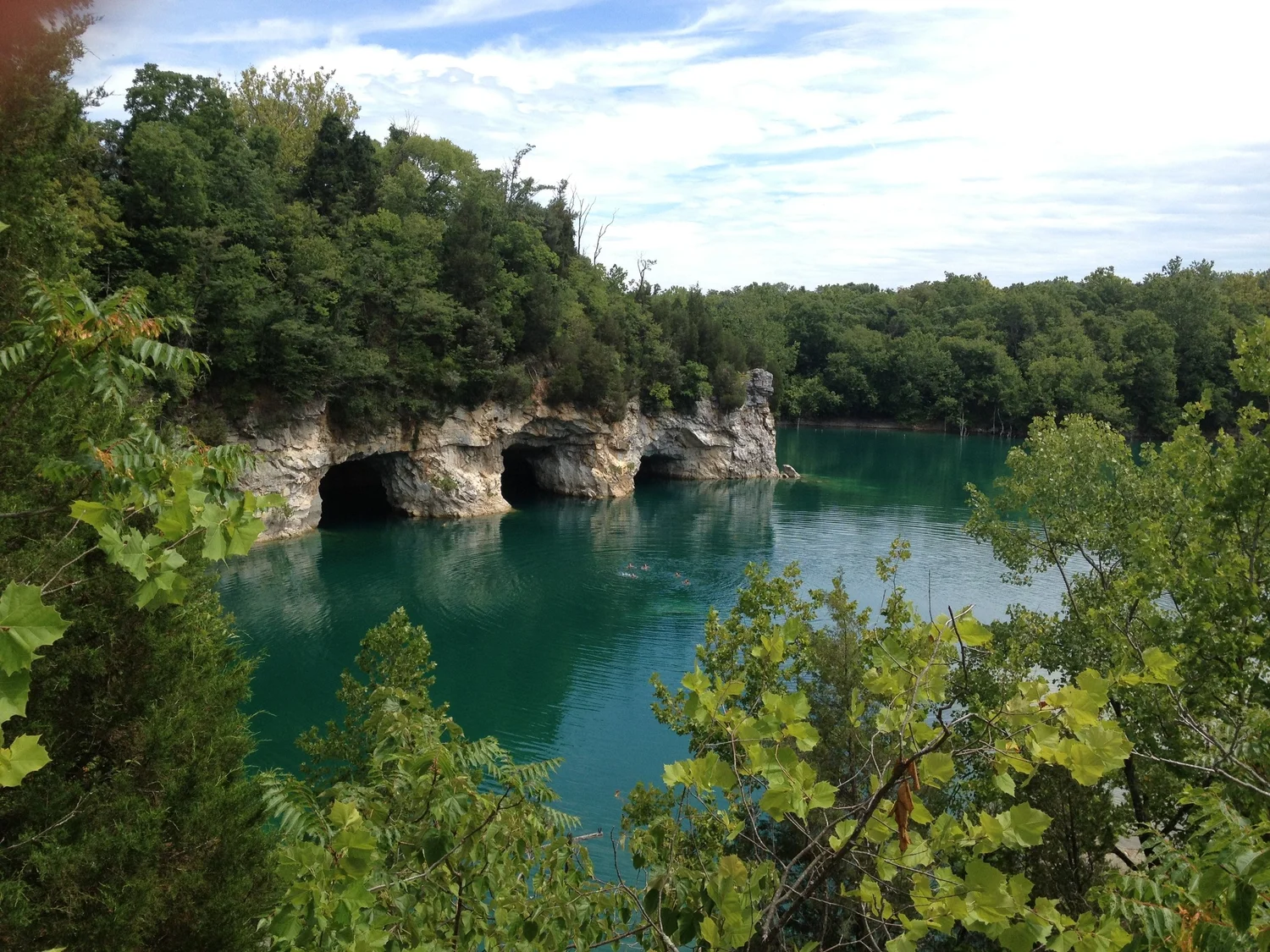
Wild Wonderful Rural Residencies are structured as customized residencies spread across the region, with Harpers Ferry as one key node. The focus is on rural transition: who lives there, how land is used, what’s changing, and how communities are adapting.
Core features:
- Residencies across multiple disciplines, including artists, filmmakers, writers, scientists, farmers, and scholars.
- A mix of production help, workspace, administrative assistance, and networking.
- Support in understanding local customs and rural issues.
- Residency lengths commonly cited as about 2 weeks to 2 months.
The approach is described as both artist-initiated and community-driven. You bring a project or direction; they co-shape the residency with you, pulling in sites and people that make sense for your research or practice.
Infrastructure highlights:
- QHHQ – a permanent hosting location and workspace.
- Wayside Wondercabinet – a production and exhibition venue for showing work and hosting events.
- Other partner spaces – depending on your project, you might work in farms, community buildings, or ad-hoc environments.
Who tends to thrive here:
- Artists comfortable with fieldwork, interviews, or participatory methods.
- Writers or researchers building long-form projects on rural life or environmental change.
- Collectives looking to connect with local communities rather than just isolate in a studio.
Start at V4L’s site for current structure and calls: https://v4larts.com/residencies.
Farwell Cottage Residency (V4L Arts)
Organizer: V4L Arts
Location: Historic Hillsboro, Virginia (regionally tied to Harpers Ferry and the same V4L network)
Good for: community-engaged artists, writers, performers, and anyone happy to be very public-facing.
Farwell Cottage is an 18th-century stone house in nearby Hillsboro. It generally hosts 1–3 residents at a time, with a strong emphasis on community interaction rather than quiet isolation.
What defines this residency:
- Residents are invited into workshops, open studios, walks, talks, parades, and casual encounters.
- The residency emphasizes being visibly present and accessible to the local community.
- Some stays include participation in an Eat, Drink, and Be Literary series, where residents share work salon-style and receive a stipend.
Practical living details:
- 18th-century house with modern amenities (you’re working inside a historic shell that’s actually livable).
- The town is small with minimal conveniences; don’t expect big-city amenities on your block.
- No public transportation – the program explicitly notes that you need a vehicle or arranged rides.
Who this fits:
- Artists who get energy from talking with neighbors, running workshops, and receiving visitors.
- Writers who like giving readings and participating in salon-style events.
- Artists who can carry a project that feeds off everyday community interaction.
You can reach information about Farwell Cottage via the V4L residencies page: https://v4larts.com/residencies and via the Artist Communities Alliance listing: Farwell Cottage Residency.
China Folk House AIR
Organizer: China Folk House at Canaan / regional partners
Location: Listed in Harpers Ferry-area residency guides
Good for: folk and traditional arts, cross-cultural work, and conceptual exploration grounded in heritage.
China Folk House AIR appears in Harpers Ferry residency listings as a cross-cultural exchange rather than a general open-call residency. The emphasis is on:
- Exchange between artists from Fujian Province and exurban Washington, DC-region communities.
- Practices that draw on traditional folk arts while allowing space for experimental and conceptual expression.
This is ideal if your practice engages with folk techniques, oral history, craft, or cultural mapping and you want those tools in conversation with contemporary art methods.
Where artists actually sit, sleep, and work
Harpers Ferry and its immediate neighbors are small, so you don’t choose between a dozen distinct arts districts. Instead, you’re thinking in terms of:
- Lower Town / Historic District – steep streets, river views, and historic buildings right in the national park. Great for walking, sketching, and photography, but limited in everyday services and often busy with tourists.
- Bolivar – the adjacent town that blends into Harpers Ferry. More residential, a bit more practical, still close enough to walk some places if you’re on the right street.
- Greater Jefferson County – small towns and rural pockets that can be more affordable and quiet, but car-dependent.
- Nearby Virginia and Maryland communities – where network-based programs like V4L may place you for part of a residency while you still use Harpers Ferry as a reference point.
Studios and workspaces are usually tied directly to your program:
- NPS may give you access to park facilities or work-from-home setups in park housing.
- V4L might set up a workspace at QHHQ, a partner site, or your housing, depending on the project.
- Farwell Cottage offers room to work inside the house and opportunities to spill into community spaces for events.
- Wayside Wondercabinet can function as an exhibition or project space within the V4L ecosystem.
If studio needs are specific (large-scale sculpture, noisy fabrication, specialized equipment), raise that early with any host. This region works best for portable work, research, writing, and small to medium-scale making.
Costs, logistics, and daily life
Cost of staying in the area
Harpers Ferry is a tourist-heavy historic town, so short-term rentals can be pricier than you’d expect for rural West Virginia. Most residency programs provide or arrange housing; if they don’t, plan your budget carefully.
General realities:
- Housing stock in town is limited. Many buildings are historic or geared toward visitors.
- Nearby communities in Jefferson County or just over the state lines can be more affordable, but you will need a car.
- Groceries and supplies are usually easier to get outside the historic district, so ask your host where artists typically shop.
Transport: you probably need a car
This area rewards anyone who shows up with wheels. The historic center is walkable, but the region is not built on public transport.
Key points:
- No meaningful local public transit in the way a city-based artist might expect.
- Some residencies explicitly state that no public transportation exists near their housing and that a car is required.
- You’ll want a vehicle for groceries, hardware runs, off-site research, and visiting nearby partner spaces.
In terms of regional access, Harpers Ferry does have:
- MARC Brunswick Line service and
- Amtrak’s Capitol Limited stop
These can get you into town, but do not solve everyday mobility. A practical pattern is: train in, then pick up a rental car, or coordinate with your residency host on pickup and errands if that’s an option.
Daily rhythm and amenities
Expect a slower pace, with your schedule shaped by light and weather more than nightlife. You’ll likely build routines around:
- Morning or evening walks to sketch, photograph, or think along the river or overlooks.
- Blocks of studio time at home or in whatever workspace your host provides.
- Occasional trips by car to bigger stores or regional towns for supplies.
- Public programs like talks, open studios, or walks, especially in V4L or park-based residencies.
If you rely heavily on specific food options, gyms, or late-night everything, ask in advance what actually exists near where you’ll stay. Harpers Ferry is more about trails and porches than late bars.
Visas and paperwork for non-U.S. artists
If you’re coming from outside the U.S., don’t treat Harpers Ferry differently from any other U.S.-based residency. The same questions apply:
- Is the residency paid or unpaid?
- Are you expected to teach, give public talks, or perform services as part of the residency?
- Will you receive an honorarium or stipend?
Depending on the program, you may use short-term visitor status for unpaid cultural activity, or you may need an exchange or other visa for formal, compensated programming. Each residency has its own structure, so always ask:
- Do they provide invitation or support letters for visa applications?
- How do they categorize your activities (tourism, cultural exchange, teaching, performance)?
Clarify this before you apply if international travel is involved.
Seasons, weather, and creative fit
Harpers Ferry’s seasons matter more than in many places, because so much of the draw is outdoors.
- Spring – rivers running, soft light, blooming trees, and a strong sense of new growth. Great for painting, photography, and writing with the windows open.
- Fall – intense foliage and clear views across valleys and rivers, with cooler temperatures for hiking and plein air work.
- Summer – beautiful but hot, humid, and often crowded with visitors. Good if you like dense tourism as part of your subject matter, or don’t mind working early and late.
- Winter – quieter streets, stark branches, and lower visitor numbers. Farwell Cottage runs January residencies, turning that winter quiet into a feature, especially for writers and reflective work.
Match your practice to the season. If you need long outdoor days and big crowds, prioritize spring or fall. If you want stillness and a strong sense of interior time, winter can actually be ideal.
Plugging into local art life
Because the scene is program-based, the easiest way to connect locally is through your host organization.
Key anchors:
- V4L Arts – runs Wild Wonderful Rural, Farwell Cottage, and regional projects. Watch their site for calls and projects: https://v4larts.com/residencies.
- Harpers Ferry National Historical Park – runs artist residencies and public programming. Information is on the park site: https://www.nps.gov/hafe.
- Regional arts networks – surrounding Shenandoah Valley and Jefferson County organizations that sometimes partner on events and exchanges.
You’re likely to encounter:
- Open studios and small public presentations.
- Workshops or community walks tied to a residency project.
- Salon-style events, readings, or talks hosted by local partners.
- Pop-up shows in historic buildings or nontraditional venues.
If you want to extend your visit beyond a residency, keep an eye on regional listings. Harpers Ferry is small, but the wider tri-state area has more ongoing arts programming than the town itself might suggest at first glance.
Choosing the right Harpers Ferry–area residency for your practice
To match your work to the right program, think about what you actually need for the project you care about most.
- Landscape and history focus
If your project is about place, battlefields, rivers, or American memory, look at the Harpers Ferry National Historical Park Artist-in-Residence. It’s the most direct route into the historic landscape. - Research, rural systems, and community change
If you’re mapping rural transition, land use, or social shifts, Wild Wonderful Rural Residencies offer the most flexible and research-friendly setup. - Community engagement and public programs
If you love workshops, readings, and direct contact with neighbors, Farwell Cottage is structured around that kind of work. - Folk arts and cross-cultural exchange
If your focus is heritage practice or traditional crafts in conversation with contemporary art, China Folk House AIR is a strong match.
Before you commit, ask every host:
- What housing is provided and what’s nearby?
- What kind of studio or workspace will you actually have?
- Do you absolutely need a car, and is parking easy?
- Is there a stipend, honorarium, or production support?
- What public obligations (talks, workshops, open studios) are expected?
- Can they support international artists with paperwork if needed?
Harpers Ferry is compact, but the contexts are rich: industrial ruins, river confluences, Appalachian trails, rural communities in transition, and national narratives layered over local stories. If your practice responds to place, you’ll have more material than time, which is exactly what you want from a residency city.
China Folk House AIR
Harpers Ferry, United States
Collaborative exchange between artists from Fujian Province and exurban Washington DC areas. Focus on traditional folk arts and experimental/conceptual expression in an exceptional setting.
Wild Wonderful Rural
Harpers Ferry, United States
Wild Wonderful Rural Residencies by V4L Arts offers customized creative residencies in Harpers Ferry, WV, focusing on rural transition themes via participatory research. Provides production help, space, admin support, networking. Open to all disciplines; 2 weeks-2 months.
Browse by discipline in Harpers Ferry
Filter in Harpers Ferry
Been to a residency in Harpers Ferry?
Share your review