Artist Residencies in Helsinki
9 residenciesin Helsinki, Finland
Why Helsinki works so well for residencies
Helsinki is small enough that you can cross the center in 20–30 minutes, but dense enough in museums, project spaces, and residencies that you can build a real professional network in a short stay. The city takes public support for art seriously, and that shows in how residencies are structured: studio space is common, research is respected, and there’s usually no pressure to produce a polished exhibition.
If you want a place where you can experiment, read, test ideas with peers, and still meet curators and institutions, Helsinki is a strong option. The rhythm is slower than London or Berlin, but the trade-off is focus, approachable institutions, and time to think.
Most international artists land here through one of a few key residency structures, then build connections across the city. The guide below is structured around those main residency ecosystems and how they plug into daily life: where you’ll likely live, work, and show up socially.
HIAP: Helsinki International Artist Programme
Website: hiap.fi
HIAP is usually the first residency people associate with Helsinki. It’s international, relatively well-resourced, and known for treating research and unfinished work as a legitimate outcome.
Main locations
- Suomenlinna studios – live/work studios in a former 18th-century barracks on a UNESCO World Heritage island, about 15 minutes by public ferry from the city center.
- Cable Factory / Kaapelitehdas – live/work studios inside Helsinki’s largest cultural complex, with galleries, theatres, and creative offices all in the same building.
- Villa Eläintarha – a wooden villa next to Töölönlahti bay in central Helsinki, used for shorter stays and special programs.
What HIAP actually offers
Details can shift depending on the partner and year, but the general structure looks like this:
- Residency length – usually around three months for artists; shorter for curators.
- Disciplines – open to visual arts, performance, sound, moving image, research-based practices, and cross-disciplinary work; collectives and small groups are welcome.
- Housing + studio – many HIAP units are true live/work spaces, not just a room and a desk.
- Working grant – international open calls often come with a grant or stipend, arranged with partner organisations.
- Community facilities – shared spaces such as a Community Room, Project Space, Equipment Room, and a Wood Workshop on Suomenlinna.
- Equipment access – some gear (like projectors and sound systems) can be borrowed, which helps if you work in video, sound, or installation.
- Open studios – HIAP regularly organises open studio events at the end of residency periods; participation is usually encouraged but not forced.
Spaces and what they feel like
- Atelier apartments on Suomenlinna – approximately 80 m² live/work units that can host 2–4 people. Good if you’re working big, collaborating, or bringing family.
- Residency apartments on Suomenlinna – around 30 m², more compact, often better for writing, research, editing, or digital work.
- Cable Factory studios – roughly 63 m² with a combined living and working area, kitchenette, sleeping loft, and private bathroom. You’re in the middle of a cultural complex with exhibitions and performances happening down the hallway.
Some HIAP apartments and studios are pet friendly, and family members are welcome, which is not always the case in residency programs elsewhere.
Who HIAP suits
HIAP is a good fit if you:
- want a balance of quiet studio time and access to institutions
- work across disciplines or use research-heavy methods
- like having peers around but don’t need a rigid program schedule
- appreciate shared tools and technical support
If you need constant city noise and events every night, Suomenlinna will feel slow, especially outside summer. If you need deep isolation away from any city at all, the island can still feel “urban” because the ferry brings you in and out of the center so easily.
Villa Eläintarha and central-city stays
Website: villaelaintarha.fi
Villa Eläintarha is a wooden villa in a park-like setting right next to Töölönlahti bay and walking distance to many major art institutions. It hosts shorter residencies, usually from about a week up to around two months.
What Villa Eläintarha is like
- Location – very central, surrounded by green space, with easy access to Kiasma, Ateneum, HAM, and Töölö’s cultural venues.
- Focus – more oriented toward production, presentation, or short-term projects than long-form retreat-style research.
- Structure – stays are often self-directed; you have space and time, but not necessarily a big program of events or mentoring built in.
This kind of residency works well if you’re coming to Helsinki for a specific collaboration, exhibition, or research visit, and you want a calm, central base rather than a fully programmed residency.
Koyne Helsinki Residence: studio + mentoring
Website: koyne.org/Helsinki-Residence
The Koyne Residency is an independent program that pairs studio work with structured development support. It’s useful if you want feedback, curated visits, and help accessing local institutions, rather than just a room and a key.
Set-up and facilities
- Accommodation – about 20 m² self-catering space in the Kamppi district, right in the city center, with a kitchen and bathroom.
- Studio – roughly 25 m², around 10 minutes by train from the center, with 24/7 access (occasionally shared).
- Tools and biomaterials – the studio includes tools and experimental materials you can access by appointment, useful if you work materially or in bio/eco practices.
- Mentoring and visits – curated mentoring, feedback sessions, and visits to key art institutions in Helsinki.
Who Koyne suits
This residency is especially relevant if you:
- want structured dialogue about your work with curators and mentors
- are in a research or experimentation phase but still want clear professional development outcomes
- prefer to separate studio and home physically, with an easy commute between them
Residency lengths are flexible, starting from short stays of a couple of weeks, so it can slot around other commitments or be combined with another Finnish residency.
How Saari Residence fits into a Helsinki plan
Website: koneensaatio.fi/en/saari-residence
Saari Residence is not in Helsinki; it’s a rural program in Mynämäki, run by Kone Foundation. It enters many Helsinki conversations because artists often combine a Saari period with time in the city, or vice versa.
What Saari offers
- Residencies for artists, writers, researchers, and collectives.
- A strong emphasis on ecology, sustainability, and slow work.
- A rural, quiet environment where you can focus deeply.
For a Helsinki plan, Saari is relevant if you want to split your time between concentrated rural work and more network-heavy time in the capital. It’s common to build an arc: research and networking in Helsinki, then intense production at Saari, or the other way around.
Helsinki neighborhoods you’ll actually move through
Even if your residency is on an island or in a studio complex, you’ll end up mapping the city around certain districts. Here are the areas most artists tend to use, and why.
Kallio
- Traditionally more affordable than the most central districts, with many artists, students, and cultural workers.
- Bars, cafes, and small venues where you’ll likely end up for openings or after-events.
- Good base for shared apartments and easy tram access to central galleries and museums.
Alppiharju and Sörnäinen
- Close to Kallio, with a mix of industrial and residential spaces.
- Studios, rehearsal spaces, and DIY venues often pop up here.
- Useful if you want to be close to the art-and-nightlife belt without being right in the middle of it.
Kamppi, Kruununhaka, Punavuori
- Kamppi – central transport hub, shopping, and some studio clusters; Koyne’s accommodation is in this area.
- Kruununhaka – historic, calm, and close to institutions; good if you value walkability and a quieter atmosphere.
- Punavuori – design shops, galleries, and cafes; often associated with the design and creative industries.
Töölö
- Residential, green, and close to key cultural venues and the sea.
- Easy reach to museums and city-center galleries.
- Villa Eläintarha sits right next to Töölönlahti bay, so you’ll pass through Töölö frequently if you’re based there.
Suomenlinna
- Historic sea fortress and island, technically part of Helsinki but accessed only by ferry.
- HIAP’s main studio complex is here, so many artists live directly on the island during residency.
- Peaceful, windy, and visually dramatic; a good environment for slow, concentrated work.
Cost of living and what residencies save you
Helsinki is not cheap. Rent, eating out, alcohol, taxis, and imported goods are the main cost spikes. The biggest financial relief residencies provide is housing, often combined with studio space and sometimes a grant.
What to expect financially
- Housing – market rents are high. If your residency includes accommodation, that’s a major advantage.
- Food – groceries are moderate to high in price but manageable; eating out regularly adds up quickly.
- Transport – public transport is efficient and not outrageous, especially if you get a monthly pass.
- Materials – basic art supplies are accessible, but specialty materials and imports can be expensive.
If your residency does not include a stipend, budget both for cost of living and for production. If it does include a working grant, check how far that realistically goes given your working habits.
Studios, tools, and production infrastructure
Helsinki stands out because many residencies give you serious working space, not just a desk. This matters if you’re working in installation, performance, or anything beyond laptop scale.
HIAP and Suomenlinna
- Live/work units mean you can spread out, leave work up, and move between living and making fluidly.
- Shared facilities like a wood workshop and an equipment room help you test larger or more technical ideas without renting private facilities.
- Community spaces make it easy to arrange informal screenings, crits, or work-in-progress showings with other residents.
Cable Factory / Kaapelitehdas
- One of the city’s key cultural complexes, housing galleries, theatres, studios, and organisations.
- Even if your residency is not inside Cable Factory, you’ll likely attend events or openings here.
- Good spot to get a sense of the local professional network, as many art workers, curators, and producers move through the building.
Independent studios and networks
Various Helsinki-based organisations run their own residency or studio programs, sometimes in partnership with HIAP or other institutions. These can be more specialised: performance, live art, contemporary theatre, or specific research focus. They may offer rehearsal spaces, mentoring, and an expectation of a public event like an artist talk, demo, or workshop.
Galleries, institutions, and where to show up
Because Helsinki is compact, you can get a good sense of the art ecosystem in a few weeks if you plan your visits. Institutions and residency spaces often know each other, so introductions travel fast.
Major institutions
- Kiasma – Museum of Contemporary Art, central to contemporary practice and performance-related programming.
- Ateneum – historic and modern Finnish art; useful for research or context rather than direct networking.
- HAM Helsinki Art Museum – city museum with contemporary and public art focus.
- Kunsthalle Helsinki – changing exhibitions, often relevant for contemporary practices and group shows.
Gallery and project space clusters
- Artist-run and commercial spaces in central Helsinki, Kallio, and Punavuori.
- Project spaces and galleries inside or near Cable Factory.
- Independent platforms connected to performance and live art networks.
During a residency, it’s worth planning a few days just to move between these nodes, introduce yourself when appropriate, and understand how your work might fit into ongoing conversations.
Getting around: trams, ferries, and winter reality
Helsinki’s public transport system is practical and integrated, and you can usually avoid cars entirely.
Core transport facts
- HSL runs trams, buses, metro, trains, and ferries on one unified ticket system.
- Trams are ideal for moving between central galleries, Kallio, and the main museums.
- Suomenlinna ferry departs from the Market Square; the ride is about 15 minutes and included in standard transport tickets.
- Cable Factory is reachable by metro, tram, bus, or bike, depending on where you’re living.
- Airport access is straightforward via commuter train or bus, which is reassuring for short residencies and frequent flyers.
Biking is pleasant in warmer seasons and there’s a city bike scheme, but winter can be icy, dark, and windy. If you’re here in winter, build extra time into your movements and think about how weather affects your practice (for example, outdoor shoots or long material-drying times).
Visa and residency length planning
Visa questions depend heavily on your nationality and the length and structure of your stay, but there are a few practical patterns that affect artists.
Typical scenarios
- EU/EEA/Swiss citizens – generally can stay and work without a visa, though registration rules may apply for longer stays.
- Non-EU/EEA citizens – often need a Schengen visa for short stays or a residence permit for longer or funded residencies, depending on duration, type of work, and funding.
Residencies often supply an invitation letter, which helps with visa processes. Always check Finnish immigration guidelines under categories like cultural work, research, or artistic activity, and double-check how many days your Schengen stay allows if you’re also passing through other countries.
Seasonality: when to be in Helsinki
The city feels completely different in winter versus summer, and that affects what the residency period gives you.
If your focus is networking and public events
- Spring and early summer tend to be active, with more openings, events, and public programs.
- Late summer to autumn is also strong as institutions reopen and new exhibition seasons start.
If your focus is concentrated studio work
- Winter is excellent for focus: fewer distractions, long studio hours, a strong sense of retreat.
- The trade-off is reduced daylight and harsher weather, which can affect mood and energy, so it helps to structure your days intentionally.
When reading open calls, pay attention not only to the dates but also to what that season means in practice for your energy, materials, and visibility.
Local art communities and open studios
Residency life in Helsinki is not just about institutions; it’s about the small-scale networks you build: other residents, artist-run spaces, curators, organisers, and independent producers.
Open studios and events
- HIAP and other residency programs often organise open studios where you show work-in-progress.
- These events pull in local curators, artists, and general audiences.
- Participation is usually optional but recommended if you want to build relationships quickly.
How to plug into the scene
- Show up at gallery openings, especially in Kallio, Punavuori, and central Helsinki.
- Attend talks, panels, and workshops hosted by museums and residencies.
- Ask residency staff to introduce you to artists or curators working near your practice.
- Use shared kitchens and studios as social spaces: many collaborations start over coffee breaks and shared meals.
Is Helsinki right for your practice?
Helsinki suits artists who value structured support and studio space over hype, and who are comfortable with a city that takes its time. The strongest fits tend to be artists who:
- want a solid live/work set-up and access to tools rather than just a room
- need time for research, experimentation, or rethinking their practice
- are interested in Nordic and Baltic networks and cross-disciplinary conversations
- appreciate institutions that are reachable and human-scale
If you need a very cheap city, a huge commercial art market, or constant nightlife, Helsinki will feel too restrained. But if you’re ready for a concentrated period of work framed by thoughtful infrastructure, residencies here can shift your practice in a steady, lasting way.
Aalto University School of Arts, Design and Architecture
Helsinki, Finland
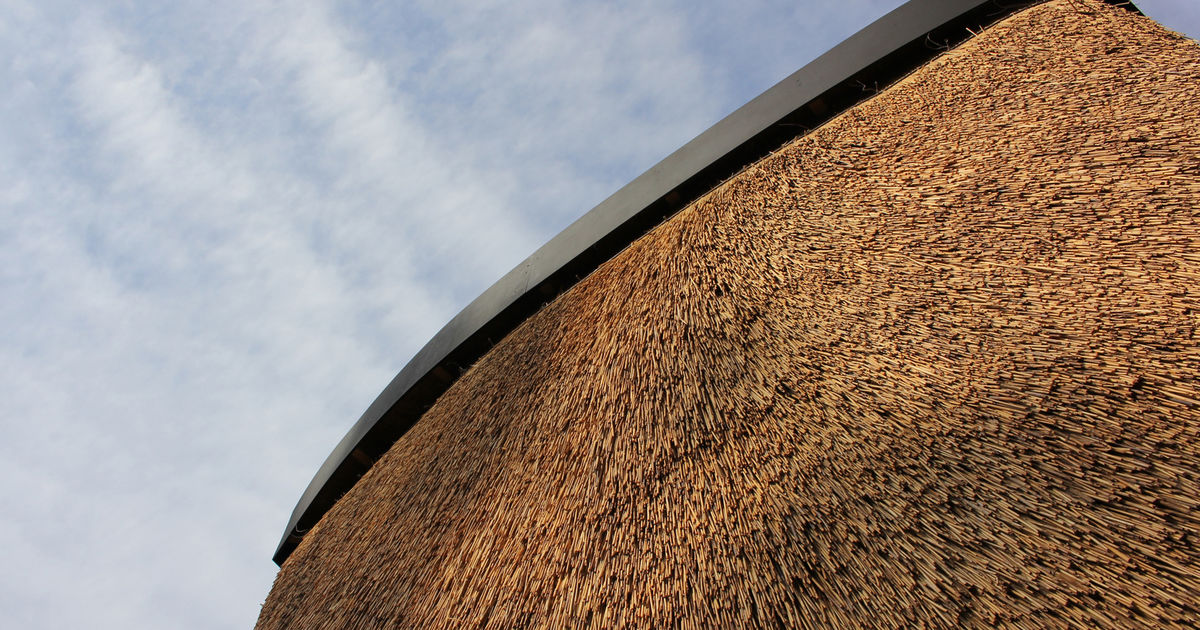
The Aalto University School of Arts, Design and Architecture Artist-in-Residence Programme (Aalto AiR) offers internationally active artists a two-year residency in Helsinki to pursue personal projects while engaging with the university's collaborative community of researchers, students, and staff. Residents are expected to dedicate 4-6 weeks per year to teaching, organize one workshop annually, and give at least two public presentations, with outcomes premiered in the Helsinki region. The programme, which began around and fosters transdisciplinary dialogue between art and science, has been on pause since .
Finnish Artists' Studio Foundation
Helsinki, Finland
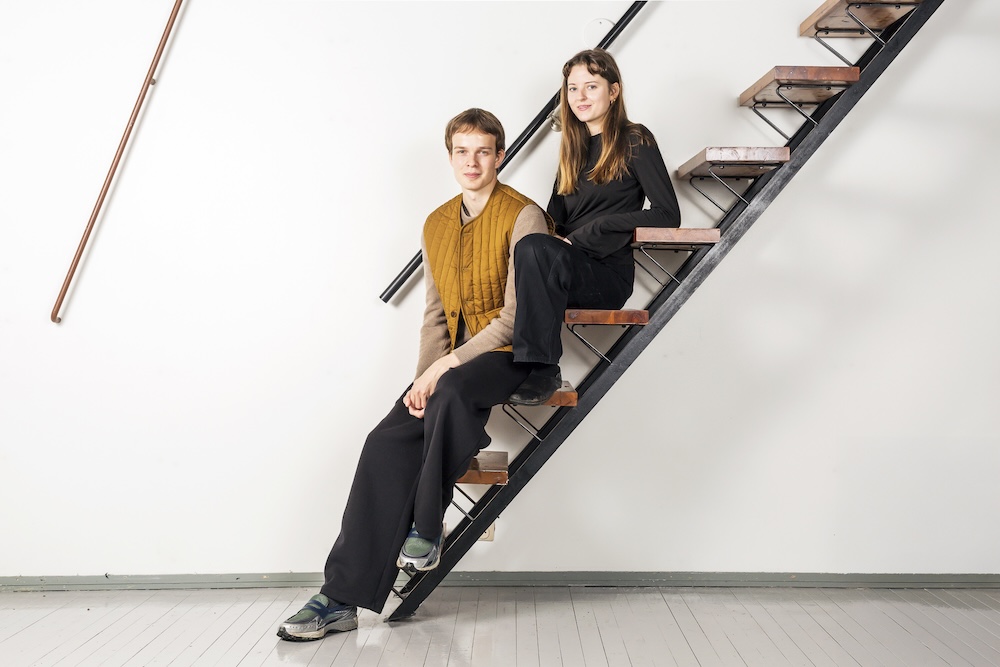
The Finnish Artists' Studio Foundation (Ateljéesäätiö) is a Finnish organization that has historically coordinated the FAIRE Finnish Artist Residency Network, providing information, peer meetings, and data on artist residencies in Finland. It does not operate its own artist residency program but facilitates cooperation and dissemination of residency opportunities across the sector. As of early , its coordination role for FAIRE has transferred to HIAP – Helsinki International Artist Programme.

Finnish Society of Bioart
Helsinki, Finland
The Finnish Society of Bioart, based in Helsinki, Finland, organizes the Ars Bioarctica residency program at the Kilpisjärvi Biological Station in sub-Arctic Lapland, emphasizing art-science collaborations focused on the Arctic environment. It offers residencies typically lasting 2-4 weeks or one month, open to artists, scientists, and interdisciplinary teams from various disciplines and career stages, with access to labs, field equipment, and living facilities. Additional initiatives include the biannual Field_Notes field lab and partnerships in programs like Learning Materials in Helsinki.

Greta and William Lehtinen Foundation
Helsinki, Finland
The residence offers accommodation only and is open for professional artists of all nationalities working within the fields of Design, Visual Arts, Music and Architecture. The residence can accommodate three artists at one time.The residence is available year-round with residency periods ranging from 1–9 months.Residency Programme since: 2020Description of Organisation: In 1968 Greta and William Lehtinen established a foundation bear
HIAP – Helsinki International Artist Programme
Helsinki, Finland
HIAP – Helsinki International Artist Programme provides international artists and art practitioners opportunities for creative work, research, and interdisciplinary dialogue. Located in Helsinki, HIAP offers residencies at Suomenlinna and Cable Factory, providing time and space for developing new work in collaboration with the local art scene. The residencies accommodate various disciplines including visual art, film, digital art, and performance, and support experimental and cross-disciplinary practices. Residency apartments are equipped to accommodate individuals or small families, and special provisions are available for those with accessibility needs. The program does not require financial obligations from the residents but offers a supportive environment for open-ended research and creative exploration.

Performing Arts Centre Finland (ESKUS)
Helsinki, Finland
Performing Arts Centre Finland (ESKUS) is a meeting place and cooperation platform for performance artists, founded in , with 21 member groups and over 200 member artists located in Suvilahti, Helsinki. It offers artist residencies, including summer programs since providing rehearsal spaces, typically 2-4 weeks, open to Finnish, Nordic, Baltic, and international professionals in live art, performance, and contemporary theatre. Residencies include access to 60-80m2 studios with wooden floors suitable for dance and movement, plus networking and public event opportunities.

Villa Eläintarha
Helsinki, Finland
Villa Eläintarha is an artist residency program housed in a historic wooden villa built in 1889, located in central Helsinki next to Töölönlahti bay, offering short-term stays for professionals from various art disciplines, culture production, and education. Managed by the Myymälä2 cooperative since in partnership with the City of Helsinki and HIAP, it prioritizes artists invited for specific projects, research, or events by local grassroots organizations, with plans for public events to enhance networking and community access. The residency provides accommodation without dedicated studios, suitable for small-scale work like writing or digital projects, and features 5-6 rooms, shared kitchen, living areas, and laundry facilities.
Villa Sarkia
Helsinki, Finland
Villa Sarkia is a residency program in Sysmä, Finland, primarily for young writers, translators, and working groups under 40, offering a peaceful environment in a historic wooden villa to focus on literary work. Residency periods typically last 1-3 months, with housing provided free of charge (including rooms, kitchen, lounge, sauna, and garden), though residents must participate in one local event and pay a small registration fee. It is managed by Nuoren Voiman Liitto and the municipality of Sysmä, hosting up to 3-4 residents at a time.

Writers’ house Villa Kivi
Helsinki, Finland
Writers’ House Villa Kivi runs Writers’ Residency in the side building of the Villa Kivi Estate, Linnunlaulu Villa Area, downtown Helsinki. Professional authors, writers and members of the literary community, who are not residents of Uusimaa province, Finland, are eligible to apply both for the Residency and the short-term accommodation. Applications for the longer-term Residency rooms require a working plan for a literary project during the Reside
Browse by discipline in Helsinki
Filter in Helsinki
Been to a residency in Helsinki?
Share your review