Artist Residencies in Heraklion
4 residenciesin Heraklion, Greece
Why Heraklion works for residencies
Heraklion is Crete’s biggest city, but it still feels human-scale and lived-in. You have dense historic streets, the Venetian harbor and walls, and neighborhoods with strong identity, all wrapped around a working port city. For artists, that mix of layers and daily life is a big part of the draw.
You get:
- Historic urban fabric: old alleys, city walls, courtyards, and peeling facades that are great for walking research, sketching, photography, or site-responsive work.
- Fast access to landscapes: mountain villages, beaches, and olive groves are close enough for day trips or fieldwork, especially if you have a car.
- Local culture that’s still very present: music, food, religious festivals, craft traditions, and a strong sense of neighborhood life.
- Artist-run residencies: programs here tend to be informal, self-directed, and community-linked rather than institutional and rigid.
If you want pristine white cubes and a tightly curated program, Heraklion might feel loose. If you want time, texture, and space to figure things out, it’s a good fit.
Core residencies in and around Heraklion
There are a handful of programs that artists regularly use as a base in or near Heraklion. They sit on a spectrum from urban and self-directed to rural and structured. Choosing between them is mostly about how much support, community, and quiet you want.
Lakkos Artist Residency (Heraklion city)
Type: Artist-run, multidisciplinary, self-directed
Location: Old Town / Lakkos district, Heraklion
Lakkos Artist Residency is an artist-run program in Heraklion’s historic center, close to the old town walls and the Lakkos neighborhood. The residency was created to help revive the Lakkos district, which used to be the city’s underground quarter and still carries that edge: murals, layered histories, small local businesses, and a strong street presence.
What the residency offers
- Independent working time: no formal curriculum, no daily schedule, and no requirement to produce a final exhibition.
- Minimum stay of around two weeks: long enough to get oriented and actually make work, but flexible if you can’t commit to months away.
- Disciplines: open to painting, drawing, mixed media, photography, film and video, sculpture, craft and traditional arts, and more experimental practices as long as they work in a compact, urban setting.
- Living and working space: private or shared rooms in a traditional house and access to shared workspace; think home-studio hybrid rather than big institutional studios.
- Pop-up possibilities: if there’s space and interest, you can set up a one-night show or open studio in the building’s common areas.
- Neighborhood connection: the residency is embedded in an area known for murals and community projects.
What the vibe is like
This is a hands-off residency. The organizer is around for advice, occasional check-ins, and local context, but your time is yours. No one is going to chase you for progress reports. That’s liberating if you’re self-motivated, and slightly disorienting if you’re used to structured programs.
The city itself becomes your larger studio: streets, cafes, museums, archaeological sites, and the port. There’s strong potential for research-based projects that respond to Minoan, Venetian, Ottoman, and modern layers of Heraklion, or to the everyday social fabric of the neighborhood.
Who this suits
- Artists who want urban energy and daily contact with a living city.
- Anyone working in drawing, painting, photography, writing, or light media that fits easily into a home-studio setup.
- Artists interested in murals, street-level observation, or informal community contact.
- People who are comfortable setting their own goals and rhythm.
Things to factor in
- It’s artist-run and funded largely by resident fees, so expect a DIY atmosphere rather than institutional infrastructure.
- Heraklion summers are hot. If you don’t work well in heat, consider shoulder seasons.
- For ceramicists: there isn’t a kiln on site, but there’s a relationship with a professional ceramics studio in town where you can rent equipment.
Ano Asites Artists Residency (mountain village linked to Heraklion)
Type: Rural, artist-run, informal, community-focused
Location: Ano Asites village, about 30 minutes from Heraklion by car
Ano Asites is the rural sister residency to Lakkos. It sits in a mountain village surrounded by dramatic views and traditional architecture. The goal is to bring life back to a village that many locals are leaving for the city.
What the residency offers
- Simple live/work space in a village house that doubles as a studio environment.
- No formal program: no required deliverables, no fixed curriculum, and an open-ended attitude to outcomes.
- Village-scale projects: residents often paint murals, make small interventions, or set up community projects in spots that need visual care.
- Presentation options: you can host a small event at the end of your stay, but expect a tiny audience, often neighbors and friends.
- Connection to Lakkos: Heraklion is close enough that you can link village work with city visits or events.
What the vibe is like
This is a slow residency: mountain air, small routines, very few distractions, and a lot of autonomy. Because it is still in a growing phase, the infrastructure can feel basic, but that’s part of the appeal if you want quiet and a sense of building something alongside the hosts and locals.
The residency and village encourage a kind of mutual exchange: you bring attention, murals, and art energy; in return you get access to stories, local landscapes, and a setting that’s dramatically different from a city studio.
Who this suits
- Artists who want rural immersion and a slower pace.
- People working with murals, site-specific or community-based practice.
- Artists who enjoy solitude and small social circles rather than big networks.
- Those who can work with limited facilities and are okay improvising.
Things to factor in
- The village is small. For public events, daytime or weekend slots and cross-pollination with Heraklion tend to work better than trying to build a large local audience.
- Transport matters. A car is very useful if you want freedom of movement between the village and Heraklion or other parts of Crete.
- If you need specialized tools or materials, you may need to bring them or plan carefully around what’s available in the city.
Event Horizon Crete (rural retreat near the sea)
Type: Rural retreat, multidisciplinary, selection-panel-based
Location: Near the sea in a rural area within reach of Heraklion
Event Horizon Crete is a retreat-style residency set on several acres of olive groves close to the coast. It offers private creative space for visual arts, music, literature, and ecology projects.
What the residency offers
- Private studio space in a building made from converted, insulated shipping containers.
- Rural setting with olive trees, meadows, and easy access to the sea.
- Accommodation options: rented and subsidized options depending on your budget and timing.
- Rolling admissions: applications are accepted on an ongoing basis, evaluated by a selection panel, often with a short online interview.
- Cross-disciplinary mix: visual artists, musicians, writers, and ecology-focused practitioners share the space.
What the vibe is like
This is more of a production retreat than a public-facing program. Think quiet, studio time, and long stretches to focus. The setting naturally pushes you toward work that responds to land, ecology, or slowness, but there’s no requirement that you work on those themes.
Because the studios are separate and the setting is spacious, you can control how social or secluded you want to be.
Who this suits
- Artists who want time to produce or experiment without city distractions.
- Writers, composers, and researchers who need focus and quiet.
- Artists interested in ecology, landscape, or material research related to rural Crete.
- People who are fine with distance from galleries and nightlife in exchange for stillness.
Things to factor in
- There is a selection process. Clear proposals and good documentation matter.
- Public events are not the core focus. If your priority is shows and openings, you might combine this with a separate city stay.
- Depending on where you’re based on the property, having a car can be useful for trips to Heraklion or nearby towns.
Mudhouse Residency (Agios Ioannis, wider Crete)
Type: Structured, cohort-based, workshop-rich program
Location: Mountain village of Agios Ioannis, Crete
Mudhouse is not in Heraklion itself, but if you’re considering Heraklion as a hub for Crete, it belongs on your radar. It’s a well-known residency in a mountain village where ruins and abandoned buildings are part of the artistic context.
What the residency offers
- Structured sessions with a cohort of artists across disciplines.
- Facilities for studio artists including printmakers, fiber artists, ceramicists, photographers, and more.
- Workshops on eco-friendly processes and traditional materials: botanical inks, papermaking, artists’ books, printmaking, ceramics, loom weaving, and Cretan dance.
- Community immersion in a semi-abandoned village where art activity helps bring life back.
- Private rooms, shared kitchen, and typically two group meals per day.
- Curatorial contact via visiting curators, professionals, and organized excursions.
What the vibe is like
This is the most structured option in the region. You work alongside a group, share meals, attend workshops, and join planned outings. It’s immersive and social, with a clear support system and built-in community, which suits artists who want peers and feedback.
Who this suits
- Artists who value cohort energy, critique, and shared meals.
- Those who want technical facilities and guidance in specific mediums.
- Artists who benefit from external structure and a set schedule.
Things to factor in
- This is a fee-based program, even if reduced by donor support. Budget planning is key.
- The village is remote. Heraklion is accessible but not on your doorstep, so think of this as a dedicated block of time rather than a city + residency hybrid.
- The program usually runs in set sessions, so dates and availability are fixed rather than fully flexible.
Living and working in Heraklion as an artist
Regardless of which residency you choose, you’ll probably spend time in Heraklion itself for supplies, research, or travel. Understanding how the city works makes the stay smoother.
Cost of living and budgeting
Heraklion is generally cheaper than Athens and many Western European cities, but prices spike during peak tourist season. The biggest factor in your budget will almost always be where you sleep.
- Accommodation: short-term rentals rise sharply in summer. Residency housing is often more stable and predictable than booking on the open market.
- Food: local markets, bakeries, and small tavernas are friendly to artist budgets. Cooking at home cuts costs dramatically.
- Cafes: coffee culture is strong, and you can work for stretches in cafes if you are discreet and keep ordering.
- Transport: buses and walking cover most needs in the city. Occasional taxis are manageable for airport or port transfers.
For residencies that don’t fully include housing or meals, build in a buffer for seasonal price shifts, especially if your dates overlap with the main holiday period.
Neighborhoods and everyday rhythm
Residency life in Heraklion revolves mostly around the center and nearby districts:
- Old Town / Historic Center: lively streets, mixed local and tourist presence, good for sketching, photography, and people-watching. Many cultural sites are here.
- Lakkos area: once a red-light and underground quarter, now full of murals, small cafes, and a slightly scruffier, lived-in feel. Great if you want street-level inspiration.
- Near the Venetian Walls: walkable to everything, with pockets of quiet residential streets and views.
- Harbor zone: closer to ferries and some museums. Parts are more commercial and traffic-heavy, but the sea and port activity can feed work about transit, trade, or movement.
If you prefer quiet evenings, look just outside the densest tourist streets while staying within bus or walking distance of the center.
Studios, materials, and production
Heraklion doesn’t have a big commercial studio-rental market for short stays, so residencies themselves are the most realistic way to secure workspace.
When you compare programs, pay attention to:
- Studio type: shared open space, home-studio setup, or separate dedicated studios.
- Hours: whether you can work late, play music, or produce noise.
- Materials: how easy it is to source the basics in Heraklion (paint, paper, hardware) and what you might need to pack or ship.
- Special facilities: ceramics kilns, printmaking equipment, or digital tools are not guaranteed. Check with hosts if your work depends on them.
Many artists in Heraklion also treat the streets, harbor, and seaside as extensions of the studio, whether for walking, writing, or informal documentation.
Art scene, transport, and practicalities
Galleries, museums, and art spaces
Heraklion’s art scene is modest but active. You will not find a single big gallery district. Instead, things are scattered and often tied to municipalities, universities, or artist-run spaces.
As a resident, you’re likely to interact with:
- Municipal and regional spaces that host exhibitions and cultural events.
- Independent galleries and project spaces around the center.
- Residency-led pop-ups, open studios, and informal shows in living or working spaces.
- Public art and murals, particularly in Lakkos and in villages connected to residencies.
A great way to plug in is to ask your host for current local exhibitions and public events. The scene often runs on word-of-mouth, social media posts, and personal invitations rather than heavy advertising.
Getting there and getting around
Heraklion is relatively easy to reach:
- By air: Heraklion International Airport connects to Athens year-round and to many European cities in season.
- By sea: the port has regular ferry connections, especially to Piraeus near Athens.
- Inside the city: walking covers most of the center and old town. Buses handle outer districts. Taxis are straightforward for early or late travel.
- For rural residencies: a car is extremely helpful, sometimes essential, if you’re based in Ano Asites, near Event Horizon, or in more remote villages like Agios Ioannis.
Visas and time limits
Visa requirements depend on your nationality.
- EU/EEA/Swiss artists: usually enter and stay without a visa, though registration rules can apply for longer stays.
- Non-EU artists: often need a Schengen visa for short stays and must respect the 90 days in any 180-day limit.
Residences typically provide an invitation letter on request, but that does not replace formal visa approval. If you plan to teach, sell work, or be paid locally, double-check if that affects your status with the relevant Greek consulate.
Choosing the right residency for your practice
The Heraklion area offers very different working conditions depending on where you land. A quick way to decide:
- You want a walkable city base, unstructured time, and urban texture: look at Lakkos Artist Residency.
- You want a village, very small-scale community work, and murals: consider Ano Asites.
- You want quiet studios in nature and long, uninterrupted work days: explore Event Horizon Crete.
- You want structure, workshops, and a cohort with strong facilities: check Mudhouse Residency in Agios Ioannis.
Many artists combine things: a structured or rural residency on Crete and a self-directed period in Heraklion before or after, using the city as a base for research and reflection. However you configure it, Heraklion sits at a useful crossroads between a working Greek city, layered histories, and access to villages where residencies are actively shaping everyday life.
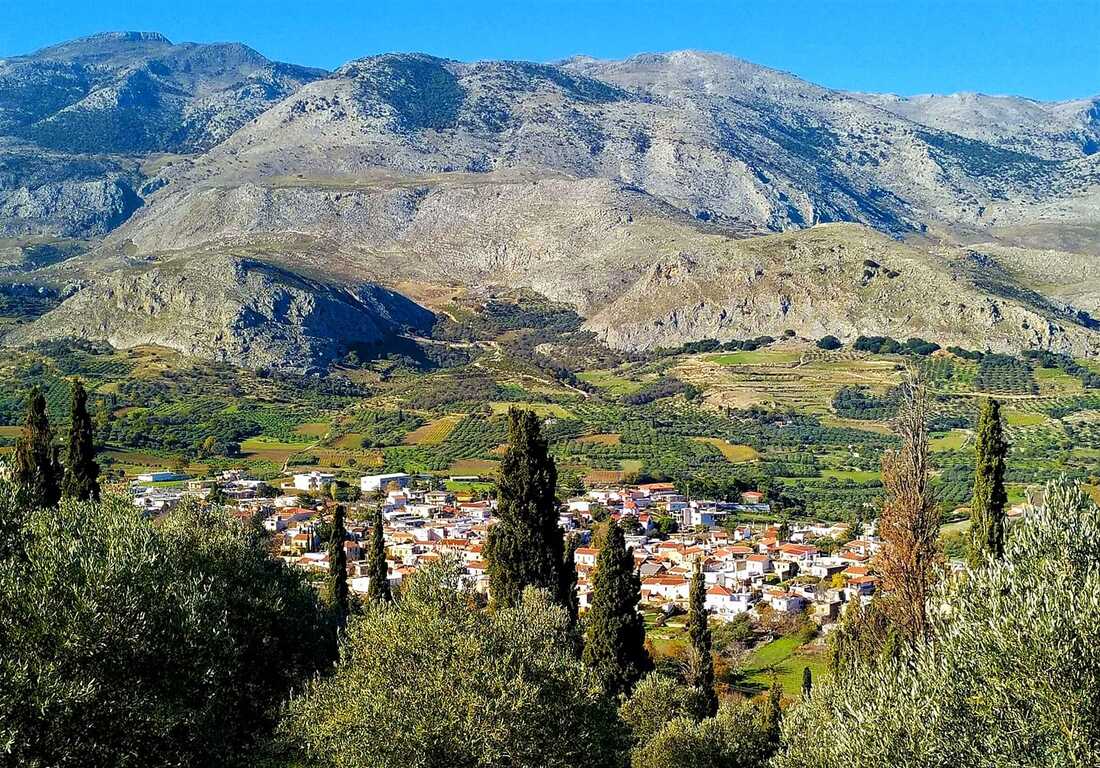
Ano Asites Artists Residency
Heraklion, Greece
The Ano Asites Artists Residency is a rural artist-run program in a mountain village near Heraklion, Crete, Greece, started in as the sister residency to the Lakkos Artists Residency to revitalize a depopulating traditional village through artistic community building. It offers a flexible, informal stay in a mountain hut with living and working space, open to all creatives, encouraging murals and community projects while providing isolation and inspiration from stunning views. Artists can collaborate with locals or connect to the urban Lakkos program, half an hour away, with no set outcomes as the residency continues to grow.
Lakkos
Heraklion, Greece
The Lakkos Artist Residency in Heraklion, Crete, is an artist-run program offering a peaceful yet vibrant environment for creatives. Located in the historic old town, the residency hosts up to two artists at a time, providing private accommodations and studio spaces. The residency encourages self-directed projects across various disciplines, from visual arts and writing to performance and ceramics. Residents can explore collaborations with the local community, contributing to the revitalization of the Lakkos neighborhood. With flexible stays starting from two weeks, the program provides a supportive space for independent creation in a culturally rich urban setting. Artists enjoy access to a lively arts scene, local markets, and historic landmarks, all within a short walk from the residency.
Lakkos Artists Residency
Heraklion, Greece
The Lakkos Artist Residency is an independent, artist-run multidisciplinary space founded in by visual artist Mathew Halpin, located in the historic Old Town of Heraklion, Crete, Greece, aimed at revitalizing the Lakkos district through creative research, urban exploration, and cultural immersion. It offers self-directed stays with no obligation for exhibitions, emphasizing unhurried creation, access to local art scenes, Minoan sites, and community engagement via murals and pop-up events. Artists enjoy shared or private accommodation, studio access, and proximity to beaches, museums, and a secondary village location 30 minutes away.
Roi Moving Art
Heraklion, Greece
Heraklion Art Studio ResidencyΤο πρόγραμμα φιλοξενίας καλλιτεχνών βρίσκεται στην Κρήτη και προσφέρει στους καλλιτέχνες την ευκαιρία να πειραματιστούν ελεύθερα με καλλιτεχνικό μέσο, ενω ζουν στην ιστορική πόλη της Ηρακλείου. Οι καλλιτέχνες έχουν την ευκαιρία να εξερευνήσουν τα μαγευτικά φυσικά τόπο της Κρήτης, αποκτώντας δημιουργικότητα και έμπνευση. Το πρόγραμμα φιλοξενίας καλλιτεχνών προσφέρει ιδιωτικό κατάλυμα με μπάνιο, κουζίνα και χώρο εργασίας, καθώς και εστιατόριο. Καλ
Browse by discipline in Heraklion
Filter in Heraklion
Been to a residency in Heraklion?
Share your review