Artist Residencies in Homer
2 residenciesin Homer, United States
Why Homer works so well as a residency town
Homer sits on Kachemak Bay, facing glaciers and the Kenai Mountains, with a working harbor on one side and a tight arts community on the other. That mix of wild landscape and small-town scale shapes almost every residency experience there.
You get a few consistent ingredients:
- Big landscape, shifting light: Bay, mountains, tidal flats, and weather that changes by the hour. Great if your work is responsive to place, ecology, or atmosphere.
- Community-scale arts scene: People tend to show up, remember you, and talk back. Programs in Homer usually expect some kind of community engagement, not just private studio time.
- Cross-disciplinary comfort: Visual artists, writers, performers, musicians, fiber artists, and social-practice folks all circulate through the same core organizations.
- Public-facing orientation: Residencies here often center conversation, workshops, and public events as much as finished objects.
If you’re looking for a place to hide completely, Homer is not the quietest option. If you want to make new work in dialogue with a place and its people, it can be a strong fit.
Bunnell Street Arts Center – Alaska AIR
Good for: artists who want a public-facing, community-engaged residency with real financial support.
Location: Bunnell Street Arts Center, 106 W Bunnell Ave, Homer, Alaska
What the residency actually looks like
Alaska AIR is a one-month artist residency that usually runs between October and April. It’s anchored at Bunnell Street Arts Center, a multidisciplinary venue that doubles as gallery, performance space, and studio.
Core support typically includes:
- Stipend: around $2,000 for a month.
- Travel support: some program descriptions include up to about $1,000 in round-trip coach airfare to Homer.
- Housing: private bedroom with private bath, usually in shared housing in Homer’s Old Town area, close to the gallery.
- Workspace: Bunnell’s main exhibition gallery, roughly 1,000 sq ft, used as an open studio during the day.
- Materials support: some years include an additional, modest materials/shipping stipend.
One key detail: the “studio” is also the main public gallery, open during regular hours. You’re working in a space visitors can walk through, which can be energizing or distracting, depending on your process.
Who this residency suits
Bunnell explicitly welcomes international, US, and Alaska artists in a broad mix of disciplines:
- Visual arts (2D, 3D, installation)
- Literary arts
- Performing arts, movement, music composition and performance
- Film and moving image
- Ephemeral, site-responsive, and social/civic practice
They’re especially interested in artists who can work with themes like accessibility, inclusion, decolonization, sustainability, skills-sharing, and community well-being. If your practice already involves workshops, co-creation with communities, or public conversations, this aligns well.
Expectations and rhythm
Alaska AIR is not a “shut the door and disappear for a month” program. You’re usually expected to offer some combination of:
- Artist talk or presentation
- Workshop, outreach activity, or collaborative community project
- Public-facing event such as an exhibit, performance, reading, screening, or installation
This is developed with Bunnell’s Artistic Director, so there’s room to shape it around your medium and comfort level.
It’s a good idea to arrive with a flexible project frame, not a rigid outcome. Think in terms of questions you want to ask with the community, or processes you want to test in public, instead of one fixed final piece.
Day-to-day reality
Here’s how artists often use the Alaska AIR structure:
- Mornings: studio work in the gallery before foot traffic picks up.
- Afternoons: open-studio conversations with visitors, research, walks to the harbor or beach, meetings with local partners.
- Evenings: events at Bunnell, planning for workshops, or quiet work back at housing.
If you crave one hundred percent solitude, this setup can feel exposed. If you gain energy from people watching your process, asking questions, and becoming part of the work, it’s a strong match.
Alaska Fiber Arts Residency – Homer Fiber Arts Collective
Good for: fiber and textile artists who want material-focused work time plus local craft connections.
This residency is also based in Homer and is connected to Bunnell and the Homer Fiber Arts Collective. It’s tailored to fiber, textiles, and related material practices.
What’s on offer
Program details can shift, but you typically see:
- Cash stipend: around $2,000.
- Travel allowance: an additional stipend for travel, sometimes around $500.
- Lodging: a private room with shared common spaces.
The residency centers on fiber-based work: weaving, quilting, surface design, soft sculpture, garment work, basketry, or crossovers between craft and contemporary art.
What kind of practice fits
This residency suits you if:
- You work directly with textiles, fibers, or traditional craft techniques.
- You want to learn from or contribute to regional fiber communities.
- You’re interested in materials that connect to climate, fishing culture, local flora, or reuse/repair practices.
Because Homer is remote, consider how you’ll source materials. Plan for a mix of shipped supplies, local thrift or hardware finds, and experimental use of what’s around you. The stipend helps, but shipping can add up.
Storyknife Writers Retreat
Good for: women writers who want focused, quiet time with strong support and minimal distractions.
Storyknife is a dedicated writers’ retreat just outside Homer. It’s built around individual cabins and a shared main house, with a strong emphasis on care, hospitality, and time to write.
Residency structure
- Who it’s for: women writers.
- Length: two-week or four-week sessions.
- Season: generally running between spring and fall.
- Housing and food: each writer has her own writing cabin; food and board are covered.
- Travel: writers usually cover their own travel to and from Homer.
This is a quiet residency by design. You have your own writing space, meals are handled, and your main responsibilities are your work and basic participation in community life with other writers.
How writers use this space
Storyknife tends to support:
- Fiction and novel projects that need sustained daily time.
- Poetry, essays, and hybrid work that draws from the landscape.
- Revisions of full manuscripts, where the goal is to cross a specific finish line.
Cabin life and catered meals free up a lot of mental bandwidth. If your writing benefits from daily, uninterrupted blocks of time, this residency structure is built around that.
Wilderness and stewardship residencies near Homer
Good for: artists drawn to wilderness, conservation, and expedition-style projects.
In addition to city-based programs, there are residency opportunities tied to public lands, such as the Alaska Maritime National Wildlife Refuge and similar initiatives. These are sometimes based out of the Homer area, with field components in more remote locations.
How these residencies differ
Common patterns include:
- Length: roughly a week to 9 days.
- Season: often summer, when fieldwork is possible.
- Structure: artists are paired with wilderness specialists and participate directly in stewardship projects like research, monitoring, or education.
- Disciplines: open to visual artists, writers, filmmakers, musicians, and audio artists.
The goal is to connect artistic practice with the actual stewardship of public lands, then share that experience through artworks, talks, or community events.
Who should consider these
These residencies suit you if you:
- Are comfortable in remote, outdoor conditions and can work with limited studio infrastructure.
- Already engage environmental or ecological themes in your work.
- Want your residency to feel more like field research than studio retreat.
Expect basic conditions, variable weather, and a schedule that orbits around fieldwork and staff logistics as much as your own routine.
Choosing the right Homer residency for your practice
Think less about which program sounds impressive on paper and more about how you actually like to work.
- If you need conversation and public energy: Alaska AIR at Bunnell offers an open studio, community events, and direct interaction with visitors and local partners.
- If you want quiet and structured support: Storyknife gives you a cabin, meals, and a small cohort of writers, with no pressure to perform publicly.
- If your work is material and craft-focused: the Alaska Fiber Arts Residency builds in stipend support and connection to fiber networks.
- If you want field research and wilderness immersion: the stewardship-style residencies linked to public lands create a short, intense field-based experience.
Match the residency’s expectations to your own bandwidth: public programming, community engagement, and travel in a remote region all take energy. Budget for that when judging how much new work you can realistically make in a given timeframe.
Neighborhoods, spaces, and daily life
Most arts activity for residents is anchored around Old Town and the core of Homer.
- Old Town / Downtown: home to Bunnell Street Arts Center and several galleries. Walkable, close to cafés, harbor activity, and local life.
- Homer Spit: extends into the bay, full of harbor infrastructure and seasonal businesses. Great for visual research and sketching, less likely where you’ll live. Outlying areas: cabins and houses with sweeping views, often car-dependent but ideal if you need quiet and horizon line.
Bunnell’s gallery functions as a central hub, even if you’re not in their program. Openings, performances, and events there are a good way to meet local artists and audiences.
Costs, logistics, and what to budget for
Homer is remote, and that shapes costs and planning. Residency support softens this, but it helps to know where expenses creep in.
Cost of living basics
- Groceries: higher than many artists are used to, especially for fresh produce and specialty items.
- Shipping: heavier or oversized materials can be expensive and slow to arrive.
- Transport: flights within Alaska and car rentals can add up.
- Housing outside residency dates: more expensive in peak summer.
Most residencies in Homer cover housing and workspace, and several help with food or stipends. If you’re self-funding extra days before or after a program, factor in higher rates during summer months.
Materials and shipping strategies
For visual, fiber, and installation work, logistics matter. A few practical approaches:
- Ship a compact core kit ahead, and confirm with the residency that they can receive packages.
- Lean into smaller-scale works that travel flat or in a suitcase.
- Plan for lighter, adaptable materials you can source locally (paper, found materials, textiles, hardware-store items).
- For large installations, think modular: components that can be assembled on site, then disassembled or left in Homer when appropriate.
Getting to Homer and getting around
Your path usually looks like: fly into Anchorage, then either fly or drive to Homer.
- By air: regional flights connect Anchorage and Homer. Faster, more expensive, and weather-dependent.
- By road: the drive along the Kenai Peninsula is long but scenic, passing through places like Soldotna. Useful if you need to bring more materials or instruments.
Once in Homer:
- On foot: Old Town and downtown are walkable, especially if your housing is close to Bunnell.
- Car: helpful if you’re doing fieldwork, hiking, or staying out of town.
- Seasonal conditions: winter and early spring can bring snow and ice, so build in some flexibility around travel days.
Accessibility considerations
Accessibility varies by building and program. A few recurring points:
- Bunnell’s main public spaces are generally accessible at ground level.
- Some upstairs lodging options may not have elevator access.
- Older buildings can mean variable bathroom and corridor layouts.
If accessibility is central to your participation, ask each program for current details on entrances, bathrooms, lodging floors, and transport options. Staff can often suggest specific room assignments or support if they know your needs in advance.
Visas and legal status for international artists
If you’re coming from outside the US, residencies that include stipends, housing, or public programming can raise visa questions.
Basic steps:
- Ask the residency for a clear written description of what they’re providing and what you’re expected to do.
- Review guidance from the US consulate or embassy in your country about short-term cultural visits.
- Consult an immigration professional if your situation is complex, especially if teaching or paid performances are involved.
This matters in Homer, especially for programs like Alaska AIR that include stipends, talks, and workshops. Clarify it early so you’re not sorting it out right before your flight.
Connecting with Homer’s arts community
Residencies plug you straight into a small but active arts ecosystem. A few ways to make that count:
- Attend openings and events at Bunnell: the quickest way to meet working artists, organizers, and audiences.
- Reach out to fiber or craft groups: especially if you’re in a textile-focused program.
- Set up studio visits or informal share sessions: many people are open to conversation if you initiate.
- Use your public event strategically: design your talk, workshop, or performance to invite collaboration and follow-up rather than just presenting finished work.
Because Homer is small, word travels fast. A thoughtful workshop, engaging talk, or generous open studio can lead to future invitations, collaborations, or return visits.
How to prep your application and project
For Homer residencies, it helps to show that your proposal is grounded, flexible, and genuinely responsive to the place.
- Do your homework: look at each residency’s past projects on their website or social channels and note how artists interacted with the community or landscape.
- Articulate your interest in Homer specifically: not just Alaska in general. Mention Kachemak Bay, working waterfront culture, fiber networks, or community themes that matter to you.
- Frame engagement realistically: propose one or two specific public components (workshop, talk, participatory piece) that match the residency length.
- Be honest about logistics: if your work requires large equipment or heavy materials, briefly state how you’ll handle that in a remote context.
A strong application shows you understand the town’s scale and the residency’s expectations, and that you’re ready to meet Homer halfway.
Using Homer residencies in your longer-term practice
The real value of a Homer residency often shows up months later. To get the most from your time there:
- Document your process, not just polished outcomes. Photos, notes, and quick texts from the residency can inform later work.
- Stay in touch with key people you meet: curators, fellow residents, local collaborators.
- Translate at least one experiment you try in Homer into a future project, show, or publication.
- Reflect on what worked: public-facing practice, wilderness research, fiber networks, or quiet cabin time, then seek similar structures elsewhere.
Homer lends itself to artists who see residencies as part of an ongoing practice, not one-off escapes. If you come in with questions and leave with relationships, it can shape your work long after your flight home.

Bunnell Street Arts Center
Homer, United States
Bunnell Street Arts Center’s “Alaska AIR” Artist-in-Residence program invites international, US, and Alaskan artists to engage with the local community through artistic practice and dialogue. Located in Homer, Alaska, the residency provides artists with the opportunity to create new work while fostering connections within the community. Artists across visual, literary, performing, and interdisciplinary fields are encouraged to apply, with an emphasis on community engagement around themes such as inclusion, sustainability, and accessibility. The residency includes a $2,000 stipend, lodging, and a travel allowance of up to $1,000. Artists are also provided with a studio in the gallery space of the center, as well as access to equipment such as a piano, sound system, and video projector. In exchange, artists are expected to offer a public artist talk and a workshop or outreach event to further engage with the community. The residency is open to artists globally, and the application period runs from September 1 to October 31 annually.
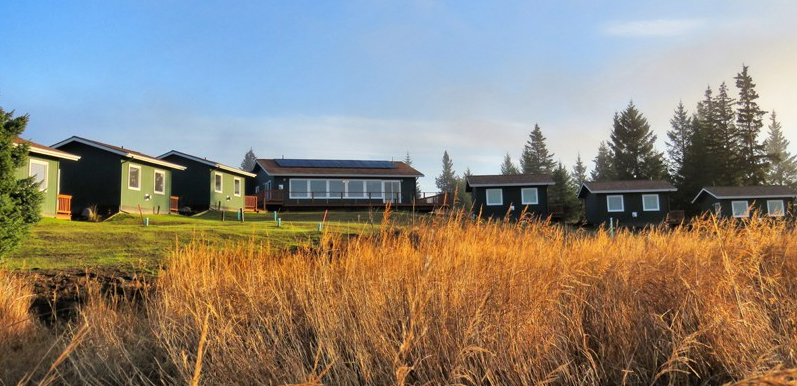
Storyknife Writers Retreat
Homer, United States
A literary nonprofit offering writing residencies for women writers overlooking Cook Inlet and the Aleutian Mountain Range. Provides time, space, and community support for women to explore their craft.
Browse by discipline in Homer
Filter in Homer
Been to a residency in Homer?
Share your review