Artist Residencies in Kamianets-Podilskyi
1 residencyin Kamianets-Podilskyi, Ukraine
Why Kamianets-Podilskyi works well as a residency city
Kamianets-Podilskyi sits in western Ukraine and feels built for slow, focused artistic work. The historic center, a canyon-wrapped fortress town, gives you strong visual material on day one. Combine that with an active literary and translation scene, socially engaged projects, and a compact scale, and you get a city that supports deep research more than fast spectacle.
The pull for artists usually comes down to a few things:
- Historic urban fabric: the Old Town, fortress, and bridge system make it one of the most photogenic heritage sites in Ukraine.
- Layered cultural identity: Ukrainian, Polish, Armenian, Jewish, Ottoman, and Soviet histories sit on top of each other, which is gold for anyone working with memory, borders, or archival material.
- Slower pace, lower cost: compared with Kyiv or Lviv, the rhythm is calmer and usually more affordable, which supports concentrated writing, research, or production.
- Existing residency ecosystem: unlike many cities of similar size, it already hosts structured residencies for poets, translators, and artists.
- Good for site-specific work: architecture, regional folklore, oral histories, and the post-socialist landscape are all easy to access and build into your practice.
Instead of one big museum district, the art life here is spread across independent curators, translation initiatives, local museums, and short-term projects. This suits artists who like building relationships directly with organizers, rather than plugging into a large institutional machine.
Key residency programs to know
The residency scene in Kamianets-Podilskyi is small but distinct. You see clear strengths in literature, translation, and socially engaged visual work.
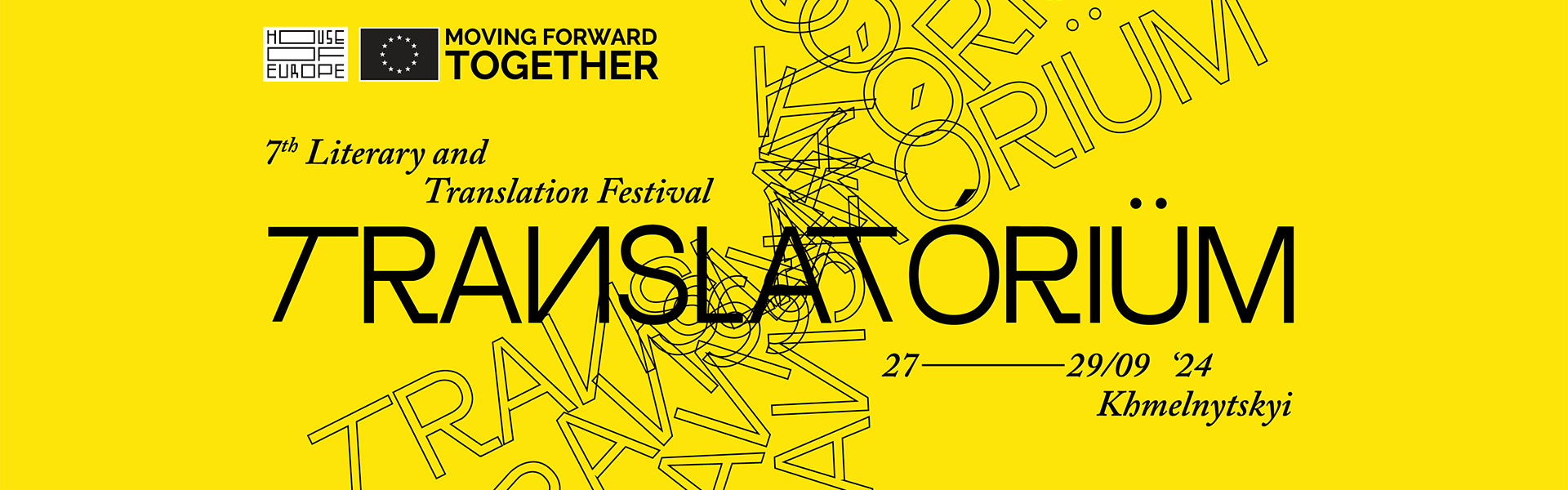
BAZHAN residency / NGO TRANSLATORIUM
Focus: poetry, translation, text-based practice
Good for: poets, poetry translators, writers working with performance, hybrid text, or literary research
NGO TRANSLATORIUM runs the BAZHAN residency in Kamianets-Podilskyi as part of a wider ecosystem of poetry and translation projects. It is a structured, professional program designed for short, intense working periods rather than long, drifting stays.
Core features typically include:
- Two-week stays that are long enough to dig into a project but short enough to fit into teaching schedules or freelance cycles.
- Accommodation in a cozy apartment in the Old Town, so you wake up inside the historic fabric you are likely responding to.
- Support for poetry projects, collections, translations, or performances, with an expectation that you are actively working on something specific.
- Funded structure: coverage of travel, accommodation, per diem, and curator support.
- Public sharing: chances to read, perform, or discuss your work with local audiences and peers.
There is also a clear ethical frame. Priority often goes to writers coming from war-affected regions, and the residency is connected to the Creative Europe Programme in cooperation with Versopolis, which signals a solid institutional backbone without feeling corporate.
How to approach it as an artist:
- Arrive with a defined project: a translation in progress, a poetry manuscript, a performance text, or research that uses the city as a case study.
- Think beyond the page: consider readings, small performances, or bilingual events that involve local communities.
- Ask about archives and contacts: NGO TRANSLATORIUM can often connect you with historians, librarians, or other writers.
Bakota Hub / Discovery Guide art residency
Focus: visual art, socially engaged and research-based practices, landscape and heritage
Good for: visual artists, photographers, artists working with community stories, interdisciplinary researchers
The Discovery Guide project included an art residency hosted by Bakota Hub, a platform connected to the wider Kamianets-Podilskyi and Dniester/Bakota region. For one of its editions, the hub invited six artists for a two-week residency through an international open call that drew more than 240 applications.
Participating artists included Anna Romandash, Olena Kayinska, Camille Bleu-Valentin, ARSÈNE, Robin Alysha Clemens, and Bohdana Korohod. This mix of Ukrainian and international residents points to a program that is:
- Competitive: a high number of applications for a small cohort.
- International: a clear interest in cross-border dialogue.
- Research-driven: focused on the region’s history, landscape, and communities.
The project has been co-funded by Creative Europe, which usually means structured expectations around outcomes, documentation, and public engagement.
If you are a visual or socially engaged artist, consider:
- Using the residency to work with local narratives around displacement, ecological change, or heritage tourism.
- Designing projects that are light on heavy materials, since production infrastructure is more limited than in big cities.
- Proposing collaborative formats (workshops, walks, sound walks, community mapping) rather than only studio-based work.
Smaller private and project-based residencies
Beyond named programs like BAZHAN and Bakota Hub, Kamianets-Podilskyi has a mosaic of smaller initiatives. These often appear as:
- Short-term stays organized by independent curators or collectives.
- Invitations tied to specific exhibitions, festivals, or cultural projects.
- Collaborations with local history museums or cultural centers.
These initiatives can be hard to find via a single website, so you usually discover them through:
- Local partners such as NGO TRANSLATORIUM or Bakota Hub.
- Regional residency overviews on platforms like Transartists.
- Word-of-mouth within Ukrainian art and literary networks.
These smaller setups can be ideal if you want more autonomy, fewer formal obligations, and a flexible timeline. Just be explicit in advance about what you need in terms of workspace, technical support, and visibility.
Where you will work and live: neighborhoods, costs, spaces
Kamianets-Podilskyi is compact. You move mostly on foot or via short local trips, which keeps logistics simple and costs lower.
Cost of living
Overall, Kamianets-Podilskyi is usually more affordable than Kyiv, Lviv, or Odesa. You feel this in:
- Rent: short-term apartments and rooms often cost less than in bigger cities.
- Food: local cafes, canteens, and markets are generally budget-friendly.
- Transport: the city center is walkable, and local buses are cheap.
- Workspaces: studios are often part of residency packages or improvised from existing rooms.
Costs still depend on season, exact neighborhood, and how close you are to the tourist-heavy Old Town. If you are applying to a residency, ask very directly what is covered and what is not: rent, utilities, internet, local travel, and production costs.
Neighborhoods that tend to work for artists
The city breaks down into a few zones that work well for residency life.
- Old Town / Historic Center
This is where many residencies anchor themselves. You get immediate access to the fortress, bridges, streets, and viewpoints that make the city unique. It is ideal for site-specific work, photography, and research into heritage and tourism. The tradeoff is more visitors during peak seasons and slightly higher prices. - Central areas near the Old Town
These neighborhoods are still close enough to walk into the historic core but a bit less touristy. You get everyday shops, calmer nights, and more local life. Good if you like dipping into the Old Town rather than living in the middle of it. - Newer residential districts
These parts of the city are more practical than atmospheric. Rents can be lower, you get supermarkets and services, and it is easier for longer stays. You might need public transport to reach residency venues, but you gain quiet and a more typical urban rhythm.
Studios and workspaces
Kamianets-Podilskyi does not have big warehouse-style studio clusters. Residency organizers usually improvise:
- Working apartments where living and studio space overlap.
- Rooms in cultural institutions or community centers.
- Temporary studios arranged for a specific project period.
- Shared spaces used for both work and public events.
If your practice depends on specific conditions, raise it early:
- Material needs: do you need a sink, heavy tables, storage, or the ability to work with dust, clay, printing, or large-scale painting?
- Sound: can you work with loud audio, instruments, or recording equipment, or are the walls thin?
- Tech: how stable is the internet, and are there enough outlets and power for your gear?
- Access: is the space available 24/7, or only during institutional hours?
If a residency cannot provide a proper production studio, consider using your stay for research, writing, drawing, sound recording, or concept development, and then producing large-scale work later back home.
Galleries and cultural venues
You will not find a dense commercial gallery district here. Instead, expect:
- Project spaces: temporary exhibitions or pop-ups linked to residencies and local initiatives.
- Local museums and House of Culture-type institutions: where exhibitions, community events, and historical displays mix.
- Literary venues: spaces used for readings, panels, and translation-related events.
This setup favors artists who are comfortable with non-traditional venues: museum corridors, community halls, outdoor interventions, or hybrid events that combine talk, performance, and installation.
Getting there, visas, and timing your stay
Because of wartime conditions and changing infrastructure, logistics require a bit more planning than a typical European city trip. Hosts are usually experienced in helping visitors reach the city safely and efficiently.
How to reach Kamianets-Podilskyi
The city is reachable by a combination of train, regional bus, and road connections. Common routes include:
- Long-distance train or bus from major cities, followed by local connections.
- Regional travel from nearby centers such as Chernivtsi or other western Ukrainian towns.
Because schedules and routes can change, especially under wartime conditions, always check:
- Current train timetables from official railway sources.
- Long-distance and night bus options.
- Any curfews or local safety restrictions that affect late arrivals.
- Advice from your residency host about preferred routes and arrival times.
Visa basics
Visa requirements depend entirely on your nationality. Some artists can enter Ukraine visa-free for short periods; others need to apply in advance.
Before committing to a residency, check:
- What kind of entry you qualify for (visa-free stay, short-term visa, etc.).
- Whether the host can provide an official invitation letter or confirmation of participation.
- How long you plan to stay, and whether that fits within standard visa-free durations.
- Insurance requirements for your trip, especially in relation to conflict-affected areas.
Use three points of information: the Ukrainian embassy or consulate for your country, your residency host, and your travel insurer. If you come from a war-affected region yourself, look out for programs that explicitly offer tailored support, such as the British Council’s Artist Residency Programme and similar initiatives that sometimes connect with Ukrainian partners.
When to be in Kamianets-Podilskyi
The city works very differently across the year, especially if your practice depends on being outdoors.
- Late spring to early autumn
Best for walking, photography, field recordings, and site-specific research. You get longer days, better weather for exploring the fortress and canyon area, and easier conditions for community engagement. - Early autumn
Often a sweet spot: fewer tourists than peak summer, still comfortable weather, and a quieter atmosphere that suits writing and editing. - Winter
Great for writing, translation, editing, and archive work. Less ideal if your work requires extensive outdoor movement or on-site filming. The city can feel more introspective, which many writers value.
Most structured residencies announce their calls months ahead. If you need visas or funding, give yourself a long runway: aim to apply several months before you hope to arrive, and even earlier for high-demand seasons.
Local communities and how to plug in
The strongest resource in Kamianets-Podilskyi is not just the architecture; it is the network around translation, poetry, and socially engaged practice.
Cultural players worth knowing
- NGO TRANSLATORIUM
A key actor around poetry and literary translation, responsible for BAZHAN and other projects. They connect you to writers, translators, and readers who treat language as shared terrain rather than a private studio tool. - Bakota Hub
A platform working with international artists around the Bakota and Dniester region, often tying landscape and heritage to contemporary practice. Useful if you want to work outside the city, in rural or river-adjacent contexts. - Museums and Houses of Culture
Local institutions and small-town museums preserve history, folklore, and everyday memory. Staff often know stories you will not find online, and they may be open to collaborations, talks, or micro-exhibitions.
Events, open studios, and public sharing
Residencies here usually expect some kind of public component, which might look like:
- Readings or performances, often bilingual or with translation.
- Artist talks or small lectures aimed at local audiences and students.
- Workshops, especially for youth or community groups.
- Intimate exhibitions or informal open studios.
Because there is no large, permanent open-studio district, visibility is built through these smaller, focused events. When you apply, ask:
- What kind of public output the residency expects.
- What kind of documentation (photo, video, text) they can support.
- How they handle translation and interpretation during events.
Is Kamianets-Podilskyi a good fit for you?
Kamianets-Podilskyi works particularly well if you:
- Work with text, translation, poetry, or research-based writing.
- Care about heritage, layered histories, and borderland identities.
- Want a smaller city where you can build relationships quickly.
- Prefer deep focus and quiet over a constant stream of openings.
- Can work with light production setups and flexible, improvised studio conditions.
It may feel limiting if you need:
- A strong commercial gallery market.
- Large-scale fabrication facilities or specialized equipment on site.
- Non-stop nightlife or a big-scene vibe.
- Very quick access to major international airports.
If your practice thrives on history, language, and lived stories, Kamianets-Podilskyi can give you exactly what you need: time, context, and people who care about culture as something shared, not just consumed. When you research residencies, keep these key names in your notes: BAZHAN Residency, NGO TRANSLATORIUM, Bakota Hub, and the broader Creative Europe/Versopolis network that sometimes supports these projects.
Filter in Kamianets-Podilskyi
Been to a residency in Kamianets-Podilskyi?
Share your review