Artist Residencies in Kyoto
7 residenciesin Kyoto, Japan
Kyoto is one of those cities that keeps rewarding slow looking. If your work needs history, craft knowledge, quiet research time, or contact with artists working across disciplines, this city makes sense. It is a former imperial capital, but it is not frozen in time. Temples, gardens, workshops, university networks, galleries, and residency organizations sit close enough together that you can spend a day moving between past and present without forcing the connection.
For artists, that mix is the draw. Kyoto gives you a place to research materials, traditions, and cultural context while still finding a live contemporary scene. If you are thinking about a residency here, it helps to understand which programs are built for production, which are better for research, and which are strongest when you want community rather than isolation.
Why Kyoto keeps showing up on artists’ lists
Kyoto works well for artists who want to look closely. The city has active craft cultures in ceramics, textile dyeing, weaving, lacquer, paper, woodwork, metalwork, and tea. These are not just heritage forms on display. They are part of the city’s working fabric, which means you can often find real points of contact for material research and collaborative thinking.
It also helps that Kyoto is manageable. The city is large enough to offer strong institutions, but it is still small enough that you can settle into a routine. That matters on residency, especially if your practice depends on walking, observing, sketching, collecting references, or meeting people repeatedly over time.
Artists tend to come here for a few common reasons:
- research into Japanese aesthetics, history, or material culture
- access to craft communities and workshops
- support for interdisciplinary or community-based work
- a quieter pace for thinking, not just producing
- international exchange in a city with deep local identity
Kyoto Art Center: the most central institutional option
Kyoto Art Center Artist-in-Residence Program is one of the most established residency programs in the city. It supports emerging artists and art researchers who want to develop work in Kyoto, and it has been running since 2000. The center itself is a useful starting point if you want to be embedded in the city rather than working on the edge of it.
The building sits on the site of a former elementary school, and that history matters. The renovation kept the existing architecture in play, so the place feels rooted in the city rather than dropped in as a generic arts facility. Inside, you get studios, workshop access, and presentation spaces, along with galleries and performance spaces that help the building function as an active cultural hub.
One detail that matters: the program alternates between visual artists and performing artists from year to year. That means you need to read the current call carefully and make sure your practice fits the cycle. If it does, the residency can be a very practical base for research, local networking, and public sharing.
What makes it especially useful is the location. You are close to galleries, transit, and the everyday life of central Kyoto. If you want to spend your residency meeting people, visiting exhibitions, and keeping your work connected to the city, this is one of the clearest fits.
What to expect
- support for emerging artists and researchers
- studio and workshop access
- presentation spaces available through consultation
- a multidisciplinary setting with visual and performing arts activity
- no on-site accommodation, so housing is typically arranged separately
Villa Kujoyama: high-level research with long reach
Villa Kujoyama sits in the hills above Kyoto and has a very different feel from a central city residency. It is a multidisciplinary residency shaped around projects connected to Japan, and it welcomes both emerging and established artists. If your work has a strong conceptual frame and a clear research component, this is one of the most significant opportunities in the city.
The program’s strength is not just the residency period itself. It is also the long tail of support that can follow it. The listing notes follow-on support for several years after the residency, including help with research continuation and presentation opportunities through partner venues. That makes it especially valuable for artists who are thinking beyond a single stay and want the research to open into later exhibitions, publications, or collaborations.
Villa Kujoyama is also a strong option if your practice connects to exchange between cultures. The program was built around dialogue, and that continues to shape its identity. It is not a casual retreat. It is a serious residency with a high level of visibility, so your proposal needs to be precise and grounded.
What to keep in mind
- best suited to research-driven projects
- competitive, with a strong international profile
- especially relevant if your work relates to Japan
- quiet setting that supports concentration
- good for artists ready to extend the residency into future work
KKARC: a community-based residency with real local contact
Kyoto Kinugasa Art Residence for Community, usually called KKARC, is a useful choice if you want more than studio time. Run by NPO ANWEAL GALLERY, it welcomes artists, writers, curators, researchers, and educators. The program is built around interaction: with local artists, craftspeople, galleries, historical sites, and artist-run spaces in the area.
That makes a difference. Some residencies give you a room and let you disappear into your own process. KKARC pushes you toward exchange, and that can be productive if your practice grows through conversation, fieldwork, or community contact. It is especially appealing if you want to understand a place through relationships rather than from a distance.
The accommodation is a private residence with shared tatami rooms and a bedroom for resident artists. Visual artists get studio space in the garage area. Performing artists need to ask in advance about rehearsal options. A bicycle is available, which sounds minor until you are moving across neighborhoods every day. In Kyoto, that is a real advantage.
Who this suits best
- artists who want community interaction
- writers, curators, and researchers as well as visual artists
- practitioners comfortable with a flexible, non-isolated setup
- people interested in site visits and local exchange
- artists who value context as much as production
The Kyoto Retreat: short, focused, and useful for research
The Kyoto Retreat is closer to a research break than a studio residency. It offers a short stay in Kyoto for artists, curators, and writers, with support for travel, lodging, and daily costs. That structure makes it appealing if you do not need a full production setup and instead want time to look, read, walk, and think.
This kind of format can be especially helpful if your project depends on gathering references, meeting contacts, or testing whether a longer project in Japan makes sense. It is also a lower-commitment way to experience the city before applying to a more intensive residency later.
If you are at a stage where you need space for reflection rather than output, a retreat model can be the right scale. Kyoto is well suited to that because the city itself offers so much material: architecture, gardens, craft districts, exhibitions, and the everyday textures of a place where old and new sit side by side.
Bridge Studio and other interdisciplinary spaces
Bridge Studio is worth looking at if your practice moves between architecture, urban development, design, and art. Kyoto has a useful overlap between artistic and spatial thinking, and places like this help make that overlap practical.
Not every artist needs a formal residency with a fixed program. Some projects work better in a studio community where you can connect with adjacent fields and use the city as your research site. If your work touches public space, built environments, or design systems, keep an eye out for spaces like this alongside the more established residency programs.
What life in Kyoto feels like on residency
Kyoto is usually more affordable than central Tokyo, but it is still a major city, so housing is the biggest budget item if it is not already covered. When accommodation is included, your remaining costs are often meals, local transport, materials, and any research travel you build into the project.
Getting around is straightforward. Trains and subway lines are efficient, buses cover a lot of ground, and bicycles are genuinely useful if you are staying for more than a few days. Buses can slow down in tourist periods, so a mix of bike and rail is often the least frustrating way to move.
The neighborhoods most relevant to artists tend to be:
- Nakagyō-ku for central access and proximity to Kyoto Art Center
- Sakyo-ku for a student and research atmosphere
- Higashiyama-ku for historic surroundings, though it can be tourist-heavy
- Kyoto Station area for practical short stays and transport connections
- Kinugasa and Ukyō-ku for more residential, community-based experiences
- Yamashina Ward for a quieter setting like Villa Kujoyama
Summer can be hot and humid, which matters if your work involves fieldwalking or heavy studio labor. Spring and autumn are the easiest seasons for moving around and researching on foot. Winter is quieter and can be excellent if you want fewer crowds and a slower pace.
Visa and planning basics
For short stays, many artists enter Japan on temporary visitor status, depending on nationality and the nature of the residency. If a program includes a stipend, honorarium, or paid work component, check carefully whether that changes what you need. Hosts may provide invitation letters, but visa responsibility usually stays with you.
The safest move is to confirm the current requirements with the Japanese embassy or consulate in your country and to start early. If your residency depends on a specific visa category, leave yourself plenty of time to sort it out. Do not assume a letter from the host solves everything.
As a working rule, start preparing several months ahead, especially for more competitive programs or anything with international exchange attached. A strong Kyoto application usually shows that you understand the city, not just the residency name.
How to choose the right Kyoto residency for your practice
There is no single Kyoto residency that suits everyone. The right fit depends on how you work.
- Choose Kyoto Art Center if you want a central institutional base with studio access and a strong local network.
- Choose Villa Kujoyama if your project is research-driven, internationally framed, and deeply connected to Japan.
- Choose KKARC if you want a community-oriented experience with local exchange built in.
- Choose The Kyoto Retreat if you need a short, reflective research period rather than a production residency.
- Choose Bridge Studio if your work moves across art, design, and spatial practice.
Kyoto is strongest for artists who want the city to shape the work, not just host it. If you are looking for material, context, and time to think, it gives you all three. The residencies here are not interchangeable, though. Each one asks something different of you, and that is where the real decision sits.
If you approach Kyoto with a clear project and a willingness to learn from place, the city can give back a lot. The key is to choose the residency that matches how you actually work, not how you wish you worked.
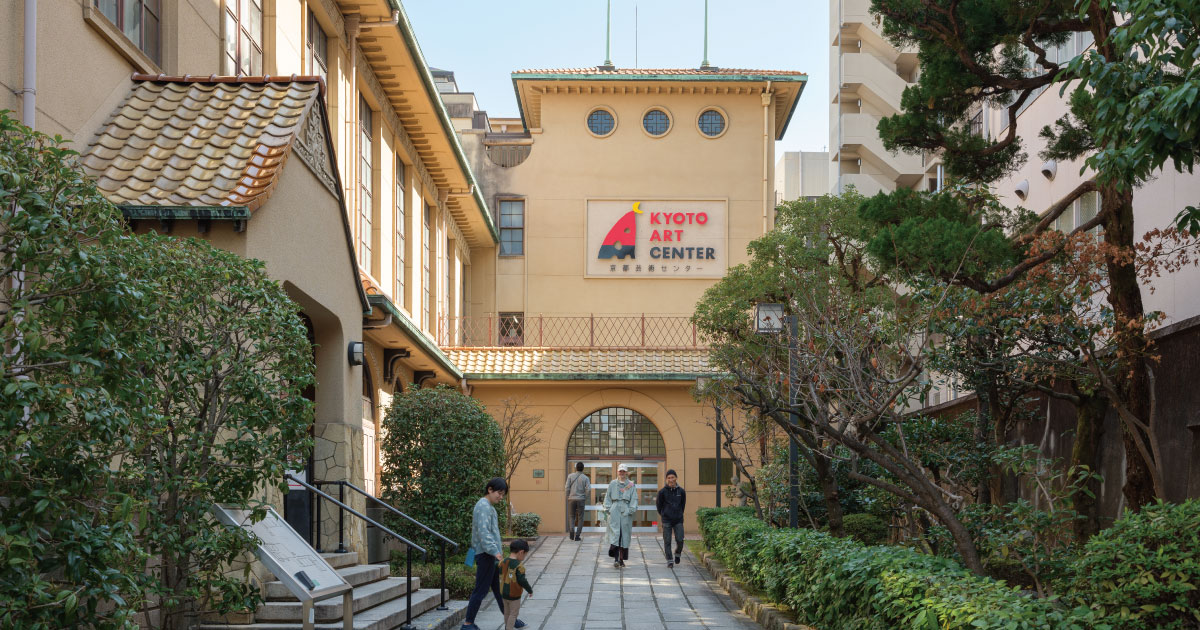
Kyoto Art Center
Kyoto, Japan
Kyoto Art Center's Artist-in-Residence Program supports emerging artists and researchers in pursuing creative activities in Kyoto, alternating annually between visual arts and performing arts, with focused on visual arts, literature, and cross-genre works. Participants must plan and implement public exchange projects and communicate in English or Japanese, with stays up to three months between April and March . The program provides accommodation, a studio, round-trip economy airfare, a 200,000 JPY production subsidy, and coordinator assistance.
Metropolitan Fukujusou ( It means “Ice Adonis”)
Kyoto, Japan
This old house was built in a time when Japan was not rich yet, the inside structure is simple and minimal. It may be inconvenient for you, but you will be able to feel something like Zen by being in this simple and minimal space, this simple lifestyle. And you will become feeling comfortable after you got used to it, and discover the pure beauty in these, and be able to have new inspirations. Such the experience is just one example, but it would be pleas

NPO ANEWAL GALLERY
Kyoto, Japan
NPO ANEWAL GALLERY in Kyoto, Japan, runs non-profit international artist residency programs such as Kyoto Kinugasa Art Residence for Community (KKARC) and AN AIR, welcoming artists, writers, curators, researchers, and educators worldwide for personal exploration, professional development, co-living, and community collaboration. These programs provide accommodation, workspaces or studios (including garage studio for visual artists), and facilitate connections with local culture, historical sites, galleries, and artists, often in partnership with Kyoto Art Center. Residencies emphasize interaction with the Kinugasa area community, urban planning insights, and broadening artistic viewpoints beyond disciplines.
Oharano Studio Gallery
Kyoto, Japan
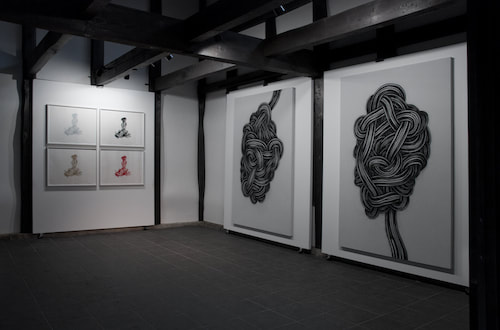
Oharano Studio Gallery in Kyoto's Oharano area offers artist residencies where participants engage with the region's rich nature, history, local research, and community exchanges to create artworks. Selected artists receive a free two-week stay, with their work featured in Don Magazine Issue 14, releasing September 20, . The program operates from an art studio space that doubles as a gallery for exhibitions.
The Kyoto Retreat
Kyoto, Japan
The Kyoto Retreat is an international residency designed for artists, curators, and writers seeking research and inspiration in Kyoto, Japan. The program offers participants a tranquil environment rooted in Japan’s cultural heritage, ideal for creative reflection rather than production. It emphasizes immersion in local traditions such as tea ceremonies, ikebana, and historical architecture. Participants are selected from all career stages and work across a wide range of artistic disciplines. The residency supports solo creative exploration, providing private accommodation in a shared house and a stipend for meals and local travel. Flights and local transportation are arranged for accepted residents, ensuring a smooth transition to the experience. While structured events are included, the residency encourages rest, cultural engagement, and self-directed discovery. The Kyoto Retreat champions inclusivity and maintains a supportive environment free from discrimination.
Villa Kujoyama
Kyoto, Japan
Villa Kujoyama is a pluridisciplinary research residency located in Kyoto, Japan that has welcomed established and emerging artists, artisans, and creators since 1992. The residency provides time and space for residents to dedicate themselves fully to their practice and research while engaging with artistic, cultural, academic, and economic communities across Japan. It is operated by Institut français du Japon and supported by the Bettencourt Schueller Foundation.
Yamaguchi Shoten
Kyoto, Japan
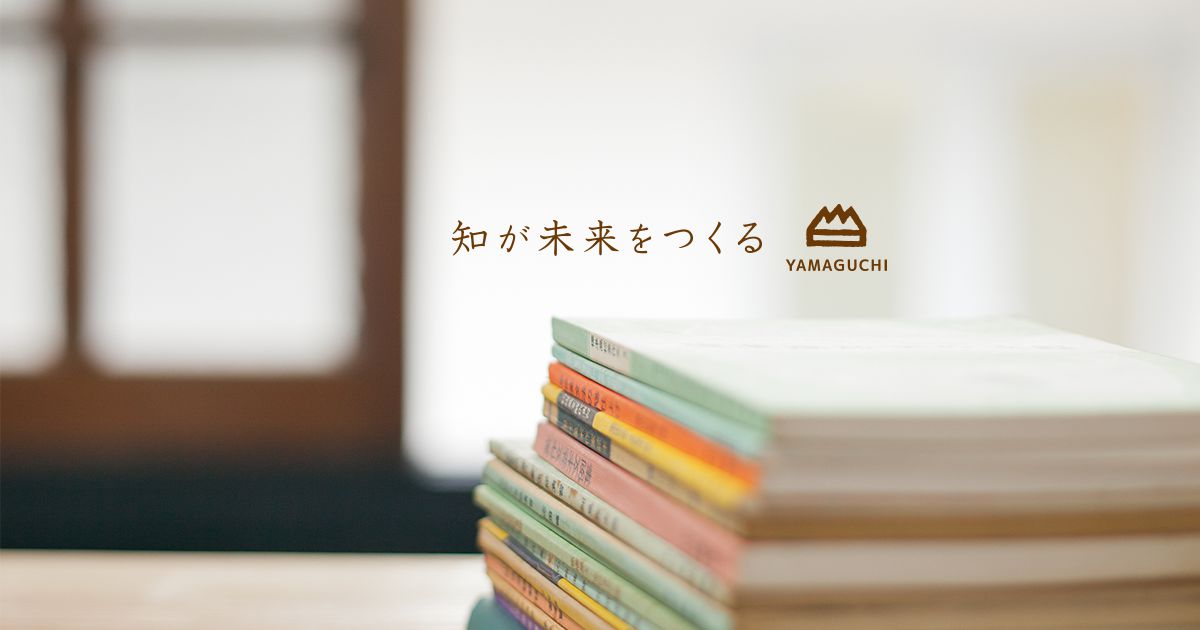
Yamaguchi Shoten is an academic book publisher in Kyoto offering artist-in-residence stays in a historic Mingei-style building. Welcomes artists, designers, researchers, writers interested in folk art, handicrafts for 1-2 month residencies with shared facilities.
Browse by discipline in Kyoto
Filter in Kyoto
Been to a residency in Kyoto?
Share your review