Artist Residencies in Linz
6 residenciesin Linz, Austria
Why Linz is worth your residency time
Linz is small enough that you can actually meet people and move work forward, but dense enough in institutions that your residency can plug into a serious art and media infrastructure. The city leans hard into media art, digital culture, and public space, so if your practice touches technology, installation, or site-specific work, Linz is a strong fit.
There are a few things that make a residency in Linz feel productive:
- Ars Electronica anchors a global media-art reputation that spills into the rest of the scene.
- Public funding and city-backed residencies mean you often get a decent combo of studio, accommodation, and stipend.
- Short distances between institutions, studios, and public-space sites keep logistics simple.
- University of Art and Design Linz adds workshops, theory, and a pool of collaborators.
If you want a residency where you can actually experiment with digital and public-space ideas instead of just working quietly in a studio, Linz repeatedly comes up on artists’ lists.
Core residency options to know in Linz
There is not one single residency that defines Linz; instead, you have a small network of programs that interlock. Here are the key ones to track, plus what kind of practice they actually suit.
Atelierhaus Salzamt Linz: the central residency hub
What it is: A city-run residency and exhibition space right by the Danube, very close to the historic center. It is one of the main addresses for visiting artists in Linz.
What you get (typical set-up):
- Free studio in a bright, renovated historic building.
- Free apartment for international artists in residence.
- A monthly grant (often around €1000 for one-month calls; longer stays sometimes come with stipends too).
- A 170 m² exhibition space on the ground floor for shows, presentations, and events.
- Talks, screenings, discussions, and studio visits built into the program.
Salzamt usually hosts both international artists and local artists from Linz/Upper Austria. International guests typically stay 3–6 months under some schemes, but there are also one-month calls (for example, calls focused on public space, or city partnerships like CreArt or exchanges with other regions).
Who it really works for:
- Visual artists who want a classic residency rhythm: studio work, local research, then public presentation.
- Artists exploring public space in small-scale projects (the residency sometimes explicitly looks for this).
- Installation, drawing, painting, video, photo, and hybrid practices that can adapt to a mid-sized exhibition hall.
Why artists like it: You get a stable live–work setup, direct visibility through the Salzamt exhibition program, and you are literally a short walk from Lentos, OK Linz, and the inner city. For many artists, this is the most straightforward entry point into the Linz scene.
Where to look:
- Program details and general profile: search for "Atelierhaus Salzamt Linz" via Transartists or AIR_J.
- Open calls (often including one-month residencies with €1000 grant): check their blog-style site at salzamt-linz.at.
FM[Ai]R / FMR Artist-in-Residence: digital art in public space
What it is: A residency tied to FMR – Festival for Art in Digital Contexts and Public Spaces. This is where digital practice and public space explicitly meet: projects often originate in virtual/digital spaces and then land in physical public sites for the festival.
Structure: The residency usually runs in two phases connected to the festival edition:
- Preparation phase (up to about one week on site; in some cases, online participation has been mentioned).
- Production phase (up to about one month on site).
- Final presentation during the FMR festival in Linz public space.
What you get (based on recent calls):
- Artist grants for each phase (for example, one smaller grant for the short prep phase and a larger one for the production phase).
- Production budget (up to around €1500 across both phases).
- Travel reimbursement (often up to around €450 per residency phase).
- Studio and accommodation provided.
- Access to workshops and facilities at the Art University Linz.
- Curatorial support and help translating ideas into a public-space context.
Who it really works for:
- Artists working in digital art, interactive media, networked practices, AR/VR, data art.
- Artists doing site-specific work in public space, especially when the conceptual starting point is virtual/digital.
- Practices that can handle urban outdoor conditions and the reality that the audience is not a gallery crowd but passersby.
Why artists like it: You are not just making a work in a studio; you are guaranteed a high-visibility public presentation within a curated festival focused on precisely this type of work. Access to university workshops and local tech knowledge can save a lot of trial and error for media-heavy installations.
Where to look:
- Calls and details are often shared via platforms like On the Move and the FMR organizers’ own channels.
Ars Electronica-linked residencies and collaborations
What it is: Ars Electronica is not just a festival; it has a Futurelab and various residency formats, often in partnership with other institutions and sponsors.
Typical features of Ars Electronica residencies:
- A production phase of several weeks at Ars Electronica in Linz.
- Technical support and collaboration with Futurelab experts.
- Artist fees plus production funding for prototypes, installations, or research-based work.
- Public presentation opportunities, often tied to the Ars Electronica Festival.
These residencies tend to focus on interdisciplinary, techno-cultural, and experimental projects. They often emerge through themed open calls, partnerships with companies or research institutions, and competitions that lead into a residency.
Who it really works for:
- Artists combining art, science, and technology in a structured way.
- Practices that can handle lab environments, prototyping, and collaboration with engineers or researchers.
- Projects where the research and concept are as important as the final object.
Where to look:
- Start at the Ars Electronica website or residency-specific pages listed on platforms like Reviewed by Artists, then follow each call’s instructions, as conditions and durations change by program.
How the wider network connects to Linz
Linz is also wired into Upper Austria–wide and international exchanges. These are not always physically located in the city, but they matter for your broader plan:
- ifk Artist in Residence in cooperation with Art University Linz and Klosterneuburg Abbey: combines a serious stipend, a flat in the abbey, and access to collections and research contexts. Good if your practice is research-heavy and you want academic and curatorial networks that reach into Linz.
- Québec–Upper Austria exchange (with partners like Fonderie Darling and Salzamt): gives artists from Québec and Upper Austria a two-month residency in each other’s contexts, reinforcing Linz’s role in a bigger digital and visual-art network.
- Away Art Residencies platform at away.co.at: lets you search Austria-wide for studios and residencies, including those in Linz and Upper Austria.
These programs are useful if you are planning a longer European arc rather than a single stay.
How to choose the right Linz residency for your practice
Instead of trying to catch every call, match the programs to your actual needs and working style.
If you want focused studio time and a clear exhibition
Look at: Atelierhaus Salzamt
You get a studio, an apartment, and access to a straightforward exhibition structure. This suits work that benefits from time on the wall, in the space, or in a quiet install environment: painting, drawing, photography, installation, video, or mixed media.
What to prepare for applications:
- A clear project proposal that fits the duration (for one month, keep it realistic; for several months, outline phases).
- A portfolio showing you can finish work and present it in a coherent way.
- A short statement about how you want to use public space or the local context if the call mentions that focus.
If your work sits between screen and street
Look at: FMR / FM[Ai]R Artist-in-Residence
This is ideal if your work starts in digital environments but manifests in urban space: projections, networked interventions, interactive installations, AR layers, and so on.
What to prepare for applications:
- A project that already considers site, audience, and infrastructure (power, weather, scale, permissions).
- Evidence that you can deliver technically complex work on a set timeline.
- Clarity about your needs from the production budget and university workshops.
If you thrive in lab environments and cross-disciplinary teams
Look at: Ars Electronica Futurelab and partner residencies
These are for you if you are comfortable sharing a project with technologists, working in prototypes, and thinking about long-term research outcomes, not just a single show.
What to prepare for applications:
- A project description that makes sense to both artists and engineers.
- Some evidence of past collaborations with tech, science, or research partners.
- A timeline that includes testing, iteration, and presentation.
Reading the city: neighborhoods, institutions, and daily life
Linz is compact, but a bit of orientation helps you use your residency time well.
Key areas artists actually use
- Altstadt / Innenstadt: The historic center and downtown area. Close to Lentos, OK Linz, and many cultural venues. Good for walking between meetings, openings, and your studio if you are at Salzamt.
- Along the Danube: Many institutions sit near the river: Lentos, Salzamt, and public-space sites used for festivals and interventions.
- Urfahr: Across the river from the main center, where the Ars Electronica Center is located and where you can reach parts of the art university.
- Areas around the Kunstuniversität Linz: Useful for studio visits, access to workshops, and hanging around where students and staff cluster.
If your residency includes a bike or you rent one, the city becomes extremely manageable. The tram lines link most major areas, and walking from the river to the center rarely takes more than 10–15 minutes.
Institutional anchors and how to use them
- Ars Electronica Center / Futurelab: Good for understanding the broader media-art discourse and technical possibilities. Use it for research and networking, even if you are not formally in a Futurelab residency.
- Lentos Kunstmuseum Linz: Strong for modern and contemporary art context. Check exhibitions and talks while you are in town to see how your work sits next to Austrian and international peers.
- OÖ Kulturquartier / OK Linz: Offers exhibitions, performance, and discourse programs. A good place to find people working in contemporary and experimental practices.
- Kunstuniversität Linz: If your residency gives you access (FMR, some exchange programs, or collaborations), the workshops and staff can support technically ambitious projects.
- Atelierhaus Salzamt exhibition space: Even if you are not a resident there, openings and events are good for meeting the current cohort and local curators.
Cost of living and budgeting
Linz generally sits below Vienna in cost, but you still feel European urban prices. For residency planning, a few points matter:
- Accommodation is usually the biggest expense; residencies that include a flat (Salzamt, many festival-linked programs) shift your budget significantly.
- Food is manageable with supermarket shopping and occasional eating out. Many artists use residency stipends primarily for living costs and production materials.
- Local transport is tram- and bus-based, with a walkable center. If you are close to your studio, a monthly pass is helpful but not mandatory.
- Production costs can add up quickly for large installations; check carefully what your residency covers: materials, fabrication, tech rental, and assistants.
When comparing residencies, pay attention not only to the stipend amount but also to what is covered: travel, accommodation, studio, production budget, and technical support.
Practical logistics: visas, timing, and how long to stay
Visa basics for Linz residencies
The visa situation depends heavily on where you are coming from:
- EU/EEA/Swiss artists usually have minimal formalities for short residencies.
- Non-EU artists often need to think about short-stay visas or artist/independent work permissions, depending on length and whether payment is involved.
To keep admin under control, do this early:
- Ask your residency to provide a formal invitation letter and confirmation of stipend, accommodation, and duration.
- Clarify if your stay is classified as a short visit or a more formal residence in Austria.
- Check if your current residency in another EU country covers your time in Austria.
When to be in Linz for art activity vs quiet work
The city’s mood shifts with the seasons and festival calendar:
- Late spring to early autumn: Stronger flow of festivals, outdoor events, and public-space projects. Good if your work depends on people being out in the city.
- Summer: More concentrated cultural programming and visitors, especially around large events.
- Autumn: Exhibitions and discursive programs often pick up; good networking period.
- Winter: Quieter on the public front but excellent for concentrated studio and research time with fewer distractions.
If your project needs large-scale outdoor installation, milder weather and festival contexts (FMR, Ars Electronica, city programs) are especially useful.
Making the most of your Linz residency
Once you are in Linz, the difference between a decent residency and a transformative one is often how you approach the city and its networks.
Build relationships, not just a project
- Use institutional events as networking time: attend openings at Salzamt, Lentos, OK Linz, and university events.
- Invite people to your studio during the second half of your stay instead of waiting for a final exhibition to do all the talking.
- Connect with students and staff at the art university if your residency allows; collaborations and tech help often come from there.
Design a project that fits the city
- Pay attention to public space along the Danube, inner-city squares, and underused corners; these are fertile ground for subtle interventions.
- Think about how locals use these spaces daily—morning commuters, evening strollers, festival crowds—and position your work accordingly.
- Stay realistic about scale and permissions if you are not in a festival framework; small, precise gestures often work better than huge, permission-heavy installations.
Plan your next step from Linz
A Linz residency often works best as part of a longer arc, not an isolated event. Use the time to line up:
- Future applications to Ars Electronica residencies or related programs if you start a project in Linz and want to expand it.
- Exchange residencies via Salzamt partnerships or the Away Art Residencies network.
- Contacts at Lentos, OK Linz, and the art university for later exhibitions, teaching, or research collaborations.
If you treat Linz as a node in a broader network—media art, digital culture, and public space—you can carry that momentum into your next residency or exhibition, instead of letting the experience end at your final open studio.
afo architekturforum oberösterreich
Linz, Austria
The afo architekturforum oberösterreich in Linz offers artist residencies for architects and artists focusing on space, architecture, and city themes. Residencies last four to six weeks between early September and late November, providing a studio flat, infrastructure access, a €250 weekly stipend, and opportunities for exhibitions or events.
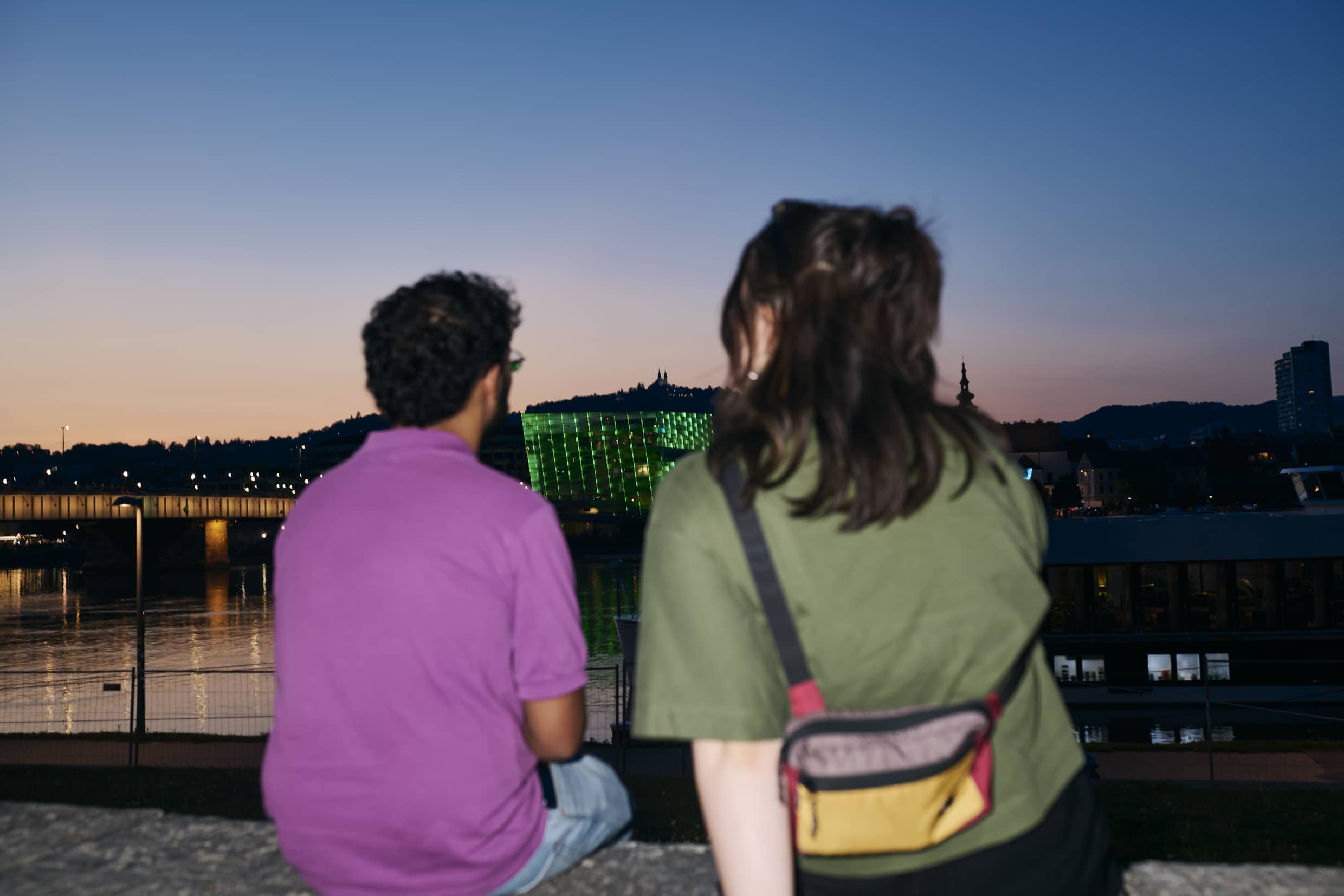
Ars Electronica Center
Linz, Austria
Linz’s Museum of the Future, focused on interactive exhibitions about art, technology, society, AI, robotics, 3D printing, and life sciences.
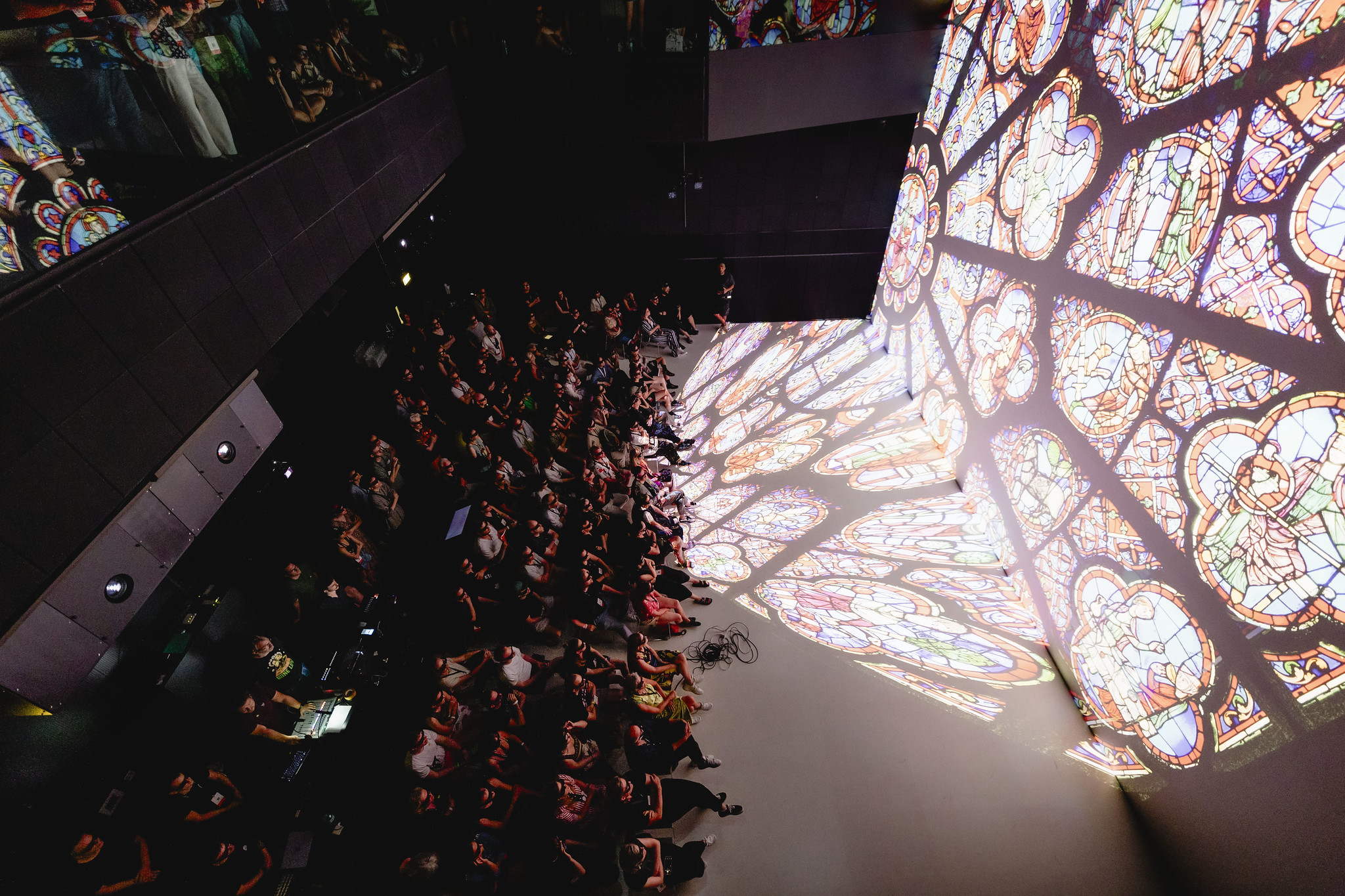
Ars Electronica Futurelab
Linz, Austria
The Ars Electronica Futurelab in Linz, Austria, supports artist residencies focused on interdisciplinary collaboration between artists, designers, and scientists, often involving research and development in techno-cultural phenomena. Residencies typically include a production phase of 3-6 weeks or about one month at Ars Electronica in Linz, following initial mentoring elsewhere, with opportunities for public presentation at the Ars Electronica Festival. Participants receive funding such as artist fees and production costs, and collaborate with Futurelab experts.
Atelierhaus Salzamt Linz
Linz, Austria
Atelierhaus Salzamt Linz is an artist residency program in Linz, Austria, offering studios and apartments primarily for visual artists from Austria and internationally. It provides free studio and housing, often with a monthly stipend such as €1000, and includes an exhibition space for presentations. Residencies typically last 1-3 months, with variations for specific calls focusing on public space or university-related projects.
LINZ FMR
Linz, Austria
FMRFMR – Festival for Art in Digital Contexts and Public Spaces is a biennial festival showcasing artistic processes and positions that reflect the ephemeral nature of our digitally connected present. FMR invites artists or art collectives to create a new work, or further develop an existing project. During the residency, FMR will provide space, resources and facilities for productive experimentation, dialogue, and collaboration. The work developed during the residency

RedSapata Tanzfabrik
Linz, Austria
RedSapata Tanzfabrik, also known as RedSapata Kunst-, Kultur- und Tanzinitiative, offers artist residencies at Sonnenstein Loft and AUBERGiNE in Linz, Austria, primarily focused on dance and multidisciplinary projects integrating the body, with recent calls emphasizing themes like AI, climate justice, gender equality, nature, society, politics, and the body. Residencies provide studio space (52-180m²) for approximately two weeks, optional accommodations, and a supportive environment for development, though travel, per diems, and production costs are not covered. Artists are encouraged to share work via studio showings or performances.
Browse by discipline in Linz
Filter in Linz
Been to a residency in Linz?
Share your review