Artist Residencies in Marquette
2 residenciesin Marquette, United States
Why Marquette works as a residency city
Marquette is small but dense with what artists actually need: strong landscape, a real local arts scene, and just enough infrastructure that you can get work done without feeling over-managed. The city sits right on Lake Superior, so almost everywhere you go you get water, rock, and weather as a backdrop.
The draw here is a mix of:
- Landscape: cliffs, harbors, beaches, forests, waterfalls, long winter light, and serious storms.
- Scale: big enough to have galleries, a museum, and a university; small enough to stay grounded and focused.
- Community: working artists, students, and folks who are used to people making things and showing up for events.
- Affordability: costs are lower than major art centers, though tourist season bumps prices.
If your practice leans on nature, place, and slower rhythms, Marquette is a solid base. You can do a structured residency in town, then tack on time in the more remote Upper Peninsula programs nearby.
Rock Street Artist Residency: the in-city studio retreat
Location: 222 Rock Street, Marquette, MI 49855
Website: rockstreetartistresidency.com
Rock Street Artist Residency (RSAR) is the clearest option if you want a residency inside Marquette with proper studios, good food, and an easy walk to the lake and downtown.
What the residency feels like
RSAR is housed in a historic 1887 Victorian home that used to be a farm and smokehouse supplying the old steamships in Marquette Harbor. That mix of history and contemporary studio life sets the tone: you’re in a lived-in, character-heavy house, not a sterile arts complex.
The house sits just a couple of blocks from Lake Superior, so you can move quickly between studio, shoreline, and town. Think short, focused stays with a strong “retreat” feel:
- Two artists/writers per session – intimate, quiet, and easy to coordinate schedules.
- 2- and 3-week terms – enough time to start, push, and finish a defined project.
- Gourmet meals – meals are provided, often featuring local ingredients, which frees up time and brain space.
- Self-motivated environment – you’re trusted to structure your own time.
Studios and equipment
Rock Street is set up for multi-disciplinary work, not just writing or laptop projects. Facilities typically include:
- Dedicated studio spaces
- 1 electric kiln
- Looms for textile work
- Printing press
- Papermaking setup
- Screen printing equipment
- Common areas and dining room for working, reading, or small gatherings
Disciplines that fit particularly well:
- Painting and drawing
- Printmaking
- Ceramics (electric kiln scale)
- Textiles and fiber work
- Jewelry and small metals
- Mixed media and installation (within indoor limits)
- Creative writing and literature
If you work large-scale, extremely dusty, or very heavy (big sculpture, large welding projects, etc.), you’ll want to ask detailed questions about what’s possible and what might need an off-site partner studio.
Who Rock Street suits
RSAR is a good fit if you want:
- Intensive studio time with minimal chores and logistics.
- Supportive environment but not a crowded cohort.
- Comfortable housing instead of super rustic conditions.
- Short, defined time frame that you can pair with other projects, travel, or teaching schedules.
It leans toward a retreat model: fee-based, high service, relatively polished. It’s especially workable if you have grant funding, institutional support, or a budget line for professional development.
Cost, funding, and applications
Rock Street runs as a paid residency. Listings show examples such as:
- 2-week residency around $3,000
- 2-week shared bedroom and studio for a two-person collaborative team around $4,000
The application is typically free. You can note scholarship interest, and the program acknowledges that artists may bring outside grants or funding to cover costs. If you’re planning to apply, it’s worth lining up potential support early (local arts councils, national grants, or institutional professional development funds).
Application materials usually include work samples, a statement, and basic project info. Because the residency is small, clarity about why Marquette and why this specific studio setup matter to your work can help.
Marquette as a hub for Upper Peninsula residencies
While Rock Street is the main in-city residency, Marquette works as a launchpad for a wider Upper Peninsula residency circuit. You can think of it as your “base city” to apply from, prepare, or recover between more remote stays.
David Barr Legacy Artist Residency (Michigan Legacy Art Park)
Website: michlegacyartpark.org
This residency is not in Marquette, but it’s part of the same Michigan ecosystem many Marquette-based artists watch. The program offers:
- One 2-week residency with lodging, usually in a wooded setting connected to the Art Park.
- A $1,500 stipend intended to cover travel, groceries, supplies, and incidentals.
- Non-lodging residencies for regional artists with a smaller stipend.
- Flexible ways to share work with the public (talks, workshops, informal showings).
It is especially relevant if your practice leans toward environmental art, land art, outdoor sculpture, or conceptual work connected to place and landscape. You get time on-site with access to a park that already holds permanent artworks, which can frame how you think about public engagement and longevity.
Porcupine Mountains Artist-in-Residence Program
Website: porkies.org/artist-in-residence
The Porcupine Mountains (the “Porkies”) residency is much more wilderness-forward than Rock Street. It’s usually structured like this:
- Residencies of at least two weeks.
- Lodging in a rustic cabin on the Little Union River.
- Optional backcountry access via permit if you want deeper immersion.
- Open to writers, composers, visual artists, performing artists, and more, as long as work aligns with the park’s mission.
- Expectation that you donate a finished work and offer a public talk or demonstration.
This suits artists who want solitude, physical landscape research, and a slower, low-tech daily routine. It’s a strong complement to a more comfortable studio residency in Marquette: do your rough field research and sketches in the Porkies, then refine and expand at Rock Street or back in your home studio.
Mackinac State Historic Parks Artist-in-Residence
Website: mackinacparks.com
This program sits on Mackinac Island, another major site in the broader region. It typically offers:
- 2–3 week residencies in historic lodging (often a former Coast Guard Station).
- A focus on history, architecture, and island life.
- Audience interaction via open studios, talks, or exhibits linked with the parks.
It pairs well with a Marquette-centered project if you’re exploring Great Lakes histories, shipping, tourism, or coastal culture.
Rabbit Island Residency and other wilderness options
Website: rabbitisland.org
Rabbit Island is often on the radar of artists who are already looking at Marquette and the Upper Peninsula. It is a remote island residency focused on ecology, experimentation, and living very closely with the site.
Ideal if:
- You are comfortable with isolation and basic conditions.
- Your work responds to land-use, conservation, and environment.
- You’re interested in non-urban models of art-making and exhibition.
Marquette functions as a supply point and cultural anchor for artists moving to and from these remote residencies. You might fly into Marquette, get your logistics sorted, then travel on to an island or wilderness park.
Living and working in Marquette during a residency
Whether you’re at Rock Street or building your own DIY residency, Marquette supports a mix of deep studio work and light community contact.
Neighborhoods and areas to know
Marquette isn’t carved into rigid arts districts, so focus on how you want to move between studio, grocery, and the lake.
- Downtown Marquette – Walkable, with cafes, restaurants, small shops, and galleries. Good if you don’t have a car and want to be on foot most of the time.
- Near Northern Michigan University (NMU) – More student energy, easy access to campus exhibitions and talks, and a mix of residential streets and small businesses.
- Lakefront and North Shore corridor – If your work depends on quick access to water and shoreline, being close to the lake makes a difference for daily sketching, photography, or simply thinking time.
- Residential east/west areas – Quieter, more local-feeling neighborhoods that are useful for longer stays if you find your own housing.
For short residencies, prioritize walking distance to your studio and to at least one grocery option. Marquette is friendly but winter can make even a short walk feel longer, so keep that in mind.
Cost of living and supplies
Marquette is cheaper than major cities but not dirt cheap. Main budget items:
- Housing – Built into your cost if you’re at Rock Street; otherwise, short-term rentals can spike in summer and fall.
- Food – Standard U.S. grocery prices, with some variation; dining out is moderate compared to big cities.
- Transportation – A car is useful, especially for reaching remote sites or hauling materials.
- Supplies – Basic art and hardware supplies are usually available, but specialized materials may need to be shipped in.
Because the area is relatively remote, plan your materials: bring specialty items or ship them to your residency address ahead of time. If you work with fragile or heavy media (plaster, large panels, a lot of clay), calculate shipping or purchasing alternatives early.
Studios, galleries, and art spaces to plug into
Local venues give you context and potential partnerships during your stay.
- DeVos Art Museum at NMU – Contemporary exhibitions, student shows, visiting artist programs. Check their schedule online.
- Zero Degrees Gallery – Artist-run space featuring regional artists; good for getting a read on local work and aesthetics.
- Outback Art Gallery – Regional art, crafts, and a more traditional gallery feel.
- Peter White Public Library – Exhibitions, readings, and talks. Great place to propose a public program if your residency encourages community engagement.
- Marquette Regional History Center – Very useful for research-based projects around mining, shipping, regional cultures, and local narratives.
Many cafes and small businesses show art on rotation. Ask your residency host or local artists which places are currently active for pop-up shows or readings.
Transport, seasons, and practical timing
Getting to Marquette and choosing your season are big factors in how a residency here feels.
Getting there
- By air – Fly into Sawyer International Airport (MQT). It’s a small airport; plan for potential connections and weather delays.
- By car – Many artists drive in for flexibility and to bring supplies. Distances are long, but the route is straightforward.
- Local transport – There is public transit but it’s limited; a car or bike can be important, especially outside of downtown.
Weather and seasonal character
The season you choose will shape your work more than in many cities.
- Summer: Easy travel, long daylight hours, peak tourism, beach and trail access. Great for plein air, photography, and public events.
- Fall: Strong colors, crisp air, and a quieter atmosphere as the tourist wave fades. Excellent for landscape painting, writing, and reflective studio work.
- Winter: Snow, ice, lake-effect storms, and powerful light. Ideal if you want isolation, dramatic visuals, or are comfortable working indoors for long stretches. Make sure your housing and studio are well heated and accessible.
- Spring: Thawing season, fluctuating weather, and a mix of mud and early greens. Good for artists interested in transition, climate, and subtle color shifts.
If your residency allows you to choose dates, match them to your project’s needs: do you need crowds and events, or empty snowy streets and silence?
Community, visas, and how to choose the right program
Local artists and events
Marquette has a mix of university-connected artists, independent painters and craftspeople, writers, and nature-focused makers. You’ll see:
- Gallery openings and small festivals.
- NMU exhibitions and visiting artist talks.
- Craft and maker fairs in peak seasons.
- Workshops hosted by nonprofits or art centers.
When you land a residency, ask specifically:
- Can they introduce you to local artists for studio visits?
- Is there a chance to give a public talk or workshop?
- Are any exhibitions or open studios synced with your stay?
Rock Street explicitly mentions community engagement opportunities; that could mean open studios, dinners, talks, or small exhibitions. Clarify what’s possible and how much of your time it might take.
Visa basics for international artists
If you’re coming from outside the U.S., check with each residency about what they can support in terms of documentation. Ask:
- Will they provide an official invitation letter?
- Is there payment or a stipend, and how is it categorized?
- Have they hosted international artists before, and under which visa types?
Residencies can’t give legal advice, but they can usually tell you how previous participants have handled visas and paperwork so you can discuss options with an immigration professional if needed.
Choosing between residency types around Marquette
When you’re comparing options, it helps to align your project with the kind of space each program offers:
- Rock Street Artist Residency – Short, intense, comfortable studio time in Marquette itself. Best for artists who want structured support, equipment, meals, and easy access to both the lake and the city.
- David Barr Legacy Artist Residency – Stipend-supported, nature-linked, with public engagement around an art park. Good for artists interested in sculpture, environmental work, and educational components.
- Porcupine Mountains Artist-in-Residence – Rustic, wilderness-focused, with an expectation of a donated work and a public program. Suits artists comfortable with solitude and field work.
- Mackinac State Historic Parks – Island-based, history-heavy, and oriented toward storytelling and public audiences.
- Rabbit Island Residency – Remote, ecological, and experimental, geared toward artists who want their practice deeply entangled with environmental questions.
Marquette is the thread connecting many of these: a place to show work, restock, connect with peers, or simply remember what a grocery store looks like after time in the woods.
Using Marquette strategically in your practice
You can treat Marquette as a node in a larger arc of projects rather than a single one-off destination. A few ways to structure that:
- Field then studio: Spend time in a wilderness or island residency gathering material, then book Rock Street for focused editing, composing, or building the final work.
- Studio then outreach: Develop a project at Rock Street and use connections with NMU, galleries, or the library for talks, exhibits, and workshops afterward.
- Seasonal cycle: Return to the region in different seasons to build a body of work about change over time—Marquette gives you a stable home base each round.
If you’re planning a Marquette residency, start by clarifying what you want from the city: solitude, lake and forest access, academic context, small community engagement, or a mix. Then choose the residency structure that matches your working style, budget, and tolerance for rustic conditions.

Art Farm
Marquette, United States
Art Farm is a nonprofit artist residency program located on a 60-acre rural property in Marquette, Nebraska, offering studios, accommodations, and resources to artists, writers, performers, and others in exchange for 12 hours of weekly labor on farm maintenance and projects. The program supports experimentation without expectations of finished products, accommodating up to 12-14 residents at a time during the season from June 1 to November 1. It features 14 studios of 400-500 sq ft, ceramics kilns, woodworking and metalworking facilities, and family-friendly housing options.
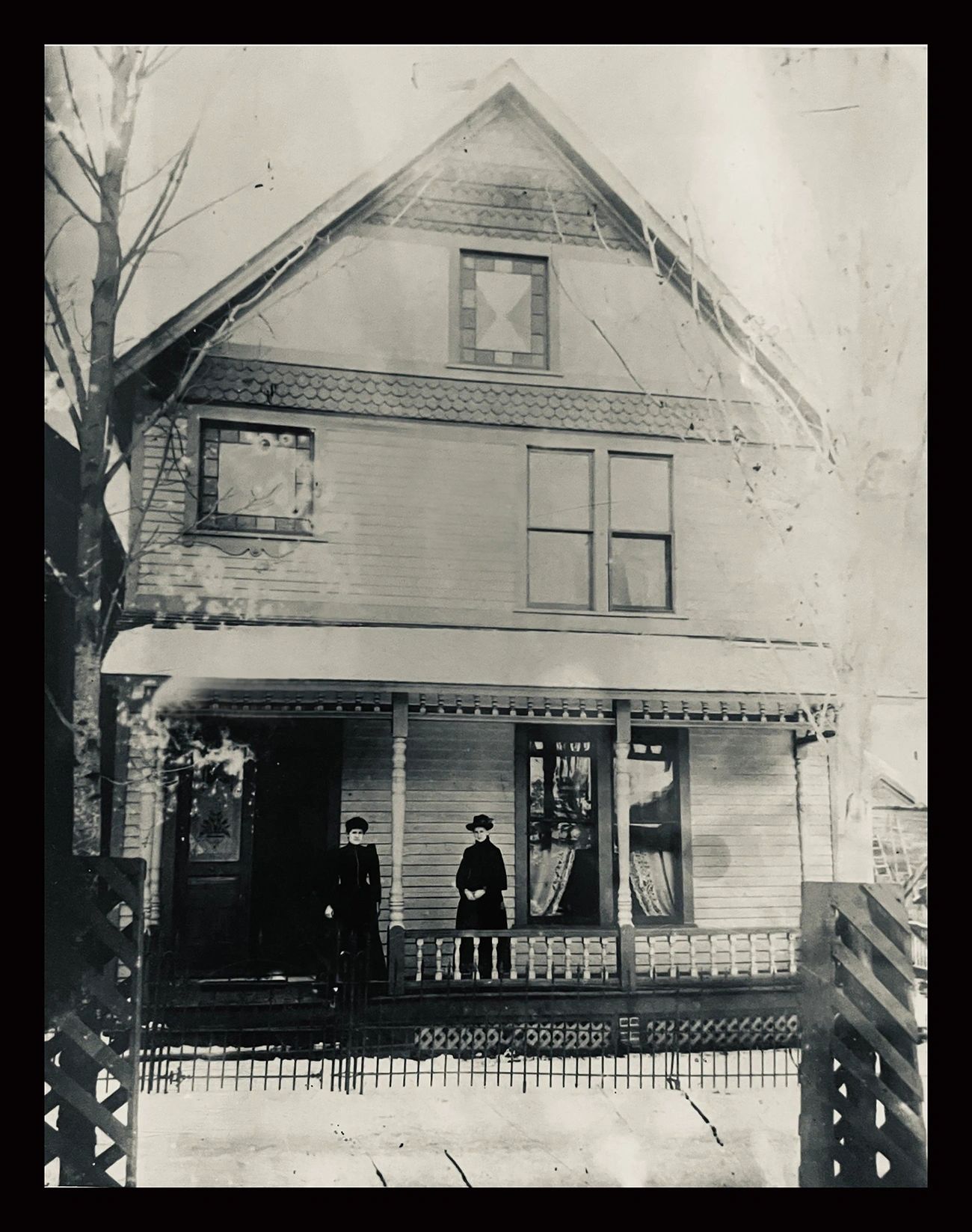
Rock Street Artist Residency
Marquette, United States
Rock Street Artist Residency (RSAR) is a transformative artist residency located in a historic 1887 Victorian home in Marquette, Michigan, offering a unique creative space set against the inspiring backdrop of the Upper Peninsula and Lake Superior's shores. The residency hosts two artists per session in a peaceful, distraction-free environment with fully equipped studio spaces, gourmet meals featuring locally sourced ingredients, and opportunities for community engagement.
Browse by discipline in Marquette
Filter in Marquette
Been to a residency in Marquette?
Share your review