Artist Residencies in Marseille
4 residenciesin Marseille, France
Why artists choose Marseille for residencies
Marseille pulls a lot of artists because it mixes a big working port, a long Mediterranean and migrant history, and a contemporary art scene that actually intersects with daily city life. You get institutions, artist-run spaces, and informal networks, all in a place where the sea, the Calanques, and dense inner-city neighborhoods are right next to each other.
If your work touches on migration, archives, urban change, sound, performance, or socially engaged practice, Marseille is often a better fit than a more polished, expensive art city. Residencies here are usually less about isolation and more about research, conversation, and being embedded in a living city.
The main residency options in and around Marseille
Triangle-Astérides: anchored in La Friche la Belle de Mai
Type: Contemporary art center and residency program
Location: La Friche la Belle de Mai, Marseille
Best for: Emerging and mid-career visual artists who want research, curatorial dialogue, and public engagement
Triangle-Astérides is one of Marseille’s key reference points for artists. It is based inside La Friche la Belle de Mai, a former tobacco factory turned cultural cooperative, which means you are surrounded by exhibitions, concerts, project spaces, and other studios.
The core residency is a 10-week research stay for French artists living outside Marseille and international artists. Conditions vary slightly between calls, but typical support includes:
- A studio at La Friche la Belle de Mai
- A room in a shared flat in central Marseille (usually four rooms total)
- A monthly grant in the range of roughly €700–€1,000
- A fee for open studios or public presentation
- Curatorial support and professional networking
You are expected to participate in the life of the center: studio visits, public programs, and at least one open-studio or presentation moment. You usually need to invoice Triangle-Astérides for fees related to public events, which means sorting out basic admin (freelance status or equivalent) before you arrive.
Good fit if you:
- Work in visual arts (any medium) and want questioning and research rather than production quotas
- Enjoy having curators and peers drop into your studio for conversation
- Are comfortable with shared housing and the intensity of a cooperative arts space
- Want your time in Marseille to be visible to local and visiting professionals
To explore their current programs and open calls, go directly to Triangle-Astérides’ site: https://triangle-asterides.org/en.
Dos Mares: research-driven residencies in central Marseille
Type: International art research center and residency
Location: Central Marseille (around 13006 and nearby neighborhoods)
Best for: Artists and curators focused on research, process, and discussion
Dos Mares is intentionally framed as a research residency more than a production factory. It tends to place artists in situations where they can rethink their practice, rather than pushing toward a final exhibition.
Typical elements described in listings and reviews include:
- 1–3 month residencies
- Private housing in the city
- Shared studios equipped for multiple media
- Weekly curatorial discussions and one-to-one feedback
- Logistical support to connect you with local scenes and contacts
- Stipends in the approximate €1,000–€1,500/month range when funded programs are available
Public moments here often take the form of open studios, talks, or process sharings rather than polished solo exhibitions. The program is also known for its strong links with Latin America and a generally international mix of residents.
Good fit if you:
- Work research-first and do not need a heavy production budget
- Are comfortable engaging in regular conversation about your work with curators and peers
- Want to be based in central Marseille, close to Cours Julien, Noailles, and other downtown neighborhoods
- Are a curator or artist-curator looking for time to think, meet, and recalibrate
Useful starting points for practical details are Dos Mares’ profiles on networks like TransArtists: https://www.transartists.org/en/air/dos-mares.
Iméra and Mucem–Iméra: interdisciplinary research residencies
Type: Institute for Advanced Study + museum partnership
Location: Aix-Marseille University network and Marseille’s waterfront (Mucem)
Best for: Artists whose work crosses into humanities, social sciences, or museum/heritage research
Iméra is the Institute for Advanced Study of Aix-Marseille University. Some of its residency lines, including those run with Mucem (the Museum of European and Mediterranean Civilizations), are specifically open to artists.
These residencies generally offer:
- Housing
- A living allowance
- A research budget
- Access to university, museum, and archival resources
- Participation in a weekly Community Building Seminar and other academic-style encounters
The Mucem/Iméra format often angles toward ethnography, museology, heritage, and Mediterranean questions. You might find yourself working with archives, collections, curators, and researchers as much as in a classic studio.
Good fit if you:
- Already move between artistic practice and research or writing
- Work with archives, migration, museums, or Mediterranean histories
- Enjoy seminars, reading groups, and interdisciplinary critique
- Want slower, conceptually driven development rather than a production sprint
For current calls, check Iméra’s website: https://www.imera.fr/en, and for partnership residencies see Mucem: https://www.mucem.org.
Studio Meridional: self-managed studio-room residency
Type: Self-managed studio and temporary residency space
Location: Marseille
Best for: Artists who want simple studio-room rental with minimal structure
Studio Meridional hosts artists in a more flexible, self-directed way. Think of it as a studio and room in a shared context dedicated to art, science, and culture, rather than a fully programmed residency with stipends and staff.
You can expect:
- Short-term studio-room rental
- Access to a shared creative environment
- A lot of autonomy in how you use your time
This suits artists who have their own funding (grants, personal support) and simply need a base in Marseille for a defined period.
Good fit if you:
- Are comfortable without formal mentoring or public-program obligations
- Need an affordable temporary studio and room rather than an institutional residency
- Have a clear independent project and funding already sorted
Near Marseille: Camargo Foundation and regional retreats
Not technically Marseille, but highly relevant if you are building a longer stay in the region.
Camargo Foundation (Cassis)
Type: Residential center for arts and humanities
Location: Cassis, a short distance from Marseille
Best for: Artists and researchers who want quiet, structured time on the Mediterranean coast
The Camargo Foundation offers funded residencies and fellowships combining accommodation, a stipend, and a strong research environment. It is quieter and more retreat-like than central Marseille but close enough to connect with the city’s institutions when needed.
Details: https://camargofoundation.org
Where you will actually live and work in Marseille
Key neighborhoods artists end up in
Residencies either place you in specific apartments or leave you to find your own place. Knowing the geography makes a big difference to daily life.
- La Belle de Mai – Home to La Friche and Triangle-Astérides. Industrial edges, changing quickly, with a strong cultural presence. Great if your studio is at La Friche and you want to walk there.
- Cours Julien – Dense with bars, music venues, street art, and small studios. Lively, sometimes noisy, but very connected socially.
- Noailles – Central, packed, and very mixed. Food markets, North African and Mediterranean influences, narrow streets. Fantastic for visual and sound research, but intense.
- Réformés / 13001–13006 – Practical central districts near transport. Dos Mares and similar programs often use housing here.
- Le Panier / Vieux-Port – Historic center and old port. More tourists, higher prices, and less studio infrastructure, but visually dramatic.
- Outer and coastal areas – Quieter and closer to beaches or Calanques, but you will commute more for events and openings.
Cost of living benchmarks
Marseille is cheaper than Paris, but central and seaside areas have climbed in price.
- A room in a shared central flat often lands around €350–€600/month.
- Triangle-Astérides mentions that a single room in their shared flat would normally cost around €400/month on the local market.
- Eating out ranges widely; local spots can be very affordable, while harbor or tourist-facing restaurants are more expensive.
If a residency covers your housing and offers a modest stipend, you still need to budget for:
- Local transport (metro, tram, buses, occasional taxis)
- Food and basic daily costs
- Art materials and printing
- Coffees, visits, and openings (they add up)
How to move, meet people, and make the most of it
Getting around the city
Marseille has a metro, tram, and bus system, plus regional trains from Gare Saint-Charles. The city is spread out and sometimes hilly, so a 20-minute walk on the map can feel longer in practice.
- Living near a metro or tram line is a big boost, especially if your studio is at La Friche or near the Vieux-Port.
- Buses cover gaps but can be slower at night and on weekends.
- For late events, expect some use of taxis or ride-hailing if you are far from the center.
Arriving from abroad, you will likely land at Marseille Provence Airport (MRS) or by train at Gare Saint-Charles. Most residencies will send clear directions from there.
Local art ecosystem and where to plug in
The art scene is anchored by a few strong hubs and many smaller initiatives:
- La Friche la Belle de Mai – Exhibitions, festivals, performances, rooftop events, kids’ programs, and multiple art organizations under one roof. Even if your residency is elsewhere, this is a key place to visit for openings and conversations.
- Triangle-Astérides – Exhibitions, open studios, talks, and editorial projects. A good place to meet curators, visiting professionals, and other artists in residence.
- Dos Mares – Regular encounters around research projects, often in more intimate formats than large institutions.
- Mucem – A major museum on the harbor, strong on migration, Mediterranean, and social history, worth visiting even if you are not in one of their programs.
- Iméra – Less of a public venue and more of an intellectual hub; if you are there as a resident, you tap into a network of scholars and researchers.
Apart from these, expect a rotating landscape of galleries and artist-run spaces. Many shows, screenings, and performances are announced through mailing lists, local networks, and social media, so ask your residency coordinators which channels most people actually use.
Visas and admin basics
Residencies in Marseille rarely hold your hand fully on visas and admin, so it helps to know the basics.
- EU/EEA/Swiss artists – Usually do not need visas for stays in France, but still need insurance and tax details for payments.
- Artists from outside the EU – For stays up to 90 days, this often means a short-stay Schengen visa; longer residencies can require a long-stay visa or residence permit.
- Stipends and fees – Many programs, including Triangle-Astérides, pay grants and presentation fees against an invoice. Clarify what legal status or paperwork you need in your home country or in France to invoice them properly.
Residencies typically provide a formal invitation letter, confirmation of accommodation, and proof of stipend. You are usually responsible for health insurance and travel unless the specific program states otherwise.
Timing your stay
Marseille feels very different across the year, and that affects your residency experience.
- Spring and autumn – Mild temperatures, active cultural programming, and easier studio conditions. Good balance between city energy and concentration.
- Summer – Intense heat, more tourists, some local slowdown in August. Great for sea and outdoor work, demanding for long days in the studio.
- Winter – Quieter, fewer visitors, more space to think. Some events keep going, but the rhythm is slower.
Many residencies structure their sessions around these cycles, so you can often choose between a more hectic or more introspective period.
Choosing the right Marseille residency for you
If you are trying to decide where you fit, think about what you actually want to get out of your time in Marseille.
- You want research plus visibility in a major art center: Triangle-Astérides gives you a serious institutional framework, studio at La Friche, and public moments with curatorial attention.
- You want central-city immersion and deep conversations: Dos Mares places you in the heart of Marseille with a focus on research, weekly discussions, and networking.
- You want to fold your practice into academic or museum research: Iméra and Mucem–Iméra are ideal if you work with archives, Mediterranean questions, or theory-heavy projects.
- You want a quiet, self-directed stay with basic infrastructure: Studio Meridional and regional retreats such as Camargo provide space and time with varying degrees of structure, leaving you to design your own rhythm.
However you choose, treat Marseille as more than just a backdrop. The city’s layers of migration, maritime history, and social struggle are not just themes; they are the context you are working inside. The residencies that make the most sense are the ones that help your work speak to that reality rather than floating above it.
Dos Mares
Marseille, France
Dos Mares is an international art research center founded in in Marseille, France, offering tailor-made residencies focused on research, creation, and training rather than production, welcoming visual artists and curators from around the world. Residencies typically last 1-3 months, include private housing, shared studios equipped for various media, weekly curatorial discussions, logistical support, and stipends ranging from €1,000-€1,500 per month. The program emphasizes rethinking artistic practices in a supportive environment conducive to encounters and professional networking.

Iméra (Imera)
Marseille, France
Iméra, the Institute for Advanced Study (IAS) at Aix-Marseille University, offers interdisciplinary residencies in collaboration with various global institutions. Established to support advanced research, the residency program is available for both academic researchers and artists. The residencies range from 5 to 10 months, and participants have access to a multidisciplinary cohort, fostering collaboration between fields such as arts, sciences, and social sciences. Iméra provides its residents with housing, a living allowance, research budget, and access to the scientific and cultural resources of the Aix-Marseille academic and cultural community. The residency includes mandatory participation in the weekly Community Building Seminar, a central activity designed to promote interdisciplinary dialogue among residents. With partnerships like the Fulbright/Iméra Chair in Migration Studies, Iméra continues to support high-level international scholars and artists, creating a dynamic platform for collaborative research and artistic creation.
Studio Meridional
Marseille, France
Studio Meridional, located in Marseille, France, is a self-managed space dedicated to fostering creativity in art, science, and culture. It provides a unique environment for artistic creation and co-development, welcoming artists across various disciplines. This residency offers a temporary studio-room rental, enabling artists to immerse themselves in their projects within the vibrant city of Marseille.
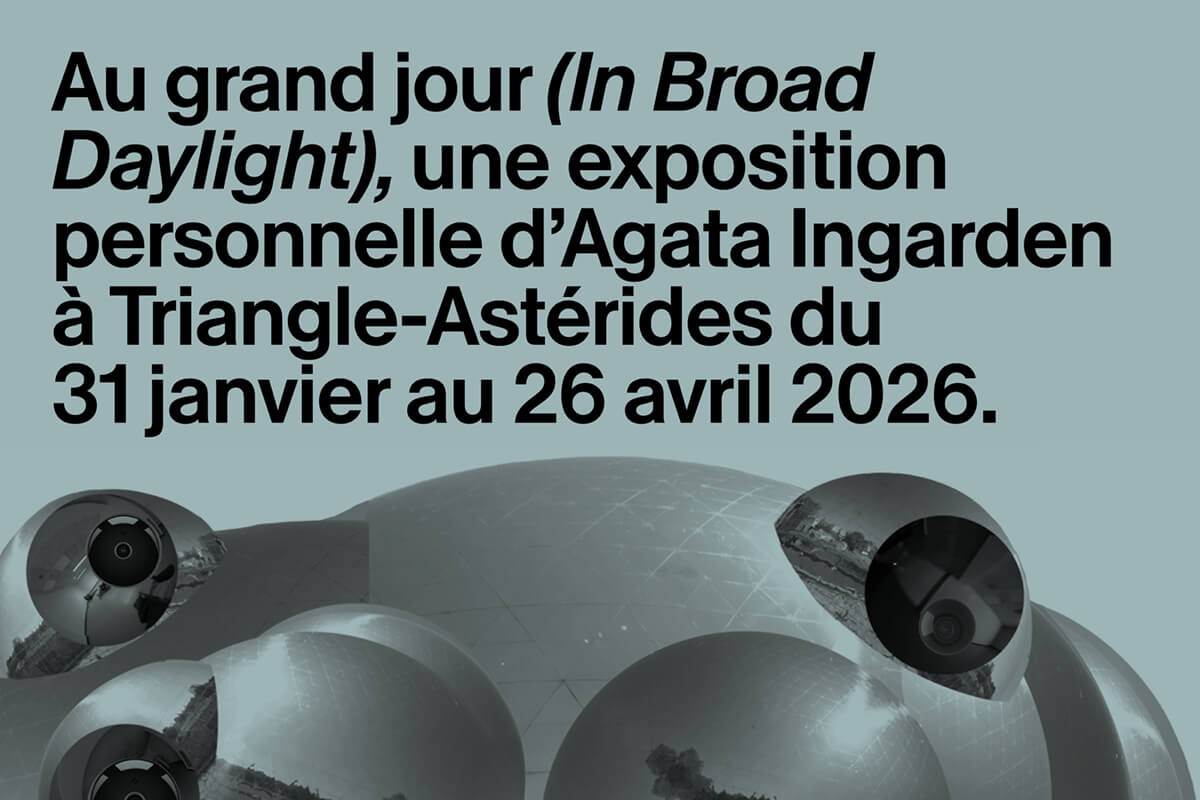
Triangle - Astérides
Marseille, France
Triangle-Astérides is a contemporary art center and residency program in Marseille, France, offering 10-week research residencies for emerging and mid-career visual artists from France (excluding Marseille residents) and internationally. The program provides a studio, shared housing, curatorial support, professional networking, a monthly stipend of 1000 euros, and an open studio fee. It operates three sessions per year at La Friche la Belle de Mai, focusing on research, experimentation, and public engagement in contemporary art.
Browse by discipline in Marseille
Filter in Marseille
Been to a residency in Marseille?
Share your review