Artist Residencies in Mexico City
12 residenciesin Mexico City, Mexico
Why Mexico City is so residency-heavy
Mexico City pulls in artists because it combines three things that rarely show up together: a dense art ecosystem, relatively lower costs than many global capitals, and nonstop access to museums, galleries, and independent spaces. If you want one city where you can work, show, and meet people across Latin America and beyond, CDMX is one of the most strategic options.
Residencies here tend to structure your time around feedback and connection: studio visits, critique sessions, open studios, group shows, and introductions to local curators and artists. That makes the city especially useful if you’re looking for external input, new references, or a way into regional networks.
On top of that, Mexico City is a strong context for research-heavy and site-specific work. You have archives, modernist and colonial architecture, muralism, craft traditions, printmaking workshops, and a very visible public art history all in one place.
Key residencies in Mexico City and who they suit
There are dozens of programs in Mexico City, but a few names come up again and again when artists talk about the city. Each one has a different balance of structure, critique, production support, and exhibition opportunities. Think less about which one is “best” and more about which format actually matches how you work.
Casa Lü Parque: structured, critique-heavy, and urban
Type: Artist-run residency for visual artists
Good for: Emerging and mid-career artists who want critiques, a cohort, and a clear structure rather than being left completely on their own.
Casa Lü Parque is a live/work program where you stay and work in the same house. The residency is built around weekly meetings, critiques, discussions, and outings in the city. You also get studio visits from people active in the Mexico City art scene and a group exhibition at the end of the stay.
The program runs fully in English according to their Res Artis listing, and they highlight urban immersion as a core part of the experience. You’ll get recommendations for museums, galleries, and openings, and they keep residents in the loop with what’s happening around the city.
Casa Lü reports having hosted hundreds of artists since 2017, so the format is fairly tested. The tradeoff is that it’s not a quiet retreat. You’re in a city context with regular feedback and expectations around participation, which can be great if you’re trying to push a body of work forward or build confidence showing it to other artists.
Cost: Some listings mention roughly USD 3,400–3,900 for around 33 days with accommodation, but Casa Lü has different formats and pricing tiers, so always confirm on their official site or application info.
Casa Lü Sur: more retreat-like, in historic Tlalpan
Type: Artist-run residency in southern Mexico City (Tlalpan)
Good for: Artists who want time and reflection rather than constant events.
Casa Lü Sur is in Tlalpan, which feels more like a historic town inside the city than a central district. The residency positions itself as a place to deepen your practice in a quieter environment while still being within reach of CDMX’s institutions and galleries.
The focus is on reflection, experimentation, and thoughtful community rather than nonstop networking. You still get context and connection, but the energy leans more toward retreat than art fair week. If your work needs slower time, writing, or a deep shift in direction, this kind of setting can make more sense than a hyper-central neighborhood.
Cost: Not clearly listed in the summary you have; check the Casa Lü Sur site directly for current rates and what’s included.
RONDO Residency: production-focused in a former print factory
Type: International residency with a strong production angle
Good for: Artists who want facilities, space to build, and connection to contemporary networks.
RONDO is a newer residency founded in 2024 and centered around production and connection. Their live-work format gives you accommodation and studio access on-site. One description mentions that residencies are 4–6 weeks long and that fees cover accommodation, studio, and access to artmaking facilities.
The space is linked to a renovated old print factory context, and some descriptions reference workshops, mentorship, studio visits, and group exhibitions. If your focus is on making a lot of work, experimenting with materials, or scaling up, this kind of infrastructure can be more useful than a purely research-based program.
RONDO is in or connected to Colonia Portales in south-central Mexico City, a more residential neighborhood that still gives you decent access to the rest of the city without central-district pricing.
Cost: Some sources reference around USD 2,000 for a 4-week live-work program; always confirm directly, because terms and options can change.
Revolú Gallery Residency: four weeks + a gallery presentation
Type: Gallery-based residency with built-in public outcome
Good for: Mid-career or strongly emerging artists, curators, and art historians with a focused project.
The Revolú Art Residency is a short-term, high-intensity program: around four weeks of focused work followed by a two-week exhibition or public presentation in the gallery. That makes it attractive if you already have a clear project, or you’re in later stages of developing a body of work and need a context to finalize and show it.
The residency is open not only to visual artists but also to curators and art historians, which can make for a slightly different kind of cohort and conversation. Expect to be working toward a clear public-facing outcome rather than a more open-ended “we’ll see what happens” residency.
Cost: Not listed in the snippets above; contact Revolú directly for current fees and which costs (if any) are covered.
Casa Lienzo: social, collaborative, and gallery-connected
Type: Community-oriented visual arts residency
Good for: Artists who want collaboration, workshops, and lots of social contact.
Casa Lienzo emphasizes collaboration with local artists, galleries, and curators. You get communal studios, workshops, cultural tours, and a group exhibition. The residency combines an art hotel setting (private rooms with workspace) with shared kitchen and common areas, plus group and individual meals.
It’s based in Hipódromo Condesa, a very walkable neighborhood with cafes, galleries, and easy transit links. That convenience comes at a cost, but it means you’re in the thick of exhibition openings and everyday city life.
Cost: One guide lists USD 1,900 for three weeks, with higher costs for longer stays and lower costs if you arrange your own off-site lodging.
Apapacho / PROArtes México: flexible and research-friendly
Type: Artist-run residency and studio space in central Mexico City
Good for: Artists, curators, and art historians who need short, flexible stays.
Apapacho is PROArtes México’s residency and studio space in central CDMX. It offers various formats: short stays of roughly 5–28 days, invited residencies, partially scholarship-supported stays, and self-developed residencies for people who want more control over schedule and focus.
The emphasis is on research, networking, and tailored support rather than a rigid curriculum. This works well if you need to access archives, meet specific people, or map out the city’s art scene for future projects.
Cost: There is a residency fee, but exact numbers shift with format and length; check directly for updated information and possible scholarships.
How to choose between similar programs
- Casa Lü Parque: choose this if you want structured critiques, a clear cohort, an English-language context, and a final exhibition.
- Casa Lü Sur: choose this if you want a quieter, historically rich area (Tlalpan) and more internal, retreat-like time.
- RONDO: choose this if you need facilities, workshop-style making, and a production-heavy environment.
- Revolú: choose this if your project is clear and you want a gallery show or public presentation locked in.
- Casa Lienzo: choose this if you want community, shared meals, workshops, and a very social rhythm in Condesa.
- Apapacho / PROArtes: choose this if you want short, flexible stays for research, writing, or networking.
Where residencies sit in the city and why that matters
Mexico City is huge. Neighborhoods that look close on a map can be an hour apart in traffic. Where your residency sits will shape your experience just as much as the program structure.
Central, gallery-heavy neighborhoods
Roma Norte / Roma Sur, Condesa / Hipódromo Condesa, Juárez, San Miguel Chapultepec, Polanco
Residencies in or near these areas are ideal if you want easy access to openings, galleries, and everyday city walking. You’ll be close to spaces like Kurimanzutto, OMR, LABOR, House of Gaga, and many mid-size galleries, plus cafes and coworking spaces.
The tradeoff: rent and food can be more expensive, and it can feel more international and gentrified than other parts of the city. Still, for a first residency, being near Roma/Condesa or Juárez can make logistics much easier.
Historic and research-driven areas
Centro Histórico, San Rafael, Doctores, Tabacalera
These neighborhoods are strong for research, urban photography, and independent spaces. Centro has historic architecture, bookshops, and cultural institutions; San Rafael and Doctores often host artist-run spaces, print shops, and more experimental projects.
If your work leans into urbanism, archives, or socio-political themes, spending your residency close to these areas can deepen the work. Just be realistic about commute times and late-night transport.
More residential, retreat-like zones
Coyoacán, Tlalpan, Del Valle, Portales
Residencies in these districts (like Casa Lü Sur in Tlalpan or live-work programs around Portales/Del Valle) give you more headspace. You’ll still be able to reach central galleries, but day to day you’ll be in quieter streets with mercados, neighborhood parks, and local cafes.
This balance is useful if you need both focus and access. You might spend weekdays in the studio and weekends doing long museum days or going to openings.
How to budget for a residency in CDMX
Program fees are only one part of the financial picture. Mexico City can be friendly for budgets compared with New York or London, but costs add up fast if you’re eating out constantly or staying in tourist-heavy areas.
Main expense categories
- Residency fee: often includes studio and sometimes housing. Fully funded programs are rare but do exist.
- Housing: if not included, this is your biggest variable. Roma, Condesa, Juárez, Coyoacán, and San Miguel Chapultepec tend to be pricier.
- Food: mercados and street food are affordable; imported groceries and high-end restaurants are not.
- Transport: Metro and Metrobús are very cheap. Ride-hailing is moderate and often worth it at night or when carrying work.
- Materials: local suppliers can be reasonable, but specialized imported materials or tech can get expensive.
Budget tips specific to residencies
- If a residency includes both housing and studio, your daily costs may be mostly food, materials, and transport.
- If housing is not included, consider slightly more residential areas like Portales or Del Valle and use public transport to reach central galleries.
- Ask the residency for an estimated monthly cost of living based on past participants; many have a good sense of real numbers.
- Factor in costs for production and shipping if the residency ends with an exhibition and you plan to send work home.
Connecting with the Mexico City art scene while in residence
If you only stick to your studio, you’ll miss half the value of being in Mexico City. The strength of the city is how quickly you can build relationships if you show up consistently.
Museums and institutions that anchor your research
- MUAC (Museo Universitario Arte Contemporáneo) – for contemporary exhibitions, talks, and an academic adjacent context.
- Museo Tamayo – strong contemporary programming and a key reference point for international discourse in Mexico.
- Museo Jumex – private collection with large-scale contemporary shows.
- Museo de Arte Moderno – for modernist history and context.
- Palacio de Bellas Artes – for muralism and canonical works, plus architecture.
Residencies often plan group visits to some of these, but it helps to go back on your own and connect them to your research, not just browse.
Galleries, project spaces, and fairs
Mexico City has strong gallery districts in Roma, Condesa, Juárez, San Miguel Chapultepec, and parts of Polanco. Big names like Kurimanzutto, OMR, Patricia Conde, LABOR, House of Gaga, and Peana sit alongside smaller and independent spaces.
On top of that, fairs such as Zona Maco and Material Art Fair, gallery weekends, and project-space nights bring a lot of people into the city. If your timing lines up, these events can compress a year’s worth of networking into a week.
How residencies plug you into local networks
Most Mexico City residencies lean into:
- Studio visits with local artists, curators, or gallerists.
- Critique sessions where you present work in progress to your cohort.
- Open studios that invite the public or local art community.
- Group exhibitions at the residency site or partner spaces.
When you evaluate programs, look closely at how often they schedule these moments and who they tend to invite. A single thoughtful studio visit can be more useful than a big, unfocused open studio.
Logistics: transport, visas, and timing your stay
Moving around the city
Mexico City’s size surprises a lot of visiting artists. Getting from Tlalpan to Polanco or from Portales to San Miguel Chapultepec can take far longer than you’d expect, especially in rush hour.
- Metro: very cheap and covers a lot of the city. Good for repeated routes to museums and downtown.
- Metrobús and buses: fill in many gaps; useful once you learn the main lines.
- Bike share / cycling: works well in many central districts, less ideal on major arterials or at night.
- Ride-hailing: practical for late events, heavy materials, or unfamiliar areas.
When you choose a residency, think in terms of daily routes: studio → suppliers → galleries → home. If you’re carrying canvases or equipment, staying on-site or very close to your studio saves a lot of energy.
Visas and entry
Many nationalities can enter Mexico as tourists for short stays, but requirements differ depending on where you’re from and how long you’ll stay. Visa rules also shift over time, so always confirm with a Mexican consulate or official government site.
Residencies vary in how they handle this:
- Some assume you will enter on a tourist status for short programs.
- Some provide invitation letters if you need extra documentation.
- Some ask for proof of insurance, onward travel, or specific documents.
If you plan to stay beyond the residency, receive a stipend from a Mexican institution, or engage in paid work, check what kind of immigration status you actually need. Ask the residency what past participants from your country have done.
When to be in Mexico City
The city is workable year-round, but many artists prefer the drier months. Rainy season usually means afternoon storms that can complicate outdoor shooting, mural work, or moving work between spaces, even if mornings are clear.
If your work revolves around site-specific installations, photography, or long walks, aim for the periods with more stable weather. If you want to sync with fairs or big gallery weekends, ask the residency which period brings the richest programming and how that lines up with their sessions.
How to match your practice to the right residency
When you look at Mexico City residencies, it helps to translate your needs into concrete criteria instead of just chasing the most recognizable name.
- If you need critique and structure: look for programs that specify weekly meetings, critiques, and a final exhibition, like Casa Lü Parque.
- If you need production and materials: prioritize facilities, workshops, and live-work options, as with RONDO or other factory-based programs.
- If you need quiet and depth: explore retreat-like sites such as Casa Lü Sur in Tlalpan or residential neighborhoods like Portales, Del Valle, or Coyoacán.
- If you need research and contacts: choose flexible, research-focused residencies like Apapacho / PROArtes, and be explicit in your application about which archives, communities, or themes you’re working with.
- If you need visibility: target residencies tied to galleries or clear public presentations, such as Revolú or programs that guarantee a group show.
Mexico City has enough residency formats that you can usually find one suited to your current phase of practice. The key is to be honest about what you want: new work, new ideas, new contacts, or some mix of all three. Once that’s clear, the right part of the city – and the right residency model – tends to reveal itself pretty quickly.

APAPACHO CDMX
Mexico City, Mexico
Apapacho is a hostel in Mexico City's Historic Center, in a 100+ year-old building. Features pod-like dorms, outdoor terrace with skyline views, coworking zone, kitchen, and chill areas. Close to Zocalo and Fine Arts Palace.
Art Shelter Mexico
Mexico City, Mexico
The residency is designed for multimedia artists to come enjoy the stay and produce, anything from painting to sculpture, to writing etcResidency Programme since: 2024Description of Organisation: Art Shelter Mexico, founded by artist Fernando Moreno near Mexico City, is a residency created by artists, for artists. Designed as a quiet, inspiring space in nature, it offers creatives the time and freedom to focus on their work while connecting with an internatio
Bureau of Queer Art
Mexico City, Mexico
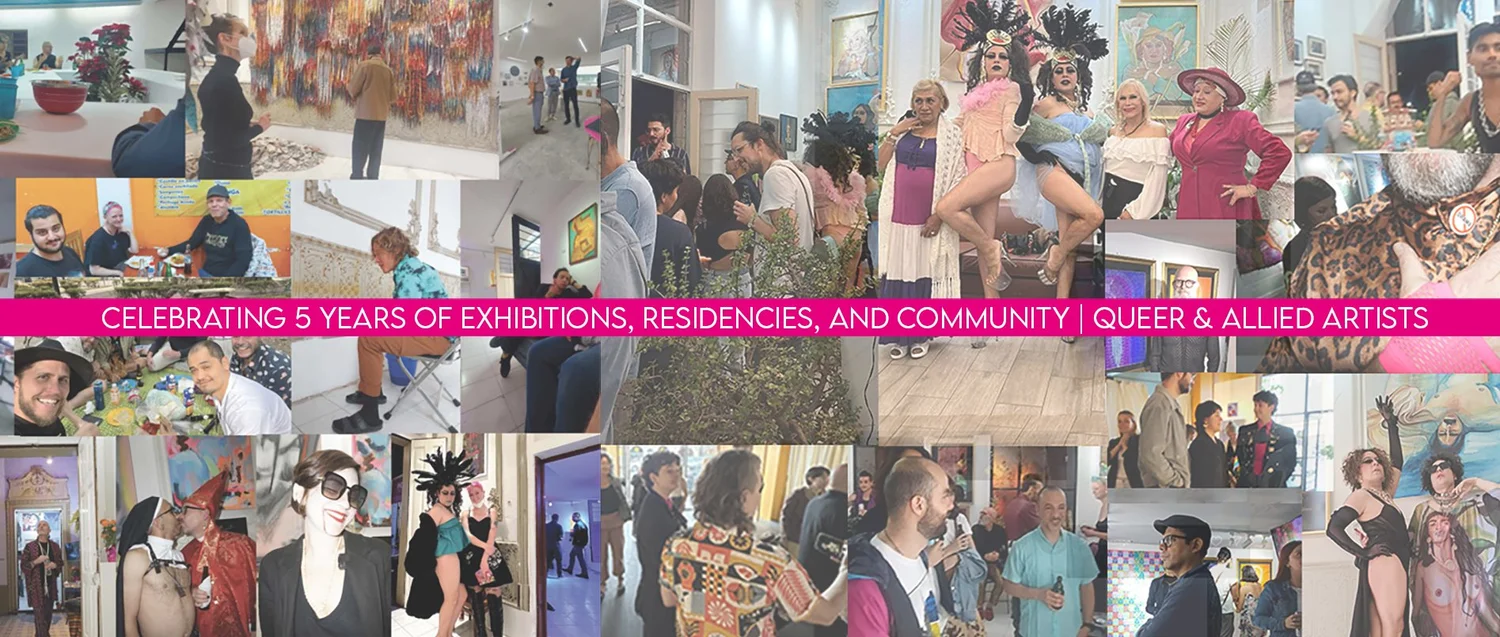
An artist-driven cultural platform in Mexico City offering hybrid and online residency programs for queer and allied contemporary artists. Programs include the INCUBATOR Online Residency and a Low Residency CDMX combining digital networking with physical studio time, supported by a global network of artists, curators, and cultural producers.
Casa Lü Parque
Mexico City, Mexico
Casa Lü Parque is an artist-run visual arts residency in Mexico City near Parque Hundido, founded in 2017. It provides dedicated studio space, accommodation, and engagement with Mexico City's contemporary art scene through weekly critiques, cultural outings, studio visits with local artists, and a final group exhibition. The program hosts small cohorts of 5-6 artists and emphasizes sustained practice and experimentation within an active cultural context.
Casa Snowapple Mx
México City, Mexico
Casa Snowapple MX is an intimate international artist residency program in Mexico City's Coyoacán neighborhood, opened in to provide national and international artists with time and space for research, development, production, and sharing of creative work. It offers 1-month residencies with shared or single accommodation, workspaces for retreat, co-working, rehearsals, workshops, a recording studio, garden, and kitchen, along with logistical support. The program emphasizes open dialogue, collaboration, and experimental contemporary art connecting Dutch, Mexican, and global cultures, particularly supporting women artists through workshops and public presentations.

KOIK Contemporary
Mexico City, Mexico
KOIK Contemporary is an independent art space, curatorial platform, and artist residency founded in 2021 in downtown Mexico City. Dedicated to fostering experimental practices, artistic research, and transdisciplinary dialogue, KOIK works closely with emerging and mid-career artists from Mexico and internationally. The residency operates as a one-on-one program culminating in a solo exhibition at their gallery space. Their curatorial focus spans environmental, political, and social themes, including migration, identity, memory, and gentrification.
Lagos / Momentum
Mexico City, Mexico
The LAGOS and MOMENTUM Artist-in-Residence Program emerges from a visionary partnership between LAGOS in Mexico City and MOMENTUM in Berlin. This collaboration seeks to enrich the global artistic community by fostering cross-cultural exchanges, promoting innovation in contemporary art, and providing a platform for artistic exploration in two of the world’s most vibrant cultural capitals. Aimed at artists and curators from diverse backgrounds and disciplines, the residency supports site-specific engagement with the unique sociopolitical and cultural contexts of each city. A distinctive feature of this residency is its collaboration with the Palm Foundation, which introduces a pioneering opportunity for artists to integrate digital art practices, specifically through the creation and exhibition of Non-Fungible Tokens (NFTs). This initiative not only offers financial support to partially offset residency costs but also provides technical assistance for artists venturing into the digital realm. Participants are encouraged to explore NFTs within their projects, thereby broadening their creative and professional horizons. The program champions a holistic approach to artistic development, facilitating personal guidance, curatorial support, and extensive networking opportunities. Participants are immersed in the rich art scenes of Berlin and Mexico City, benefitting from tailored visits to galleries, museums, and studios, alongside exclusive invitations to art events. The residencies culminate in public presentations, enabling artists to showcase their processes and outcomes to a wider audience.

PROArtes Mexico
Mexico City, Mexico
PROArtes Mexico’s Apapacho Residency is an international artist residency program located in the heart of Mexico City, offering a supportive environment for creative and research-focused residencies. Apapacho provides time, space, and a culturally immersive experience for visual artists, curators, writers, and multidisciplinary artists from around the world. This program emphasizes thoughtful engagement with each artist’s unique goals and fosters an exchange of ideas and community interaction. Residencies offer accommodations in a private, multipurpose studio space that includes a bedroom, studio, kitchen, and patio. The program welcomes both self-funded residents and scholarship applicants, with some fee reductions for artists from the Global South. While there are no strict deadlines, early applications are recommended.

Radio28 Creative Studios
Mexico City, Mexico
Radio28 Creative Studios, nestled in the vibrant heart of Mexico City, offers a unique artist residency program designed to nurture creativity and foster connections among artists from various disciplines. This residency is a haven for creatives seeking to dive deep into their work, supported by personalized mentorship from established artists, designers, and curators. Participants are immersed in the local art scene through guided tours of galleries, artist-run spaces, and museums, and receive both technical and conceptual support as they develop their projects. The residency culminates in a group exhibition, showcasing the fruits of their collaborative and individual efforts. Facilities include a shared kitchen, bathroom, library, and access to a comprehensive wood workshop, mold making and casting workshop, and printmaking workshop, ensuring artists have everything they need to bring their visions to life. With three program periods offered throughout the year, Radio28 is a dynamic platform for artistic experimentation, offering a rich schedule of activities and access to state-of-the-art facilities. This residency is an opportunity for artists to expand their practice, engage with a new community, and explore the cultural richness of Mexico City.

Rondo
Mexico City, Mexico
Rondo Residency, located in Mexico City, offers two residency options: Live-Work and Only-Work, catering to diverse artistic needs. The Live-Work modality allows artists to fully immerse themselves by residing on-site, while the Only-Work option lets artists arrange their own accommodations independently. Each residency spans 4 weeks, revolving around four key pillars: Production, Theoretical, Art Market, and Public Relations. Rondo supports various disciplines including Visual Arts, Sculpture, Performing Arts, Textile Art, New Media, Curatorial, and Photography. The residency provides private and shared studio spaces, a fully equipped woodshop, an experimentation lab, and other extensive facilities. It fosters connections with the local contemporary art scene through strategic partnerships. Founded by Nicolas Voegelin, Rondo Residency transforms a historical industrial factory into a vibrant creative sanctuary. The residency program is designed to nurture artistic development and collaboration, honoring a rich legacy while embracing the future.

SOMA
Mexico City, Mexico
SOMA is a renowned Mexico City-based non-profit organization, established by artists to foster cultural exchange and art education. Since its inception, SOMA has been dedicated to stimulating dialogue among artists and cultural agents from diverse generations and nationalities. This is achieved through a comprehensive array of programs including courses, workshops, practical sessions, critique sessions, and public events. At the heart of SOMA’s philosophy is the encouragement of experimental and formative artistic practices. The organization provides a platform for artists willing to rethink and challenge their working processes. Critical thinking about individual and collaborative projects, within a peer group, plays a fundamental role in SOMA’s educational approach. The organization questions existing structures and fields where artistic practices occur, aiming to cultivate a community of practice that shares knowledge and responsibilities. SOMA's educational programs are characterized by their bilingual nature, being conducted in both Spanish and English, accommodating a diverse international cohort. The organization's commitment to interdisciplinary approaches is evident in its varied curriculum, which addresses the intersections of art with other fields of knowledge and society. Located in the vibrant context of Mexico City, SOMA acts as a social laboratory, where the centuries-old multicultural metropolis becomes a central space for personal and collective artistic exploration. Through its focus on collaboration, SOMA not only nurtures the development of its participants' artistic endeavors but also contributes to the broader cultural landscape, making it a pivotal institution in the global art community.
Womb Mexico
Mexico City, Mexico
Womb is a four-week residency located in the heart of a vibrant Mexican neighborhood that integrates creative production, restorative practice, and community engagement. The program supports visiting artists—particularly those oriented toward social practice and activism—in developing a public-facing project (performance, exhibition, concert, or workshop) for local audiences. Womb provides technical and logistical assistance, community-building resources,
Browse by discipline in Mexico City
Filter in Mexico City
Been to a residency in Mexico City?
Share your review