Artist Residencies in Minneapolis
2 residenciesin Minneapolis, United States
Minneapolis is a smart place to look if you want residency support without losing touch with a working artist’s life. The city sits inside a larger Twin Cities network, so opportunities often stretch across Minneapolis and Saint Paul, but Minneapolis still stands out for its dense nonprofit arts scene, public support, and collaborative culture.
If you are looking for a city where residencies can lead to real connections, not just quiet time, this is a strong one. You will find programs for performance, public art, music, community engagement, and visual art, plus a steady current of studio buildings, arts nonprofits, and open calls.
Why Minneapolis works for residency-minded artists
Minneapolis tends to reward artists who want both time and community. The city’s arts ecosystem is shaped by nonprofits, foundations, libraries, parks, cultural organizations, and artist-run spaces. That means residencies here often come with a clear purpose: public engagement, experimentation, research, or work tied to a specific community.
It also helps that Minneapolis is not operating at the same cost level as New York or Los Angeles. Housing is still a challenge, and studio space takes work to secure, but artists often find the city more manageable than larger coastal hubs. That matters if you are trying to make a residency lead to something sustainable.
You also get seasons that shape the work. Summer and fall are especially active for festivals, open studios, public programs, and neighborhood events. If your practice benefits from being in conversation with people outside your immediate discipline, Minneapolis gives you plenty of entry points.
Residencies that matter in and around Minneapolis
CFPA Residencies
CFPA is one of the most relevant Minneapolis-based programs for performance artists and interdisciplinary makers. The residency model centers space, community, and presentation, with an emphasis on experimentation and risk. If your work lives between performance, text, sound, movement, or visual form, this is the kind of residency that can fit without forcing your practice into a narrow category.
What stands out is the tone. CFPA clearly makes room for artists at different stages and encourages relationship-building across identities and disciplines. That makes it a good match if you want a residency that supports process, not just product.
Twin Cities Pride Artist in Residence
This program is built for LGBTQIA2S+ artists who want a visible, community-facing platform. Selected artists receive studio space at the Pride Cultural Arts Center and prominent booth placement during the Twin Cities Pride festival across the residency period. The structure makes this especially useful if you want direct access to Pride audiences and a strong public presence.
It is a good fit for artists whose work connects to identity, celebration, activism, print, illustration, or small-scale work that travels well into festival settings. The long arc of the residency also gives you time to build relationships rather than just appear for a single event.
Hennepin County Library artist programs
Minneapolis Central Library has hosted artist residency programming that looks more like public-facing creative exchange than a traditional studio residency. A recent example featured musician and teaching artist Kashimana Ahua leading workshops on song creation, looping, and open sharing. That kind of structure is ideal if your practice includes teaching, facilitation, or community music-making.
Library residencies are worth watching if you want to work with mixed-skill participants and share process in a welcoming public setting. They are less about isolation and more about access, which makes them especially useful for artists who like working across generations and experience levels.
MNPAiR, or Minnesota Parks Artists in Residence
MNPAiR is not limited to Minneapolis, but it matters a lot for Minneapolis-based artists. Forecast Public Art and its park partners created the program to support work rooted in public space, belonging, and community. It is a paid residency with a substantial stipend and materials budget, and it asks artists to research a park or trail system and create new work from that engagement.
If you work in public art, socially engaged practice, environmental research, or site-responsive work, this is one of the strongest opportunities in the region. It is especially valuable for artists who are comfortable speaking with communities and turning that research into something visible and specific.
Anderson Center at Tower View
This one is outside Minneapolis, but it is part of the same wider arts ecosystem and deserves a place on your radar. Anderson Center offers short residencies with meals included and a deep bench of studio resources. It supports visual artists, writers, musicians, and performers, and it is one of the region’s most established residency settings.
If you want a true retreat with structure and excellent facilities, this is a strong option. It is also useful to know that Anderson’s broader residency model includes opportunities for Minnesota artists to connect internationally through exchange programs.
What kind of artist fits Minneapolis well
Minneapolis is especially good for artists who want to work in public, collaborate across disciplines, or connect with a specific community. The city has real support for socially engaged work, and many of its residencies are built around conversation rather than isolation.
You may feel at home here if you are:
- a performance artist looking for process-oriented support
- a teaching artist who likes public workshops
- a visual artist working in community-based or identity-centered practice
- a public artist interested in parks, civic space, or neighborhood engagement
- an interdisciplinary artist who does not fit neatly into one medium
If you want a city with a large commercial gallery market, Minneapolis is not trying to be New York. Its strength is the mix of institutional support, nonprofit depth, and strong artist networks.
How artists usually move around the city
Minneapolis is manageable without a car in some areas, but transportation can shape your residency experience more than you might expect. Metro Transit buses and light rail help, and biking is workable for part of the year. Still, winter weather and spread-out studio locations can make a car useful, especially if your residency involves site visits, warehouse studios, or neighborhood work outside the core.
For housing and studio hunting, many artists look toward Northeast Minneapolis first. It has a high concentration of studios, galleries, and artist buildings. Other neighborhoods can be appealing too, depending on budget and access, including North Minneapolis, Lyndale, Whittier, and parts of downtown-adjacent areas. Many artists also move fluidly across the metro, since Saint Paul is closely connected to Minneapolis arts life.
Where the local arts network shows up
One reason Minneapolis works well for residency seekers is that the city has a strong support web around the residencies themselves. That includes arts nonprofits, museums, studio associations, and opportunity listings that help you keep track of what is open.
Good places to watch include:
- Mn Artists for residencies, grants, and calls
- Northeast Minneapolis Arts Association for studio culture and open studio events
- Forecast Public Art for public art and community-engaged opportunities
- COMPAS for teaching-artist and community arts work
- McKnight Foundation-connected programs for fellowship and residency ecosystems
These networks matter because they show you how artists here actually build a practice: through shared space, public programming, and repeat contact with the same communities over time.
Practical things to think about before you apply
Residencies in Minneapolis often reward clarity. Before you apply, make sure you can explain how your work connects to the program’s structure. If it is a public-facing residency, be ready to talk about audience, participation, or collaboration. If it is a quiet studio residency, show that you know how to use the time well.
You should also be honest about logistics. Some programs are city-based, some are metro-based, and some are outside the city but still part of the same art economy. If you are moving from outside Minnesota, check whether the residency supports out-of-state or international applicants and what paperwork they can provide. Many U.S. residencies do not handle visa sponsorship, so that needs a direct question early.
Housing, food, and transit costs also add up fast. A residency that includes meals, studio space, or a stipend can make a much bigger difference than it first appears, especially in winter.
Who should keep Minneapolis on the list
Minneapolis is a good fit if you want residency support that feels grounded and practical. It is especially strong for artists who care about community, access, public life, and cross-disciplinary exchange. The city’s best programs tend to value process, relationships, and public impact just as much as finished work.
If that matches how you work, Minneapolis is worth a serious look. Keep an eye on library programs, performance residencies, public art opportunities, and the broader Twin Cities network. The strongest opportunities here often appear where artists are asked to show up fully, not just produce something alone in a room.

Soap Factory
Minneapolis, United States
The Soap Factory in Minneapolis, Minnesota, is an artist residency program that supports emerging and mid-career artists through exhibitions, international exchanges, and immersive installations, such as the 3 x 5 Artists in Residency featuring tent-based art. It has received funding for programs involving Minnesota and New York City artists, and partnered with organizations like Kutlivera for residencies in Sweden. Note that the venue appears to be permanently closed as of recent reports.
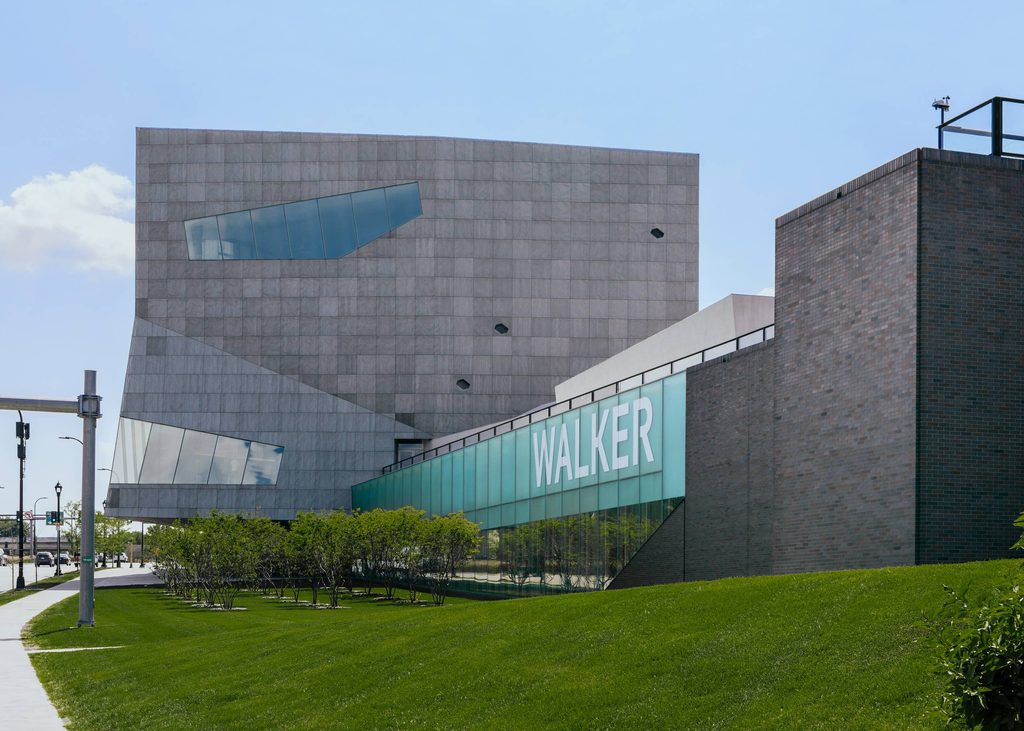
Walker Art Center
Minneapolis, United States
The Walker Art Center offers artist-in-residence programs that engage artists in community-based projects, including collaborations with local youth and organizations. The residencies support artists in creating public artworks and installations while working with Minneapolis communities.
Browse by discipline in Minneapolis
Been to a residency in Minneapolis?
Share your review