Artist Residencies in New Orleans
8 residenciesin New Orleans, United States
Why New Orleans is a residency city that actually changes your work
New Orleans pulls a lot of artists in with the idea of “inspiration,” but what actually matters for a residency is how a place changes your process. In New Orleans, you’re working inside a city where music, visual art, ritual, food, and street culture constantly overlap. That can mean:
- A strong sense of place: architecture, neighborhood identity, and public rituals are a daily backdrop, not a once-in-a-while event.
- A dense cultural ecosystem: museums, DIY spaces, festivals, music venues, and community arts organizations give you many ways to plug in.
- A manageable scale: you get a big cultural city without the sprawl and pressure of New York or Los Angeles.
- Built-in collaboration: residencies often connect you to local musicians, writers, organizers, and institution staff.
- Post-Katrina context: a lot of programs are shaped by ideas of cultural recovery, preservation, and community accountability.
There are trade-offs you should factor in before committing:
- Heat and storms: summers are very hot, humid, and include hurricane season. This affects comfort, transportation, and sometimes infrastructure.
- Rising housing costs: central, artist-loved neighborhoods can be expensive, especially for short-term stays.
- Limited studio inventory: if your residency doesn’t provide studio space, renting or finding one can take time.
- Transportation: it’s a compact city but not deeply transit-rich; moving big work without a car can be tricky.
Key residency options: how they actually feel on the ground
The programs below are very different from each other. Think less about which is “prestigious” and more about what your practice needs right now: time, money, community, quiet, or all of the above.
Joan Mitchell Center: studio-forward, structured, and well resourced
Focus: visual artists, studio practice, and professional development.
The Joan Mitchell Center residency is built around dedicated studio time plus institutional support. Artists-in-residence typically receive:
- Residency length: sessions of roughly 6 or 10 weeks depending on season.
- Private studio space: on the Center’s campus in New Orleans.
- Weekday meals: which cuts both costs and logistical errands.
- Weekly stipend: a modest cash cushion to offset expenses.
- Professional development: visits from arts professionals, workshops, and public engagement opportunities.
Eligibility generally includes:
- Artists who have lived in New Orleans (or specific nearby parishes) as a primary residence for several years, or who are New Orleans natives; and
- Former grant recipients of the Joan Mitchell Foundation based anywhere in the U.S.
Good fit if you want:
- A serious, studio-centered environment with peers in residence.
- Time to push a body of work, rather than a short, sprint-style retreat.
- Structured contact with curators, arts workers, and local partners.
What to think about: this residency is competitive and mission-driven. The application often asks you to be clear about your practice, community connections, and why this particular context makes sense for you.
Travelers New Orleans: live/work life in the Lower Garden District
Focus: long-term, embedded living and working in exchange for part-time paid hospitality work.
Travelers New Orleans runs a live/work residency inside a small hospitality business in the Lower Garden District. Artists typically receive:
- Residency length: roughly 6 months to 2 years.
- Housing: a room on the top floor of a shared three-bedroom, two-bath apartment.
- Workspace: a fourth room as office or limited studio space, plus informal making options on site.
- Paid work: around 15 hours per week helping run the hospitality operation.
- Exhibition opportunity: the lobby gallery on Magazine Street for showcasing work.
Good fit if you want:
- A stable landing pad in New Orleans long enough to build local relationships.
- Time to test ideas, not just produce a single project on a tight deadline.
- Structure and some income, instead of a purely unstructured retreat.
What to think about: this is not a “do nothing but make art” residency. You are working in hospitality, dealing with guests, and living in shared space. If you need solitude or large fabrication space, this may not be the best match, but it can be powerful if you like social settings and neighborhood immersion.
Longue Vue House and Gardens: historic site, gardens, and public-facing work
Focus: visual art, community engagement, and site-responsive projects in a historic house and gardens.
Longue Vue offers creative residencies where artists often work on-site, lead workshops, or create projects tied to the house and gardens. Past residents have used:
- On-site studio spaces.
- Workshops and public events focused on visitors.
- Exhibitions of work made in response to the site.
Good fit if you want:
- To work directly with landscape, architecture, or history.
- A built-in public interaction component, rather than a private retreat.
- A visually rich environment that lends itself to painting, drawing, photography, and community programs.
What to think about: at Longue Vue, your audience is often already present as visitors to the house and gardens. If your practice thrives on direct public feedback or teaching, this can be energizing.
The New Quorum: music, writing, and cultural immersion
Focus: musicians, composers, and writers, with an emphasis on cultural exchange and New Orleans music.
The New Quorum offers short residencies that usually run:
- Length: about 7 days to 3 weeks.
- Discipline focus: professional musicians and writers, including international artists.
- Context: staying in historic New Orleans, engaging with local artists and the broader cultural community.
Good fit if you want:
- Focused time to write, compose, or develop a music-centered project.
- To connect your practice to New Orleans music and cultural traditions.
- A short but intense stay with peer artists from different places.
What to think about: this program is built around cultural immersion rather than solitude, so it suits artists who want conversation, collaboration, and field experiences.
Kolaj Institute Solo Residencies: collage, archives, and project-driven work
Focus: collage, research-based practices, writing, curation, and other project-based work.
Kolaj Institute runs solo residencies from its space at the corner of Saint Claude and Saint Roch Avenues in the Marigny neighborhood. The setup typically includes:
- Residency length: 1 or 2 weeks.
- Housing: a fully fitted bedroom with access to a shared kitchen and bathroom; alternative off-site housing may be possible.
- Studio: work in Kolaj Institute’s gallery, with access to collage supplies and a printer.
- Planning support: a pre-residency assessment to identify local partners, archives, and resources.
Good fit if you want:
- A concentrated push on a specific project such as a collage series, book, film, or archive-based research.
- To work with existing collections or experiment with collage as a central medium.
- A short residency that still plugs you into local networks.
What to think about: the application usually favors artists who can articulate a clear project goal and why New Orleans supports that goal, even if the work is not directly about the city.
A Studio in the Woods: forest retreat and eco-focused practice
Focus: artists and scholars engaging with environment, science, land, and urgent issues.
A Studio in the Woods sits on eight forested acres along the Mississippi River in Bulbancha/New Orleans. It is oriented toward:
- Retreat-style residencies: quiet, nature-focused, with time to think and write.
- Science and ecology: programs often encourage work informed by environmental science, climate, and land stewardship.
- Issue-based projects: artists addressing large-scale social or ecological questions.
Good fit if you want:
- To get off the urban grid and focus deeply.
- To connect your practice to ecology, climate, or environmental justice.
- A setting that supports writing, research, and slower making.
What to think about: this is not an urban nightlife residency. You get trees, river, and quiet, with the city still reachable but not at your doorstep.
Institutional and education-based residencies: NOMA & NOCCA
NOMA Creative Assembly is a residency at the New Orleans Museum of Art that supports artists developing projects and public offerings in relation to the museum’s collection and programs. Artists typically receive:
- Funds and staff support for project development.
- Professional development opportunities and access to museum resources.
- Chances to create workshops, programs, or public events.
This is a good fit if your work is comfortable in dialogue with institutions and public programming.
The Helis Foundation Artists-in-Residence Program at NOCCA (New Orleans Center for Creative Arts) brings artists into a teaching context. The emphasis is often on:
- Working with students and broadening their exposure to different practices.
- Sharing techniques and approaches across disciplines.
This suits artists interested in education, mentorship, and youth-focused work more than those looking for a secluded studio residency.
Choosing the right neighborhood and daily rhythm
Your residency will feel very different depending on where you stay and how you move around. A quick sense of the main areas associated with residencies and artist life:
- Marigny and Bywater: close to music venues, galleries, and the St. Claude arts corridor. Walkable, energetic, and home to Kolaj Institute’s space.
- Lower Garden District: where Travelers New Orleans is based. Magazine Street offers galleries, cafes, and foot traffic; the architecture is a big part of the experience.
- Uptown / Near the river: quieter residential feel, with some institutions and easier access to places like A Studio in the Woods by car.
- French Quarter / Frenchmen-adjacent: high-density culture and nightlife, but also tourism and noise; better for visiting than for focused long-term work.
- Mid-City and beyond: practical for longer stays, often more residential, with varying access to transit and amenities.
Transportation-wise, you can get by on a mix of walking, biking, and public transit if your residency is centrally located and your work is portable. If you need to move large pieces, install in multiple sites, or reach edge neighborhoods regularly, having a car (or a clear rideshare budget) makes life easier.
Money, visas, timing, and how to actually prepare
Cost and budgeting for a New Orleans residency
Residencies that include housing, studio space, meals, or stipends are especially valuable in New Orleans because short-term rentals and utilities can add up quickly. When comparing programs, look for:
- Housing included: cuts the biggest expense immediately.
- Studio included: very helpful if you work large or messy.
- Meals or kitchen access: a kitchen matters if you are budgeting tightly.
- Stipend vs. paid work: some programs (like Travelers) offer paid hours instead of a standard stipend.
Even with a funded residency, plan for:
- Local transport (streetcar, bus, rideshare, or car costs).
- Materials and printing.
- Health and travel insurance.
- Unexpected weather-related costs (extra supplies, clothing, or contingency days).
Visa and international considerations
If you are based outside the United States, check carefully how each residency structures its support:
- Ask if the program provides an invitation letter that explains the residency’s purpose and funding.
- Clarify whether any stipend is tied to services you perform (teaching, labor, or formal work) or is simply support for your practice.
- Confirm which visa category is appropriate for your situation through official sources or professional advice.
Do not assume that acceptance to a residency equals work authorization. If a residency includes paid duties, such as hospitality work or teaching, that can affect what type of visa you need.
When to be in New Orleans
Weather and cultural calendar matter for your working style:
- Milder seasons: roughly fall through spring often feel more comfortable for walking, biking, and being in the studio.
- Hot, humid months: expect serious heat, heavy rain, and hurricane risk; plan for indoor work and higher cooling costs.
- Cultural peaks: major festivals and Mardi Gras bring huge energy and visibility, but also crowds, noise, and logistics. Decide if you want that intensity or would rather work in a calmer period.
How to choose the right New Orleans residency for you
Instead of asking “Which residency is the most impressive?”, ask more targeted questions that line up with your current needs:
- Do you want quiet or engagement? A Studio in the Woods and some phases of Joan Mitchell Center lean toward focused making; The New Quorum, Kolaj Institute, and Longue Vue pull you into community, archives, or public programs.
- Do you need time or intensity? Travelers offers months or years to grow roots. Kolaj Institute’s solo residencies and The New Quorum offer compressed bursts of activity.
- Is your practice object-based, performance-based, or research-based? Object-heavy work benefits from real studio space and transport planning. Research and writing can thrive in smaller spaces as long as you have good access to archives, libraries, or community partners.
- How much structure do you want? Some residencies build a schedule of check-ins, workshops, and events; others step back and let you design your own days.
- What kind of public do you want to reach? Museum audiences (NOMA), students (NOCCA), neighborhood visitors (Magazine Street, Longue Vue), or a small circle of peers.
If you treat New Orleans not as a backdrop but as a collaborator, the residency you choose can shift your work in ways that last long after you leave. Start with your practice needs, pick the residency that actually supports those needs, and then let the city’s layered culture do the rest.
A Studio in the Woods
New Orleans, United States
A Studio in the Woods, a beacon of artistic and environmental collaboration located at the heart of Southeastern Louisiana, serves as a sanctuary where artists of diverse disciplines converge to explore the profound relationship between humanity and nature. This organization is dedicated to supporting artists passionate about addressing the critical issue of our time: the intricate bond between human beings and the environment. By facilitating residencies, A Studio in the Woods nurtures meaningful interactions between artists and the local community, ensuring that the rich culture and ecology of the region inform and inspire the creative process. Residencies are offered across a wide spectrum of artistic fields, welcoming both established and emerging talents who share a commitment to public engagement and a rigorous work ethic. Positioned at the nexus of the City of New Orleans, a vast hardwood forest, the Mississippi River, the Gulf of Mexico, and extensive alluvial wetlands, the studio offers a unique backdrop against which artists are invited to delve into their projects, influenced by the dynamic environmental context.
Indie and Underground Rock Touring Residency
New Orleans, United States
A 6-day artist-led residency for indie and underground touring bands in New Orleans, offering an immersive local experience, a spotlight appearance, and low-cost stay options.
Joan Mitchell Center Residency
New Orleans, United States
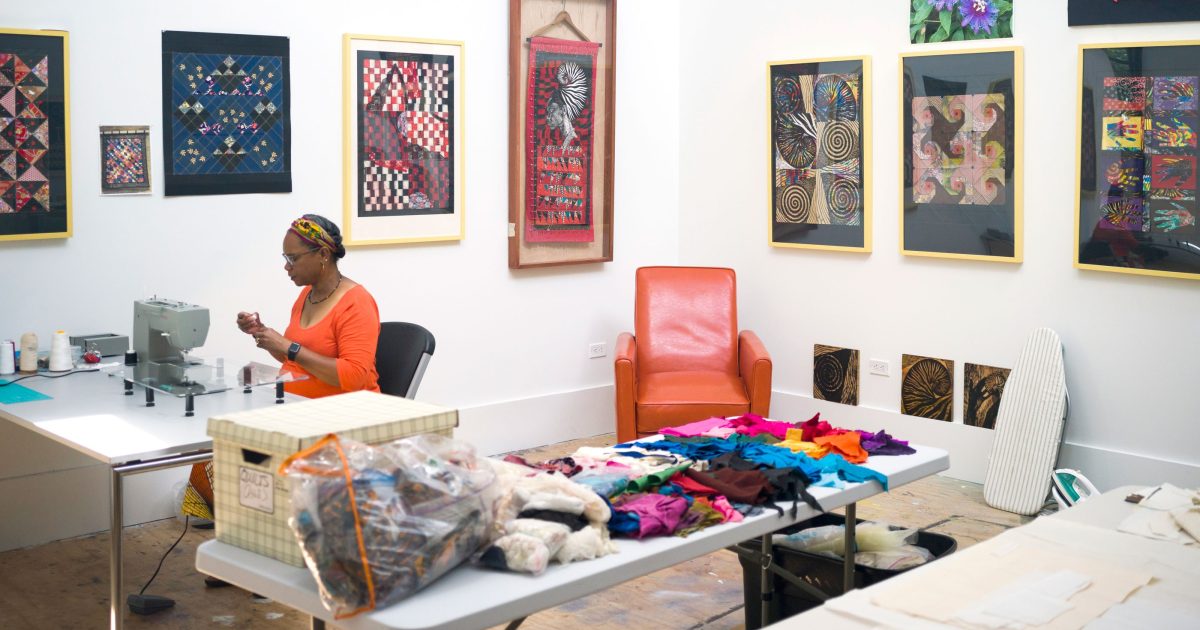
The Joan Mitchell Center in New Orleans offers visual artists 6-14 week residencies with private studios, weekday meals, $150 weekly stipend, and professional development opportunities. Open to New Orleans-based/natives and former Joan Mitchell Foundation grant recipients.
Long Term, Live/Work Residency
New Orleans, United States
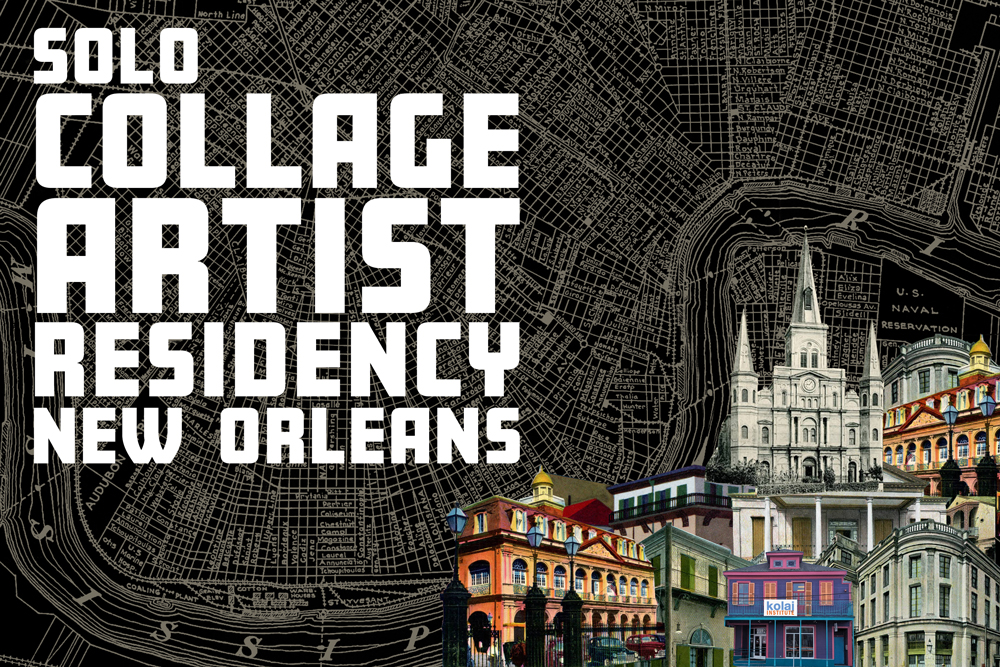
Short-term solo residency for artists, curators, and writers in New Orleans with housing and studio space in a shared live/work setting.
Peace Retreats A Time for renewal & Being
New Orleans, United States
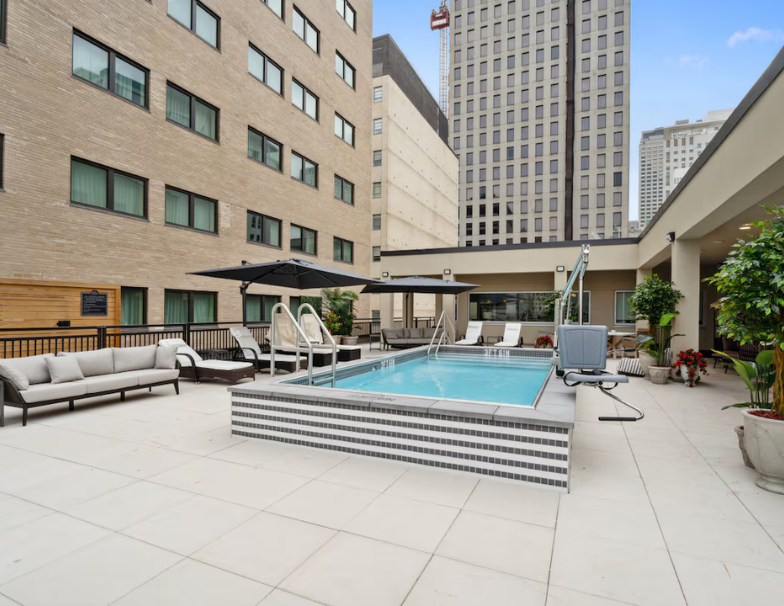
New Orleans retreat options for renewal, reflection, and spiritual growth, with peaceful settings that blend relaxation, meditation, and cultural exploration.

Rising Climate in Crisis
New Orleans, United States
New Orleans faces existential threats from accelerating sea level rise, severe land subsidence, and intensifying heat. By mid-century, extreme heat days may triple, while flood risks surge due to rising waters and eroding wetlands, demanding immediate managed retreat strategies.

Solo Collage Residency
New Orleans, United States
Kolaj Institute offers solo residencies in New Orleans for artists, curators, and writers to work on projects with dedicated time and space. Residencies last one or two weeks, include housing and studio access, and are held at the institute's home in the Marigny neighborhood.
The New Quorum
New Orleans, United States
Artist residency program for emerging and established musicians, composers, and writers providing focused time for artistic development and cultural exchange in New Orleans.
Browse by discipline in New Orleans
Filter in New Orleans
Been to a residency in New Orleans?
Share your review