Artist Residencies in Nérac
1 residencyin Nérac, France
Why Nérac works so well for a residency
Nérac is small, walkable, and slow in a good way. You get stone streets, a historic Château, the Baïse river, and rolling countryside with orchards, vineyards, and sunflower fields just beyond town. It’s the kind of place where you can actually hear yourself think, but you’re still close to cafés, shops, and a weekly market.
For artists, that balance matters. You’re not disappearing into total isolation, but you’re also not distracted by a big-city art scene. Most people who come to Nérac come to make work, reset their rhythm, and live simply for a few weeks.
If you’re looking for gallery hopping and nonstop events, this isn’t the place. If you want time, space, and a visually rich environment to support a project, Nérac is a strong option.
Studio Faire: the core residency in Nérac
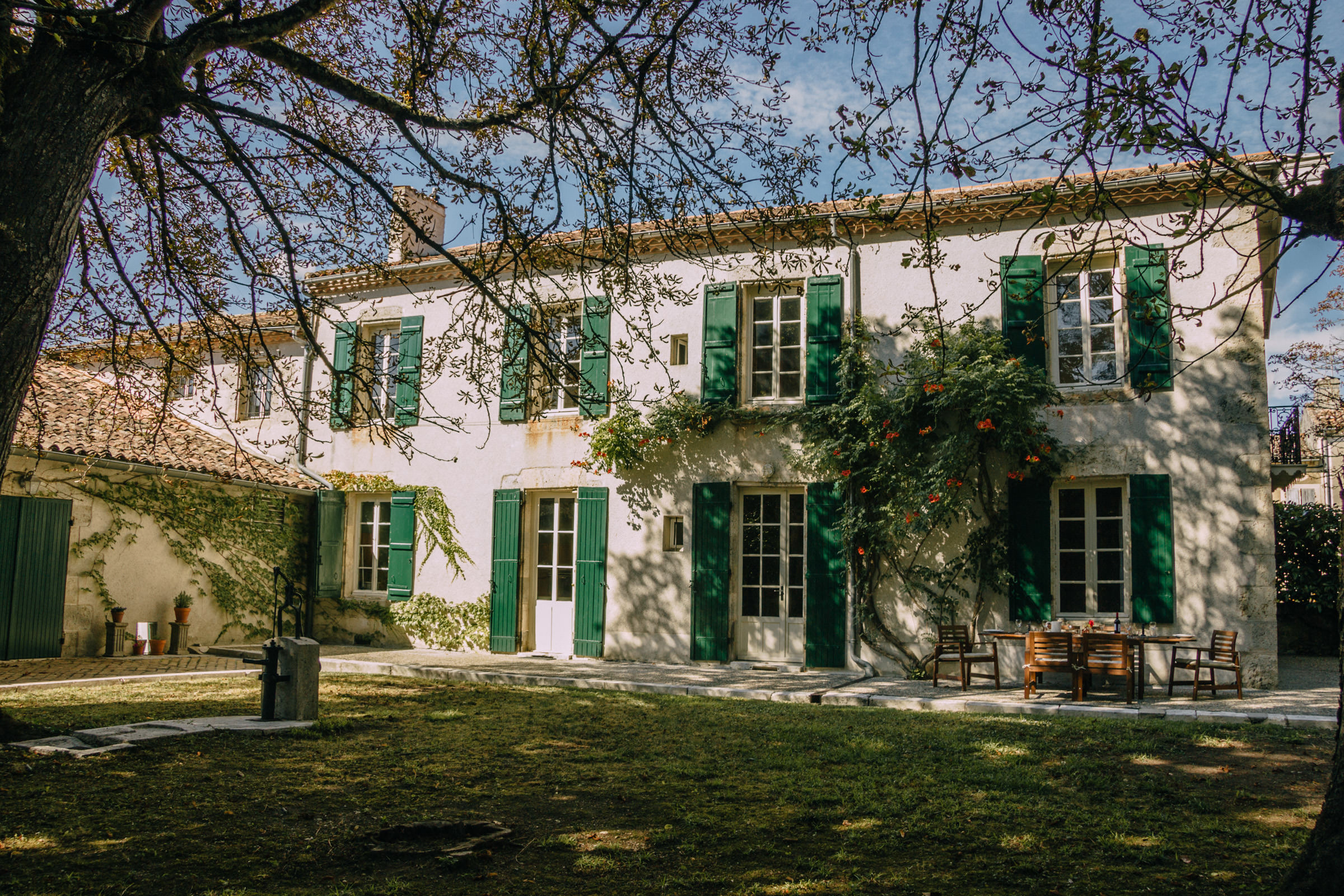
The main residency in Nérac, and often the reason artists land here at all, is Studio Faire, an artist-run contemporary art space set in a 19th-century Maison de maître near the town center.
What Studio Faire actually offers
Studio Faire is set up for self-directed work, not a heavily programmed retreat. You get:
- Short residencies: typically 2 weeks (13 nights) or 4 weeks (27 nights)
- Self-funded, self-directed structure: you cover your costs and design your own schedule
- Private bedroom: your own sleeping space, which matters if you do late-night or early-morning work
- Shared living and work areas: communal interior spaces plus a garden where you can read, sketch, think, or test ideas
- Studio access: spaces in the house and grounds suited to visual artists, writers, and other creative practices
- Self-catering set-up: you cook your own food, with supermarkets and markets within an easy walk
The house itself still carries its period character, which means high ceilings, big windows, and the sense that you’re working in a lived-in space, not a white cube or sterile dorm.
Who Studio Faire is good for
Studio Faire tends to suit artists who are:
- Self-motivated: you don’t need a daily schedule of workshops to get moving
- Independent: you’re comfortable structuring your days and balancing work with rest
- Happy in a house-based residency: you like the mix of privacy and casual communal contact
- Portable: your practice can adapt to a shared studio or domestic-scale space
Disciplines that usually work well here include writers, illustrators, painters, drawing-based artists, designers and makers, photographers in a planning or editing phase, filmmakers in research or script development, musicians and composers working with portable setups, and interdisciplinary artists focused on process rather than large fabrication.
The “Faire Play” music angle
Studio Faire also runs a music-focused strand often referred to as “Faire Play”. This is geared toward musicians, bands, and songwriters who want:
- A base to write or arrange new material
- Time to rehearse or experiment with sound
- Possibilities for small-scale performances or sharing sessions
If your work is sound-based and you’re fine working within a residential setting, this can be a solid way to embed music practice into a quieter rural context.
How structured is it?
Studio Faire is light-touch. You can expect:
- No fixed production quota or pressure to finish a polished body of work
- Plenty of unprogrammed time for deep focus
- Potential for informal critique and conversation with other residents and hosts
- Occasional sharing opportunities, depending on the group and timing
This is not a residency that revolves around a formal curriculum. It’s essentially time and space to create, in the company of a small international cohort.
How the Nérac context shapes your stay
Because Nérac is small, the town itself becomes part of your daily rhythm. You’ll probably end up working, walking, cooking, and repeating, with the town’s architecture and pace holding the whole thing together.
Town layout and where you’ll actually be
Nérac’s center is compact. Studio Faire sits on or near Avenue Georges Clemenceau, which places you within about a ten-minute walk of:
- Shops and supermarkets for groceries and essentials
- Cafés and bars for breaks, people-watching, and sketching
- The weekly market, useful for both food and sensory research
- A library, theater, music hall, and cinema
- The old town and the Château area
- Riverside walks along the Baïse, good for clearing your head or shooting reference material
This means you can realistically do the residency without a car, as long as you are comfortable walking and your practice doesn’t require hauling heavy materials around the region.
The art scene: what to expect (and not expect)
Nérac isn’t a gallery destination. You’re not going to find blocks of contemporary spaces showing international rosters. Instead, you get:
- A residency-driven micro-ecosystem, with Studio Faire as the main hub
- Local and regional cultural programming in theaters, community spaces, and municipal venues
- Occasional exhibitions or events, often tied to residency projects or local associations
That setup makes Nérac strongest as a production site. You draft the book, develop the series, compose the album, or plan the film here, then take it elsewhere for larger-scale showing, touring, or pitching. If you go in expecting that, the town works beautifully.
Working conditions: studios, space, and routines
Most artists in Nérac are working out of Studio Faire, their room, or the garden, so the “city guide” here is really about how to use the setting to support your practice.
Studios and work areas at Studio Faire
The studios and common areas at Studio Faire are designed to be flexible. Typical patterns:
- Visual artists can use studio rooms for painting, drawing, small sculpture, collage, or digital work
- Writers and researchers often spread out between their rooms, quiet corners, and the garden
- Musicians work in designated areas where sound won’t overwhelm everyone else
- Interdisciplinary artists mix laptop, analog materials, and outdoor research fairly easily
The gardens add another dimension: shaded and private enough to be useful for thinking, sketching, or even light installation and photography experiments, depending on the specifics of your project and the time of year.
What to bring and what to plan for
Because Nérac is small, it’s smart to arrive with most of what you need. Some practical tips:
- Pack core materials and tools: especially anything specialized, unusual, or size-specific
- Plan to source basics locally: paper, pens, general supplies are easier to replace than niche items
- Digital backups: bring drives and cables, as you may not want to rely on last-minute tech purchases
- Weather-flexible setup: layers and a flexible work routine so you can move between indoor and outdoor spaces comfortably
If your practice relies on large-scale fabrication, heavy machinery, or frequent access to labs and technical resources, you may want to frame your Nérac stay as a research, writing, or prototyping phase rather than a full production run.
Money, logistics, and daily life
Because residencies in Nérac are generally self-funded, planning your budget and logistics up front will keep the stay focused on your practice rather than on stress.
Cost of living and budgeting
Costs in Nérac are typically lower than in big French cities, but you’ll still want a clear breakdown. For most artists, the budget divides into:
- Residency fee or rent: your biggest fixed cost if you’re at Studio Faire or renting independently
- Food: cheaper if you cook; local markets and supermarkets make self-catering realistic
- Materials: depends entirely on your discipline; pre-planning saves money
- Transport: flights or trains to France, then regional travel to Nérac and any day trips
- Insurance and visa costs: especially if you’re coming from outside the EU
Because you’re likely spending most of your time working, social and entertainment costs can stay modest unless you are traveling heavily on your days off.
Groceries, markets, and eating out
Daily life in Nérac tends to revolve around a mix of cooking and occasional meals out. You have:
- Supermarkets within walking distance from Studio Faire for basics and bulk ingredients
- A weekly market for fresh produce, cheese, bread, and seasonal foods
- Cafés and bars where you can write, sketch, or decompress
- Restaurants if you want to treat yourself or mark milestones in your project
If you’re budgeting tightly, plan to cook most meals. The market and supermarkets make that doable, and the act of cooking can become part of the daily structure that keeps your residency grounded.
Transport: getting to Nérac and getting around
Nérac sits in rural southwest France, so reaching it usually involves a connection through a larger city.
- By air: common entry points include Bordeaux, Toulouse, or sometimes Bergerac
- By train: regional and high-speed trains run to hubs like Agen
- By bus or car: from Agen or another nearby town, you continue by regional bus or drive to Nérac
Once you’re in Nérac, the town center is easily walkable. A car can be useful if you:
- Want to explore medieval villages, vineyards, or countryside for research
- Need to source specific materials from larger nearby towns
- Plan to shoot locations or do field recording over a wider area
If you don’t drive, build in some extra planning time to coordinate public transport and shared rides with other residents, especially for bigger excursions.
Visas, timing, and planning your residency arc
Nérac is relaxed, but visas and scheduling are not. It pays to align the practical side with the creative side.
Visa basics
What you need depends entirely on your nationality and the length of your stay.
- EU/EEA/Swiss citizens: generally no visa for living and working in France, though long stays can involve some admin
- Non-EU artists: usually enter under Schengen short-stay rules for brief residencies, or apply for longer-stay visas if the residency extends past common limits
For a residency like Studio Faire, which is self-funded:
- Check whether you need an invitation letter or proof of accommodation
- Confirm that your stay fits into Schengen rules for your passport
- Make sure you have any required health insurance documentation
This is one of those areas where you want to verify everything with official sources and the residency itself well before your start date.
When to go for creative reasons
The Nérac area is especially strong from spring through early autumn, when:
- Daylight is longer and more generous for studio or field work
- You can comfortably use the garden and outdoor spaces for reading, sketching, or shooting
- The countryside around Nérac is lush, with vineyards, sunflower fields, and orchards all active
Shoulder seasons like late spring and early autumn can be ideal: good light, fewer tourists, and a balance between social and quiet time.
When to apply and how far ahead to plan
Residencies often book up earlier than you think. A few working guidelines:
- Work backward from your ideal season by several months
- Give extra lead time if you’re combining the residency with other travel or residencies
- Allow space for visa processing if you need it
- Factor in fundraising or grant applications if you’re seeking external support
The clearer you are about what you want to achieve during your stay, the easier it is to pick the right dates and communicate your needs to the residency hosts.
Community, sharing, and what happens after
Nérac isn’t about a big institutional scene; it’s about close-knit experiences and what you take with you when you leave.
The Studio Faire community
Because Studio Faire is artist-run and house-based, the people you share it with become your primary “scene.” You can expect:
- A small international group of artists across disciplines
- Plenty of impromptu conversations in the kitchen, garden, or shared work space
- Informal feedback exchanges, shared meals, and small studio visits among residents
Hosts often play a key role in connecting residents to local resources, pointing you toward events, venues, or contacts that fit your practice.
Local cultural anchors
Beyond the residency house, a few places help you tap into everyday life:
- The library: quiet work, research, and sometimes cultural programming
- The theater and music hall: performances and events that can feed your practice or offer a break from your own work
- The cinema: useful for film-focused research, language immersion, or just stepping out of your project for a couple of hours
- The Château and old town: architectural reference, sketching sessions, and a physical sense of history
- Riverside walk: simple, reliable space to clear your head, walk through ideas, or record sound
If you’re open to it, you can also reach out about possibilities like open studios, work-in-progress showings, or community workshops through the residency hosts. In small towns, these things are often arranged case by case rather than as fixed programs.
How Nérac fits into a bigger practice
Think of a residency in Nérac as a focused chapter within your larger trajectory. It’s well suited to:
- Starting a new body of work or long-form project
- Finishing something that needs quiet and consistency
- Reconnecting with your practice after a period of overload or burnout
- Doing deep research or writing that sets up future exhibitions, publications, or productions
Because there’s less pressure to “perform” in a big art scene, you can use the time to experiment, restructure, and take creative risks that might feel harder in a high-visibility environment.
If you’re comparing Nérac to other French residencies
You’ll see names like Château d’Orquevaux or La Napoule Art Foundation when you research residencies in France. Those programs tend to be larger, more structured, and more focused on group dynamics, sometimes with more intense hospitality or institutional frameworks.
Nérac, through Studio Faire, offers something different:
- Scale: fewer residents at once, more intimacy
- Autonomy: a lot of control over your time and process
- Integration with local life: you’re in the fabric of a small town, not only inside a château or campus
- Production focus: ideal for quiet, sustained making rather than constant programming
If your priority is a calm base, a walkable historic town, and a residency structured around your own practice rather than a fixed curriculum, Nérac is a strong fit.
How to decide if Nérac is right for your next residency
To keep it simple, ask yourself:
- Do you want a quiet, rural-urban balance more than a big city?
- Can your practice adapt to a house-based, shared environment with private bedrooms and communal spaces?
- Are you comfortable with a self-directed residency where you set your own goals?
- Does the idea of rolling countryside, medieval villages, and a slow market-town rhythm support the work you want to do?
If the answer is yes to most of those, Nérac is a solid candidate for your next stint of focused, sustainable making time.
Filter in Nérac
Been to a residency in Nérac?
Share your review