Artist Residencies in Paducah
1 residencyin Paducah, United States
Why Paducah works for residencies
Paducah is small, but it punches above its weight for artists. You get a concentrated arts scene, relatively low costs, and enough institutional support to feel plugged in without getting distracted every five minutes.
The city has spent years building an arts identity. A few anchors shape the experience you’ll have on a residency here:
- LowerTown Arts District – a historic neighborhood turned arts hub with studios, galleries, and live/work spaces.
- UNESCO Creative City (Crafts & Folk Art) – strong textile, craft, and folk art presence, especially through the National Quilt Museum.
- Compact, affordable city – easy to cross town, easier to keep your overhead low while you work.
For artists, that translates to:
- focused studio time with fewer distractions
- access to an arts community that’s tight-knit and generally welcoming
- real chances to show, teach, or collaborate during a short stay
- a manageable environment if you’re testing out living in a smaller city
If you’re craving a place to hunker down, experiment, and still feel connected to other creatives, Paducah is set up for exactly that.
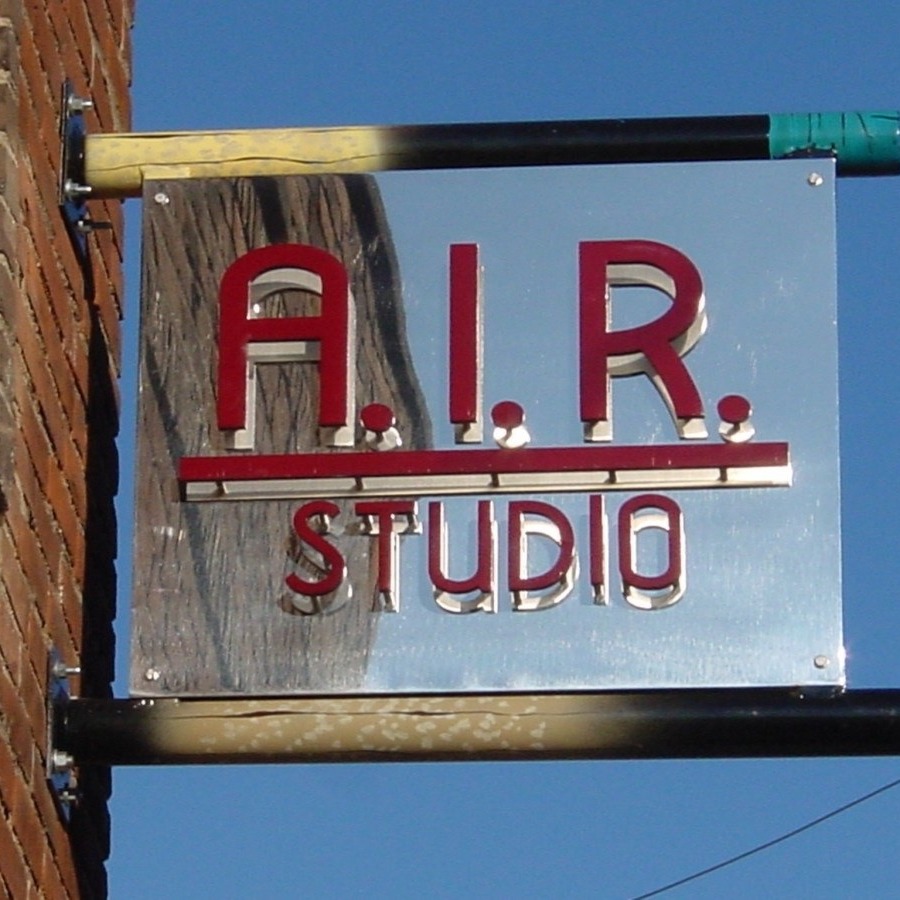
A.I.R. Studio Paducah: Live, work, show in LowerTown
Website: airstudiopaducah.com
A.I.R. Studio Paducah is the residency most artists start with when they look at the city. It’s a combined studio and efficiency apartment right in the LowerTown Arts District, about six blocks from the Ohio River.
What the residency actually looks like day-to-day
The setup is intentionally simple: you live and work in the same building, so there’s no commute, no separate lease, and no juggling keys to three different spaces.
According to the program and multiple listings, you can expect:
- Residency length: typically 2 weeks to 3 months.
- Live/work space: a private efficiency apartment plus a large studio space.
- Studio features:
- large open workspace with ample wall and floor space
- skylights and good natural light
- portable work tables, shelving, desk and chair
- utility sink for wet processes
- concrete outdoor deck and sawhorses
- washer/dryer on-site
- Front storefront/gallery space: a street-facing display area you can use for exhibitions, readings, performances, or informal showings.
Because it’s an independent setup, you control the rhythm of your time. You can treat it as a quiet production sprint, or pull the community in through open studios, pop-up shows, or small workshops.
Who this residency fits
A.I.R. Studio Paducah is best for artists who don’t need heavy structure and like to manage their own time. The program explicitly welcomes:
- visual artists in most media
- photographers
- architects
- writers (poetry, fiction, nonfiction)
- composers and sound artists
- improvisational dancers / choreographers
- collaborative teams and couples
You’ll get the most out of it if you arrive with a specific intention, for example:
- finish a cohesive body of work
- develop a new series or prototype a new medium
- rewrite a manuscript or score
- prepare work for a future exhibition
- research and experiment without pressure to produce a polished outcome
The program encourages applicants to have a clear objective for the residency. That can be as simple as “create 12 new small paintings and test a new color approach,” but you’ll feel more grounded if you define your own metrics for success before you go.
Why A.I.R. Studio stands out in Paducah
A few things make this residency a strong anchor in the city:
- Location in LowerTown: You’re embedded directly in the arts district, surrounded by other studios, galleries, and historic artist housing.
- Long-running program: It has been active since 2004, which means a deep alumni network and a community that knows what the residency is.
- Storefront presence: The multi-purpose exhibition space gives you visibility and flexibility for public events.
- Independent focus: Time and space for concentrated work, without being pulled into mandatory programming every day.
Past residents talk about it as a quiet, meditative, restorative place to work. If you want nightlife and constant events, this is not that. If you want to show up, cook simple meals, walk to the river, and log long, uninterrupted hours in the studio, it fits that pattern well.
Practical things to clarify before you apply
Because policies can shift, check the A.I.R. Studio Paducah site directly for:
- Current fees or stipends: past listings mention a fee-based structure, so confirm what you’ll pay or receive and what’s included.
- Application process: see if they run rolling applications or set cycles, and what materials they expect (work samples, project description, CV, etc.).
- Exact duration options: if you need a very specific length (for example, 5 weeks instead of a clean month), ask how flexible they are.
- Accessibility and logistics: questions about stairs, parking, bringing a partner, or working with specific materials (e.g., solvents, loud sound, dust) are worth emailing in advance.
Paducah Arts Alliance: Community-facing residency options
Website: paducahartsalliance.com
The Paducah Arts Alliance (PAA) runs an Artist-in-Residence Program that leans more toward cultural exchange and community connection. Instead of only giving you a studio to hide in, they tend to emphasize interaction with the city.
What this program emphasizes
From the Alliance’s own description, the program is designed to:
- foster artistic growth and cross-cultural exchange
- connect visiting artists with local communities and institutions
- highlight Paducah’s identity as a UNESCO Creative City
- encourage collaboration, workshops, or public presentations
The details of housing, studio space, and exact structure can change, so you’ll want to check their current residency page or contact them directly.
Who this suits
Paducah Arts Alliance residencies are usually a good fit if you:
- enjoy working with local communities and audiences
- are open to leading a workshop, talk, or participatory project
- work in socially engaged, craft-based, or collaborative practices
- want your residency to include public engagement, not just studio time
It pairs especially well with practices like:
- community-based art and social practice
- fiber and textile work with a public dimension
- interdisciplinary projects that need local partners
- performance and storytelling rooted in place
Questions to ask before committing
Because PAA’s offerings can shift, treat your first contact like a discovery conversation. Ask about:
- Housing: Is accommodation included? If yes, what type and where is it located?
- Studio space: Do you get a dedicated workspace, or are you expected to work from home or shared spaces?
- Residency length: How long can you stay, and are dates flexible?
- Support and expectations: Is there a stipend, a fee, or neither? Are you expected to present a workshop, exhibition, or community event?
- Project focus: Are there priority themes, mediums, or community partners they’re especially interested in at the moment?
If you like your work to be plugged into a local network instead of sitting in a bubble, this program is a strong complement or alternative to A.I.R. Studio Paducah.
The broader art scene: how Paducah supports your residency
A residency is only as strong as the city around it. Paducah has a tight cluster of venues and institutions that can frame your stay and give your work context.
LowerTown Arts District
This neighborhood is the heart of the contemporary arts community. LowerTown is known for:
- historic houses converted to studios and live/work spaces
- galleries and project spaces
- residency programs like A.I.R. Studio Paducah
- walkable streets where you can easily see work, meet artists, and get a sense of the local scene
If your residency is based here, you can walk from your studio to other artists’ spaces, grab food, and hit the riverfront without needing to drive every time.
Key institutions and venues to know
- National Quilt Museum – A major institution that anchors Paducah’s reputation in textiles and craft. If your practice touches on fiber, pattern, or material histories, it’s a must-visit and a potential source of research and inspiration.
- Yeiser Art Center – An exhibition venue in the historic Market House area, showing a mix of established and emerging artists. Worth visiting both to see how work is presented locally and to understand potential exhibition standards if you plan to propose a show.
- The Carson Center – A performing arts center that brings in theater, music, and multidisciplinary events. Good for performing artists, composers, and anyone interested in sound or live work.
- Market House Theatre – A community-rooted theater that supports local performing arts and collaborations.
- Maiden Alley Cinema – An independent cinema with screenings, special events, and film festivals. Interesting for video artists, filmmakers, and anyone working with moving image or installation.
On a residency, you can use these spaces strategically:
- research content and formats relevant to your work
- attend events to get a feel for local audiences
- introduce yourself to staff or volunteers if your practice could intersect with their programming
- locate gaps: what’s missing in the local scene that your work might gently address?
Cost of living, neighborhoods, and how to plan your stay
Cost of living and what that means for your work
Compared to major U.S. art hubs, Paducah is relatively affordable. That plays out in ways that matter directly to your studio practice:
- housing costs are lower than in large coastal cities
- studio and live/work space is more attainable
- day-to-day expenses (groceries, local transport) are generally manageable
If you’re doing a residency here, that usually means:
- you can stretch your budget and potentially stay longer
- you’re under less pressure to stack outside gigs during the residency
- you can invest more in materials or production while you’re there
Still, it pays to check current rental and cost-of-living info before you go, especially if you’re planning to extend your stay beyond the residency itself.
Where you’ll likely be based
LowerTown Arts District will be your primary reference point.
- LowerTown Arts District: the most relevant area for artists and residencies. You get walking access to studios, galleries, and the riverfront. If your residency housing is elsewhere, it’s worth trying to spend as much time here as possible.
Other neighborhoods can be quieter or cheaper, but if your main focus is connecting with the arts community, LowerTown is where you’ll be spending a lot of your days.
How to use the city during your residency
To keep your time focused but still connected, you can:
- plan specific “research days” at institutions like the National Quilt Museum and Yeiser Art Center instead of aimlessly drifting
- schedule a few studio visits with local artists or organizations early on
- set a simple goal like “one public-facing moment” (open studio, small talk, or informal presentation) before you arrive
- use the riverfront and walks through LowerTown as decompression time, not just idle wandering
Transportation, timing, and logistics for visiting artists
Getting there and getting around
Paducah sits in western Kentucky and is most commonly reached by car via regional highways. Air travel usually means flying into a regional airport and then driving or using ground transport to reach the city.
Once you’re in Paducah:
- Car: Often the most convenient way to move around, especially if you want to explore beyond the core neighborhoods or haul materials.
- Walking: If you’re based in LowerTown, a lot of your daily needs and arts venues are walkable.
If you don’t drive, talk with the residency coordinator about how past artists without cars have managed transit. Some residencies or local artists may be able to help with occasional rides or tips on local options.
International artists: what to keep in mind
For artists applying from outside the United States, build in extra time to think through:
- Visa requirements: Confirm what kind of visa fits the residency structure and your citizenship.
- Length of stay: Make sure your visa and residency dates match cleanly.
- Documentation: Ask the residency if they provide an official invitation letter or supporting documents for your visa application.
- Funding: If you’re using grants or support from your home country, check how they handle fee-based residencies or stipends in the U.S.
Because visa rules shift and depend on your situation, treat the residency staff as a source of documentation, not legal advice. Pair their letters with official immigration guidance or professional support if you need it.
When to be in Paducah
Many artists prefer spring and fall for residencies here. Those seasons tend to offer:
- milder weather that’s good for walks and outdoor breaks
- comfortable studio temperatures without extremes
- a solid calendar of cultural activity around town
Regardless of season, you’ll want to apply several months ahead of your ideal window, especially if you need to align with other travel or project deadlines. If you want to sync your stay with a local festival or major exhibition, check those dates first, then build your residency schedule around them.
Local community, events, and how to plug in
What the Paducah arts community feels like
The arts community here is shaped by a mix of:
- resident artists in LowerTown
- long-running institutions like the National Quilt Museum
- artist-led initiatives and galleries
- community cultural programming through theaters, cinemas, and arts nonprofits
The scale is small enough that you can quickly get to know people if you make the effort. That can be a real advantage if you’re thinking about future collaborations or even a longer-term move.
How to connect while you’re on residency
To make your time in Paducah count beyond the immediate work you produce, consider:
- Open studio or informal showing: Use A.I.R. Studio’s storefront or your residency space for an evening where locals can drop in and see what you’re working on.
- Workshops or talks: Offer a compact workshop or artist talk through your residency host, a local gallery, or an arts organization.
- Events and screenings: Check what’s happening at spaces like Maiden Alley Cinema, The Carson Center, or Market House Theatre while you’re in town.
- Peer connections: Ask your residency coordinator to introduce you to a few artists whose work might resonate with yours and invite them over for a studio visit.
These small gestures can turn a short residency into an ongoing relationship with the city and its artists.
Who Paducah is especially good for
Residencies in Paducah tend to work best for artists who want:
- Quiet, focused time to build or refine a body of work.
- A small, active community instead of a huge, anonymous art scene.
- Real studio infrastructure at a scale that feels manageable.
- Connection to craft, textiles, and community arts through local institutions and history.
- The option to mix solitude and public engagement through storefront spaces, workshops, or community-based projects.
It’s less ideal if you need:
- a massive gallery market with constant openings and collectors
- nightlife-heavy, large-city stimulation
- fully funded, highly structured residencies with large cohorts and daily programming
If what you want is time to work, a studio that makes sense physically, and a city that quietly supports art instead of treating it as an afterthought, Paducah is very much worth considering. Start with A.I.R. Studio Paducah and Paducah Arts Alliance, then build your residency plans around the kind of working rhythm and community connection that actually supports your practice.
Filter in Paducah
Been to a residency in Paducah?
Share your review