Artist Residencies in Paris
12 residenciesin Paris, France
Why Paris still matters for artists
Paris pulls a lot of artists for good reasons. You get intense art history, serious contemporary programming, and a residency ecosystem that actually supports research and production instead of treating you like cultural decoration.
The city is especially strong if you want to:
- Dig into collections, archives, and museum shows to feed long-term work
- Meet curators, writers, other residents, and local artists in a concentrated scene
- Test new work in front of informed audiences
- Balance studio time with deep-viewing days at museums and galleries
You are basically working inside a dense mesh of references: École de Paris, the historical avant-gardes, Surrealism, postwar abstraction, feminist practices, diasporic communities, and current experimental scenes. Residencies plug you into that faster than trying to build everything alone from a short tourist stay.
The Paris art ecosystem in a nutshell
Before you pick a residency, it helps to understand how the city is laid out for artists.
Institutions and big spaces
On the institutional side, you have heavy-hitters like the Centre Pompidou, Palais de Tokyo, Musée d’Art Moderne de Paris, and Musée national Picasso-Paris. They’re surrounded by smaller museums, kunsthallen, and project spaces. It’s very easy to structure your week around studio time plus one or two serious visits.
Production and residency platforms play a big role too. Some of the main ones you’ll keep hearing about:
- Cité internationale des arts – a huge residency hub with sites in the Marais and Montmartre
- CENTQUATRE-PARIS – a large-scale venue for residencies, production, and live programming in the 19th arrondissement
- L’AiR Arts – research and exchange-focused programs centered around Atelier 11 in Montparnasse
- Art Explora – Cité internationale des arts – a stipend and production-supported residency embedded within Cité
Galleries and project spaces
Galleries cluster mainly in a few zones:
- Le Marais (3rd/4th) – dense commercial gallery concentration plus design and photography; also near the Cité’s Marais site
- Saint-Germain / Rive Gauche – blue-chip galleries and historically important spaces
- Belleville and northeast – more experimental galleries, artist-run spaces, project rooms
- Near Palais de Tokyo / Trocadéro – institutions, foundations, and off-spaces orbiting the museum complex
For you, this means you can combine openings, studio visits, and residency events within short distances, especially if you’re near the river or on a good Métro line.
Key artist residencies in Paris
Below are some of the better-known options and what they are realistically useful for. Always check each residency’s site for current details, but this gives you a working map.
Cité internationale des arts
What it is: A major residency institution running since the 1960s, hosting artists from many disciplines and countries. It operates two sites: one in the Marais and one in Montmartre.
What it offers:
- Live/work studios with basic furnishings and workspace
- Programs for visual artists, musicians, writers, performance, sound, design, architecture, curatorial projects, and more
- Constant flow of over 300 artists at a time across both sites
- Selection via Cité’s own open calls plus a large network of partner institutions, funders, and cultural organizations
Best for you if:
- You want to be plugged into a very international peer group
- You see your time in Paris as research plus networking, not a solitary retreat
- You’re open to sharing kitchens, corridors, and common spaces as social infrastructure
Why it stands out: It functions as a semi-permanent village of artists. Many Paris-based curators and organizations already use Cité as a meeting point, and a lot of residencies and grants feed into it.
Cité internationale des arts – official site
Art Explora – Cité internationale des arts
What it is: A focused residency program run by the Art Explora foundation in collaboration with Cité internationale des arts, hosted at the Montmartre site.
What it typically offers:
- 3- or 6-month residencies for around twenty artists and researchers per year
- Studio apartments of about 50 m² in Montmartre, furnished and equipped
- Monthly stipend around €1,000
- Production grant that can go up to several thousand euros
- Return travel support
Best for you if:
- You need both housing and a meaningful stipend to make the residency financially workable
- Your project is research-driven or experimental and benefits from time to think and test, not just produce quickly
- You want the scale and community of Cité but with a clearly defined support package
Why it stands out: It combines accommodation, living support, and production money in a clear framework, which eases financial stress and visa documentation for many artists.
Art Explora – residency programme
L’AiR Arts – Atelier 11
What it is: An international research and exchange residency rooted in the historic Atelier 11 in Montparnasse, an area heavily associated with early-20th-century international artists.
What it offers:
- Short to medium residencies, often between 2 weeks and 2 months
- On-site or nearby accommodation, depending on the specific program
- A mix of self-directed studio time and curated group activities, talks, and visits
- Access to communal work and meeting spaces, small presentation formats, and a research library
- Networking with Paris-based artists, scholars, curators, critics, and partner institutions
Best for you if:
- You want dialogue, critique, and context as much as you want square meters
- You work in research-based, interdisciplinary, or historically aware practices
- You’re interested in the legacy of Paris art histories but want to engage them from a contemporary perspective
Why it stands out: It’s structured enough to support professional growth but still leaves room for your own rhythm. Good if you already have a practice and want to deepen your network and thinking.
L’AiR Arts – Atelier 11 residency
CENTQUATRE-PARIS
What it is: A large cultural venue in the 19th arrondissement combining artist residencies, production facilities, public programming, and community engagement.
What it offers:
- Variable residency structures connected to different departments and projects
- Access to studios, rehearsal spaces, equipment, and technical resources depending on the program
- Opportunities for work-in-progress showings, performances, installations, and community-facing events
Best for you if:
- You work in performance, installation, or large-scale or interdisciplinary projects
- You want a residency that includes production support and public sharing, not just studio seclusion
- Your practice connects to social, experimental, or cross-disciplinary approaches
Why it stands out: It acts as a hybrid between residency, theater, public forum, and lab, letting you test ideas with audiences and professional support.
CENTQUATRE-PARIS – official site
AWARE: Archives of Women Artists, Research and Exhibitions
What it is: A research and documentation center dedicated to women artists and feminist art, based in the historic Villa Vassilieff in the 15th arrondissement.
What it offers:
- Residencies for photographers, video artists, researchers, and curators
- Access to archives, documentation resources, and a specialized network
- A context where writing, research, and practice are closely connected
Best for you if:
- You work on feminist practices, gender, archives, or under-documented women artists
- Your project has a strong research backbone and might lead to both artworks and texts
- You’re a curator or researcher looking for a dedicated base in Paris
Why it stands out: It’s one of the few residencies where feminist art histories and research are the main subject, not a side theme.
MAĀT Gallery Artist Residency
What it is: A gallery-based residency in the Marais, with a strong connection to its exhibition program and neighborhood galleries.
What it offers:
- Short, usually one-month residencies
- Materials and practical support for new work
- Exhibition opportunities linked to the gallery
- A very central base in a key gallery district
Best for you if:
- You want a compact, intensive stay that ends in a show or public outcome
- You’re interested in visibility within the Marais gallery ecosystem
- You don’t need a long retreat, but you do want strong context and foot traffic
Why it stands out: It’s oriented toward concentrated production and exhibition, not long research arcs.
ACCR / Odyssée program
What it is: A program coordinated by the Association des Centres Culturels de Rencontre (ACCR), connecting artists with residencies in cultural centers, often historical monuments in France.
What it offers:
- Residencies for foreign artists, researchers, and cultural professionals
- Free accommodation and technical resources
- Interdisciplinary and intercultural projects in heritage sites
- Some participating centers are in or near Paris; others are elsewhere in France
Best for you if:
- You’re open to a broader French context, not only central Paris
- Your project relates to heritage, architecture, territory, or community contexts
- You’re looking for support that combines historic sites and production space
Why it stands out: It shifts the focus from inner-city studios to historic and cultural centers, with strong institutional backing.
ACCR – Centres Culturels de Rencontre
Where artists actually live and work
Residency housing solves a lot, but knowing the city’s geography helps you choose the right program and plan your off-residency life.
Key neighborhoods
- Le Marais (3rd/4th) – Gallery-heavy, central, and expensive. Great if your residency or housing is covered; tough if you’re paying market rent.
- Montparnasse (14th) – Historic artist district with good transport and more everyday amenities. Home to L’AiR Arts at Atelier 11.
- Montmartre (18th) – Cité internationale’s Montmartre site sits in an area full of art history and tourism. Good for views and character; busy in peak seasons.
- Belleville / Ménilmontant (19th/20th borders) – More mixed and generally more affordable, with independent studios and artist-run spaces.
- 19th arrondissement – Important if you engage with CENTQUATRE-PARIS and other large venues.
- Rive Gauche (13th, 15th) – Residential with pockets of studios, off-spaces, and places like Villa Vassilieff.
If money is tight, a residency that includes accommodation is usually the most realistic way to be central while still having funds for production and research.
Studios, production, and what to check before you apply
Not all “studios” in Paris mean the same thing. Before applying, look for details that matter for your specific practice.
Questions to ask residencies
- Access hours: Do you have 24/7 access to the studio?
- Noise and neighbors: Are there restrictions on sound, music, or tools?
- Ceiling height and load-in: Can you bring in large works, build structures, or rehearse movement?
- Equipment: Is there basic fabrication gear, sound systems, video equipment, or do you bring everything?
- Storage: Where do works live during and after the residency?
- Technical support: Are there technicians, curators, or staff you can consult?
Residencies like CENTQUATRE-PARIS can support larger productions, while Cité or L’AiR Arts might be better for research, drawing, writing, or small to medium-scale work. Align the space with the scale and fragility of what you want to make.
Cost of living and funding strategies
Paris is not gentle on rent, but you can make it workable with the right strategy.
Main costs
- Housing: Usually the biggest expense if not covered. Inner arrondissements are very high, outer ones slightly easier.
- Studio: Independent studios are competitive and can be pricey; residency studios are often the more realistic route.
- Food and transport: Groceries and public transport are manageable, especially with a monthly pass. Eating out frequently adds up fast.
Many artists keep costs down by:
- Choosing residencies that include accommodation and possibly stipends
- Living slightly farther out and commuting on the Métro or by bike
- Using cooperative or association-run studios instead of private rentals
- Applying for travel and production grants from home-country funders that pair well with Paris residencies
Getting around: transport and access
One big advantage of Paris: you don’t need a car for residency life.
- Métro and RER: Dense network, fast, and reliable for most daily trips between studios, galleries, and institutions.
- Trams and buses: Useful for outer areas and late-night returns.
- Bikes: City bike-share and private bikes work well, especially with expanding cycle lanes.
For arrivals and departures:
- Charles de Gaulle (CDG) handles most long-haul international flights.
- Orly covers domestic and many European flights.
- Main train stations like Gare du Nord, Gare de Lyon, Saint-Lazare, Montparnasse connect you to other European cities and French regions if your residency includes travel or off-site research.
Visas and paperwork basics
Visa requirements depend on your nationality and the length of your stay, but a few patterns apply.
If you’re from the EU/EEA/Switzerland
- Freedom of movement usually covers short- and long-term stays, within general EU residence rules.
- Residencies may still ask for proof of insurance and financial resources, but this is separate from visa concerns.
If you’re from outside the EU
- Short stays (up to 90 days in 180): You may enter visa-free or need a short-stay Schengen visa, depending on your passport.
- Longer residencies: Often require a long-stay visa or residence permit pathway.
In practice, you want:
- An official invitation letter from the residency with dates and support details
- Proof of accommodation (residency housing or rental)
- Clear statements about stipends and production grants, since these can count as proof of means
- Valid health insurance for France
Residencies with strong administrative teams (like those tied to major institutions or foundations) are usually easier on this front. Ask explicitly how much visa help they provide before applying.
Timing your stay and your applications
Paris is active year-round, but some periods serve artists better.
When to be in Paris
- September–November: Big openings, strong gallery season, lots of institutional programs.
- January–March: Exhibitions are active, and the city is less tourist-heavy.
- June–early July: Still plenty going on, though the calendar starts thinning as summer holidays approach.
August is quieter: many galleries and some admin offices slow down or close. It’s fine for studio time, less ideal for meetings and institutional access.
When to apply
Residencies often work 6–12 months ahead. A pragmatic rhythm:
- Research and track open calls starting in late summer and fall for the following year.
- Prioritize programs that align with your visa needs and funding cycles.
- For residencies tied to big institutions or public grants, expect to apply many months before your intended arrival.
Local communities and how to plug in fast
Residencies are often your main entry point, but there are a few quick ways to build a network while you’re in Paris.
Communities around key hubs
- Cité internationale des arts: International artist networks, constant studio visits, evening events, open ateliers.
- L’AiR Arts and Montparnasse: Research-driven conversations, links to historians, critics, and Paris-based artists.
- Belleville / 19th / 20th: More informal communities, artist-run spaces, and collective studios.
- AWARE and similar initiatives: Strong feminist and research-focused networks.
- Palais de Tokyo, Centre Pompidou, CENTQUATRE-PARIS: Curatorial, institutional, and performance-based ecosystems.
Events worth building your schedule around
- City-wide art weeks with fairs and satellite shows
- Gallery weekends and coordinated opening nights
- Nuit Blanche and other night-long events
- Open studio days at residencies and independent ateliers
- Museum late openings, screenings, and artist talks
For networking, have a concise statement about what you’re doing in Paris, links ready to share, and clear asks: studio visits, feedback, potential partners, or future opportunities.
Matching residencies to your practice
If you’re deciding where to focus your energy, a simple way to think about it:
- Long-form research and broad networking: Cité internationale des arts, Art Explora–Cité programmes.
- Structured exchange and short-to-medium stays: L’AiR Arts, MAĀT Gallery residency.
- Production and public presentation: CENTQUATRE-PARIS, MAĀT Gallery, and selected Cité partner programs.
- Feminist, archival, and research-heavy work: AWARE and Cité or partner residencies with strong research components.
- Heritage-based and intercultural projects: ACCR / Odyssée and Cité’s heritage-oriented partnerships.
If you treat Paris less as a fantasy destination and more as a working tool for your practice, residencies here can reset your references, expand your network, and give you focused time with serious infrastructure around you.

Art Explora
Paris, France
Art Explora is an innovative international foundation, established in 2019 by entrepreneur Frédéric Jousset, with a mission to foster new encounters between the arts and audiences across local, national, and international levels. The foundation leverages contemporary approaches, digital technology, and mobile programs to enhance access, participation, and engagement in the arts. Collaborating extensively with artists, cultural organizations, and communities, Art Explora offers a variety of art forms and creates memorable cultural experiences. It operates on the collective efforts of numerous partners and over 1600 volunteers, embodying a spirit of collective journey and cultural exploration. With programs like the Tirana Artists' Residence in Albania, Art Explora continuously supports contemporary creation, offering artists and researchers platforms for intercultural exchange and artistic experimentation.
Association des Centres Culturels de Rencontre - ACCR
Paris, France
The Association des Centres Culturels de Rencontre (ACCR) coordinates residency programs in French cultural centers located in historic monuments, primarily the Odyssée program for foreign artists, researchers, and cultural professionals, and the Nora program for refugee artists in France. These residencies support projects in fields like music, architecture, visual arts, writing, film, and more, offering free accommodation and technical resources to foster interdisciplinary creation and intercultural exchange.
AWARE
Paris, France
AWARE: Archives of Women Artists, Research and Exhibitions, offers a three-month research residency at Villa Vassilieff in Paris, focusing on women and non-binary photographers and video artists. The residency provides participants with accommodation in a 44m² independent living and working studio, access to AWARE’s extensive resource center, and a monthly stipend of €900. Residents will have the opportunity to engage with AWARE’s institutional, artistic, and academic networks, and are encouraged to host a public event and produce a research article for publication. The residency is designed for scholars, curators, and researchers whose work explores gender representation in photography and video art. Applications are evaluated by an international jury and selected based on artistic merit and the project’s relevance to AWARE’s mission. Travel costs to and from Paris are covered, and residents will benefit from a vibrant academic and cultural environment at Villa Vassilieff.
Cité internationale des Arts
Paris, France
The Cité internationale des Arts, founded in 1965, is a renowned artist residency program in Paris, France. It facilitates cross-cultural dialogue and offers artists from around the world a platform to engage with the public and professionals. Annually, over 1,200 artists participate in the residency, with more than 300 new residents each month. The Cité collaborates with 135 long-standing partners from over 60 countries, fostering a rich environment for creative exchange. The residency provides 326 studios across two locations: Marais and Montmartre. These studios are designed to support various aspects of contemporary creation, offering spaces for production, experimentation, and research. Each studio, ranging from 20 m² to 60 m², includes a workspace, kitchen, bathroom, and sleeping area. Residents can host guests for extended periods, subject to additional charges. Artists can apply for residency through the Cité's selection committees or via its network of long-standing partners. The Cité organizes different commissions by discipline and thematic, and also collaborates with institutions to support emerging international talents through residency programs and grants.
L’AiR Arts
Paris, France
L’AiR Arts is an international residency program located in Montparnasse, Paris, focused on fostering intercultural exchange through art and research. The program is based at Atelier 11, a historic site that has been a hub for international artists since the 19th century. L’AiR Arts offers residencies to artists and cultural professionals from diverse disciplines and backgrounds, promoting artistic exchange, research, and professional development. Participants engage in both self-directed projects and curated group programs, connecting with local Paris-based professionals, institutions, and galleries. The residency aims to preserve the artistic legacy of the École de Paris while encouraging contemporary creation. Residents have access to studio and living spaces, participate in public programs, and present their work in various formats. L’AiR Arts is dedicated to creating a nurturing environment for artists at all stages of their careers.
Lafayette Anticipations
Paris, France
Since 2020, Lafayette Anticipations has extended its commitment to supporting contemporary creation through the À l’œuvre! Creation Support Programme. This program offers artists a grant, exceptional equipment, and support from the Fondation’s curatorial and production teams, allowing them to explore crucial stages of creation: research, experimentation, and design. The program emphasizes sustainable production practices, providing comprehensive support and resources to the selected artist.
Les Récollets
Paris, France
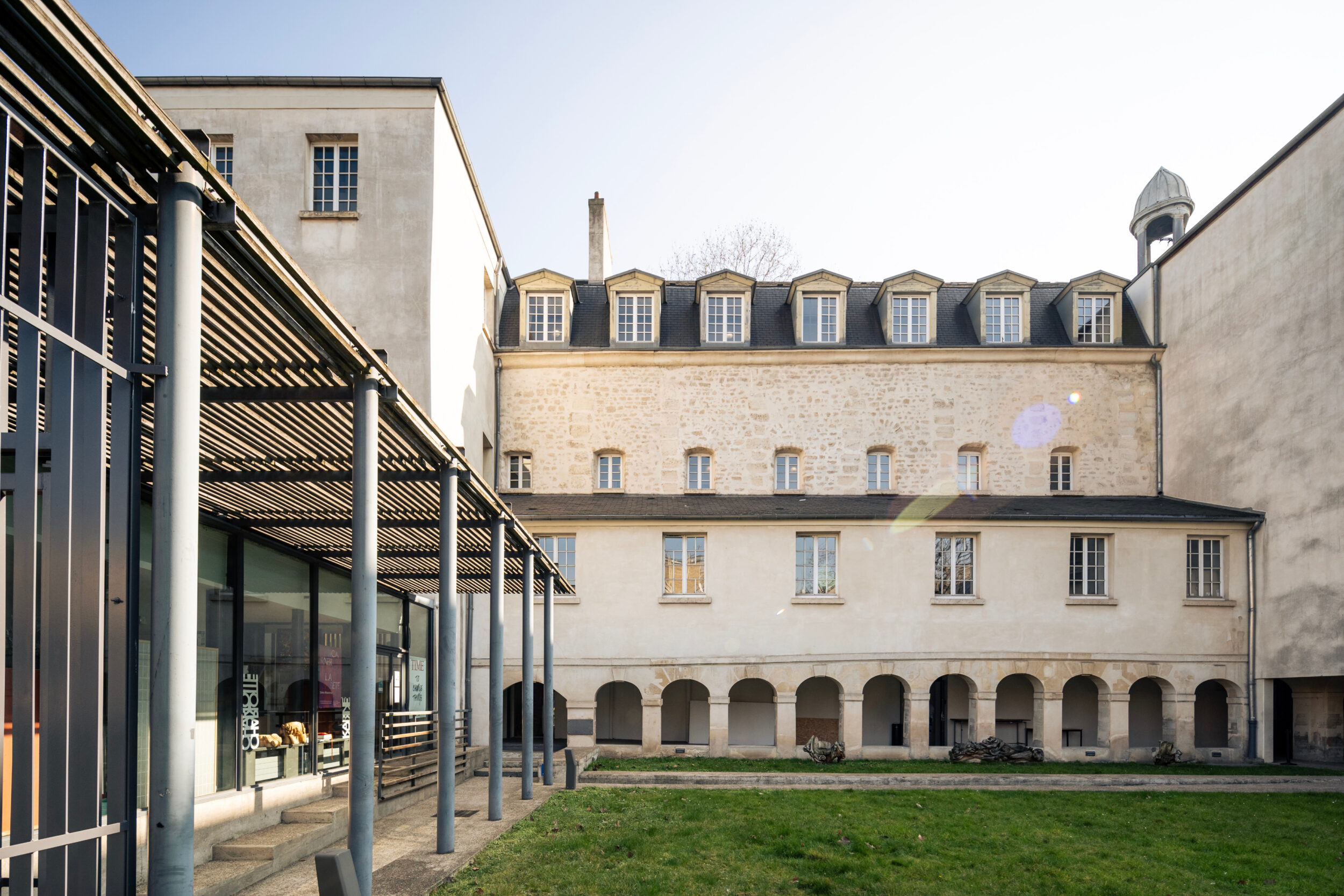
Les Récollets is an 80-unit furnished international residence in Paris's 10th arrondissement dedicated to hosting established researchers, scientists, and artists from around the world. The center provides accommodation with hotel-like services and fosters interdisciplinary creative exchange among residents from diverse fields. It serves as a space for artists and researchers to develop specific projects while engaging with Paris's cultural institutions and community.

Palais de Tokyo – Le Pavillon
Paris, France
The Palais de Tokyo – Le Pavillon (also known as Pavillon Neuflize OBC) was an artist-in-residence program and research lab at Palais de Tokyo in Paris, directed by Ange Leccia from 2001 to 2017, hosting over 130 international emerging artists. It offered an eight-month residency from November to June, sponsored by curators, featuring collective projects abroad and in France, plus solo exhibitions or performances at Palais de Tokyo. Residents received a monthly stipend, a studio at Cité Internationale des Arts, shared workspace at Palais de Tokyo, and coverage of program-related expenses.
Pépinières Européennes de Création
Paris, France
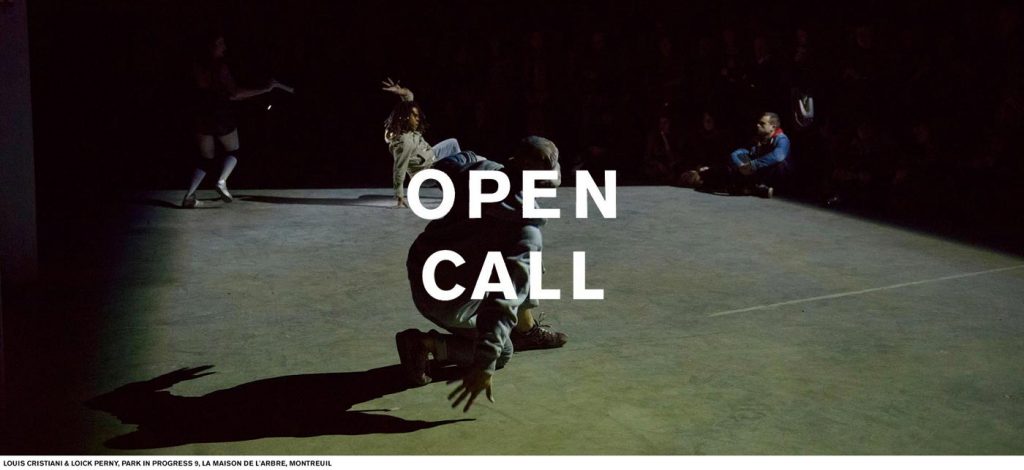
Pépinières Européennes de Création is a European network supporting artistic residencies and creation programs for emerging artists across various disciplines, including multidisciplinary and visual arts projects. It partners with organizations to launch open calls for residencies in locations such as France, Poland, Italy, and Belgium, often providing grants like €10,000 plus accommodation. Recent calls include residencies focused on themes like the Art of Remembrance and illustration/graphic literature.

Science New Wave (SNW)
Paris, France
The SNW Luminary Residency is a selective program located in Paris, exclusively available to Science New Wave (SNW) Luminary Members. This residency is designed for artists, scientists, researchers, and interdisciplinary creators who aim to challenge traditional boundaries of scientific storytelling. Residents stay for three weeks in Galerie Labocine, which also serves as their workspace, with one resident hosted each month during February, March, and April 2025. Participants are required to produce a short film in any format, which will premiere at the Science New Wave Festival in New York and be featured on the Labocine platform. Residents will document their creative process and participate in weekly meetings with the Labocine team. To apply, candidates must be SNW Luminary Members and submit a cover letter, project proposal, and video work via the Labocine platform. The residency provides an immersive and reflective environment to foster new approaches to interdisciplinary work.
The American Library in Paris
Paris, France
The American Library in Paris hosts an array of prestigious programs designed to foster cultural and intellectual exchanges across the Atlantic. Through the generous support of the de Groot Foundation, the Florence Gould Foundation, and the American Center for Art and Culture, the Library offers the Visiting Fellowship, Writer-in-Residence, Cultural Fellowship, and Composer-in-Residence programs. These initiatives provide creative professionals from various disciplines—including writers, researchers, artists, and composers—with the opportunity to engage deeply with their projects in the inspiring context of Paris. Participants are granted stipends ranging from $3,000 to $5,000 to assist with travel, accommodation, and living expenses, encouraging a focus on creative output and cultural contribution. In addition to financial support, fellows gain access to the Library’s rich resources, private office spaces, and the chance to participate in the Library’s vibrant community through workshops, performances, and collaborative events. Each program underlines the Library’s century-long mission of enhancing Franco-American relations and supporting artistic and scholarly endeavors within this dynamic cross-cultural framework.
The musée du quai Branly
Paris, France
The Sound Art Residency at Musée du quai Branly – Jacques Chirac in Paris is a program for artists from Africa, Asia, Oceania, or the Americas to create sound art inspired by the museum's collections, in collaboration with Le Fresnoy – Studio National des Arts Contemporains. It spans several months, including research and creation phases in Paris and Tourcoing, culminating in a public presentation of the work, which may join the museum's permanent collection.
Browse by discipline in Paris
Filter in Paris
Been to a residency in Paris?
Share your review