Artist Residencies in Pittsburgh
6 residenciesin Pittsburgh, United States
Why Pittsburgh actually works for residencies
Pittsburgh is one of those cities where residencies can actually change your practice, not just your bio line. You get a dense arts ecosystem, serious institutions, and real neighborhood communities, without the constant pressure cooker of New York or Los Angeles.
As a resident artist here, you feel a few things right away:
- Costs are lower than in most major U.S. art hubs, especially for rent and studio space.
- Neighborhoods are tight-knit and it’s possible to build real relationships with other artists, curators, and organizers fast.
- Community and public practice are normal, not niche. Many residencies here expect some kind of engagement with people outside the traditional gallery scene.
The core arts activity is relatively concentrated, so you’re not spending your whole life in transit. Key areas to know:
- Lawrenceville – galleries, studios, bars, and creative businesses.
- Bloomfield – walkable, close to multiple arts corridors.
- Garfield / Penn Avenue – heavy artist presence and the Unblurred gallery crawl.
- East Liberty & Shadyside – access to institutions, transit, and shops.
- North Side – near major museums like The Andy Warhol Museum and the Mattress Factory.
- Stanton Heights – relevant for Contemporary Craft’s residency house.
- Strip District & nearby east suburbs – warehouse character and more affordable options for studios or live/work.
If your practice leans toward craft, installation, socially engaged work, or writing and research, Pittsburgh lines up especially well.
Short, immersive residencies: come in, plug in, go deep
Pedantic Arts Residency
Where: Penn Avenue, in one of Pittsburgh’s most active arts corridors
Who: 1 artist, 1 curator, 1 arts writer per session
Duration: 4 weeks
Pedantic gathers an artist, a curator, and a writer under one roof for an intentionally social and intellectually charged month. You live in the Pedantic Apartment right on Penn Avenue, which places you in the middle of an area filled with galleries, artist-run spaces, and public events.
What you get:
- Free bedroom at the Pedantic Apartment.
- A $2,000 honorarium to use at your discretion.
- Weekly programming: lectures, dinners, studio visits, museum tours.
- Introductions to people and organizations aligned with your research or practice.
- A dedicated local guide working in your field to help with contacts and context.
Eligibility basics:
- Open to visual artists, curators, and arts & culture writers.
- You must be 18 or older.
- You must be a non-Pittsburgh resident at the time of application.
- You need to be available to live in Pittsburgh for the full four weeks.
- Proof of recent COVID-19 vaccination/booster is required.
Who it really serves: If your work is research-driven, discursive, or you thrive in conversation with curators and writers, this is one of the most focused ways to get a fast, deep introduction to Pittsburgh’s arts community.
You can read more through the program’s listing with the Artist Communities Alliance: Pedantic Arts Residency.
Contemporary Craft: Regional & National Residencies
Where: Contemporary Craft, with a residency house in Stanton Heights
Focus: Contemporary craft and material-based practices
Types: Regional and National residencies
Contemporary Craft centers studio-based craft in a nonprofit environment that takes public engagement seriously. It’s strong for ceramics, fiber, wood, metals, and mixed-media makers.
Regional Residencies (for artists living within a 100-mile radius of Pittsburgh):
- Two 3-month regional residency positions per quarter.
- Free studio access during all open hours.
- A small monthly materials stipend.
National Residencies (for artists living outside a 100-mile radius):
- Six positions annually: a mix of 6-month and 1-month residencies.
- Housing at the Residency House in Stanton Heights.
- Expanded access to Contemporary Craft studio spaces.
Who it really serves: Craft artists who want direct access to tools, a supportive staff, and visitors walking through a public-facing craft space. If you’re serious about material and process, this is a natural fit.
Program details and current calls are posted here: Contemporary Craft Artists-in-Residence.
BOOM Universe Residency Program (BOOM Concepts)
Where: Across three sites in Pittsburgh, centered on Penn Avenue
Focus: Community-driven, socially engaged, and public-facing work
BOOM Concepts has been developing artists through residencies since 2015, with a strong presence in the Penn Avenue Arts Initiative and its monthly Unblurred gallery crawl. The residency supports both Pittsburgh-based and visiting artists, often with an emphasis on underrepresented voices.
What you get:
- Free live/work space at one of their sites.
- Stipends and access to supplies.
- Skill-building and professional support.
- Audience engagement through Unblurred and other public programs.
Who it really serves: If you want people in the room with your work, and you’re interested in community events, neighborhood visibility, and collaboration with other artist-led movements, BOOM is a good anchor. This residency is often less isolated and more about being embedded in a living art scene.
Program overview here: BOOM Universe Residency Program.
Residencies rooted in community, education, and public practice
Shiftworks Community + Public Arts Residencies
Where: Partner sites across the Pittsburgh region
Focus: Civic practice, public art, and community co-creation
Shiftworks doesn’t just drop an artist into a studio; it builds residencies in partnership with communities and organizations. Projects are designed around the self-defined needs of those communities, which keeps the work grounded.
Past residencies include:
- Collaborations with post-9/11 veterans through Rethink Vets.
- Projects with immigrant and refugee-serving organizations.
- Sibyls Shrine, a residency model supporting Black creative mothers in Pittsburgh.
What you can expect:
- Time working on-site with a partner organization or community.
- Projects that often result in public art, events, or collaborative outcomes.
- Ongoing relationships rather than one-off appearances.
Who it really serves: Artists whose practice is deeply collaborative, who see community members as co-creators, and who are ready to listen as much as they produce. If your work is social practice, public art, or community research, this is a strong context.
Learn more here: Shiftworks Artist Residencies.
Pittsburgh Center for Creative Reuse (PCCR) Artist in Residence
Where: Pittsburgh Center for Creative Reuse
Focus: Reuse, sustainability, and public demonstration
PCCR is a hub for artists who love working with found, surplus, and discarded materials. The residency supports one artist per year, with a multi-month structure that typically includes public interaction and a final exhibition.
What you get:
- A defined residency period of several months.
- Access to a deep inventory of reusable materials.
- Demonstration days, where you work in view of visitors and talk about your process.
- A culminating exhibition and a community workshop.
Who it really serves: If your practice revolves around scrap, surplus, upcycling, or conceptual reuse, this is a very direct fit. You’re surrounded by material and by a community that understands making as a form of environmental action.
Program info and calls appear here: PCCR Artist in Residence.
Pittsburgh Center for Arts & Media (PCA&M) Artist Residency Projects
Where: Schools, libraries, community centers, and service organizations across multiple counties
Focus: Teaching, facilitation, and socially engaged education
PCA&M runs residency projects with schools and community organizations through a partnership with the Pennsylvania Council on the Arts. This is less about a single studio and more about embedded projects where artists work directly with children, teens, and adults.
Examples of host sites include K–12 schools, community centers, veteran centers, and public libraries. Projects range from visual arts and media to folk art, music, writing, and more.
Who it really serves: Teaching artists, socially engaged practitioners, and artists who want hands-on experience in education or community settings. You need patience with institutional timelines and a solid facilitation skill set.
More details here: PCA&M Artist Residency Projects.
Longer-term and career-building residencies
Brew House Association: Distillery Emerging Artists Program
Where: Brew House Association, Pittsburgh
Duration: 1 year
Focus: Emerging Pittsburgh-based artists building professional practice
Distillery is a year-long studio residency designed to help seven emerging artists deepen their practice and take concrete steps toward sustainable careers. Think of it as a structured landing pad if you’re already in Pittsburgh and want to move from “making work” toward “running a professional practice.”
What you get:
- Dedicated studio space for a year.
- A supportive peer cohort of seven artists.
- Professional development programming.
- A group exhibition in the Brew House Gallery.
Who it really serves: Artists already based in Pittsburgh who are serious about staying and growing. If you’re somewhere between emerging and mid-career and want both community and structure, this is a strong option.
Program info is here: Distillery Emerging Artists Program.
University of Pittsburgh: Artist-in-Residence Programs
Where: University of Pittsburgh, Studio Arts and related departments
Focus: Research-based practice and student engagement
Artist-in-residence programs at Pitt tend to be embedded inside specific departments or research initiatives. You get access to scholars, students, and facilities, and your work often connects directly to university research themes.
What you can expect:
- Time and space to develop new work on campus.
- Collaboration with faculty and students.
- Public talks, exhibitions, or classroom visits.
Who it really serves: Artists interested in research, theory, or cross-disciplinary work. If you want your residency to sit at the intersection of art, science, humanities, or technology, this is where you want to look.
Overview here: Pitt Studio Arts Artist-in-Residence Programs.
City of Asylum: Exiled Writer and Artist Residency
Where: Pittsburgh’s North Side
Focus: Exiled writers and artists at risk
City of Asylum offers long-term residencies for writers and other artists in exile who cannot safely return to their home countries. This is a humanitarian, mission-driven residency that provides housing, support, and a platform for free expression.
Who it really serves: Literary and cross-disciplinary artists whose safety and freedom of expression are threatened. It’s not a general residency you casually apply to; it is tailored to artists at risk, often in partnership with international networks.
More information here: City of Asylum Residency Program.
Choosing a neighborhood and day-to-day life
Where to stay and work
If your residency doesn’t dictate housing, neighborhood choice will shape your daily rhythm a lot.
- Lawrenceville – Good if you want nightlife, cafes, and proximity to galleries and studios. Rents can be higher but still gentler than coastal cities.
- Bloomfield – A walkable compromise: relatively affordable, close to Penn Avenue and East Liberty.
- Garfield / Penn Avenue – Strong presence of artists and nonprofits; ideal if you’re connected to BOOM, Pedantic, or Unblurred events.
- Shadyside & East Liberty – Central, with decent bus connections and quick access to institutions.
- North Side – Close to the Warhol Museum, Mattress Factory, and City of Asylum; good if your residency anchors there.
- Strip District & nearby east suburbs – Studio-friendly and sometimes cheaper for larger spaces, especially in converted industrial buildings.
Many residencies either provide housing (Pedantic, Contemporary Craft, City of Asylum) or help you connect to local options. If you’re arranging your own, look for bus access to your residency site and the main arts corridors to keep transit manageable.
Cost of living expectations
Pittsburgh is not as cheap as it used to be, but it remains more feasible than many large art cities.
- Rent: East End neighborhoods (Lawrenceville, Shadyside, East Liberty) sit higher, but still below New York or San Francisco levels. Outlying areas often offer more space for less.
- Studios: You can still find converted industrial buildings and nonprofit spaces with workable rates.
- Daily costs: Groceries, public transit, and utilities are moderate by big city standards.
The real advantage is how many residencies combine housing, studio access, stipends, and community connections, which can make a multi-month stay financially realistic.
How to move around, and when to come
Transportation basics
Pittsburgh is compact but shaped by hills, rivers, and bridges, so straight lines aren’t always possible. Your main tools:
- Pittsburgh Regional Transit buses – Core lines run through East End neighborhoods, Downtown, and Oakland.
- Light rail (T) – Limited but useful between Downtown and some southern neighborhoods.
- Biking – Works in many neighborhoods, but the hills are real; check routes ahead of time.
- Rideshare – Helpful at night or for cross-river trips when bus frequency drops.
The city’s main airport is Pittsburgh International (PIT), with regular flights to major U.S. hubs. Many residencies will help coordinate airport pickup or clear directions to housing.
Seasonal considerations
Each season offers a different rhythm:
- Spring – Good balance of weather and programming; neighborhoods feel lively.
- Summer – More festivals, outdoor events, and open studios; heat is usually manageable.
- Fall – Strong museum and gallery schedules; beautiful for walking and site visits.
- Winter – Cold and sometimes snowy, but studio time is focused and distractions drop.
If you’re planning a residency circuit, consider scouting programs and neighborhoods in late spring through early fall, when events like the Penn Avenue Unblurred crawl are in full swing.
Visas, applications, and putting the city to work for your practice
Visa and eligibility checks
If you’re an international artist, always confirm:
- Whether the residency accepts international applicants.
- What type of documentation or visa status they expect.
- Whether they provide invitation letters or any visa-related support.
- How they classify your time there (research, cultural exchange, teaching, employment).
Longer residencies with stipends, teaching duties, or formal employment ties (especially university programs) may require more careful planning. City of Asylum has its own distinct legal and humanitarian framework for artists in exile, which is different from a standard visiting artist residency.
How to choose the right Pittsburgh residency
A quick way to narrow it down:
- You want an intense, short immersion and serious conversation: Look at Pedantic or BOOM Concepts.
- You’re a craft or material-focused maker: Look closely at Contemporary Craft and PCCR.
- Your practice is community-based or public-facing: Shiftworks and PCA&M’s projects are the most aligned.
- You’re based in Pittsburgh and want infrastructure and career development: Distillery at Brew House Association is key.
- You work at the intersection of art, research, and education: University of Pittsburgh residencies make sense.
- You are an exiled writer or artist at risk: City of Asylum is the relevant resource.
The city is small enough that if you land one residency, you can often connect to others, or at least to their networks. If you treat Pittsburgh as a place to build relationships rather than just rack up line items on a CV, the residencies here will go a lot further for your practice.
BOOM Universe Residency
Pittsburgh, United States
BOOM Universe Residency at Alloy Studios by BOOM Concepts supports Black, Brown, Queer, and Femme artists with live/work housing, stipends, studio space, mentorship, and Pittsburgh art ecosystem connections. Quarterly program for creative entrepreneurs.
Bunker Projects
Pittsburgh, United States
Bunker Projects is a nonprofit artist residency and experimental gallery located in Pittsburgh, PA. Established in 2013, the residency aims to provide a dynamic and supportive environment for visual contemporary and multidisciplinary artists to develop new work, connect with peers, and engage with the local community. The program integrates studio production, public exhibition, and art publication, creating a vibrant cultural landscape. Residents are offered time and space for artistic development while being actively involved in the Bunker Projects community. The residency includes studio space, communal living arrangements, and opportunities for public engagement through open studios and community events. The residency is open to dedicated and self-motivated artists who are eager to be part of the Pittsburgh creative scene.
MakerHouse
Pittsburgh, United States
House ResidencyAs a Resident, you will receive free housing, workshop access, and a living stipend for one month so that you can focus on exploring these themes and contributing knowledge to the world.Our workshop includes tools for woodworking, metalworking (welding, casting, blacksmithing), ceramics, software, electronics, music, robotics, 3D printing and laser cutting. We also have a full time shop master who can teach you how to use any tools you aren’t familiar with.
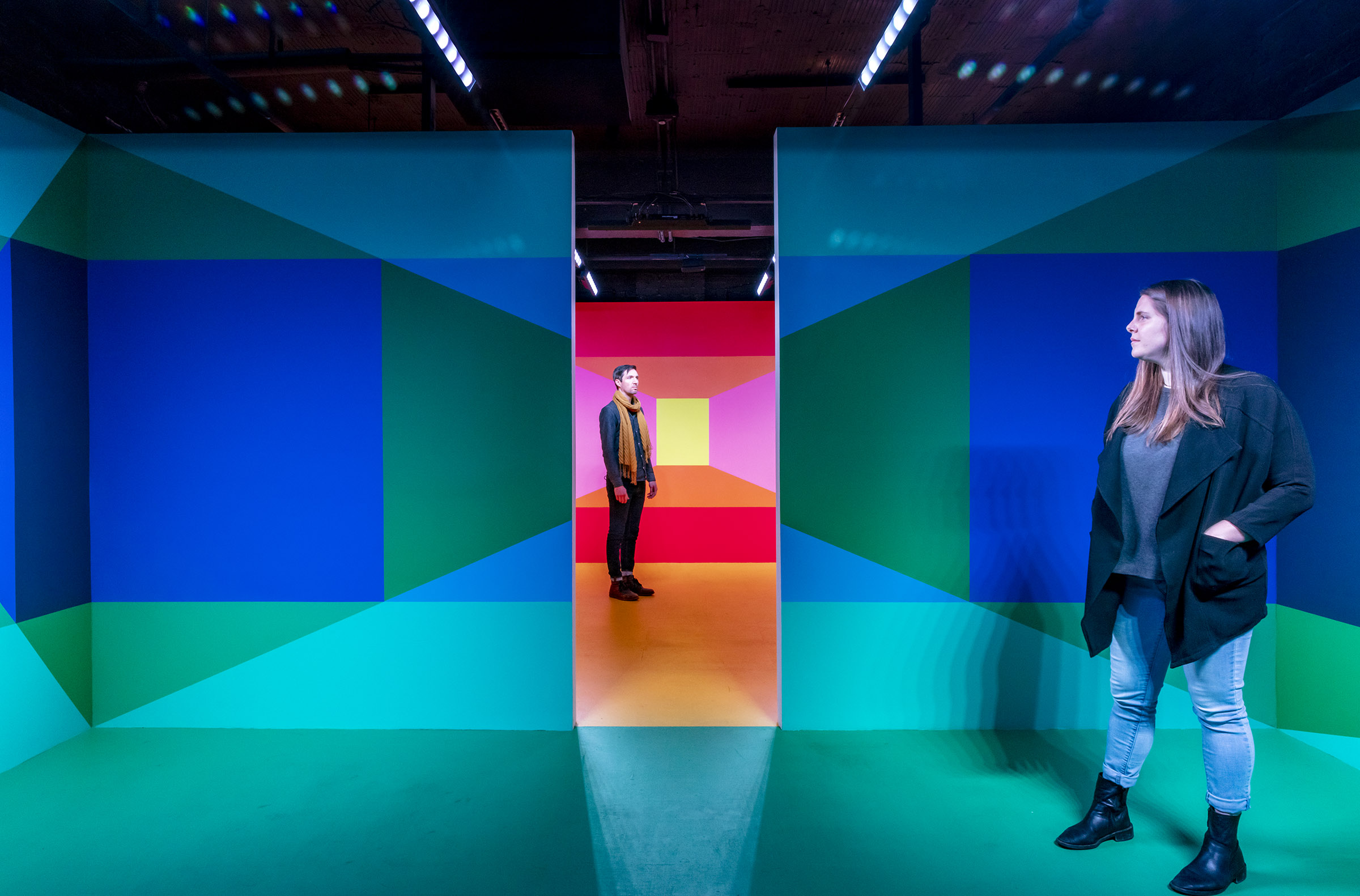
Mattress Factory
Pittsburgh, United States
The Mattress Factory is a contemporary art museum and international artist residency program in Pittsburgh's Northside, founded in 1977, where artists live and work on-site to create site-specific installations for solo exhibitions. It supports artists of any medium worldwide through open calls, providing honorarium, production budget, transportation, accommodation, per diem, and fabrication support during residencies that culminate in museum shows. Recent programs include artists like Marc Vilanova and Vivian Caccuri with stays extending up to a year or more.
Pedantic
Pittsburgh, United States
Pedantic Arts Residency is a four-week program that provides artists, curators, and writers with space and time for creative exploration and cross-disciplinary dialogue. The residency runs twice a year, in January and June, and is located in Pittsburgh’s thriving Garfield neighborhood within the Penn Avenue Arts and Commercial District. Residents are housed in the Pedantic Apartment, which features three bedrooms (one ADA accessible), two full bathrooms, a kitchen, a living area, and a rooftop deck. The residency emphasizes process over production, encouraging immersion in Pittsburgh’s vibrant arts scene through weekly events like private dinners, studio visits, and museum tours. Participants are connected with a local guide from a similar field to help foster meaningful professional relationships in the city. The program provides a $2,000 honorarium, and residents are not required to produce a final deliverable. The environment fosters community, inspiration, and a deeper understanding of artistic practice.
The Frank
Pittsburgh, United States
No artist residency program named 'The Frank' exists in Pittsburgh, United States, based on available search results. The term likely refers to the Alan I. W. Frank House, a private modernist residence designed by Walter Gropius and Marcel Breuer in 1939–1940, recognized as their most important residential commission and a 'Total Work of Art' integrating architecture, furnishings, and landscaping. It remains privately owned and unrestored in its original state, with no evidence of hosting artist residencies.
Browse by discipline in Pittsburgh
Filter in Pittsburgh
Been to a residency in Pittsburgh?
Share your review