Artist Residencies in Portland
6 residenciesin Portland, United States
Why Portland is worth considering for a residency
Portland, Oregon draws a lot of artists because it blends a dense arts ecosystem with a solid DIY streak and easy access to forests, rivers, and coastline. If you want time to work, real community, and multiple ways to show or test ideas, it’s a strong option.
Locally you’ll find a high concentration of small galleries, project spaces, and artist-run venues, along with strong nonprofit and community-arts traditions. There’s a lot of crossover between visual art, film, performance, writing, new media, and social practice, so interdisciplinary projects tend to land well here.
Geographically, you get the Willamette River running through the city, Mount Hood and the Cascades to the east, the Columbia River Gorge for quick trips, and the Oregon coast within reach for longer getaways. That mix gives you both urban infrastructure and nature when you need to reset.
Key Portland-area residency programs
Portland’s residency ecosystem is a mix of city-embedded programs, production-focused labs, and nearby retreat-style stays. Here’s how some of the most referenced options line up and what kind of artist they tend to suit.
IFCC Artist Grant and Residency Program (Portland)
What it is: A locally focused grant and residency program tied to the Interstate Firehouse Cultural Center (IFCC), managed by Friends of IFCC in partnership with the City of Portland.
What it offers:
- Grant funding and/or free studio space for Portland-based artists.
- Open to a wide range of disciplines and experience levels.
- Community-facing events: participating artists host gatherings, presentations, or activities at IFCC.
Who it’s good for:
- Artists already based in Portland who want support to deepen local roots.
- Artists whose practice includes community engagement, social practice, or public programming.
- Artists who need either workspace, direct funding, or both.
How to think about it: This is not a quiet, anonymous retreat. You’re in a neighborhood space, in conversation with local communities, and expected to share or activate your work. If your practice thrives on dialogue and you want to be part of Portland’s cultural fabric, this is a strong fit.
PAM CUT Artist in Residency (Portland Art Museum)
What it is: A production-focused residency run by PAM CUT (the Center for an Untold Tomorrow), part of the Portland Art Museum. It’s built for screen-based and time-based work.
Disciplines they highlight:
- Film and television
- Audio and podcasting
- Immersive realities (AR/VR/XR)
- Performance and installation
- Animation and hybrid media
What it typically offers:
- Multi-month residency (around three and a half months in recent cycles).
- Access to PAM CUT facilities and equipment, usually with long daily open hours.
- A stipend (recently around a few thousand dollars for the full term).
- A public presentation at PAM CUT or their Tomorrow Theater space.
Who it’s good for:
- Emerging and mid-career artists with a defined project that needs facilities and technical support.
- Media artists who want to situate their work within a museum-affiliated context.
- Artists comfortable with a production timeline and a public outcome.
How to think about it: This is very different from a rural retreat. You’re in the city, integrated into an institutional environment, and moving toward a public showing. If you have an ambitious film, immersive piece, or hybrid project that needs gear and a platform, this residency can function as your production runway.
Sosta House Artist Residency (Willamette Valley, near Portland)
What it is: A small, live/work residency in a Bed & Breakfast setting about 25 minutes south of Portland, at the entrance to the Willamette Valley. Think rural calm with quick access back to the city.
What it offers:
- Private room designated for artists, inside Sosta House.
- Residencies typically in the 2–4 week range, with some flexibility.
- A quiet environment oriented toward focus, reading, sketching, and experimentation.
- Residents contribute a piece to Sosta House’s permanent collection or a project for the property.
- Payment and work-trade options: weekly rates around a few hundred dollars, with lower-cost tiers tied to work exchange or other arrangements (exact terms vary, so always confirm current rates).
Who it’s good for:
- Artists who want calm, greenery, and time, but still want to dip into Portland for openings or supplies.
- Makers whose work can be done in a modest live/work setup rather than a big industrial studio.
- Artists who appreciate reciprocal arrangements, like leaving work or helping improve the space.
How to think about it: Sosta House leans more toward retreat than institutional residency. It can work well as a reset if you’re burned out in a larger city, or as a focused period before/after a more intense urban program.
NOW Open Studio / NOW Artist Residency (Portland)
What it is: A short, intensive residency in a "vintage Sellwood burrow" (Sellwood is a neighborhood in Southeast Portland). It focuses on creating a private oasis inside the city.
What it offers:
- About two weeks of dedicated stay.
- A private garden room used as a studio/retreat space.
- A pause on accommodation costs by hosting you as a guest.
- An emphasis on disconnecting from daily noise to reconnect with your practice.
Who it’s good for:
- Artists with a small or medium-scale project that can benefit from an uninterrupted two-week sprint.
- Artists who like being embedded in a residential neighborhood instead of an institutional campus.
- Artists who need alone time but still want a coffee shop and park within walking distance.
How to think about it: Treat NOW like an urban cocoon. You’re not far from galleries and buses, but the point is to step back from your normal routine and compress your focus into a short, concentrated stay.
Sou’wester Artist Residencies (regional, Washington coast)
What it is: A long-standing artist residency hub on the southwest coast of Washington, a common destination for Portland-based artists. It sits in a historic lodge and a cluster of vintage trailers under tall pines, a short walk from the Pacific.
What it offers:
- Residencies through Sou’wester Arts, the nonprofit arm of Sou’wester Lodge.
- Housing in vintage trailers, minimalist trailers, lodge rooms, or cabins.
- Time for experimentation and reflection, with daily life shaped by weather, tide, and forest.
- Community options: Tuesday tea and zine gatherings, communal lounges, and possible collaborations with a local preschool.
- Optional spa and sauna bookings for decompression.
Who it’s good for:
- Artists who want a looser, DIY-feeling residency in a strange and atmospheric environment.
- People working on projects that benefit from walks on the beach, shifting light, and long quiet evenings.
- Portland-based artists who want to stay within a drivable radius while still feeling far from home.
How to think about it: Sou’wester is ideal if you like your residencies a little scrappy and romantic rather than highly structured. It pairs well with Portland-based projects: you can develop ideas at the coast and then show or build the work back in the city.
Sitka Center for Art & Ecology (Oregon Coast, with Portland ties)
What it is: A respected coastal residency in Otis, Oregon, that attracts artists, writers, scientists, and interdisciplinary thinkers. It’s not in Portland, but it’s deeply connected to the Portland arts scene.
What it offers:
- Residencies roughly 2 weeks to 3 months, typically between fall and late spring.
- No program fees; some residents receive living and travel stipends.
- Individual studios and living spaces surrounded by forest, estuary, and ocean.
- A balance of solitude and optional exchange with other residents and staff.
Special residency partnerships:
- Blue Sky/Sitka Photography Residency — for photographers connected to Portland’s Blue Sky Gallery.
- Portland in Color Residency — for Oregon artists of color, with waived application fees, a modest stipend, and flexible scheduling.
- Jordan Schnitzer Printmaking Residency — an invitation-only print residency in certain years.
Who it’s good for:
- Artists whose work is nourished by ecology, environment, or long, quiet days.
- Interdisciplinary creators, including those working at the edge of art and science.
- Artists of color seeking a residency that actively reduces financial and access barriers (through the Portland in Color collaboration).
How to think about it: Sitka is a deep retreat with strong professional credibility. For Portland-based artists, it functions like a concentrated, nature-immersive lab that still feeds directly back into regional networks and opportunities.
Sitka residency overview · Portland in Color residency
How the city itself supports your residency
Residencies don’t exist in a vacuum; your experience will be shaped by how Portland functions as a working city for artists. A few practical angles matter a lot: cost of living, neighborhoods, transit, and community.
Cost of living and planning your budget
Portland is generally cheaper than New York, Los Angeles, or San Francisco, but it’s no longer a low-cost outlier. Housing has tightened, and short-term rentals around peak seasons can bite into your budget.
Expect pressure on:
- Rent and short stays: Extended sublets and month-to-month rooms can be competitive. If your residency doesn’t house you, book early.
- Studios: Independent studios are scattered, and prices vary by neighborhood and building type.
- Daily expenses: Groceries and coffee are reasonable but not cheap; factor in transit and occasional rideshares if you’re out late at openings.
Questions to ask residency organizers up front:
- Is housing included? If not, can they point you toward typical neighborhoods past residents use?
- Do you get 24/7 studio access, or is it on a schedule?
- Is there kitchen access, laundry, and secure storage for work?
- Is there on-site parking or reliable transit nearby if you won’t have a car?
Neighborhoods artists often stay or work in
Portland is relatively compact, and many residency sites or related spaces sit in or near the inner neighborhoods.
- Inner Southeast (Buckman, Hosford-Abernethy, Richmond, Ladd’s, Sellwood): Walkable, full of cafes, small venues, and studios. Great if you crave daily street life and short distances to art spaces. NOW Open Studio is in this general zone.
- Central Eastside / Industrial areas: Heavier on warehouses, fabrication shops, and workspaces. Good if you need large-scale production space and don’t mind a less residential feel.
- North Portland / St. Johns: Strong neighborhood identity, sometimes better space-for-price, with access to light industrial areas.
- Inner Northeast: A mix of older houses, small businesses, and accessible venues, with some live/work setups and studios tucked into side streets.
If your residency asks you to be on-site in the evenings (for screenings, events, or open studios), try to live within a simple bike ride or a single transit line of your main venue.
Transit and getting around
Portland supports car-free or low-car residencies pretty well inside the city, while more rural or coastal residencies usually benefit from a car.
- Within Portland: TriMet buses, MAX light rail, and the Portland Streetcar cover most central areas. Bike infrastructure is strong, though rain and dark winters make good lights and waterproofs essential.
- To nearby residencies: For Sosta House, Sitka, and Sou’wester, a car can make your life much easier for groceries, supply runs, and the trip itself. Some residencies may help coordinate rides or advise on bus options, but assume limited public transit once you’re outside the metro area.
When comparing residencies, weigh access: a rural stay can be magical but also isolating if you don’t plan ahead for transportation and supplies.
Plugging into Portland’s art community during a residency
Whatever residency you choose, your experience improves a lot when you plug into the existing local networks. Portland’s art community tends to be accessible if you show up consistently and share what you’re working on.
Key organizations and spaces to know
- Regional Arts & Culture Council (RACC): Maintains listings for residencies, calls, and grants in the broader region, plus community information and resources. RACC opportunities page
- Portland Institute for Contemporary Art (PICA): Major anchor for experimental work, performances, and talks. Their events and festivals are magnets for artists and curators.
- Blue Sky Gallery: Photographer-focused but relevant to anyone interested in lens-based work; also tied to the Sitka photography residency.
- Portland Art Museum / PAM CUT: Central for media-based work, screenings, and lectures that intersect with residency projects.
- Friends of IFCC and Portland in Color: Important contacts if you’re interested in community-facing or equity-focused residencies.
Openings, open studios, and meeting people
You can build a lot of momentum in a residency by intentionally using your first week to show up in person.
- Find out which night of the month galleries in your area stay open late, and plan a small route.
- Visit artist-run and nonprofit spaces and ask staff what upcoming open studios or talks are on their radar.
- Join mailing lists for PICA, RACC, Blue Sky, and a few galleries that feel aligned with your work.
- If your residency includes a public presentation, treat it as a meetup: invite folks you’ve been seeing around rather than waiting until the end to connect.
Residency time goes fast. A couple of nights of intentional social effort can set up conversations and collaborations that keep going after you leave Portland.
Matching your practice to the right Portland-area residency
When you’re choosing between programs, try to match the shape of your practice and life needs to the character of the residency, not just the name recognition.
- You want deep community interaction and are Portland-based: Look closely at the IFCC Artist Grant and Residency Program and other neighborhood-rooted initiatives. These work well for artists invested in long-term local relationships.
- You’re a media or time-based artist with a specific project: PAM CUT’s residency gives you infrastructure, technical support, and a public-facing outcome. Ideal for projects that require high production value and an audience.
- You need quiet but want to stay near the city: Sosta House and NOW Open Studio both offer focused, smaller-scale residencies with varying degrees of urban access. One leans rural, the other neighborhood-urban.
- You want nature immersion and time to reset or experiment: Sitka Center and Sou’wester both pull you toward coastlines and forests, with different levels of structure. Sitka is more formal and application-based; Sou’wester is more free-form and atmospheric.
- You’re an Oregon artist of color seeking support and access: The Portland in Color residency at Sitka is specifically designed to counter common barriers, with waived application fees, a stipend, and schedule flexibility.
If you’re unsure where to start, sketch out what you actually want your residency day to look like—who you see, how much nature versus city, how much structure versus freedom—and then read each program’s materials through that lens. Portland has enough range that you can almost always find a residency whose rhythm matches your practice.
Hewnoaks Artist Residency Residency
Portland, United States
Hewnoaks Artist Residency offers short-term (1-2 week) residencies in rustic lakeside cabins on Kezar Lake, Maine, for artists across all disciplines to create freely without output requirements. Fully subsidized; Maine artists preferred.

Indigo Arts Alliance
Portland, United States
Indigo Arts Alliance in Portland, Maine, offers the Mentorship Residency Program, designed to support professional and emerging artists of African descent. This program pairs a National or International artist with a Local/Regional artist to foster co-mentorship, dialogue, and collaboration. The residency provides a flexible 3,000 square foot community studio, with a private one-bedroom apartment for visiting artists. National artists stay for one month, while international artists stay for two months. The residency encourages artists to engage with the local community and participate in studio visits and public programming. Artists receive a stipend and travel expenses are covered for significant distances. The program aims to create an inclusive environment for Black and Brown artists to advance their practice and build networks.
Longfellow Emerging
Portland, United States
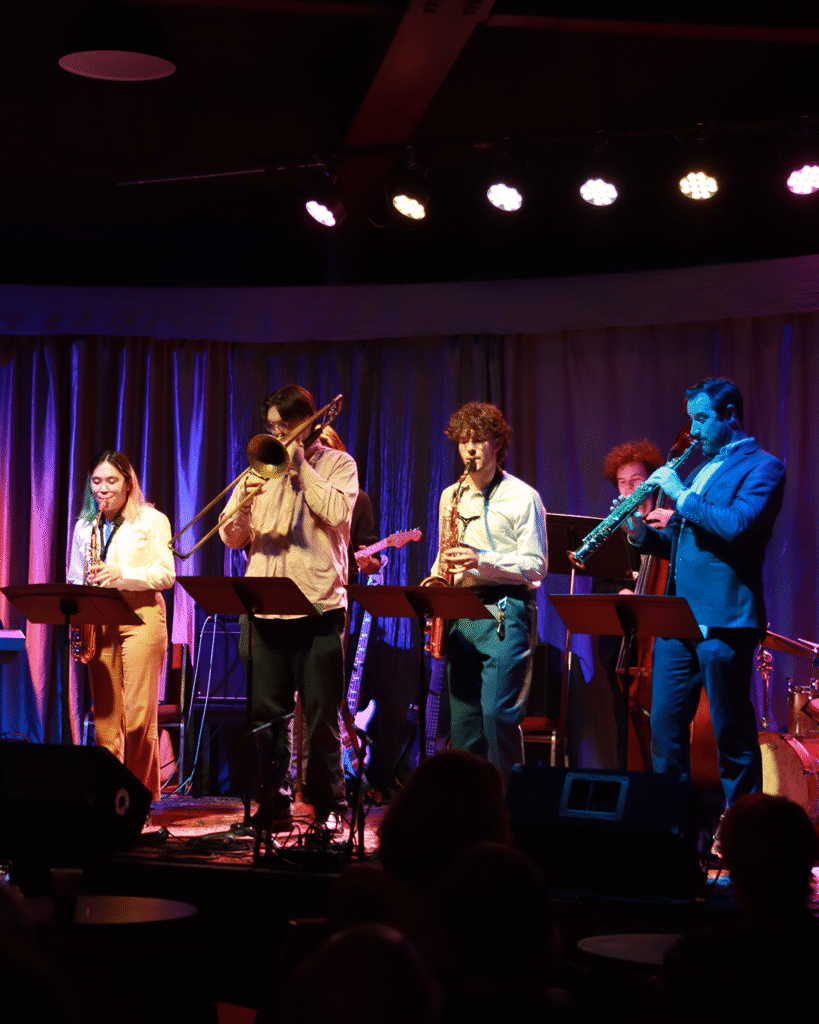
The Longfellow Emerging Artist Fellowship (LEAF) supports early-career Maine-based musicians with a year-long program offering venue access, paid performances, $5,000 stipend, marketing support, workshops, retreat, and networking in Greater Portland area.
NOW open studio
Portland, United States
NOW open studio offers a two-week artist residency in the Sellwood neighborhood of Portland, OR, providing a private garden room for lodging at no cost and a self-guided creative stimulation program to foster inspiration and creative health. The program targets emerging or established visual artists in any 2D or 3D media, emphasizing disconnection from routine to reconnect with the inner muse in a supportive arts community.

PAM CUT Artist in Residency at Portland Art Museum
Portland, United States
The PAM CUT Artist in Residency program at the Portland Art Museum offers emerging and mid-career artists a three-and-a-half-month residency to work on new or ongoing projects. Eligible disciplines include film, television, audio, immersive realities, performance, and animation. Residents receive access to PAM CUT facilities and equipment, along with a $3,000 stipend. The program includes opportunities to present work at PAM CUT or the Tomorrow Theater. Artists also engage the community through workshops with PAM CUT’s Co:Laboratory program. The residency encourages artistic development and fosters interaction with the local community. While open to artists from outside Portland, housing is not provided. The program aims to support artists in creating impactful work and connecting with diverse audiences.

Signal Fire
Portland, United States
Signal Fire was a Portland-based artist residency program active from to that connected artists and writers with North American wild landscapes through extended backpacking trips, nomadic colonies like Outpost, and various retreats such as Juried Artist Retreats and Indigenous Artist Retreats. Participants engaged in off-grid, hyper-isolated experiences in backpacking tents across diverse locations. The program offered trips and residencies including Wide Open Studios and Tinderbox Residency, emphasizing adventure in deserts, oases, and remote areas.
Browse by discipline in Portland
Filter in Portland
Been to a residency in Portland?
Share your review