Artist Residencies in Prenton
1 residencyin Prenton, United Kingdom
Why base a residency in Prenton?
Prenton sits on the Wirral Peninsula, just inland from Birkenhead and across the water from Liverpool. It’s not a gallery-packed hotspot, and that’s exactly why it works for certain kinds of residencies: slower pace, lower costs, and a surprisingly strong link into a much bigger creative region.
What you get as an artist in Prenton:
- Headspace: More residential than urban, so you can actually hear yourself think.
- Proximity: Liverpool’s major institutions and artist-run spaces are a short train and bus ride away.
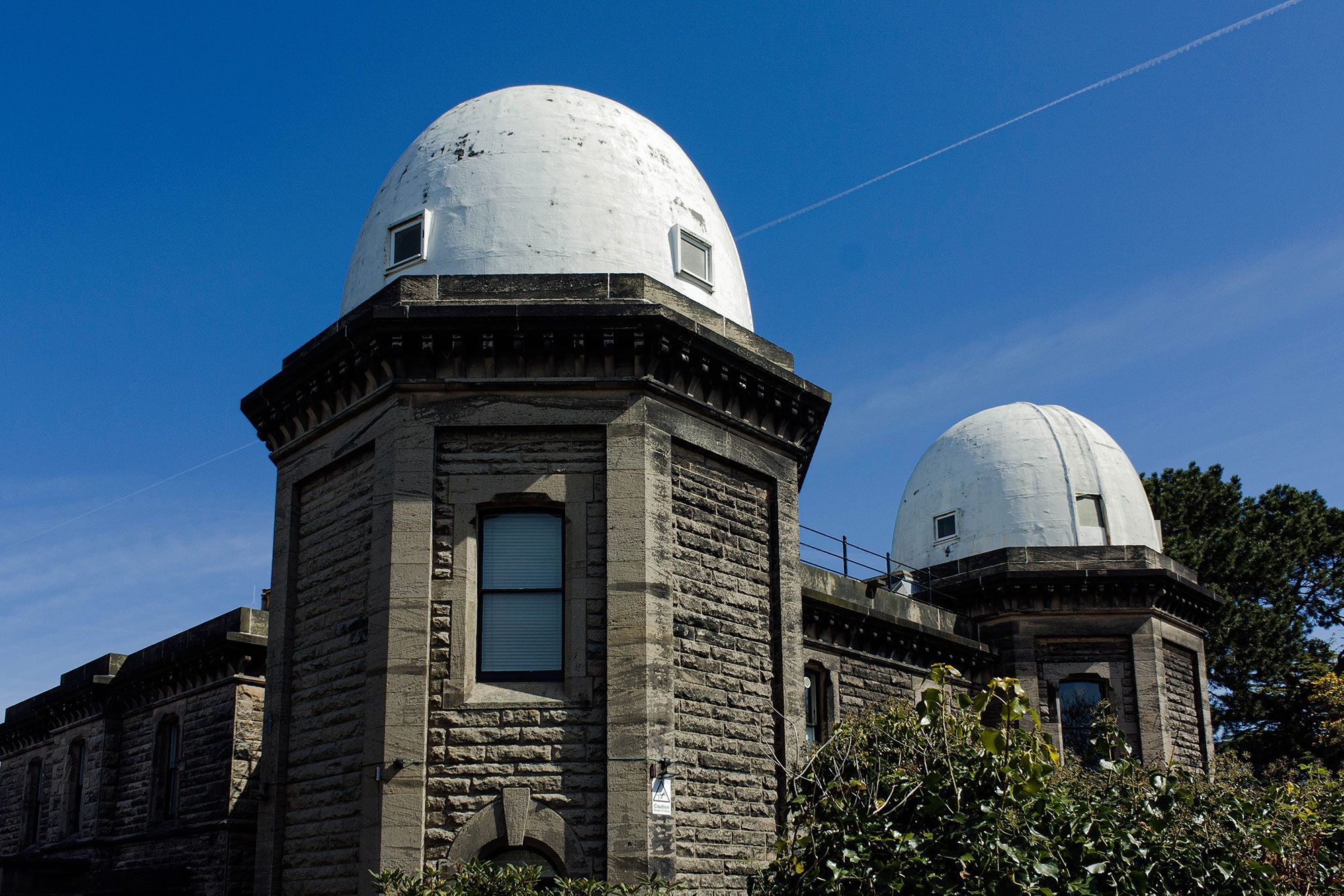
- Varied landscapes: Within an easy radius you’ve got coastal sites, industrial edges, old observatory architecture, and standard suburbia.
- Costs: Housing and everyday expenses are often lower than in central Liverpool or Manchester.
The standout reason artists look at Prenton specifically is one place: Bidston Observatory Artistic Research Centre (BOARC), a self-organising study site in the historic observatory building overlooking the Wirral.
Bidston Observatory Artistic Research Centre (BOARC)
Location: Bidston Hill, Prenton, Wirral, UK
Website: https://bidstonobservatory.org
What BOARC actually is
BOARC describes itself as a self-organising study site for research, communality and experimentation. In practice, that means:
- A not-for-profit space that hosts temporary stays (nightly up to roughly a month).
- Low-cost working time for individuals or groups who want to focus on projects.
- An emphasis on research, thinking, and process, rather than polished exhibitions.
- A culture of shared study across disciplines: art, sound, writing, performance, theory, workshops, and hybrids of all of these.
Think of it less as a traditional residency with a contract and final show, and more like a structured retreat or lab where you set the brief and use the building as your tool.
Who BOARC suits (and who it doesn’t)
BOARC tends to work well for artists who:
- Have a research-driven practice (conceptual, site-based, experimental, or theory-heavy work).
- Want time to read, write, test, and be in conversation with peers rather than chasing production deadlines.
- Are comfortable with a DIY approach: self-structured days, cooking together, sharing chores, setting up their own working rhythms.
- Don’t need a guaranteed audience, press push, or big institutional stamp at the end.
It’s less ideal if you are looking for:
- A residency with a fixed stipend, production budget, and formal programme.
- Heavy technical support or fabrication facilities built in.
- A guaranteed exhibition, performance, or curatorial showcase as the main goal.
How the stay seems to work
From BOARC’s own materials, you can expect something along these lines (always check their site for the current setup):
- Length: Short stays through to about a month are common. Longer arrangements may be negotiated but are not the default.
- Use of space: You treat the observatory as a shared working and living environment. There are rooms to sleep in, common spaces for discussion, and areas suitable for studio-style work, reading, and group activity.
- Cost: They emphasise low-cost access rather than free. So think affordable rather than subsidised luxury. You budget for fees plus your food and travel.
- Outputs: No requirement for a public show. You might host a study session, reading group, sharing event, or internal presentation if it suits your project, but the focus is on process.
- Selection: You make a proposal about how you want to use the time and space. The emphasis is on shared inquiry and compatibility with the building’s ethos.
They also explicitly allow for anonymous or low-profile contact. If you want to make an initial enquiry without your name attached, they point towards anonymous email options and even postal correspondence, which can be helpful if you’re testing out a sensitive idea or coming from precarious circumstances.
What you can actually work on there
BOARC is particularly good for projects like:
- Writing-heavy or theory-led work: books, scores, scripts, frameworks, long essays, speculative proposals.
- Collaborative research: building a group project, curriculum, or methodology with peers.
- Site-responsive experimentation: responding to the observatory itself, Bidston Hill, Merseyside weather, local histories, signal infrastructures, or astronomy.
- Practice reset: stepping away from day jobs and regular studio routines to question how your practice is structured.
If your work depends on daily access to white-cube gallery spaces, large fabrication shops, or public footfall, you’ll probably need to pair BOARC with partners in Liverpool or elsewhere. But if the core of your practice is thinking, testing, and conversation, the building gives you a solid container to do that.
Day-to-day life: Prenton and surroundings
Prenton itself is mostly residential, with everyday amenities rather than cultural spectacle. For residency purposes, that can be a strength: fewer distractions, but everything you need within reach.
Cost of living and practicalities
Compared with major UK art hubs, the Wirral is relatively affordable. You still need to plan, but your money generally goes further than in London or other big cities.
- Accommodation outside BOARC: If you extend your stay beyond the observatory, local rentals, house shares, and small guesthouses across Prenton, Oxton, and Birkenhead can be reasonable. Medium-term lets are often more accessible price-wise than in central Liverpool.
- Groceries and basics: Standard UK supermarket chains and local shops are easy to reach. Cooking for yourself is normal and will keep costs down, especially if you share food budgets with other residents.
- Eating out: You’ll find cafés, pubs, and small restaurants scattered around the Wirral, with more variety in Birkenhead and central Liverpool if you want occasional nights out.
Neighbourhoods artists tend to use
If you base yourself in or near Prenton, you’ll likely move through these areas:
- Prenton: Quiet streets, green areas, and the observatory on the hill. Good if you value stillness and walking time.
- Oxton: A more village-like feel, with cafés and a slightly artsy atmosphere. Popular with creatives who want a pleasant living area close to Birkenhead.
- Birkenhead: Closer to transport and practical services. From here, it’s a short hop across the river to Liverpool.
- Wider Wirral: New Brighton, West Kirby, and coastal stretches are handy for sea air, photography, and fieldwork days.
- Liverpool city centre: Where you’ll probably go for big exhibitions, performances, and meeting other artists.
Local studios and workspaces beyond BOARC
Prenton does not have an obvious cluster of open studios beyond BOARC itself. Many artists who pass through end up:
- Maintaining or hiring a studio in Liverpool or Birkenhead and using BOARC for short, intensive periods of research.
- Working nomadically with laptops, sketchbooks, portable materials, and site visits.
- Linking up with collectives, zine groups, or sonic/performative communities elsewhere in the Liverpool City Region for production and presentation phases.
If you want a more traditional studio with your own door and long-term lease, plan to look beyond Prenton itself and treat BOARC as one component in a wider working geography.
Liverpool & Wirral arts ecosystem: how it connects to your residency
One of Prenton’s big advantages is how easy it is to plug into the broader Liverpool arts ecosystem without living right in the middle of it.
Key Liverpool institutions and spaces
You can treat central Liverpool as your “urban lab” while Prenton remains your base. Spaces worth keeping on your radar include:
- Tate Liverpool – Major contemporary art venue at the Albert Dock. Good for seeing large-scale and international shows.
- Walker Art Gallery – Historic and contemporary collections; useful for research-led and art-historical practices.
- Bluecoat – A long-standing arts centre with exhibitions, studios, and public programs.
- Open Eye Gallery – Photography and lens-based media; helpful if you work with image, archives, or socially engaged projects.
- Independent spaces – Artist-run and project spaces across Liverpool’s centre and neighbourhoods that host residencies, open calls, and short-term experiments.
When you plan a residency at BOARC, map out how many days you want to spend in Liverpool for shows, networking, and research. The train and bus connections make day-trips completely workable.
Wirral-specific opportunities and scenes
On the Wirral side, you’ll find:
- Community-focused art initiatives and occasional residencies tied to environmental, heritage, or social projects.
- Project-based work associated with festival circuits and biennial partners, where artists use sites such as Hilbre Island, New Brighton, or nature reserves as temporary bases.
- Education and outreach programmes in galleries and civic spaces that may intersect with your research if you work socially or pedagogically.
These aren’t continuous residency pipelines, but they structure how art work gets made and shown in the region. If your BOARC project is site-based or participatory, these contexts give you real-world testing grounds a short trip away.
Major recurring events
There are a few recurring frameworks worth knowing about when planning timing and focus:
- Liverpool Biennial – An international festival of contemporary art that activates multiple venues and neighbourhoods. Good for seeing current work and finding potential collaborators or hosts.
- Independents-style and artist-led programmes – Parallel or fringe activity built by local artists and collectives, often spilling into Wirral spaces, train stations, coastal sites, and everyday environments.
- Graduation and seasonal shows – University art schools and college programmes feed into the region’s scene; useful if you’re researching pedagogy or youth-oriented practice.
Even if your residency itself is quiet and research-focused, timing your stay so you can drop into these events can shift your project significantly.
Transport, visas, and practical planning
Getting to and from Prenton
Prenton sits in easy reach of public transport:
- Rail: Merseyrail trains run to and from Liverpool via stations in Birkenhead and across the Wirral. From there, buses or short taxi rides get you up to areas like Bidston and Prenton.
- Bus: Local buses connect Prenton with Birkenhead, Liverpool, and other Wirral neighbourhoods. Check route maps in advance, especially if you’re carrying equipment.
- Car: If you’re driving, the Wirral is straightforward to navigate and connects easily to the M53 and routes out toward Chester and North Wales.
- Air: Liverpool John Lennon Airport is the closest point of entry for many; Manchester Airport is another common option with broader connections.
For BOARC, pay attention to how you’ll get up the hill with luggage, materials, or food shops. Packing light and planning shared trips can make the arrival and departure days smoother.
Visa basics
Because Prenton is in the UK, visa requirements depend on your nationality and what you’ll be doing.
- If you are not a UK citizen, you may need a Standard Visitor visa or another visa category that allows short-term creative and research activity.
- The UK draws a line between permitted unpaid creative/research work and activities that count as employment or paid performance. If a residency involves fees, teaching, or public performances tied to income, check carefully which category you fall under.
- BOARC’s focus on study and research, with no built-in public programme, can be simpler from a visa perspective, but you still need to confirm this against current government guidance.
- Always double-check with the residency organisers and official UK government resources before booking travel.
Designing your residency in Prenton
What Prenton is especially good for
If you’re weighing cities for a residency, Prenton stands out for a particular profile of practice:
- Slow research and reflection: Time to think, write, read, and reframe your work with minimal interruption.
- Interdisciplinary conversations: Sharing space with artists, theorists, and practitioners from different fields more interested in ideas than in career polish.
- Site and environment: Responding to weather, hilltop architecture, observatory histories, communications infrastructure, and the wider coastal region.
- Working near-but-not-in a big city: Access to Liverpool’s exhibitions, libraries, and networks while sleeping somewhere quieter.
Potential residency templates
If you’re sketching out a proposal or self-directed residency, it can help to think in clusters:
- BOARC as a core: A 2–4 week stay at the observatory for deep research.
- Liverpool as field site: Regular trips to exhibitions, archives, and events that feed back into your thinking.
- Wirral as material: Day trips to the coast, green spaces, industrial edges, and community venues to gather sound, images, stories, or movement scores.
- Follow-up elsewhere: After Prenton, move to a production-focused residency or studio to build the work, using what you developed on the hill.
Questions to ask yourself before you apply
To make Prenton work as a residency base, it helps to be honest about your needs:
- Do you actually want quiet, or do you thrive on dense city energy?
- Is your project at a research stage, or do you primarily need fabrication, equipment, and large public audiences?
- Are you comfortable in a shared, communal environment where you might be cooking, cleaning, and making decisions collectively?
- Will easy access to Liverpool’s galleries and networks significantly change what you’re working on?
- Are you ready to self-direct the residency, or do you want a structured programme with built-in mentoring and milestones?
If the answers lean towards research, independence, and conversation, Prenton — and BOARC in particular — can be a strong fit.
How to start planning
To move from idea to action, you can:
- Study the BOARC website carefully and read through how they frame “study” and “communality”. Shape your project language to align with that ethos if it genuinely fits what you need.
- Draft a clear, concise proposal that explains what you want to research, how you’ll use the building and shared time, and what you’ll give back to the group (skills, sessions, dialogues).
- Map logistics: travel to the Wirral, local transport, food and materials budget, visa needs if applicable, and contingency funds.
- Reach out to Liverpool-based artists, spaces, or potential collaborators in advance so your time there has built-in connections.
- Think about post-residency plans: how you’ll disseminate or continue the work once you leave the observatory and Prenton.
Prenton won’t suit every artist, but if you’re craving a thinking space that sits quietly above a busy region, with one unusual observatory building as its anchor, it’s a strong candidate for a focused, research-led residency.
Filter in Prenton
Been to a residency in Prenton?
Share your review