Artist Residencies in Sint-Martens-Latem
1 residencyin Sint-Martens-Latem, Belgium
Why Sint-Martens-Latem is interesting for artists
Sint-Martens-Latem is small, quiet, and surprisingly loaded with art history. The village grew into a magnet for artists around the River Leie/Lys, especially through the Latem School and later generations of modernist and experimental artists. That legacy still shapes what you find there now: reflective residencies, architecture with a strong presence, and an art-aware local culture.
If you’re considering a residency here, think of Latem less as a production hub and more as a focused retreat synced to a serious institutional scene nearby. You get:
- Landscape and natural light along the river
- A calm base to think, write, and experiment
- Quick access to Ghent’s broader art ecosystem
- A strong connection to modernism, architecture, and site-responsive work
Most residencies and programs here are not about filling a giant studio with materials. They’re about slowing down, thinking clearly, and making work that responds to place, history, and architecture.
Residencies at Woning Van Wassenhove
This is the core residency in Sint-Martens-Latem and usually the main reason artists look at the town.
What Woning Van Wassenhove actually is
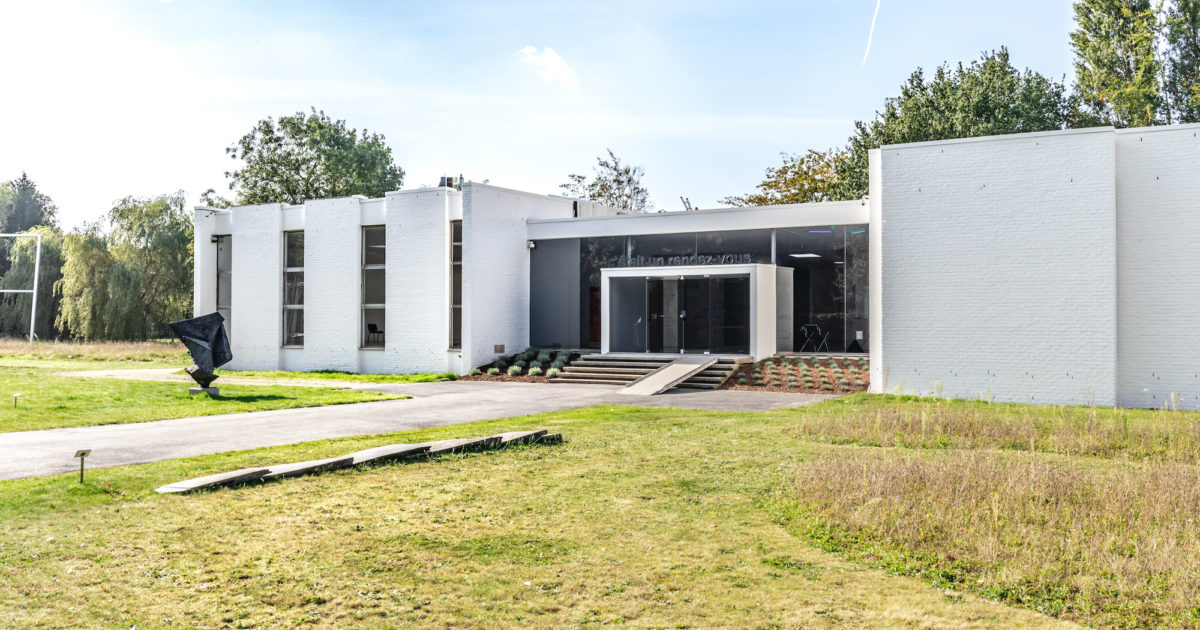
Woning Van Wassenhove is a compact modernist house by architect Juliaan Lampens, run as a residency by Museum Dhondt-Dhaenens (MDD) together with the Lampens Estate and Stichting Mevrouw Jules Dhondt-Dhaenens. It’s a single-person heritage home, not a multi-studio complex.
Practically, this means:
- You live and work inside a highly designed, architecturally significant house
- The space itself behaves like a collaborator in your project
- You’re expected to respect the building’s integrity and treat it as heritage
What the residency offers
The program typically includes:
- Up to four consecutive weeks in the house
- Travel costs covered
- A per diem to live on while you’re there
- A production budget tied to a public moment after or at the end of the stay
- Support from the team at Museum Dhondt-Dhaenens
- Some form of public outcome: talk, performance, publication, broadcast, or another agreed format
The residency is designed for research and reflection first, production second. You can produce work, but it needs to be compatible with the house: no messy, invasive, or structurally risky setups.
Who it suits
This residency is particularly strong for artists whose work can stretch beyond object-making:
- Conceptual and research-based practices
- Installation and spatial practices that can work sensitively in a domestic scale
- Writing-focused artists and artist-researchers
- Sound artists, performers, and those working with time-based media
- Architecture-adjacent practices interested in modernism and domestic space
It’s generally aimed at artists with some track record. Calls have specified, for example, at least one solo and one group exhibition in public institutions, and eligibility often focuses on candidates based in Europe. Always check the latest conditions on MDD’s site or via residency listing platforms like TransArtists or Rivet.
How the residency feels day to day
Because Woning Van Wassenhove is a single-person house in a quiet residential area, expect:
- A lot of silence and structure imposed by the architecture itself
- A clear boundary between the intense interior and the soft, suburban surroundings
- Walkable access to nature and calm streets, but not to a big nightlife scene
The rhythm suits artists who can generate their own momentum. It works less well if you depend heavily on a big on-site peer group, constant events, or spontaneous collaborations. The network happens mostly through MDD, Ghent trips, and the public moment you’re asked to prepare.
Public moment and follow-up
A key part of the residency is the public presentation in agreement with MDD. That might be:
- A reading or lecture
- A performance or small-scale exhibition
- A publication, broadcast, or alternative format
- A workshop with a participatory angle
When you plan a proposal, it helps to think about how your project can be shared without needing a huge install budget or permanent alterations. The museum is interested in projects that engage with the house, the museum, or the histories around Latem and Belgian avant-garde practices.
Artist Residency Latem – BARBE’ Gallery
While Woning Van Wassenhove is residency-as-retreat, Artist Residency Latem at BARBE’ Gallery leans more toward residency-as-exhibition and curatorial platform.
What BARBE’ Gallery offers
The Artist Residency Latem program takes place at BARBE’ Gallery, located at Koperstraat 2 in Sint-Martens-Latem. Based on the information available, it functions as a curated sequence of exhibitions and projects rather than a traditional live-in residency with on-site accommodation and a stipend spelled out publicly.
Program features typically include:
- A curated selection of gallery artists
- Rotating solo project exhibitions
- Regular opening hours, plus visits by appointment
- Context inside a commercial and curatorial gallery framework
Past lineups have included solo projects by artists such as Gideon Kiefer, Nokukhanya Langa, Willem Boel, Jens Kothe, Adelheid De Witte, and Joost Pauwaert, indicating a contemporary, gallery-context practice focus.
Who it suits
Artist Residency Latem is a stronger fit if you:
- Are already working within or near a gallery ecosystem
- Want exhibition-style visibility rather than a secluded writing retreat
- Can structure your work around a defined show period, opening, and audience
- Have a practice that translates clearly in a gallery format
Conditions like fees, production budgets, or accommodation are not always publicly detailed, so it makes sense to contact the gallery directly via the information on their website and ask specific questions about support, expectations, and logistics.
How to think about it in your wider plan
If you are weighing Latem as a place to show work in a focused way, BARBE’ Gallery can anchor a project phase where you:
- Produce or finalize work elsewhere (often in Ghent or your home base)
- Install and present in Latem
- Use the gallery’s network for collectors, curators, and press
Combine this with a research stay at Woning Van Wassenhove in a different period, or with a production-focused residency in Ghent, for a more rounded Belgium chapter in your practice.
The wider art scene: Latem and nearby Ghent
Sint-Martens-Latem may be small, but it’s anchored by institutions and histories that matter. The real trick is to see it in relation to nearby Ghent.
Museum Dhondt-Dhaenens (MDD)
Museum Dhondt-Dhaenens is a key player: a contemporary art museum with exhibitions, research, and the residency program at Woning Van Wassenhove. As a visiting artist, this is your main institutional contact in Latem.
Why you should pay attention to MDD:
- Exhibitions that often connect historical and contemporary practices
- Talks, presentations, and public moments from residents and invited artists
- A strong network in Belgium and beyond, useful if you’re building connections in the region
Woning Van Wassenhove as a site
Even outside of residency time, Woning Van Wassenhove is a crucial reference point for architecture and art. It’s also listed among notable artist houses on platforms like Iconic Houses, where it’s framed as a place for long-term, reflective stays that interrupt the fast rhythm of contemporary art circuits.
If you’re interested in architecture, spatial practice, or domestic modernism, you can treat the house itself as research material. A future residency proposal that thoughtfully engages this context will land much stronger.
BARBE’ Gallery and other local spaces
Besides BARBE’ Gallery, the town has a cluster of galleries and private collections, some more public-facing than others. The scene is smaller and quieter than a big city, and more oriented toward exhibitions and private visits than constant public events.
Expect:
- Focused openings rather than weekly art crawls
- Private appointments and slower-paced viewing
- A strong link between local collectors, galleries, and the region’s modernist history
Using Ghent as your working base
For most artists, Ghent is the practical production and community hub that balances Latem’s calm. Ghent offers:
- Artist-run spaces and project rooms
- Shared studios and more affordable workspaces
- Art schools, emerging artist communities, and a more varied nightlife
- Institutions like Kunsthal Gent, which offers short mini-residencies and collaborations
If you need heavy production, fabrication, or frequent peer contact, consider this strategy:
- Base yourself in Ghent
- Commute to Latem for residency, research, or installs
- Use Ghent’s infrastructure for making and testing work
Practical logistics: costs, housing, and moving around
Cost of living
Sint-Martens-Latem is relatively affluent, and that shows in housing. Rents and property prices are higher than many smaller Belgian towns and can outpace some parts of Ghent, especially if you’re looking at short-term furnished stays.
Basic daily costs:
- Groceries: broadly similar to nearby cities
- Cafés and restaurants: can skew pricier, especially in scenic spots
- Studios: limited in Latem itself; most artists look to Ghent for workable studio deals
If your residency covers per diem and accommodation (as Woning Van Wassenhove does), you’re buffered from most of this. If you’re self-funding, running a Latem-based project from a home base in Ghent often makes more financial sense.
Where to stay
You’ll usually be choosing between:
- On-site residency housing (Woning Van Wassenhove): ideal for deep focus and site-specific work
- Short-term rentals or guesthouses in Latem/Deurle: great for immersion but pricier and quieter
- Housing in Ghent: more options, often better pricing, and easier access to studios and nightlife
Deurle, part of the same municipality, is especially pleasant if you prefer a village feel and walking distance to the river and museum. For longer stays, splitting time between Ghent and Latem can keep your budget and energy balanced.
Transport and getting around
Latem is close enough to Ghent that commuting is manageable.
- By bike: This is one of the most practical options. The ride from Ghent to Sint-Martens-Latem is realistic, and the area is bike-friendly. Many artists use a bike for daily trips to the house or museum.
- By bus: Local buses connect Ghent to Sint-Martens-Latem, though frequency can vary. Check routes and timing if you rely on public transport at night.
- By car: Handy if you’re moving materials or working odd hours, but not essential for lighter practices.
- By train: You’ll mostly travel to Ghent’s main stations, then use bus, bike, or taxi to reach Latem.
For international travel, Brussels Airport and Brussels South Charleroi are usual entry points, with rail connections onward to Ghent.
Visas, eligibility, and timing
Residency eligibility
Residencies at Woning Van Wassenhove often specify:
- Applicants must be based in Europe
- Applicants should be over 18
- Applicants need a valid residence permit or long-stay visa if not EU/EEA
- A demonstrable track record (solo and group exhibitions in public institutions, or similar professional milestones)
For artists from outside Europe, eligibility tends to depend on your current residence status in a European country. If you are non-EU but already legally based in Europe, you may still qualify. Always read the latest call carefully and contact organizers to clarify edge cases.
Visa basics
If you’re not an EU/EEA citizen, plan around:
- The type and length of stay allowed by your visa
- Whether your existing European residence permit covers travel to Belgium
- Document requirements for the residency organizers (proof of legal stay, insurance, etc.)
Because residencies here are relatively short, they often expect you to already have the right to remain in Belgium for the duration rather than sponsoring a separate visa process.
When to be there
Seasonally, each period gives you different working conditions:
- Spring–early summer: Great for cycling, walking, and using the river landscape. Good light and plenty of opportunities for site visits.
- Autumn: Quieter and more introspective, with enough museum and gallery activity to stay connected.
- Winter: Very focused and calm, which suits writing, planning, and indoor research-heavy work.
Residency calls are usually published months in advance. Follow MDD, Woning Van Wassenhove listings on TransArtists or Rivet, and BARBE’ Gallery’s announcements to catch opportunities early.
How to choose the right setup for your practice
If you’re research-driven or conceptual
Your priority is probably time, thinking space, and context. In that case:
- Target Residencies at Woning Van Wassenhove
- Emphasize in your proposal how your work will respond to the house, Latem’s art history, or museum context
- Plan a public moment that shares process or insight rather than just finished objects
If you’re focused on exhibition visibility
If your practice is ready to show and you want to reach audiences and collectors, look at:
- Artist Residency Latem – BARBE’ Gallery as a curated exhibition framework
- Parallel opportunities to show or speak in Ghent while you’re in the area
- Work that can adapt to a gallery environment without needing extreme technical setups
If you need serious production infrastructure
Latem itself is not packed with affordable studios and workshops. For heavy production, it helps to:
- Base your studio in Ghent or another city with fabrication options
- Use Latem residencies as research, testing, and reflection phases, not as your only production period
- Think in chapters: produce elsewhere, research and refine in Latem, present either at MDD or BARBE’ Gallery
Using Latem strategically in your career
Sint-Martens-Latem works best when you treat it as a concentrated, high-impact stop in a larger arc of your practice. You can:
- Use Woning Van Wassenhove to rethink your practice, start a new body of work, or pivot through writing and research
- Anchor a showing phase at BARBE’ Gallery or with MDD’s public programs
- Build connections with curators, architects, and artists in both Latem and Ghent
- Pair your time there with residencies or studio projects elsewhere in Belgium or Europe
If you plan ahead for logistics and match the residency format to your needs, Sint-Martens-Latem can be a powerful, focused chapter in your practice rather than just another residency line on your CV.
Filter in Sint-Martens-Latem
Been to a residency in Sint-Martens-Latem?
Share your review