Artist Residencies in Sofia
5 residenciesin Sofia, Bulgaria
Why Sofia works well for residencies
Sofia is Bulgaria’s largest city and a compact contemporary art hub, which is exactly what you want on a residency: enough structure and community to plug into, but not so much noise that you can’t actually work.
You get a few key advantages here:
- Dense arts ecosystem – museums, galleries, artist-run spaces, and project rooms are mostly clustered in a walkable or short-metro radius.
- Costs that stretch your grant – housing, food, and production are usually cheaper than in Western European capitals, especially if your residency covers accommodation.
- Serious contemporary scene – you’ll find curators, writers, and artists connected to broader European networks, not a closed provincial circle.
- Good base for wider research – Sofia connects easily to Plovdiv, Varna, Veliko Tarnovo and rural programs, so you can combine urban and small-town contexts in one project.
- Support for process, not just product – many programs are comfortable with research, experiments, and unfinished work, as long as you’re clearly engaged.
If you want focused studio time with real chances to meet curators and peers, Sofia is a solid choice. It suits artists who like urban energy but still need quiet corners and accessible day trips to reset.
Key residency programs in and around Sofia
Sofia’s residencies are relatively small in number but quite defined in profile. You’re not choosing from dozens of near-identical offers; each program has a clear personality. Here’s how they break down so you can quickly see where you fit.
World of Co Artist Residency
Where it is: Sofia
Good for: visual artists, multidisciplinary practices, writers, curators, researchers
World of Co is one of the more visible names connected to Sofia. The residency is built around research, experimentation, and dialogue rather than just churning out finished pieces.
What you can expect conceptually:
- A community of international and Bulgarian artists working side by side.
- Regular meetings, discussions, and feedback-oriented events.
- Support for both independent projects and exploratory, process-heavy work.
- Opportunities to get to know Sofia’s art scene and local contacts.
This suits you if you want a residency that doubles as a live study program: time to produce, but also structured reflection and peer critique. It works well for painting, drawing, installation, photography, mixed media, and conceptual practices, but also accommodates curators and researchers who aren’t primarily object-based.
When you look into World of Co, ask directly:
- What is currently included: housing, studio, both, or only workspace?
- How many artists are in the cohort at once?
- Is there a public presentation, open studio, or talk?
- How much local networking is actively facilitated versus self-organised?
Knowing these details will help you figure out whether you should frame your project as production-focused, research-focused, or a mix.
Radar Sofia – Take Care Residency Programme
Where it is: Sofia
Good for: theatre makers, dramaturgs, playwrights, performers, socially engaged performance projects
Radar Sofia is a residency geared specifically toward theatre and performance-based work. It is designed less as an isolated retreat and more as a production pipeline with real-world outcomes.
Core aspects of the program (details can vary by cycle, so always check current info):
- Residency stays of around four weeks.
- A modest stipend intended to cover accommodation and travel.
- A separate budget for a public presentation of your work.
- Professional documentation of your presentation (photo and video).
- Possibility for one project to receive support toward full production later on.
This residency is great if you are developing a script, performance, or participatory format that needs contact with audiences, not just isolated writing time. The built-in documentation is valuable if you’re building a portfolio or applying for later funding.
When preparing an application, focus on:
- Clear articulation of your project’s social or conceptual angle.
- How the Sofia context or local collaboration matters to the work.
- What kind of public sharing you envision within a four-week window.
Check Radar Sofia’s website for current calls, themes, and formats, as they can shift between cycles.
Iatrus Residency Program (Sofia-connected)
Where it is: strongly connected to Varusha South in Veliko Tarnovo, with links to Sofia
Good for: socially engaged work, collectives, researchers, artists focused on neighborhood and proximity
Iatrus is not a purely Sofia-based residency, but it often connects participants to both Veliko Tarnovo and Sofia. The core theme the program has worked with is the idea of the “good neighbour” – how people live side by side and relate across shared spaces.
Key characteristics:
- Residence framed as community engagement and collaborative research.
- Emphasis on shared space, everyday proximity, and local social structures.
- Context-rich work grounded in specific neighbourhoods.
If your practice leans into social practice, participatory research, walking-based methodologies, or neighborhood-scale interventions, Iatrus can connect nicely with Sofia’s broader scene while anchoring you in a specific locality.
For this type of residency, plan projects that can adapt: neighbors and communities don’t always respond on your schedule, so build in methods that allow for listening and slow engagement.
Other Sofia-connected initiatives worth monitoring
Beyond these named programs, a mix of project-based residencies, short-term labs, and exhibition-linked stays appear periodically. Some are attached to independent art spaces, others to theater or interdisciplinary platforms.
To keep track:
- Use databases like AIR_J and Res Artis to watch for Sofia listings.
- Follow Sofia-based organizations and spaces on social media; open calls are often announced there first.
- Ask any residency you’re in about partner programs or affiliated spaces in Sofia.
Expect some initiatives to be temporary or theme-specific. That can be an advantage if your project aligns with a particular topic they’re exploring that year.
How Sofia works on the ground for visiting artists
Residency applications tend to talk about “vibrant scenes” and “cultural hubs.” What matters more is how the city actually functions while you’re trying to make work. Here’s the version that affects your day-to-day.
Cost of living and budgets
Sofia remains relatively affordable by European capital standards, though prices have risen. The big variable is housing.
- Housing – if your residency includes accommodation, you are in a comfortable zone. If not, shared apartments or short-term rooms are usually far cheaper than central, private tourist rentals.
- Food – groceries and simple restaurant meals are usually reasonable, especially if you cook sometimes.
- Studio space – often integrated into residencies; if you’re renting independently, availability and quality can swing a lot by neighborhood.
- Transport – metro, trams, and buses are typically affordable; long metro commutes are still cheaper than moving flats.
If a residency does not offer housing, it can still be workable, but build a realistic budget: a modest grant or savings will go further than in many EU capitals, yet you won’t want to rely on last-minute tourist rentals for a whole month.
Neighborhoods that tend to work for artists
You don’t need to obsess over the perfect district, but the right area can save hours every week. Think in terms of transit access, walkability, and closeness to cultural venues.
- Central Sofia – handy for galleries, institutions, and nightlife. Rents are higher, but for short residencies the convenience can be worth the cost.
- Oborishte and nearby areas – pleasant, walkable, and close to cultural institutions and cafes. Often more expensive but very practical for meetings and openings.
- Lozenets – more residential, quieter, with decent access to the center via metro and buses. Useful if you need calm but still want to be able to reach events easily.
- Studentski Grad – more chaotic and student-heavy, not exactly a gallery district, but can be cheaper and full of rental options.
For residencies that don’t specify a neighborhood, ask explicitly which metro lines or stops you’ll rely on. Being near a metro station often matters more than being in a “cool” area.
Studio and work conditions
Sofia has a mix of independent studios, shared spaces, and residency studios. For a short stay, the most workable options tend to be:
- A residency with studio space included.
- A sublet where you can realistically work in your living space (for small or digital practices).
- Shared project spaces used in collaboration with local artists.
Before committing, ask:
- How large is the studio or workspace, and is it shared?
- What is allowed in terms of mess, noise, and materials?
- Is there good ventilation and natural light?
- Is there secure storage for work and equipment?
For performance or sound artists, also check ceiling height, floor type, and whether neighbors or other residents are sensitive to noise.
Connecting with Sofia’s art scene
Sofia’s art community tends to be friendly but relationship-based. You don’t need existing contacts, but you will benefit from showing up and making your practice legible quickly.
Key types of spaces
Instead of chasing a huge list of names, think in categories and ask your host residency for current specifics:
- Museums and public institutions – including the National Gallery network and Sofia City Art Gallery.
- Contemporary galleries – commercial and non-profit spaces focused on current practices, mostly in central areas.
- Artist-run and project spaces – often where experimental or temporary projects land; these can be the most interesting for residency artists.
- Hybrid venues – cafes, theaters, and cultural centers that host performances, screenings, and talks.
Plan to spend your first week attending openings and asking questions. Curators and artists are usually more open to conversations at events than via cold emails.
How to plug in quickly
To make the most of a short residency in Sofia:
- Ask your residency host for a current list of must-see spaces and recurring events.
- Schedule studio visits early; people’s calendars fill up fast once exhibition seasons ramp up.
- Keep a concise project statement and portfolio link ready so you can introduce your work in two minutes or less.
- Offer casual studio visits to fellow residents; peer feedback often leads to introductions you wouldn’t get otherwise.
The scene is generally open to cross-disciplinary practices, so don’t be afraid to reach out across media boundaries—performance artists to visual curators, visual artists to theater-makers, and so on.
Events and seasonal rhythms
Programming shifts year by year, but certain patterns repeat:
- Spring and early autumn – active exhibition periods, comfortable weather, good audience turnout.
- Summer – can be hot; some institutions slow down, while festivals, outdoor events, and informal gatherings pick up.
- Winter – colder and less pleasant for wandering, but very good for focused studio time and small, intense gatherings.
Check residency and gallery calendars before traveling if you want to align your stay with specific events or festivals.
Logistics: visas, transport, and working setup
None of this is glamorous, but it can make or break your residency. A few practical points go a long way.
Visas and bureaucracy
Your entry conditions depend on your passport.
- EU/EEA/Swiss nationals typically face fewer hurdles for short or medium stays, though long-term residence might involve registration.
- Non-EU artists need to check visa-free stay limits and whether a visa is required in advance for longer residencies.
Ask potential hosts:
- Do you provide an official invitation letter with dates and address?
- Will you confirm accommodation for visa purposes?
- Can you provide a brief statement of funding or stipend support if applicable?
Start any visa process early so you’re not rushing production or travel decisions at the last minute.
Getting around Sofia
Sofia is relatively manageable for short stays.
- Metro – the most efficient way to cross the city. Being near a station can save serious time.
- Trams and buses – useful for filling the gaps and reaching specific neighborhoods.
- Taxis and ride-hailing – affordable compared to many capitals, especially when transporting heavy work or equipment.
- Walking – very viable in central districts and for gallery-hopping.
From Sofia Airport, the metro connection makes arrivals straightforward. If you’re carrying large pieces, fragile works, or a lot of gear, coordinate with your residency about taxi or car pickup, and ask about loading areas near the studio or venue.
Production resources
If your work depends on outside fabrication, print labs, or technical services, ask your host for updated contacts for:
- Digital and offset print shops.
- Photo and video labs or rental equipment providers.
- Wood and metal workshops that tolerate small art projects.
- Spaces where you can rehearse, test installations, or do sound checks.
Most residencies have a familiar set of suppliers they can point you to. Building these relationships early in your stay will save you from last-minute production stress.
Choosing and applying for a Sofia residency
To decide if a Sofia-based residency is the right fit for you, focus less on promotional language and more on concrete conditions.
Questions to ask every program
- Is housing included, or only studio/workspace?
- Is there a stipend? If yes, roughly what does it cover?
- What is the expected output – research only, open studio, talk, exhibition, performance?
- How many artists are in residence at once, and how much programming (workshops, critiques, excursions) is built in?
- What kind of documentation is provided?
- Do you help with visas or provide letters for applications?
- Where exactly are you located, and what is the nearest metro stop?
- Is the studio environment suitable for your scale, media, and noise level?
Use the answers to match your project’s needs. For instance, if you’re developing a large-scale installation, prioritize generous studio space over central location. If you’re deep in writing or conceptual work, a quiet, slightly removed neighborhood may help more than being right next to a gallery cluster.
Aligning your project with Sofia
Residency selectors in Sofia generally appreciate when artists actually engage with the city rather than treating it as interchangeable background. When you write your proposal:
- Show how Sofia’s urban context, history, or social structures intersect with your research, even in a subtle way.
- Mention any intention to connect with local artists, communities, or archives.
- Keep your project scope realistic for the time frame; depth over quantity tends to read better.
Even if your project is studio-based, you can be specific about how a residency in Sofia supports it: affordable time, access to curators, proximity to nature for fieldwork, or links to other Bulgarian art centers.
Using Sofia residencies strategically
A residency in Sofia can be more than a one-off experience. It can become a stepping stone into wider networks.
- Use the time to test new formats in a relatively supportive, experimental context.
- Gather documentation and feedback that strengthens future applications, especially if your work is research-heavy.
- Stay in touch with peers and curators you meet; many future collaborations start with a conversation over coffee after an opening or open studio.
- If your project connects to other Bulgarian cities, use Sofia as a hub to plan follow-up visits or second phases.
Handled well, a residency in Sofia can give you both focused work time and meaningful long-term connections, without requiring a huge budget. That mix of affordability, critical engagement, and manageable scale is what makes the city worth considering seriously when you plan your next residency step.
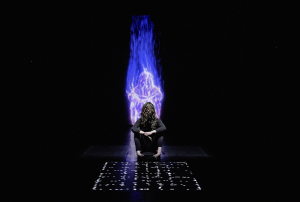
Derida Dance Center
Sofia, Bulgaria
Derida Dance Center in Sofia, Bulgaria, offers an artistic residency program focused on contemporary dance and performance, providing free access to a 100 sq.m. studio with dance flooring, sound system, microphone, and lighting for presentations. Residents develop individual projects, often culminating in a work-in-progress or completed piece presentation, with promotion support in the Bulgarian cultural field; accommodation depends on external funding. Founded in by Art Link Foundation, the program supports emerging and established talents through international exchanges and has produced numerous dance productions.

Next Page Foundation
Sofia, Bulgaria
Next Page Foundation in Sofia runs a residency programme that connects international writers and literary translators to the Bulgarian literary and publishing field. The foundation offers three types of fellowships (Translation in Motion, Next Page, and Traduki) with residencies lasting 3-6 weeks, providing accommodation, working facilities, and monthly grants.

NGO IME
Sofia, Bulgaria
The project “Water Tower Art Residency IME” is a new chapter, but also a natural continuation of the book of the association “IME” and the international festival “Water Tower Art Fest” for contemporary art in abandoned buildings, whose original format ended in with its 10th anniversary. The festival’s production included over 80 works of contemporary art: painting, sculpture, video and photo projections, installations, performances created by artists from o
Radar Sofia
Sofia, Bulgaria
Radar Sofia is an independent art hub in Sofia, Bulgaria, offering residencies primarily for writers, playwrights, dramaturgs, theatre makers, performers, and visual artists, including those at risk, with free live/work space, networking, and presentation opportunities.
World of Co
Sofia, Bulgaria
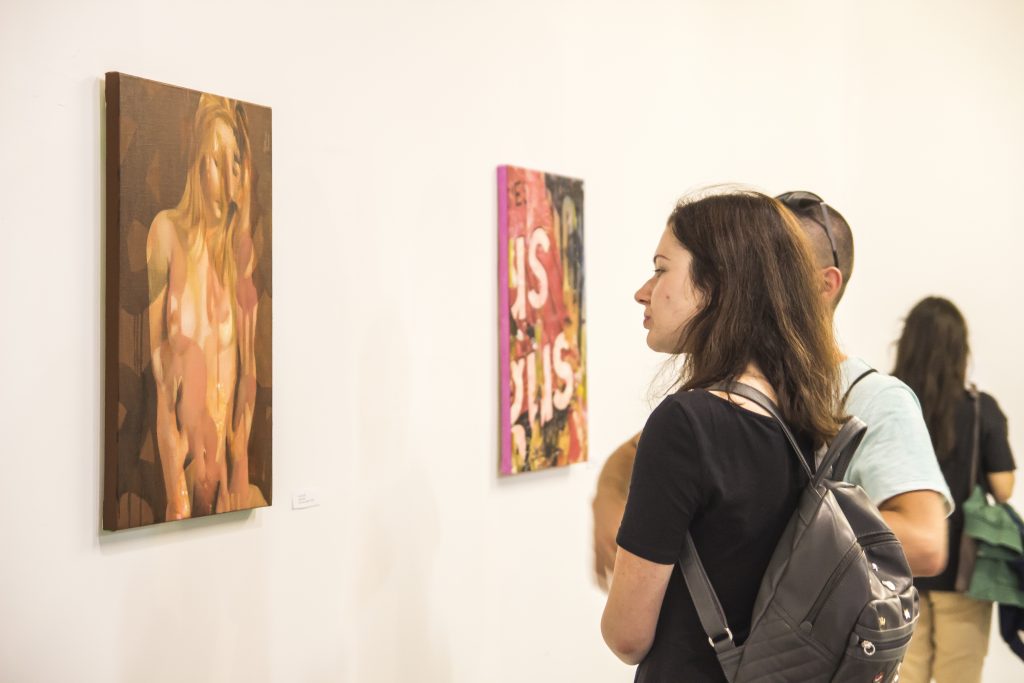
World of Co is an independent art organization based in Sofia, Bulgaria that has organized artist residency programs since . The organization offers both physical and online residency programs designed to create a platform for artistic exploration, experimentation, and international collaboration among emerging and mid-career artists.
Browse by discipline in Sofia
Filter in Sofia
Been to a residency in Sofia?
Share your review