Artist Residencies in Tilburg
2 residenciesin Tilburg, Netherlands
Why artists choose Tilburg
Tilburg is a mid-sized city in North Brabant that quietly works in artists’ favour. It’s big enough to have a real cultural ecosystem, but small enough that you don’t disappear into a hectic art market. Think: focused time in the studio, walkable distances, and a network that’s dense rather than overwhelming.
Compared with Amsterdam, Rotterdam, or Utrecht, Tilburg tends to be more affordable and less saturated. That shows up in:
- More realistic live/work options for short stays
- Less competition for attention within the local scene
- Easy rail connections to bigger Dutch cities and Belgium
The city’s art identity leans toward research, process, and critical dialogue. A lot of activity grows around a few strong anchors, instead of being scattered across dozens of institutions. For residency-minded artists, that can mean more concentrated support and less noise.
The core residencies in Tilburg
Tilburg doesn’t have a huge list of residencies; it has a handful that actually matter. That’s good news: you can understand the landscape quickly and decide if it fits your practice.
AiR Tilburg — SEA Foundation
Operator: SEA Foundation
Main focus: Visual art, curating, writing, interdisciplinary practices
Where: Central Tilburg, in an Amsterdam School-style building with exhibition and project spaces
AiR Tilburg is the city’s main international artist residency hub and one of the key reasons artists come to Tilburg at all. The program is built for people who want to work seriously, with a clear project and a need for time, space, and critical feedback.
What you actually get
- Purpose-built live/work studios for artists, curators, and writers
- Residencies of up to three months, with shorter stays possible depending on the call
- A structure that supports research and/or production
- Access to public programs, exhibitions, and talks happening in the same building
- Mentoring and peer exchange, typically up to about four hours of dedicated support per week
- Visits and feedback from curators, critics, and other professionals
- A studio and living environment that’s quiet, secure, and 24/7 accessible, but still right in town
The building itself matters here: it houses two main live/work studios (different configurations for artists vs. curators/writers), common spaces like a kitchen and salon, a project space, garden, and guest rooms. That layout supports both solitude and community, and it’s all centred around ongoing exhibitions and public events.
Who this residency suits
- Emerging, mid-career, and established artists who want focused progression in their practice
- Curators and writers who need time for research, critical writing, or curatorial development
- Interdisciplinary artists and duo practices (some calls allow shared use of the studio)
- Artists who actually want dialogue, critique, and mentoring, not just a key to a studio
AiR Tilburg expects a clear proposal and a willingness to engage with the SEA Foundation’s rhythm and public program. It suits people who are ready to work through ideas in conversation, not just produce work in isolation.
Funding and fees
The residency operates with a mix of funded and self-funded places. SEA Foundation lists indicative working-period fees like:
- Approx. €670 per week for a single resident
- Approx. €790 per week for a resident plus partner/assistant
These figures include the fully equipped live/work setup, mentoring time, and utilities. They can be high if you’re unfunded, but fair relative to renting studio + accommodation separately in a central Dutch location.
At the same time, SEA Foundation offers fully funded fellowships in some cycles, which can cover studio use, stipends, and production support. Those funded spots are competitive, so many artists combine a residency place with external funding from home-country grants or cultural funds.
How structured the program feels
- You work self-directed but within a supportive framework
- Peer-learning and mentoring are scheduled in agreement with you
- Optional activities (talks, outings, collaborations) are on offer but not forced
- Public outcomes can range from open studios to talks or exhibitions, depending on your proposal
Where to read more
Powered by TINC
Operator: TINC (Tilburg-based cultural initiative)
Main focus: Musicians, interdisciplinary artists, cultural practitioners
Where: Tilburg, in connection with socially and ecologically engaged projects
Powered by TINC appears in residency listings as a program that uses open calls to bring in artists and cultural practitioners. The emphasis is less on classic studio-based visual art and more on processes tied to regenerative, social, ecological, or cultural practices.
What the residency tends to emphasize
- Open-call residencies for musicians and cultural practitioners
- Hands-on work with socially or ecologically engaged initiatives
- A foundation approach that treats culture as central to regeneration and community
- Holistic, process-oriented development rather than just an exhibition finish line
Who this suits
- Sound artists, musicians, and performers
- Artists working with community, ecology, or social practice
- Practitioners who want to embed in a local context and test ideas with real partners
- People comfortable working in a more open, project-driven structure
This program is less extensively documented in English than SEA Foundation, so you’ll need to read each open call closely. Pay attention to:
- Whether housing is provided or you arrange your own
- What kind of stipend or production budget (if any) is available
- How formal the final outcome is expected to be
You can start by checking residency listings or searching for “Powered by TINC Tilburg residency” and following their current announcements.
Reading Tilburg as an art city
You’ll get more out of a Tilburg residency if you treat the city as part of a regional network instead of an isolated destination. North Brabant cities are well connected, and the art scene runs across them.
Local cultural anchors
- SEA Foundation – exhibitions, talks, residencies, and public programs
- Independent galleries and project spaces in the city centre
- Municipal cultural venues and smaller initiatives
Regional neighbours
- Eindhoven – strong design/tech, experimental spaces, and maker infrastructure
- Breda – photography, graphic art, and smaller project spaces
- 's-Hertogenbosch – institutions, festivals, and regional art events
Based in Tilburg, you can easily visit these cities for openings, portfolio visits, or to source fabrication support, then come back to your studio to digest and work. That balance is part of the city’s appeal.
Where artists tend to stay and work
Tilburg is compact, and a bicycle usually puts most relevant spots within 10–15 minutes. Still, some areas make more sense than others if you’re in town for a residency or short project.
Neighbourhoods to know
- City Centre / Centrum
Close to SEA Foundation, most cultural venues, cafés, and shops. Great if you’re in a live/work residency and just want everything walkable. - Around Tilburg Central Station
Good for quick travel to other cities and easy arrivals for visitors. Short bike ride to most art spaces. - Dwaalgebied
A historic, wandering-feel area with small shops and cafés. Nice for daily life, quick breaks from the studio, and informal meetings. - Piushaven
Waterside area, more residential but increasingly lively. If you’re arranging your own accommodation, this can give you a quieter base. - West / industrial edges
Some studios and larger workspaces are in or near repurposed industrial zones. If you need scale or like a slightly rougher, work-oriented environment, keep an eye here.
If your residency includes housing (as with AiR Tilburg), you’ll likely be placed centrally. If not, it’s still realistic to live slightly outside the centre and cycle everywhere.
Studios, fabrication, and materials
For residency artists, the main studio answer is often simple: you work where you’re hosted. But if you’re extending your stay or planning side projects, it helps to know what’s around.
- Residency studios: SEA Foundation’s live/work spaces are well equipped and come with good natural light, private bathrooms, and access to common areas and a garden. TINC-linked setups may vary by project.
- Shared workspaces: There are artist-led spaces and co-working spots; these tend to shift over time, so the quickest route is asking your residency host or local artists for current options.
- Production support: For complex fabrication or tech-heavy work, Tilburg is a good base, but some artists also tap into facilities and networks in nearby Eindhoven.
Cost of living and budgeting your stay
Tilburg generally runs cheaper than the big Dutch art hubs, but you’re still operating inside a high-cost country. Matching your expectations to reality is key, especially if your residency is not fully funded.
Main cost areas to plan for
- Housing: If accommodation is part of your residency, that’s a big win. If not, short-term rentals can eat your budget fast, especially if you want a private apartment.
- Studio: At AiR Tilburg this is integrated into the fee. Outside residencies, studio rental is possible but usually requires local contacts and a longer stay.
- Daily life: Groceries are manageable if you cook; eating out regularly adds up. Cafés are priced similar to other Dutch cities.
- Transport: A used bike plus occasional train trips is often the most efficient combo. Trains are reliable but not cheap if you travel constantly.
- Health insurance: If you stay long enough to trigger registration or work conditions, you may need Dutch-compatible coverage. Shorter visits usually work with your existing travel or health insurance.
AiR Tilburg’s listed weekly costs give a clear benchmark: you’re paying for central accommodation, studio, mentoring, and utilities in one. To make the numbers workable, many artists:
- Apply for grants from their home country
- Combine a Tilburg residency with another funded opportunity in Europe
- Schedule a shorter but more intensive stay
Transport and getting around
Tilburg is easy to move through, which matters when you’re juggling studio time, site visits, and trips to other cities.
Train connections
- Direct or frequent trains to Breda, Eindhoven, 's-Hertogenbosch, Utrecht, Amsterdam, and Rotterdam
- Reasonable connections to Belgium via Breda and other hubs
By bike
- Bike-friendly city with dedicated paths
- Most art-related locations are within a short ride
- Buying or borrowing a bike for the stay is usually worth it
Airports
- Eindhoven Airport – useful for European routes, then train or bus to Tilburg
- Amsterdam Schiphol – main international gateway, with direct train connections
Visas and paperwork
Visa needs depend heavily on where you’re from and how long you stay. Still, there are patterns that are useful to keep in mind when planning a residency in Tilburg.
- EU/EEA/Swiss nationals: Short residencies are usually straightforward. For longer stays, you may be asked to register locally and prove you have insurance and housing.
- Non-EU artists: Requirements shift depending on length of stay, whether you’re being paid, and how the visit is classified. A formal invitation from a residency helps but isn’t a visa by itself.
For any longer or funded stay, you’ll want to:
- Ask your host exactly what they can provide in terms of letters or sponsorship
- Check Dutch immigration information for your specific nationality and project type
- Clarify tax and contract details if you receive fees, stipends, or production budgets
Residency hosts in Tilburg are used to working with international artists, so they can often point you to the right resources, but the legal responsibility still sits with you.
Art community, events, and how to plug in fast
Tilburg rewards artists who show up, attend things, and talk to people. The city is small enough that consistent presence quickly builds connections.
Ways to connect
- Go to exhibition openings and public programs at SEA Foundation
- Attend talks, screenings, and workshops tied to residency projects
- Ask your host to organise studio visits with local artists or curators
- Take day trips to Eindhoven, Breda, or 's-Hertogenbosch for additional contacts
The residency structures in Tilburg usually include some form of peer-learning, studio visits, or sharing sessions. If you’re proactive about inviting people into your process, you can turn a three-month stay into a solid long-term network.
When to be in Tilburg
The city works year-round, but different seasons support different goals.
- Spring and early autumn: Great for a mix of work and engagement. Cultural calendars are active, the weather is workable, and cycling is easy.
- Summer: Can be lively, with events and outdoor life, but some institutions quiet down during holidays. Good for studio focus with occasional trips.
- Winter: Less distraction, more inside time. If you want a concentrated research or writing period, this can suit you, even if public programming is slightly lighter.
Application timelines for residencies like AiR Tilburg are typically set through open calls. Keep an eye on:
Is Tilburg the right residency city for you?
Tilburg is a strong fit if you want:
- A research-oriented or process-driven residency rather than a production sprint tied to a big market
- Focused time in a live/work setup with structured mentoring and dialogue
- Access to a wider Dutch and Brabant art network without paying big-city premiums
- A balance of solitude, conversation, and realistic public presentation possibilities
It’s especially suited to:
- Visual artists, curators, and writers working critically or experimentally
- Interdisciplinary practices that sit between art, theory, design, or sound
- Artists interested in public program formats, talks, or discursive outcomes
- Practitioners who want to build long-term European connections from a short stay
If that sounds like your working style, Tilburg can give you exactly what you need: solid studios, intelligent conversation, and a city that supports deep work without swallowing you whole.
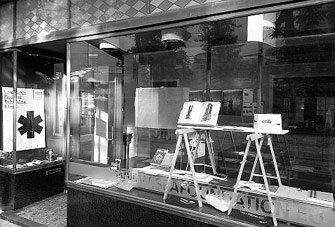
AiR Tilburg
Tilburg, Netherlands
AiR Tilburg, run by the SEA Foundation in Tilburg, Netherlands, offers residency programs for visual artists, curators, and writers at all career stages, providing live/work studios for research, production, and professional development. Residencies typically last up to 3 months, with flexible options including short exploratory stays or extended development trajectories, and include public programs, exhibitions, and mentoring. Fully funded fellowships are available to select participants, covering studio use, stipends, production costs, and additional support.
Powered by TINC
Tilburg, Netherlands
Powered by TINC is an artist residency program based in Tilburg, Netherlands that organizes residencies through open calls, offering musicians and cultural practitioners opportunities for creative development and exploration. The organization operates from a foundation centered on culture as a basis for regenerative practices, working with socially, ecologically, and culturally driven initiatives through hands-on and holistic approaches.
Browse by discipline in Tilburg
Filter in Tilburg
Been to a residency in Tilburg?
Share your review