Artist Residencies in Toronto
9 residenciesin Toronto, Canada
Why artists choose Toronto for residencies
Toronto is one of those cities where you can sit in a quiet studio by the lake in the morning and be at a major museum opening by evening. The art scene is big, messy, and spread out, which actually works in your favour: you’re not tied to one district or one kind of space.
If you’re considering a residency here, you’re usually looking for one (or several) of these:
- Access to major institutions like the Art Gallery of Ontario (AGO), Royal Ontario Museum (ROM), Gardiner Museum, MOCA Toronto
- Artist-run culture and independent spaces with a long history in contemporary art
- A strong commercial gallery scene, from emerging spaces to blue-chip
- Municipal programs and public art support through the City of Toronto
- A deeply diverse population, crucial for community-based, socially engaged, and diasporic work
- Residencies with built-in public visibility, especially in hotels, museums, and civic venues
Toronto is especially useful if you want crossovers: curators, writers, designers, filmmakers, and community organizers are all part of the same ecosystem. A single residency here can connect you with several different scenes at once.
Key residency options in Toronto
Toronto’s residencies spread across three main types: retreat-style (quiet, contained), institutional (museum, university, civic), and public-facing (hotel, community space). You can mix and match based on what your practice needs right now.
Gibraltar Point Centre for the Arts (Toronto Island)
Best for: Self-directed artists, writers, composers, interdisciplinary work, small groups, and anyone needing deep focus.
Gibraltar Point is on the Toronto Islands, a short ferry ride from downtown but emotionally very far from city noise. It’s a year-round residency center that has hosted thousands of artists since the late 1990s.
What you get:
- Short-term residencies, usually about 1 week to 1 month
- Private bedrooms and a range of studio spaces (some shareable, some more contained)
- Shared kitchens, lounges, and common areas built for resident life
- A calm, car-free island environment with lakefront access
- Capacity for roughly 19 residents at a time
- Both self-directed residencies and themed / facilitated programs
Why artists choose it: Gibraltar Point lets you disconnect without leaving the city’s orbit. It works especially well for writing, research-heavy projects, and periods when you need big stretches of uninterrupted time. Thematically driven sessions can also give you a ready-made peer group.
Practical notes:
- Rates are paid by residents; budgets often start around a few hundred dollars for shorter stays
- International artists handle their own visas; the center can provide a confirmation letter for funding or immigration purposes
- You reach it by ferry from downtown, then walk or bike across the island
- Check the official site for details: Gibraltar Point Centre for the Arts
AGO x RBC Artist-in-Residence
Best for: Early-career artists and anyone whose work engages directly with audiences, collections, or public programming.
This residency runs at the Art Gallery of Ontario, one of Canada’s leading museums. It’s structured as a roughly three-month hybrid residency, meaning you’re working both in and outside AGO spaces while connecting with staff and visitors.
What you can expect:
- Time and support to develop a project that engages museum audiences
- Mentorship from AGO curators, educators, and other staff
- Opportunities to work in dialogue with the collection and exhibitions
- Public outcomes, which might include talks, activations, or presentation of work
Why it matters: If you want museum experience on your CV and you’re interested in how audiences encounter art, this residency gives you real access to institutional processes. It’s particularly good if your practice touches on interpretation, pedagogy, or socially engaged work in museum contexts.
For current and past residents, check the AGO page: AGO Artist-in-Residence Program.
Gladstone House Resident Artist Program
Best for: Visual and craft artists who like drop-in studio visitors, casual conversation with viewers, and hotel-meets-art atmospheres.
Gladstone House is a historic hotel in West Queen West with a dedicated Art Studio. The Resident Artist Program offers three-month studio residencies for local artists.
What it offers:
- Free studio space in the hotel for the duration of the residency
- Access to the studio seven days a week, typically long daily hours
- An open-door format: guests and the public can walk in and see your work in progress
- Exposure to a mix of locals and out-of-town visitors
- A track record of dozens of artists since the program started
Why it stands out: You get a semi-public studio embedded in a hospitality space, which can be perfect if your practice benefits from conversation and informal feedback. It’s also directly in one of the city’s most gallery-dense neighbourhoods.
See more on their site and current resident artists: Gladstone House Resident Artist Program.
Nia Centre for the Arts – Artist-in-Residence
Best for: Black and Afro-diasporic artists looking for community-rooted support, not just a room and a key.
Nia Centre is a dedicated arts organization focused on Afro-diasporic artists. The Artist-in-Residence program is built around support systems many Black artists are often missing: space, financial relief, and a sustaining community.
What the program focuses on:
- Providing space and resources to create new work
- Addressing barriers like cost, access to facilities, and isolation
- Building a cohort of Black artists working alongside each other
- Connecting residents to professional development and networks
Why you might choose it: If you want cultural specificity, peer support, and programming that understands the realities of Black artists in Toronto, this residency is built with that in mind.
Program details sit here: Nia Centre for the Arts – Artist in Residence.
City of Toronto residencies and civic programs
Best for: Artists interested in civic engagement, heritage, public programming, and connecting with local communities.
The City runs a changing set of residencies and calls that often include space, exhibition opportunities, or community-focused projects. These are not always branded as “residencies,” but they function similarly.
Examples from recent offerings include:
- Toronto History Museums calls for proposals, often aimed at movement artists, community groups, and heritage-based activations
- Ascent Gallery at the Etobicoke Civic Centre, dedicated to early-career artists and collectives, with attention to IBPOC, disabled, and 2SLGBTQIA+ artists
- Clark Centre for the Arts Artist Residency, which provides workspace and ends with an exhibition in Gallery 191
Some programs, like municipal summer residencies, may offer no-cost workspace and a final presentation. Others function as curated exhibition opportunities with light residency components.
For current calls, use the City’s portal: City of Toronto Artist Residencies & Open Calls.
How Toronto’s neighbourhoods shape your residency
Your neighbourhood matters almost as much as your studio. Toronto is large, and your daily rhythm will feel very different in each area.
West Queen West / Parkdale
- Home turf for Gladstone House and many galleries
- Dense with cafes, small venues, and creative workers
- Easy to wander between openings on foot
- Can be busy and pricey, but great if you want a lively scene outside your door
Downtown / Grange Park / Chinatown edge
- Near the Art Gallery of Ontario and OCAD University
- Walkable to multiple museums and artist-run spaces
- Good if your residency involves meetings with curators, academics, or institutional partners
- Accommodation costs tend to be high in this area
Toronto Islands
- Where Gibraltar Point Centre for the Arts is located
- Quiet, car-free, and nature-heavy, but still in view of the city skyline
- Requires planning around ferry schedules, especially in colder months
- Ideal if you want a retreat vibe without being truly remote
East End and west-central areas
- Neighbourhoods like Leslieville, Riverdale, and the Junction are more residential
- Often better for longer stays if you’re renting your own place
- Growing number of studios, small galleries, and maker spaces
- Good balance between relative affordability and transit access
Cost of living and budgeting your residency
Toronto is one of the more expensive Canadian cities, and that shows up mostly in housing and studio costs. Residencies can sidestep some of that, but it’s smart to budget tightly.
Typical cost pressures:
- Rent / short-term stays: Downtown and West Queen West are the priciest. The Islands have limited options outside residency housing.
- Food: Groceries are manageable if you cook; eating out regularly adds up quickly.
- Transit: TTC fares are standard big-city prices; still cheaper than relying on taxis or car rentals.
- Studio space: Market-rate studios can be high, which is why residencies that include free or subsidized studios are valuable.
Budget strategies:
- Prioritize residencies that include studio and/or accommodation
- Use shared kitchens (Gibraltar Point, many civic programs) to keep food costs down
- Look for funding from your home region and ask residencies for support letters
- Stay slightly outside the most central neighbourhoods if you’re renting independently
Getting around: transit and logistics for residencies
TTC, GO Transit, and the island ferries cover most residency situations.
- TTC: Subway, streetcar, and buses are usually enough if you’re near a line. For downtown or West Queen West residencies, this is your main tool.
- Ferries: Essential for Gibraltar Point and any Toronto Island stay. Schedule awareness is key, especially late evenings or winter.
- Bike share and cycling: Good in warmer months; the waterfront and some major streets have cycling infrastructure.
- Walking: Downtown and West Queen West are very walkable, which is handy during gallery nights.
For residencies with public programming (AGO, City programs, Gladstone House), staying near a transit line saves you time and energy when you’re juggling events, studio time, and meetings.
Visas and international artist considerations
If you’re coming from outside Canada, check visa requirements early. Many artists enter on a visitor visa or eTA, but the details depend on your country and whether the residency includes payment or teaching.
Steps that usually help:
- Confirm with the residency how they categorize participants: guest, fellow, contractor, etc.
- Ask for a formal letter outlining your dates, location, and support; this helps for both visas and grants.
- Clarify if there are honoraria or fees that might trigger work-authorization questions.
- Check your own government’s travel advice for Canada-specific guidance.
Residencies like Gibraltar Point explicitly state that international artists are responsible for their own permissions, so build that into your timeline.
Matching your practice to the right Toronto residency
If you’re trying to pick between programs, think less about prestige and more about what your work actually needs this year.
- Need quiet, time, and natural light? Focus on Gibraltar Point or any retreat-style island stay.
- Want institutional context and museum dialogue? Aim for the AGO x RBC program or similar museum-based residencies and commissions.
- Looking for open studios and daily contact with viewers? The Gladstone House Resident Artist Program offers a hotel-based studio that invites constant foot traffic.
- Seeking culturally specific support as a Black artist? The Nia Centre Artist-in-Residence focuses directly on Afro-diasporic artists and community building.
- Interested in civic projects and heritage? The City of Toronto’s residencies and open calls connect you to public programs, neighbourhoods, and local communities.
The strongest approach is to see Toronto not as one residency, but as a set of overlapping systems: island retreat, hotel studio, museum engagement, Black arts networks, and municipal culture work. The residency you choose is just your entry point into that wider ecosystem.

AGO X RBC Artists-in-Residence
Toronto, Canada
The AGO x RBC Artist-in-Residence Program supports early-career artists with three-month hybrid residencies at the Art Gallery of Ontario, offering mentorship and resources to develop projects engaging museum audiences.

Connected Minds by Sensorium at York University
Toronto, Canada
The Connected Minds Artist-in-Residence program, hosted by Sensorium at York University, offers a unique opportunity for artists to engage with the intersection of media arts, performance, and digital culture. This residency supports artist-researchers from equity-deserving groups to explore the social impacts of emerging technologies. Participants will develop research-creation experiments, hold workshops and talks, and produce a public exhibition. The residency emphasizes collaboration with students and faculty, fostering interdisciplinary exchanges across neuroscience, intelligent technologies, and society. The program provides a stipend, a research budget, and access to extensive resources and facilities at York University. Artists are expected to be on-site regularly and contribute to the Connected Minds community through various engagements. The residency can be six months or one year, depending on the project, and is open to artists worldwide.
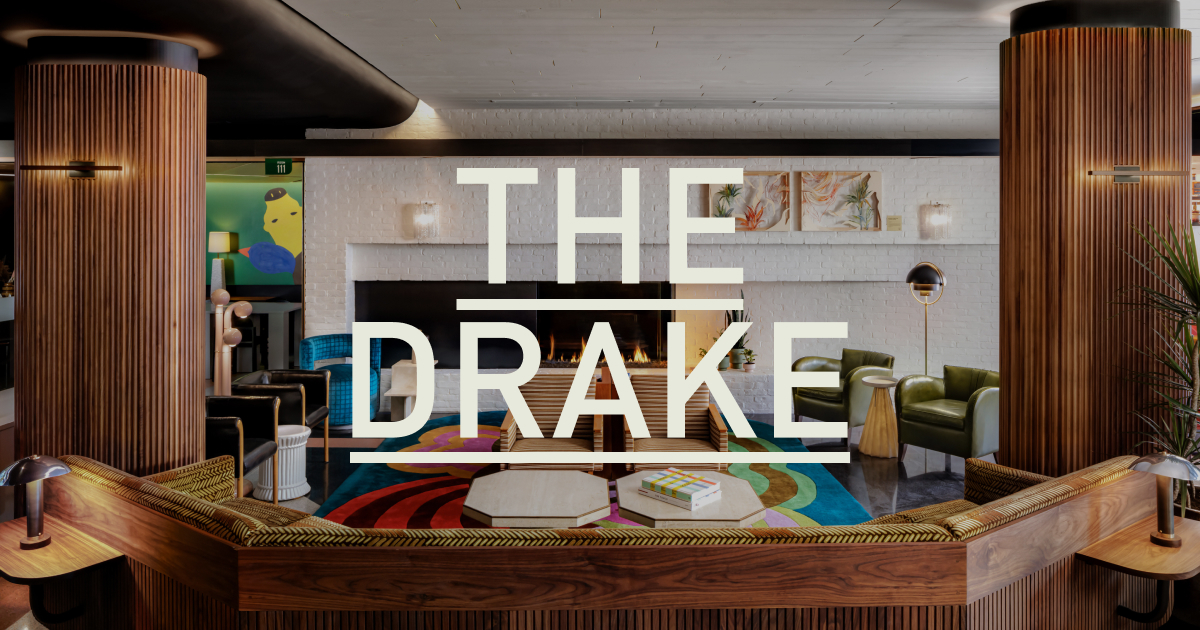
Drake Hotel
Toronto, Canada
The Drake Hotel in Toronto offers an Artist in Residency program that provides artists with accommodation to work in their chosen medium, often in public hotel spaces, fostering creativity and experimentation in a unique environment. The program has been a staple in Toronto's creative scene for years, hosting local, national, and international artists, and includes related offerings like the Artist Loft for touring performers. A sister program at Drake Devonshire in Prince Edward County features 2-3 night stays with food allowances during winter months.
Gallery 44
Toronto, Canada
Gallery 44 Centre for Contemporary Photography is an artist-run centre in Toronto committed to supporting diverse approaches to photographic and image-based practices through exhibitions, education programs, and artistic production. The organization offers multiple residency opportunities including the Career Launcher program for OCAD U students and the Member-in-Residence program for current Gallery 44 members, providing access to production facilities, mentorship, and exhibition opportunities.

Gibraltar Point
Toronto, Canada
Gibraltar Point Centre for the Arts on Toronto Island, Ontario, Canada, offers two types of artist residencies: self-directed and thematic/programmed. The self-directed residencies provide artists, writers, and composers with private accommodations and studio spaces for short-term stays in a distraction-free environment, ideal for creative focus, research, or collaborative work. Studios are well-equipped, ranging in size and amenities, and the serene, car-free island provides a peaceful retreat year-round. The thematic residencies, on the other hand, bring together up to 18 artists to explore specific topics under the guidance of facilitators, fostering collaboration, dialogue, and new perspectives. Gibraltar Point offers accommodations, shared facilities like kitchens and lounges, and access to beautiful outdoor spaces, including scenic lakefront views, making it a unique and inspiring environment for artists across disciplines.
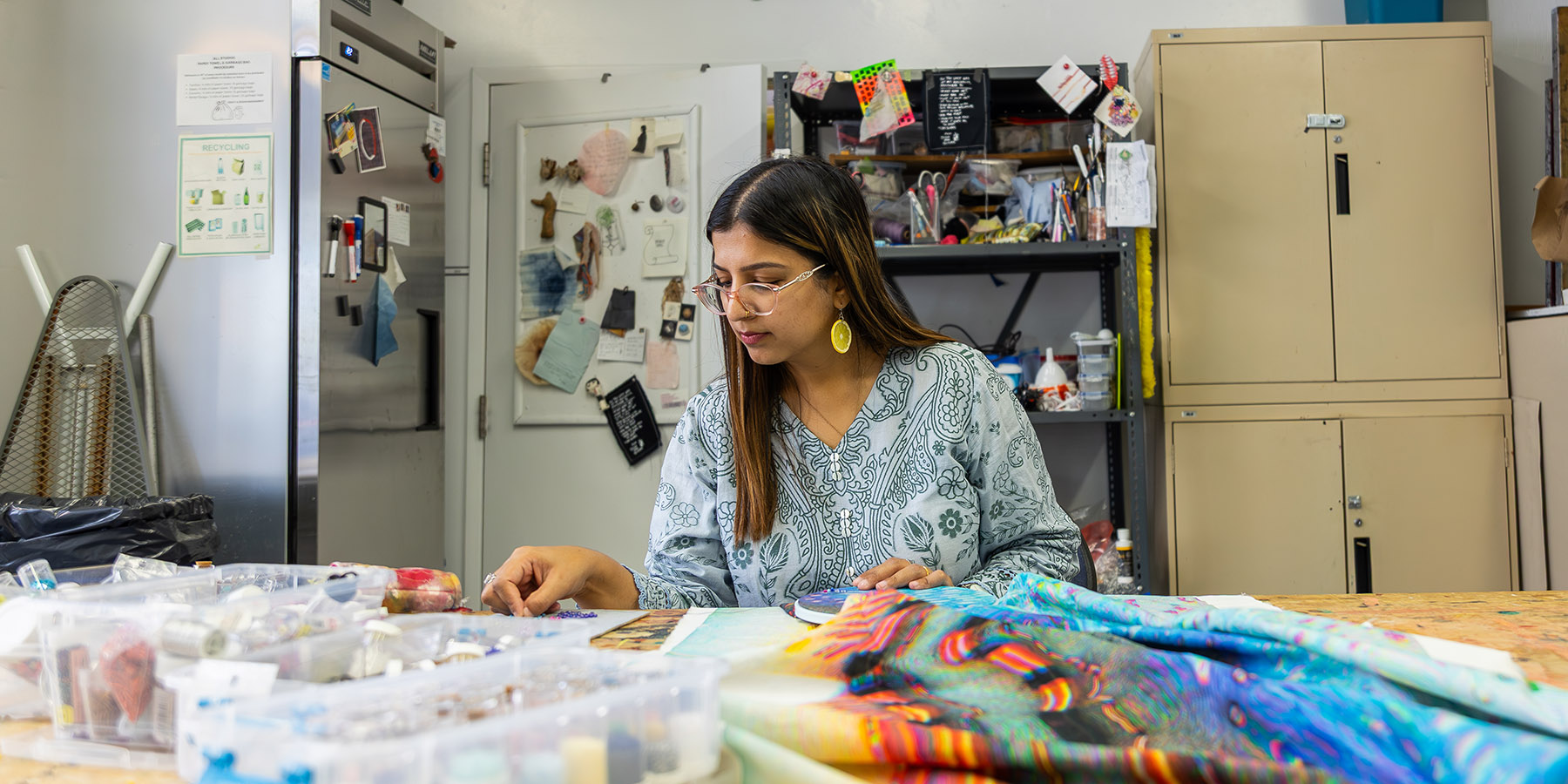
Harbourfront Centre
Toronto, Canada
Canada's only career-focused artist-in-residence program dedicated to contemporary craft and design, offering opportunities in ceramics, design, glass, metal, and textiles. The program functions as an incubator providing studio space, mentorship, teaching and exhibition opportunities, and professional development within a vibrant creative community.

MOTHRA
Toronto, Canada
MOTHRA is an artist-parent collective based in Toronto, Canada, that offers child-inclusive residencies to support the integration of caregiving and art practices. Founded in 2018, MOTHRA aims to normalize the presence of children in the arts sector, providing a platform for artists to work alongside their children. The residency, hosted at Gibraltar Point Centre for the Arts, encourages collaboration, co-working, and dialogue on issues relating to caregiving and art. It supports artist-parents by addressing the challenges of maintaining an art practice while caring for children, promoting a more inclusive and vibrant art community. The program emphasizes the need for systemic change in arts funding, studio practices, and societal attitudes towards caregiving. MOTHRA also engages in research, activism, and networking with similar groups globally to advocate for the rights of artist-parents.

THIRDSPACE Emerging Artist Intensive
Toronto, Canada
THIRDSPACE Emerging Artist Intensive is a month-long summer residency program at OCAD University in Toronto, Canada, designed for interdisciplinary emerging artists, including students, recent graduates, and early-career practitioners exploring new directions. Participants receive mentorship from a Toronto-based artist-in-residence, access to shared studios and specialized facilities, workshops, field trips, discussions, and culminate in a public exhibition at the OCAD U Graduate Gallery.

Toronto Artscape Inc.
Toronto, Canada
Toronto Artscape Inc. operates artist residency programs, most notably at Artscape Gibraltar Point on the Toronto Islands, offering affordable short-term studio and accommodation rentals for artists seeking focused creative work in a distraction-free environment. The organization is a not-for-profit that develops real estate projects, programs and services to empower artists and connect them to communities across Toronto.
Browse by discipline in Toronto
Filter in Toronto
Been to a residency in Toronto?
Share your review