Artist Residencies in Ulaanbaatar
2 residenciesin Ulaanbaatar, Mongolia
Why Ulaanbaatar is an interesting residency base
Ulaanbaatar is small for a capital, but the mix of contemporary art, nomadic culture, and fast-changing urban life gives you a lot to work with. Residencies here rarely feel like isolated retreats. Instead, you sit right where rural migration, ger-district neighborhoods, and public art overlap.
You get access to:
- A transitional city where contemporary art, craft, social practice, and public art often blend.
- Ger districts on the edges of the city, which are central to how Ulaanbaatar is growing and where many community-based projects happen.
- Nomadic and Buddhist culture that shows up in architecture, calligraphy, oral traditions, and everyday life.
- Landscape only a few hours away: steppe, mountains, and historic sites like Karakorum/Kharkhorin.
- A relationship-driven art ecosystem where you can meet artists, curators, and organizers without needing a huge network beforehand.
If your work touches on social practice, place-based research, migration, or ecological themes, Ulaanbaatar gives you both the city context and quick access to very different environments.
How the art scene is structured
The scene is compact, which makes it easier to understand once you arrive. You’ll mostly interact with:
- Artist-run and nonprofit initiatives that drive a lot of experimental and community work.
- University and academy spaces supporting training and exhibitions.
- Commercial galleries with contemporary Mongolian artists and some international programming.
- Independent project spaces that come and go, often led by artists.
- Community art programs in the ger districts, linked to NGOs and centers.
- Festivals and temporary events rather than giant art fairs.
Activity clusters in three broad zones:
- Central Ulaanbaatar for museums, galleries, cafes, and institutions.
- Ger districts at the city’s edge, especially for community-based and socially engaged work.
- Specific districts like Bayanzurkh, Sukhbaatar, and Chingeltei that keep showing up in residency and public art projects.
Information travels fast via word of mouth, Facebook, and residency hosts. Once you’re plugged into one residency or community space, you can usually meet a lot of people quite quickly.
Nomadic Red Corner – International Artist Residency
Organizers: Mongolian Contemporary Art Support Association (MCASA) and Art Space 976+ (link to gallery site; confirm URL via search)
Location: Uliastai area of Bayanzurkh district, about 11 km from central Ulaanbaatar
Setting: Courtyard of Magic Land Community Center (often called Magic Land II), inside a ger district
What the residency is like
Nomadic Red Corner is built around living and working in traditional Mongolian gers in a ger-district neighborhood. It offers a “neo-nomadic, minimal lifestyle” with an explicit focus on community engagement.
Key features:
- Traditional ger living: You stay in round, felt-covered nomadic dwellings, sharing the compound with other artists.
- Community connection: The residency is embedded in Magic Land Community Center, so workshops, children’s activities, and public events are part of the daily environment.
- Ger-district context: You’re surrounded by residential houses and gers of recent rural migrants, which is central if you’re working on urban change, migration, or neighborhood life.
- Collaborative approach: The project often includes at least one Mongolian artist in the residency cohort, helping visiting artists connect with the local scene, exhibitions, and other artists.
Facilities and logistics
Based on residency listings and the project’s own descriptions:
- Compound: Three gers on site; two are for accommodation and one serves as storage/public use.
- Capacity: Up to six artists can be accommodated at a time.
- Amenities: Beds, basic kitchen amenities, sheets, towels, shelving, and simple supplies for daily living.
- Access to city: About 11 km from the center; expect taxi or rideshare for openings and meetings.
It’s not a white-cube studio campus. Think of it as a live-work situation inside a neighborhood, with the community center as a hub and the city center still reachable.
Who this residency suits
Nomadic Red Corner is a good fit if you want to work in a lived, social context rather than in isolation.
- Socially engaged artists and collectives.
- Artists working in public art, murals, participatory projects, or workshops.
- Documentary photographers, filmmakers, and sound artists researching urban change.
- Researchers and artists interested in ger districts and rural-urban migration.
If your project relies on direct contact with neighbors, youth, or local organizations, this residency gives you built-in structures for that.
Red Corner’s broader programs: “A Journey through Time and Space” and Nomad Spirit
The Red Corner platform hosts more than one format. Alongside the ger-district residency, you’ll see additional programs that extend beyond Ulaanbaatar.
“A Journey through Time and Space” – nomadic residency
Type: Two-week nomadic residency for artists, curators, and art practitioners
Scope: Ulaanbaatar + countryside
This program focuses on the contrast and continuity between contemporary urban life and ancient nomadic traditions.
You can expect:
- Research time in Ulaanbaatar’s contemporary art scene: galleries, project spaces, and meetings.
- Travel into the countryside to experience nomadic life and landscape.
- An emphasis on the coexistence of “contemporaneity and ancient living tradition.”
Because it is short and mobile, this suits artists who want a structured introduction to both the city and rural settings, rather than a single-site studio residency.
Nomad Spirit International Program
Type: Fully funded program (in partnership with EUNIC organizations, based on past editions)
Setting: Outside Ulaanbaatar, such as Deren Soum in Dundgobi province (Gobi area), according to previous cycles
This program has brought together artists from Mongolia and several European countries in a rural context, focusing on exchange and site-responsive practices. While the site can change from one edition to another, it sits in the same ecosystem as Red Corner and Ulaanbaatar-based partners.
If you’re mapping the residency landscape, think of Red Corner as a platform with:
- Ger-district residency in Ulaanbaatar.
- Nomadic research journeys combining city and countryside.
- Occasional fully funded, partnership-based programs outside the city.
NAR – Nomadic Arts Residency Program (linked to Ulaanbaatar)
Organizer: Arts Council of Mongolia (ACM)
Partner: M.A.R.S. (Mongolian Artist Residency Studios)
NAR is designed as a nomadic arts residency to promote cultural exchange and present Mongolian art and culture to international artists. It is connected to Ulaanbaatar through the Arts Council and Mongolian networks, even when the actual working site may be in a more natural or rural setting.
What you can expect, based on public descriptions:
- Focus on landscape and culture: A picturesque natural setting linked to Mongolian cultural practice.
- Cross-cultural exchange: Artists from different countries working alongside Mongolian peers.
- Institutional backing: Being an Arts Council program, it sits close to national-level networks and partnerships.
Because the exact location and format can shift, treat NAR as a flexible, cycle-based program. Always read current calls carefully for site descriptions, duration, and expectations.
Erdenesiin Khuree Art Residency (outside Ulaanbaatar, but relevant)
Location: Karakorum / Kharkhorin area
Host: Erdenesiin Khuree Mongolian Calligraphy and Art Center
Why it’s in this guide: Many artists pass through Ulaanbaatar before heading here, and it’s part of the broader Mongolian residency circuit.
Program profile
This residency centers on Mongolian calligraphy, cultural heritage, and the historic Karakorum area.
Key points from their overview:
- Dedicated workspace in an authentic Mongolian yurt.
- Access to center resources and tools for calligraphy and related work.
- Cultural immersion and interaction with local community and artists.
- Networking and exhibition opportunity through a culminating show or event.
- Visa support for stays up to three months.
- Grant and subsidy assistance for funding applications.
- Duration: Usually one to three months, mainly in warmer months.
- Disciplines: Open to calligraphers, painters, sculptors, photographers, writers, musicians, performance and digital artists, and others.
If your practice engages with writing systems, text, or historical research, this residency complements city time in Ulaanbaatar very well.
Neighborhoods and areas you’ll interact with
Central Ulaanbaatar
This is where you go for galleries, museums, cafes, and a decent amount of cultural infrastructure. You’ll find:
- Spaces like Art Space 976+ and other contemporary art venues.
- National museums and cultural institutions.
- Cafes and meeting spots used by artists and curators.
- Offices of groups like the Arts Council of Mongolia.
If your residency is further out, plan regular trips into the center to see shows, attend openings, and meet people.
Bayanzurkh and ger districts
Bayanzurkh is critical because of Nomadic Red Corner in the Uliastai ger district area. This is suburban and residential, with ger plots and houses mixing together.
Ger districts are where you really sense the urban transformation: informal plots, new construction, and everyday life of families who moved from the countryside. These areas aren’t studio districts in the industrial-loft sense, but they are central for community-based work, murals, and neighborhood projects.
Sukhbaatar and Chingeltei
Sukhbaatar district includes many political and cultural institutions and is often associated with central-city activities. Chingeltei has been involved in earlier public art and community projects linked to Nomadic Red Corner and similar initiatives.
If your residency connects to public art or city-level projects, you may end up working across these districts even if your housing is elsewhere.
Cost of living and working on a residency budget
Costs vary by lifestyle, but Ulaanbaatar is generally cheaper than major global capitals while still having a noticeable gap between local-standard and international-standard housing and services.
Main costs to expect
- Accommodation: If your residency covers housing, your budget becomes much easier to manage. Independent rentals range from modest local apartments to expensive international-standard places.
- Food: Local food is quite affordable. Imported goods, health foods, and branded Western groceries can be significantly more expensive.
- Transport: Taxis and ride-hailing are common and usually reasonable. Public transport exists, but many visiting artists rely on cars for efficiency and material transport.
- Art supplies: You may not find every specialized material you use at home, and imported supplies can be pricey. Plan to bring key tools or order ahead when possible.
- Winter costs: Heating and proper winter clothing add to the budget if you’re staying in the cold season.
If your residency is self-funded, map out your material needs, transport habits, and any seasonal clothing purchases before committing to a long stay.
Transport and getting around
Inside the city
Most visiting artists end up using a mix of:
- Taxis and rideshares for studio visits, openings, and grocery runs.
- Public buses if you want to keep costs low and are comfortable with a bit of language and route learning.
Traffic can be heavy, especially in central areas during peak hours. If your project involves transporting large works or equipment, build extra time into your schedule.
From the airport
International flights arrive at Chinggis Khaan International Airport. Common options:
- Residency-organized airport pickup.
- Pre-booked hotel or shuttle transfers.
- Taxis or ride-hailing services from the airport.
Confirm arrival logistics with your host in advance, especially if you’re arriving with bulky work or late at night.
Visas and residency documentation
Visa regulations depend on your passport and can change, so always cross-check with:
- Your nearest Mongolian embassy or consulate.
- Your residency host (they often know what has worked for previous artists).
- Official immigration websites.
Points to clarify before you commit:
- How long you can legally stay under your visa type.
- Whether the residency will issue an official invitation letter.
- What type of visa you need for artistic work and cultural programs.
- Whether you need to register locally after arrival for longer stays.
Some residencies, such as Erdenesiin Khuree, explicitly mention visa support and help with documentation. Others may expect you to manage it independently with occasional letters of support.
Season, weather, and timing your residency
Most comfortable season for residencies
Warmer months, roughly late spring through early autumn, tend to be the most practical for:
- Outdoor work and filming.
- Community events and participatory projects.
- Travel into the countryside.
- Frequent trips between ger districts and the city center.
Many residencies emphasize this period, especially any that include outdoor or nomadic components.
Working in winter
Winters in Ulaanbaatar are harsh: extremely cold temperatures, strong heating needs, and serious air pollution issues during the coldest months. It can be powerful material if your work deals with environment or infrastructure, but it is physically demanding.
If you plan to work in winter:
- Budget for serious cold-weather clothing.
- Make sure your accommodation is well-heated.
- Expect fewer outdoor events and slower movement around the city.
Local communities, openings, and how to plug in quickly
Key nodes in the art network
Several organizations form the spine of Ulaanbaatar’s art ecosystem:
- Mongolian Contemporary Art Support Association (MCASA): Co-organizes Nomadic Red Corner and supports contemporary art initiatives.
- Art Space 976+: Influential gallery and project platform tied into local and international networks.
- Arts Council of Mongolia: Runs programs like NAR and connects to international partners.
- Magic Land Community Center (Magic Land II): Host site for community-linked residency activity in the ger districts.
When you arrive, your residency will often introduce you to at least one of these, which then leads to more contacts and events.
Community-based projects and open studios
Ulaanbaatar’s residencies tend to emphasize community engagement, especially in ger districts. Typical activities include:
- Mural and public art projects.
- Workshops with youth and local residents.
- Neighborhood exhibitions in community centers.
- Open studios at the end of a residency cycle.
Because the network is relatively tight, openings and open studios are effective ways to meet many people in a short time. Let your host know if you want to present an artist talk or informal sharing; they can often set this up with local partners.
Choosing the right program for your practice
Use your working style and interests as a filter:
- For deep community engagement in an urban neighborhood: Nomadic Red Corner in Bayanzurkh’s ger district is the clearest match.
- For a structured introduction to both Ulaanbaatar and nomadic countryside: Red Corner’s “A Journey through Time and Space” is designed for that mix.
- For landscape, cultural exchange, and process-based work in natural settings: Look at NAR (Nomadic Arts Residency Program) through the Arts Council of Mongolia.
- For calligraphy, historical research, and quieter rural immersion: Erdenesiin Khuree near Karakorum pairs well with a stop in Ulaanbaatar.
- For gallery-focused contemporary art context: Base yourself in Ulaanbaatar and stay close to central districts and key venues like Art Space 976+.
If you can, plan a combination: start with an urban residency or research stay in Ulaanbaatar, then move to a nomadic or rural program. The contrast between city and steppe tends to feed both studio work and long-term projects.
Next steps for planning
To move from research to action:
- Check current details on residency websites such as Red Corner, Trans Artists, and Res Artis.
- Use Reviewed by Artists – Ulaanbaatar to read first-hand reviews of residencies and compare how they actually feel on the ground.
- Message hosts with specific questions about facilities, expected outcomes, and support (visa, community contacts, translation help).
- Align the season with your project: city and community work in warmer months, research-heavy or studio-focused work if you’re considering winter.
If your practice thrives on context, conversation, and being slightly outside your comfort zone, Ulaanbaatar’s residency scene offers a lot of material to work with.
Mongolian Contemporary Art Support Association
Ulaanbaatar, Mongolia
The Mongolian Contemporary Art Support Association (MCASA), founded in , runs the Red Corner International Artist Residency in Ulaanbaatar's Ger districts, promoting contemporary art through community engagement and intercultural exchanges. Established in at the Magic Land Community Center in Uliastai, Bayanzurkh district, it offers programs like the nomadic 'A Journey through Time and Space' residency, focusing on Mongolia's art scene, nomadic lifestyle, and wilderness. It supports artists in research, collaborations, and events, with past fully funded editions and upcoming open calls.
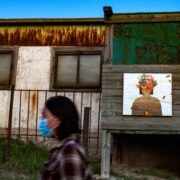
Nomadic Red Corner International
Ulaanbaatar, Mongolia
Nomadic Red Corner International Artist Residency is a collaborative project between the Mongolian Contemporary Art Support Association and Art Space 976+, focused on developing ger districts in Ulaanbaatar through artist residencies, community art projects, and intercultural exchanges. It offers stays in traditional Mongolian gers at the Magic Land Community Center in Bayanzurkh district, with programs including urban residencies in Ulaanbaatar and nomadic trips to rural areas like the Gobi Desert. Artists engage in visual arts, performance, sound, music, media art, dance, and related fields, fostering connections with local communities.
Browse by discipline in Ulaanbaatar
Filter in Ulaanbaatar
Been to a residency in Ulaanbaatar?
Share your review