Artist Residencies in Valencia
8 residenciesin Valencia, Spain
Why artists choose Valencia
Valencia hits a rare mix: Mediterranean light, a real (but not overwhelming) art scene, and costs that are usually kinder than Barcelona or Madrid. It’s big enough for opportunities, small enough that you can actually get work done.
The city leans into contemporary culture, design, and printmaking, with an undercurrent of experimental sound and digital practices. You’ll find museums, independent spaces, artist-run projects, and an increasing number of residencies both in the city and in the wider region.
For many artists, the draw is:
- Quality of life: mild winters, beach access, and compact walkable districts.
- Affordability: rent and daily costs that tend to undercut Spain’s bigger art-market hubs.
- Diverse working contexts: dense urban neighborhoods like Ruzafa/Russafa, the historic center, coastal barrios, and rural retreats in the province.
- International but not hyper-saturated: enough circulation of artists and visitors to feel connected, without the constant churn of a major capital.
If you’re looking for a place where studio time and local life feel balanced, Valencia is a solid candidate.
Key residency options in and around Valencia
Here’s a snapshot of residency programs that regularly bring artists to Valencia and nearby areas, plus who they’re really for.
The Local AIR Valencia
Type: artist-run, self-directed, self-funded residency
Location: Valencia city
Duration: around 1–3 months
The Local AIR is built for artists who don’t want hand-holding, just a functional base and a workshop in the city. It’s project-based: you apply with a proposal and work samples, then use the time to begin, continue, or finish a body of work.
Disciplines accepted include pretty much the full visual spectrum: painting, sculpture, engraving, photography, drawing, illustration, mixed techniques, sound art, installations, comic strips, textile art, performance and dance-related projects, and writing. Curators and art writers are also welcome for research-led stays.
Residency formats typically include:
- Homestay + workshop + events: private room in a shared flat plus access to the workspace and program events.
- Workshop + events only: you arrange your own accommodation and use their workshop like a studio hub.
The homestay rooms tend to be well-equipped (desk, storage, Wi-Fi, shared kitchen and living areas). The live-work and homestay setups are walking distance from the workspace. Accessibility can be limited in some options, so check carefully if you have specific needs.
Who it suits:
- Independent artists who want to work at their own pace without a heavy institutional framework.
- Artists who enjoy city life and want to plug into local culture while keeping a focused studio routine.
- Curators and writers looking for a base to research Valencia’s cultural context.
Because it’s self-funded, you’ll want to line up grants or personal funding. In exchange, you get a lot of autonomy and a straightforward way to experience Valencia as a working artist, not just a visitor.
Curiosibot Lab Artist Residency
Type: residency for musicians, new media artists, and makers
Location: Russafa/Ruzafa, central Valencia
Curiosibot Lab sits in Ruzafa, one of the liveliest creative neighborhoods in Valencia. The focus is clear: music, digital art, interaction, and maker culture. It’s ideal if your practice leans toward sound, electronics, or experimental media rather than traditional studio work.
What you can expect:
- Access to a 110 m² facility geared toward media, music, and interactive projects.
- Technical and creative mentoring for your project.
- A relatively low monthly fee for facility use and mentoring, with the option to add accommodation support at extra cost.
- Help sourcing external housing if you prefer living elsewhere in the city.
The residency actively encourages applications from underrepresented artists, including women, Eastern Europeans, and Ukrainians. Some accessibility limitations exist in the on-site accommodation; if that’s relevant for you, ask about support for alternative housing.
Funding side: it’s self-funded, but the lab points toward mobility schemes such as Culture Moves Europe and Spanish-specific support like ACA. It’s worth structuring your project around those funding cycles if you rely on external support.
Who it suits:
- Sound artists, electronic musicians, and producers wanting focused time with infrastructure.
- New media and interaction artists working with sensors, code, or physical computing.
- Makers and hybrid practitioners who straddle art, design, and tech.
Landing in Ruzafa also means you’re surrounded by galleries, studios, and bars where creative people actually hang out, which makes informal networking easier.
Valencia Print Work Shop Residency
Type: printmaking and artist book residency
Location: Ruzafa/Russafa, Valencia
Duration: roughly 1 week to 2 months
If your practice involves printmaking, book arts, or editioned work, Valencia Print Work Shop is one of the most practical ways to root yourself in the city. The residency is structured around intensive access to a professional print studio and technical guidance.
Program highlights:
- Access to the workshop five days a week, with long daily opening hours.
- Continuous support from an experienced printmaking technician.
- Residency options for individual artists or pairs.
- An event or presentation at the end of the residency to share your work with a local audience.
- Flexible dates and discounted accommodation options for residents.
Ruzafa’s creative density adds a lot here: you can step out of the studio straight into cafés, small galleries, and other art spaces, which makes it easier to meet people and find collaborators.
Who it suits:
- Mid-career printmakers wanting to produce a focused edition or body of work.
- Emerging artists and designers exploring print or book arts for the first time, who need technical backup.
- Artists who want a short, intensive production sprint rather than a long reflective retreat.
Casa Posidonia Artist in Residence Program (Oliva)
Type: housing-in-exchange-for-art program
Location: Oliva, coastal town in the Valencia region
Casa Posidonia is not in Valencia city, but it’s close enough for artists considering the wider region. The model is different from the usual fee-based residency: you receive free, private housing in exchange for original artwork.
The core deal:
- Free private accommodation for the duration of your stay.
- You create at least one artwork that relates to Spain or the local area.
- The piece should roughly match a set value per week of stay, agreed in advance.
This is a good arrangement if you’re comfortable with a barter structure and enjoy working site-specifically. The quieter coastal setting is suitable for reflection, writing, and focused studio work without constant city distractions.
Who it suits:
- Artists interested in place-based projects: landscape, local history, or cultural narratives.
- Those needing low-cost housing more than institutional programming.
- Artists who are comfortable assigning a monetary value to their work and negotiating that clearly.
Vilarcangel Artist Residency & Ecomuseum (near Valencia)
Type: rural international artist residency
Location: Orange plantation near the Júcar river, accessible from Valencia via Sueca
Vilarcangel combines residency life with an ecomuseum setting. The environment is rural and meditative: fertile land, an orange plantation, and proximity to the river. The focus is on the human condition, ecology, and spirituality, making it appealing if your work leans into those themes.
What to expect:
- A slower pace and space to think, read, and experiment.
- Direct contact with nature and agricultural rhythms.
- Pickup options from nearby Sueca if you travel by train from Valencia.
Who it suits:
- Artists working with ecological, spiritual, or land-based practices.
- Those wanting a clear break from city life, but still within reach of Valencia for occasional visits.
- Research-driven artists who need time and quiet rather than constant events.
Choosing your neighborhood and daily life setup
Once you know your residency, the next layer is how you actually want to live day to day.
City neighborhoods artists gravitate toward
Ruzafa / Russafa
This is one of the most active creative districts. It’s where Valencia Print Work Shop and Curiosibot Lab are based, and it’s filled with studios, music venues, independent shops, and cafés. Rent can be higher than in outer districts, but the convenience and community are strong.
El Carmen / Ciutat Vella
The historic center, with narrow streets, plazas, and plenty of cultural institutions. You’ll be close to museums and galleries and can often walk everywhere. It’s more touristy, so expect a mix of local life and visitor traffic.
Ensanche / Eixample
Central and well-connected, with more conventional apartment buildings and services. It’s comfortable, sometimes pricier, and good if you want easy access to both Ruzafa and the historic center.
Cabanyal / Canyamelar
Near the beach, with strong local character and a more residential feel. It attracts artists who want sea air and a bit more space. You’ll need to factor in tram or bike time if your residency is in the center.
Benimaclet, Patraix, and outer areas
Often cheaper, with a mix of students, families, and creatives. Benimaclet in particular has an alternative, international energy and can be a good base if you’re sensitive to costs.
Cost of living and budgeting
Compared with Madrid or Barcelona, Valencia is generally more manageable, but costs vary by neighborhood and season.
For residency stays, the main budget lines are:
- Accommodation: homestay or live-work options can simplify things, but check what’s included (utilities, Wi-Fi, cleaning).
- Studio or facility fees: some residencies bundle this with housing; others treat it separately.
- Transport: central locations often mean you can walk or bike and keep this low.
- Materials: specialty supplies can be more expensive or harder to find; factor shipping or local sourcing.
If your residency is self-funded, try to map your full monthly costs in advance and match them to external grants or saved funds. Residencies like The Local AIR and Curiosibot often work well with mobility grants that support travel and project expenses.
Working, moving, and staying legal
Studios, workshops, and where work actually happens
Many artists use the residency’s facilities as their main studio. In Valencia, that can look like:
- Shared workshops such as Valencia Print Work Shop, with presses and book-arts equipment.
- Media labs like Curiosibot, set up for sound, digital, and interactive projects.
- Residency workshops at The Local AIR, which function as flexible studio zones.
Beyond residencies, the city has independent studios and maker spaces that you can sometimes access monthly. If you’re staying long-term, asking your residency host or fellow artists often leads to smaller, less-publicized spaces that suit extended stays.
Getting around Valencia and to rural residencies
Valencia is compact, which works in your favor:
- Airport: Valencia Airport connects to the city by metro and taxi.
- Trains: Two main train stations link you to Madrid, Barcelona, and smaller towns. For places like Vilarcangel, you typically go via Valencia to Sueca and get picked up.
- Within the city: a mixed system of metro, trams, buses, and taxis sits on top of very walkable central districts and good bike lanes.
If your residency is in Ruzafa, Ciutat Vella, or nearby, you can often rely on walking and a secondhand bike. Beach neighborhoods and outer districts may require a transport card or regular cycling routes, which is still manageable thanks to fairly flat terrain.
Visa basics for residency stays
Visa needs vary by nationality, but a few general patterns apply.
EU/EEA/Swiss artists can usually travel and reside in Spain with minimal bureaucracy, though longer stays may involve local registration.
Non-EU artists typically need to check:
- Short-stay Schengen options for stays up to 90 days in a 180-day window.
- Longer-stay visas if your residency or project runs beyond that.
- Self-employment or other long-term categories if you plan a more permanent move.
Most residencies around Valencia do not automatically handle visa paperwork. What they can often do is provide:
- Official acceptance letters.
- Proof of accommodation.
- Basic project descriptions for your application.
If you’re outside Europe, build extra time into your planning to secure documentation and appointments. When researching residencies, always ask what kind of paperwork they can issue and how early you’ll receive it.
Matching your practice to the right Valencia residency
To narrow down choices, it helps to think in terms of what kind of work you need to do right now.
- Self-directed contemporary practice in the city: The Local AIR Valencia gives you urban context, independence, and project-based focus.
- Music, sound, and digital projects: Curiosibot Lab is designed for media and interaction, plus you get the energy of Ruzafa.
- Printmaking and book arts: Valencia Print Work Shop is geared toward intensive production and technical growth.
- Ecology, spirituality, and rural immersion: Vilarcangel offers time and land-based context near Valencia.
- Low-cost, coastal housing in exchange for work: Casa Posidonia in Oliva trades private housing for artwork linked to place.
If you map your current priorities—production versus research, city versus rural, solo work versus technical support—you can usually see which program lines up fastest. Once that’s clear, the rest becomes practical logistics: budget, visa, and how long you want to stay.

Curiosibot Lab (Curiosibot SL)
Valencia, Spain
Curiosibot Lab in Valencia, Spain, offers artist residencies for creatives in media, music, interaction, and sound art, with a focus on integrating AI tools for music production and sound design. The program provides on-site accommodation, workspace, mentoring, technical training, and for funded editions like the CREAte Music Residency, includes travel and daily allowances. It caters especially to Europe-based musicians, female and underrepresented applicants, with self-funded options also available.
Curiosibot Lab (Curiosibot SL)
Valencia, Spain
Curiosibot Lab in Valencia, Spain, offers artist residencies for creatives in media, music, interaction, and sound art, with a focus on integrating AI tools for music production and sound design. The program provides on-site accommodation, workspace, mentoring, technical training, and for funded editions like the CREAte Music Residency, includes travel and daily allowances. It caters especially to Europe-based musicians, female and underrepresented applicants, with self-funded options also available.
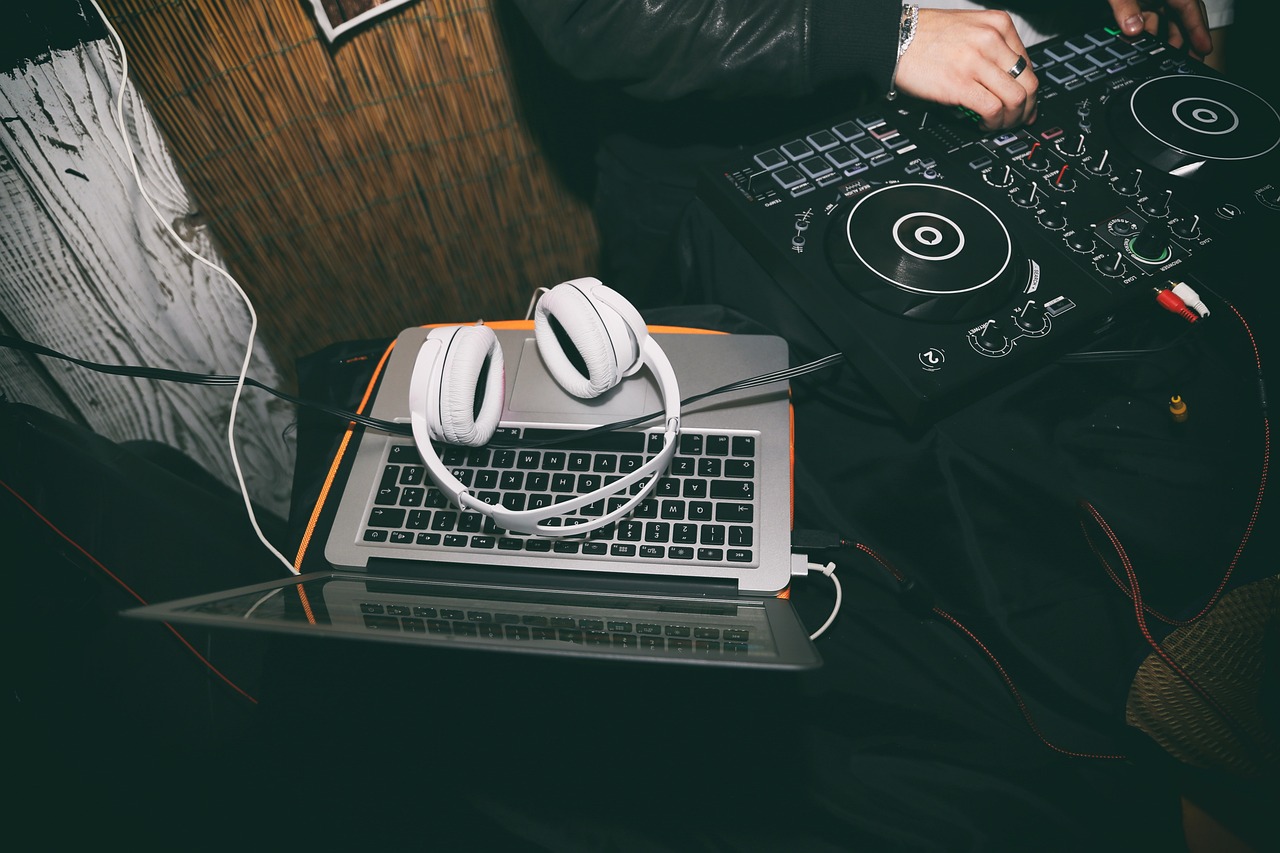
Residency for Musicians, Makers, and New Media Artists
VALENCIA, Spain
Curiosibot Lab in Valencia offers residencies for musicians, sound artists, and new media creatives, blending art and AI with mentoring and training sessions.
Residency for Musicians, Makers, and New Media Artists
VALENCIA, Spain
Curiosibot Lab in Valencia offers residencies for musicians, sound artists, and new media creatives, blending art and AI with mentoring and training sessions.
The Local AIR Valencia
Valencia, Spain
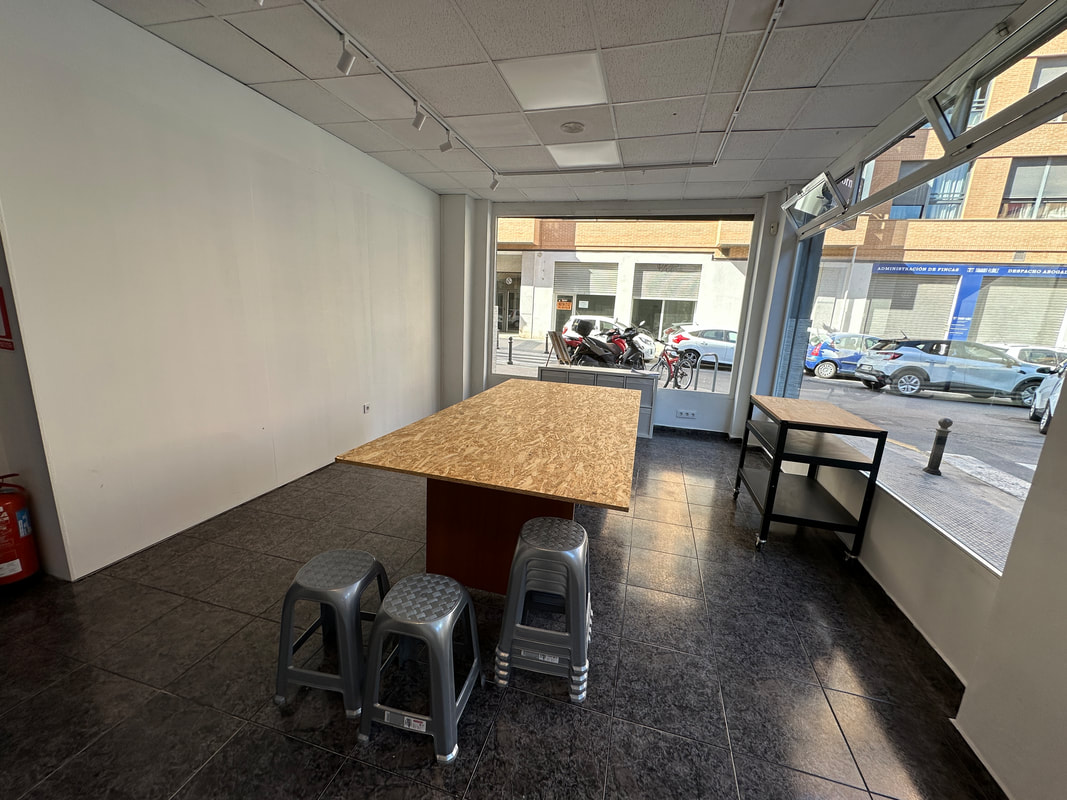
The Local AIR Valencia connects artists with the vibrant Valencian culture and arts scene while supporting them through their creative processes. Located in the heart of Valencia, the residency offers artists an inspiring environment to focus on their work, engage with the local art community, and develop their practice. Participants benefit from a Residency/City Introduction, weekly meetings in Virtual Studio Group, and International Virtual Artist Talks
The Local AIR Valencia
Valencia, Spain
The Local AIR Valencia connects artists with the vibrant Valencian culture and arts scene while supporting them through their creative processes. Located in the heart of Valencia, the residency offers artists an inspiring environment to focus on their work, engage with the local art community, and develop their practice. Participants benefit from a Residency/City Introduction, weekly meetings in Virtual Studio Group, and International Virtual Artist Talks

VOJEXT S+T+ARTS
Valencia, Spain
The VOJEXT S+T+ARTS artist residency program offers collaborative projects for artists to explore human-robot interactions in manufacturing, construction, arts, crafts, and architecture, hosted primarily by Robotnik in Spain and one in Italy. Selected artists receive up to 30,000 Euros funding, mentoring from Waag Futurelab, and access to robotics labs for 9-month residencies from March to December , focusing on art-driven innovation. It aligns with the European S+T+ARTS initiative and VOJEXT Horizon project to integrate artistic perspectives into robotics technology development.
VOJEXT S+T+ARTS
Valencia, Spain
The VOJEXT S+T+ARTS artist residency program offers collaborative projects for artists to explore human-robot interactions in manufacturing, construction, arts, crafts, and architecture, hosted primarily by Robotnik in Spain and one in Italy. Selected artists receive up to 30,000 Euros funding, mentoring from Waag Futurelab, and access to robotics labs for 9-month residencies from March to December , focusing on art-driven innovation. It aligns with the European S+T+ARTS initiative and VOJEXT Horizon project to integrate artistic perspectives into robotics technology development.
Browse by discipline in Valencia
Filter in Valencia
Been to a residency in Valencia?
Share your review