Artist Residencies in Vatra Dornei
1 residencyin Vatra Dornei, Romania
Why Vatra Dornei works as a residency base
Vatra Dornei is a small spa and mountain town in Suceava County, Bucovina, Romania. It attracts artists less for a big gallery circuit and more for three things: quiet, landscape, and a strong regional identity. Think slow tempo, walkable streets, forested hills, and an everyday life that doesn’t distract too much from studio work.
The town sits in the Carpathian Mountains and has a long history as a spa resort. That brings a mix of old hotels, park architecture, and slightly faded grandeur alongside contemporary everyday life. If your work feeds off layered histories, slightly off-season tourist spaces, or mountain light, this setting tends to be fertile.
In practice, artists use Vatra Dornei for:
- Production-heavy periods for painting, drawing, print prep, and studio experiments
- Writing and research, especially for projects tied to landscape, memory, or local culture
- Photography and video, with easy access to forests, slopes, and small-town streets
- Interdisciplinary projects that need solitude but still want some community contact
- Small group residencies where 2–4 artists share space and occasionally show work locally
The pace is significantly slower than Bucharest or Cluj-Napoca. That can be a relief if you need to reset and produce, but it also means you are building your own rhythm; there’s no nonstop event calendar pulling you out of the studio.
Bucovina context: why the region matters for your work
Vatra Dornei sits in Bucovina, a region known for painted monasteries, folk ornament, woodwork, textiles, and layered cultural histories. You get access not just to scenery, but to a visual language that has been refined for centuries in local craft and religious art.
For artists, this can translate into:
- Material research: carved wood, painted exteriors, textiles, ceramics, and market objects
- Motifs and pattern: repetitive ornament, narrative murals, and color palettes from monasteries and rural houses
- Community-oriented work: projects that involve talking to craftspeople, elders, or local creatives
- Context for critical projects: work on heritage, preservation, tourism, or regional identity
If your practice includes fieldwork, walking, and talking, Vatra Dornei can function as a base while you move around the wider Bucovina region on day trips. Expect a mix of Orthodox religious sites, rural landscapes, and post-socialist infrastructure.
The core residency: Casa de Creație / Zidul de hârtie
The clearest established program in Vatra Dornei is the residency connected to the group Zidul de hârtie, often listed as Casa de Creație or Casa de Creatie Gavril Cacina.
What the residency offers
Based on the TransArtists and related listings, the residency is built as a small, artist-friendly base connected with local cultural life in Bucovina.
Key features:
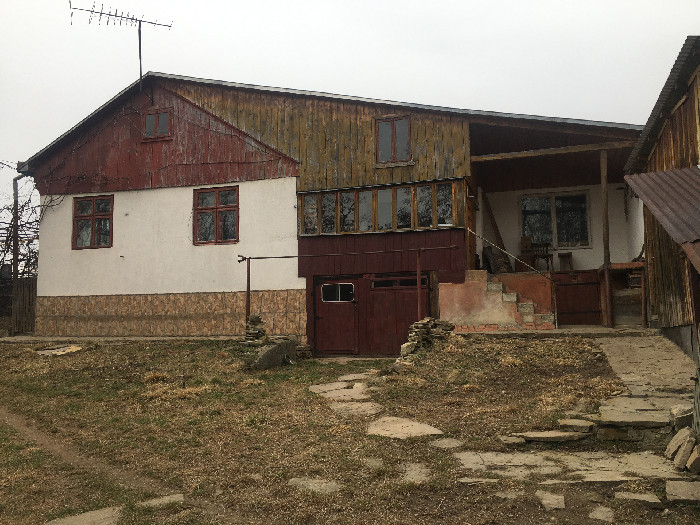
- Location: a former painter’s house on a quiet downtown street, close to a forested slope but also in easy walking distance to the town center, park, shops, restaurants, open market, ATMs, banks, and the train station.
- Accommodation:
- Main house: an upper-floor, two-room apartment with kitchen, bathroom, terrace, and Wi‑Fi.
- Garden option: a newer small wooden house in a fruit garden, with a room, bathroom, kitchenette, and open terrace, sometimes described as having a lake view.
- Capacity: around 3–4 guests at a time, which keeps the atmosphere intimate and manageable.
- Studio space: a large studio can be arranged in an old barn on the property; basic working tools are available.
- Presentation: the team can help arrange exhibitions, readings, or events in town galleries or cultural centers.
- Cost: listings mention a suggested artist contribution of about 10 euro per night, which is low by residency standards. Always confirm the current rate with the organizers.
Who this residency suits
This setup tends to fit artists who:
- Work in painting, drawing, photography, or text-based practices
- Need quiet, affordable accommodation with basic studio space rather than industrial facilities
- Can bring or source their own specialized materials
- Enjoy small-scale social environments where conversation happens around a kitchen table or garden, not at big openings every night
- Want some connection to local institutions and artists, but don’t need a heavy curatorial framework
If you need a printmaking workshop, ceramics kiln, fully equipped metal shop, or advanced media lab, you will likely need to pair this residency with other facilities in larger Romanian cities, or plan the Vatra Dornei stay as a research/writing/early-development phase.
Working conditions: studios, tools, and daily rhythm
The main working environment is that barn studio plus whatever you set up in your living space. Think flexible, not industrial.
Good fits:
- Painting and drawing on small to medium formats
- Collage, mixed media, and portable installation using locally sourced materials
- Writing and translation, especially with Wi‑Fi and quiet streets
- Photography and video, using the town and surrounding landscape as a site
- Fieldwork-based practices: interviews, walking, mapping, sound recording
Less ideal without additional planning:
- Large-scale sculpture needing heavy lifting equipment
- Ceramics requiring kilns
- Complex printmaking without portable presses or external studios
- High-end sound or film production that needs specialized studios
The rhythm here is mostly self-directed. There is no heavy institutional schedule. That can be incredibly productive if you set your own structure well: morning studio sessions, afternoon walks in the forest or park, evenings for reading or editing. If you rely on external deadlines and regular events to stay active, plan project milestones with the residency organizers or peers to keep your momentum.
The town itself: layout, neighborhoods, and useful areas
Vatra Dornei is compact. That is one of its main strengths for artists.
Downtown and central park
This is the main zone where life clusters:
- Central park and spa buildings: good for sketching, photography, or simply resetting your eyes between studio sessions. Expect older resort architecture, trees, and people strolling.
- Cafés and small restaurants: useful if you work better with occasional laptop sessions outside the residency or need meeting spots with locals.
- Shops and services: supermarkets, bakeries, banks, ATMs, post office, and pharmacies, all generally within walking distance of the residency house.
Forest edge and slopes
The residency is described as being close to a forest on a moderate mountain slope, while still only a short walk from town. That combination is ideal if your work uses walking as a method.
You can design simple routines around:
- Daily walks into the forest for sketching, photography, or sound recording
- Collecting plant references, textures, or color palettes
- Using elevation shifts to reset your body after long hours of studio work
Markets and everyday life
The open local market is a strong source of visual and material research. It is where you see packaging, vegetables, tools, textiles, and informal interactions. If your practice leans into social documentation, this space offers more than any official art venue in town.
Cost of living and budgeting for a stay
Compared with major European cities, Vatra Dornei is relatively affordable. Even within Romania, costs are generally lower than in Bucharest or other big centers.
Typical categories to plan for:
- Residency or lodging fee: Casa de Creație references a suggested contribution around 10 euro per night, but confirm the current rate and what it covers (utilities, Wi‑Fi, studio access).
- Food: you can keep costs low by cooking at home with ingredients from supermarkets and markets. Eating out is usually cheaper than in Western Europe but still adds up if done daily.
- Local transport: if you stay centrally, most daily needs are walkable. Budget for occasional taxis or buses if you plan small trips.
- Materials: basic supplies may be available locally, but specialized art materials are often easier to bring with you or source in larger Romanian cities.
- Regional trips: visiting monasteries, villages, or other towns in Bucovina may require train, bus, or car rental costs.
If you are used to high-rent cities, the relative affordability can free up mental and financial space to take more risks in your work.
Local art life, audiences, and possible collaborations
Vatra Dornei is not a major contemporary art hub, which shapes the kind of art life you will find. Instead of a packed gallery map, you get small institutions, cultural centers, and individual artists or groups.
City galleries and cultural centers
The residency listings mention that exhibitions, readings, and art events can be arranged in city galleries or cultural centers. Names and exact spaces change, so ask the organizers:
- Which venues they currently collaborate with
- What formats are realistic: small solo show, group show, talk, workshop, reading, screening
- What technical support these venues provide (projectors, sound, hanging systems)
- How they communicate events to local audiences
Think of presentations here as intimate and process-oriented rather than high-stakes market-facing exhibitions. That can be freeing; you can test an idea with a local audience before bringing it to larger cities.
Connections across Romania
Vatra Dornei is part of a broader residency ecosystem in Romania that includes programs in Bucharest and numerous rural or small-town contexts. Some residencies focus on emerging artists, some on specific disciplines, some on community and heritage. Even though you may be based in Vatra Dornei, it is worth using your time to map potential future connections elsewhere in the country.
Useful steps:
- Browse residency databases like TransArtists, Res Artis, or AIR_J for other Romanian programs.
- Ask the Vatra Dornei organizers which programs they respect or regularly exchange with.
- Plan short trips to larger cities during or after your stay if you want to connect with galleries and institutions.
Transportation: getting there and getting around
Vatra Dornei is reachable by both rail and road. The residency house being close to the train station makes train travel especially practical.
Arriving in Romania and reaching Vatra Dornei
A typical route is:
- Fly or arrive by international train or bus to a larger Romanian city (often Bucharest or a regional hub like Suceava).
- Continue by domestic train or bus to Vatra Dornei.
- Walk or take a short taxi ride from the station to the residency.
Train travel within Romania can be slower than high-speed networks elsewhere, but it is generally reliable, and the route through the Carpathians can be visually rewarding.
Moving around locally
Inside Vatra Dornei, walking is usually enough:
- Residency to supermarket or market
- Residency to central park and cafés
- Residency to train station and bus stops
- Residency to nearby forest paths
For regional research trips, you can mix trains, buses, and occasional taxi or car rentals. If you plan intensive fieldwork in remote villages or multiple monastery visits, clarify realistic travel options with the residency hosts; they often know dependable local drivers and routes.
Visa and paperwork basics
Romania is part of the European Union. Visa rules depend on your nationality and the length and purpose of your stay.
General outlines:
- EU/EEA/Swiss citizens: benefit from freedom of movement and can generally stay for extended periods, subject to registration rules that vary by duration.
- Non-EU citizens: often enter on a short-stay visa or visa-exempt regime for a limited number of days within a set period; longer or repeated stays may require specific visas or permits.
For a residency stay, always check current official guidance for Romania prior to applying or booking travel.
Questions to send the residency organizers:
- Can they issue an official invitation letter for visa purposes?
- Do they provide a signed residency agreement that states dates, purpose, and accommodation details?
- Are there any local registration steps on arrival?
- Do previous residents from your country typically need a visa?
Having clear documentation makes border crossings and administrative checks smoother, especially if you carry tools, artworks, or equipment.
Seasonality: choosing when to be there
As a mountain and spa town, Vatra Dornei shifts character with the seasons. That shift can be an asset for your project if you align your stay with your needs.
Spring and early summer
Pros:
- Milder temperatures, easier walking and fieldwork
- Greening forests and more varied plant life for visual research
- Balanced mix of quiet and some seasonal activity in town
Good for landscape-based work, photography, and community engagement.
High summer
Pros:
- Longer daylight hours for outdoor working
- More visitors in town, which can be useful if you like observing or including tourism dynamics
Potential challenges include warmer temperatures in the studio and more noise at peak times, depending on the exact location.
Autumn
Pros:
- Strong light and color shifts in the forests
- Quieter atmosphere as tourist waves thin out
- Good balance for intensive studio work and reflective walks
Winter
Pros:
- Snowy landscapes and a more introspective feeling
- Strong visual motifs: fog, bare trees, ski slopes
- Natural pressure to work indoors and focus deeply
Be ready for colder temperatures, shorter days, and possible travel delays. If you thrive in retreat-like conditions, winter can be extremely productive.
What kind of artist thrives in Vatra Dornei
This town tends to be a great fit if you are:
- Process-oriented: you value production and reflection time more than constant events.
- Comfortable with modest infrastructure: you can adapt to basic studios and make your own systems.
- Interested in regional culture: Bucovina’s craft and religious heritage can feed both research and visual language.
- Open to small communities: you are happy to interact with a small group of fellow residents and local organizers rather than a big art crowd.
It may be less ideal if your priority is:
- Network-heavy residencies with constant studio visits by curators and gallerists
- Access to large-scale fabrication facilities
- A dense nightlife or club scene
Preparing for an application or stay
If Vatra Dornei sounds aligned with your practice, a few preparation steps can make your residency stronger.
Before applying or confirming dates, consider asking the host:
- How many residents they host at once and what the typical mix of disciplines is
- What current nightly or monthly contribution they ask and what is included
- What exact studio spaces are available and how they can be adapted
- Which local galleries, cultural centers, or institutions they usually collaborate with
- Whether they expect a public presentation, workshop, or open studio
- How they support international residents with logistics and orientation
On your side, it helps to arrive with:
- A clear but flexible project idea that can respond to the town and region
- A realistic list of materials and tools you will bring versus source locally
- Some reading or visual references on Bucovina, painted monasteries, and regional history
- Basic phrases in Romanian, or at least familiarity with the sound of the language
Treated as a focused work period rooted in a specific place, Vatra Dornei can give you exactly what many bigger-city residencies struggle to provide: calm, continuity, and the mental space to let a project grow from sketch to something substantial.
Filter in Vatra Dornei
Been to a residency in Vatra Dornei?
Share your review