Artist Residencies in Vienna
6 residenciesin Vienna, Austria
Why artists choose Vienna for residencies
Vienna has a particular mix that works well for residencies: heavyweight museums, an active contemporary scene, and a city structure that makes daily life manageable while you work. You get strong institutional context without the burnout energy of bigger, more expensive cities.
You can expect:
- Deep art infrastructure: institutions like mumok, Belvedere, Albertina, MAK, Kunsthalle Wien, Secession, and the broader MuseumsQuartier ecosystem.
- Contemporary networks: galleries and artist-run spaces concentrated in the 1st, 2nd, 7th, 8th, 15th, and 20th districts.
- Central European position: easy access and strong connections to Central and Eastern Europe; this shows up in the focus of several residencies.
- Livable city: reliable public transport, walkable neighborhoods, a lot of green space, and a pace that usually allows you to actually be in the studio.
If you use a Vienna residency well, you can:
- build research around museum collections, archives, and libraries,
- develop contacts with curators, galleries, and peers across Europe,
- test work in exhibition, performance, or public programs,
- use the city as a base to connect with neighboring art scenes.
Key residencies in Vienna and who they’re for
Vienna’s residencies differ a lot in structure and vibe. Some feel like mini-institutions, others like intimate project spaces, some like short bursts of production time. Here’s what you can expect from the main programs many artists look at first.
MuseumsQuartier Wien – MQ Artists-in-Residence
What it is: The MQ Artists-in-Residence program is one of the largest and most visible residency structures in Vienna. Around 60 international artists per year live and work in eight studio apartments inside the MuseumsQuartier complex.
Why it matters: The MQ is an institutional cluster with mumok, Kunsthalle Wien, Architekturzentrum Wien, the Leopold Museum, and more within a few minutes’ walk. Being based here plugs you straight into a dense contemporary and historical context.
Good for you if you want:
- a city-center live/work base,
- exposure to an international arts audience,
- proximity to major institutions and events,
- structured exchange with Vienna’s cultural scene.
How it’s structured: MQ runs the platform, but individual residency slots often come through partner organizations. One example is the ERSTE Foundation program run with tranzit and others, which focuses on artists and curators from Croatia, Czech Republic, Hungary, Romania, Slovakia, Slovenia, and, in recent calls, an additional place for an artist from Ukraine. Those residencies are research-oriented and aim to give space away from production pressure.
How to approach it: When you apply through partner networks, be specific about how you’ll use Vienna: research in particular collections, dialogue with critical and curatorial scenes, or regional connections. The program is usually more about depth of engagement than fast production.
studio das weisse haus
What it is: A residency and studio program founded in 2013 by Kunstverein das weisse haus. It has become a solid reference in Vienna for research-focused stays.
Core idea: support an international artist with a two-month stay in Vienna to work on an ongoing research project. The emphasis is clear: you arrive with something already in motion and expand it in the Viennese context.
What it offers:
- around two months in Vienna,
- studio access,
- a curated program with exhibition possibilities, studio visits, and at least one excursion,
- ongoing support from the residency team.
Selection focus: your topic, your work plan, and a convincing explanation of why you need Vienna specifically. They expect a portfolio, CV, and project presentation; the quality and clarity of the concept carries a lot of weight.
Good for you if you want:
- a structured research residency with feedback and visibility,
- time to build or refine a body of work or theory,
- contact with curators, theorists, and peers through an organized program.
Galerie Krinzinger – Residency Vienna
What it is: A gallery-linked Artist-in-Residence program established in 2002 by Galerie Krinzinger, one of Vienna’s better-known galleries.
Focus: enable artists to work outside their own cultural context without having to finance their stay and to foster exchange with colleagues from other cultures. The residency framework links different generations of residents through the shared location and context.
Good for you if you want:
- a residency that’s clearly connected to a commercial gallery and its network,
- long-term professional relationships beyond the residency period,
- an established program with a strong history of participants.
How to approach it: This is a good fit if your practice already has some traction and you’re ready for deeper engagement with the gallery ecosystem. Think about how your work sits within or expands the gallery’s program when you frame a proposal.
PART International Art Residency Austria
What it is: An international residency based in the historic Pavillons des Amateurs in Vienna’s Prater Park. PART is designed around experimentation, exchange, and public engagement.
Spaces: The program operates through three connected spaces – THE HALL, BAR DES AMATEURS, and PORTICO. These function as production studios, exhibition and performance venues, and gathering points for residents and the public.
What it offers:
- curatorial support for your project,
- mentorship and feedback opportunities,
- chances to present work, host workshops, or test formats,
- a community of artists, curators, and scholars working across disciplines.
Location advantage: Prater Park is green and relatively quiet, with centuries-old trees and protected green space, but you’re still close to central institutions. It’s good for combining concentrated studio time with quick access to events and openings.
Good for you if you want:
- to think across disciplines and theory/practice,
- public-facing formats and experimentation with audiences,
- a residency that encourages collaboration and conversation rather than solitary isolation.
You can find more details about the residency structure and spaces on the PART website: partresidency.at.
SOON Artist in Residency (Soon Art Studio)
What it is: A short-term residency operated by Soon Art Studio in Vienna, designed to support both emerging and established artists with compact, focused stays.
Typical format:
- 2, 3, or 4-week residencies,
- a dedicated workspace or atelier-style apartment,
- support for a range of media: painting, photography, film/video/new media, mixed media, drawing, sculpture, and craft-based practice.
Good for you if you want:
- a short, intense production block,
- to test Vienna as a working base without committing to a long stay,
- a clear deliverable: new works, a small project, or a focused research chapter.
Status note: The program announced a one-year pause, with applications reopening at the end of 2026. Always check the current status on Soon Art Studio’s website or listings on platforms like Res Artis and TransArtists before planning around it.
Where you’ll actually live and work
When you’re on residency, your neighborhood and commute matter as much as the program itself. Vienna’s districts each have a slightly different energy and price level.
Districts artists often use
1st District (Innere Stadt)
- Home to the Hofburg, major museums, parts of the Belvedere complex, and many galleries.
- Very central and usually expensive to live in privately.
- Great if your residency is at the MuseumsQuartier and you want to walk almost everywhere.
7th District (Neubau)
- One of the key contemporary-art districts and right next to the MuseumsQuartier.
- Many galleries, design shops, and project spaces; lots of openings and events.
- Feels like a good base if you want a mix of studio work, café time, and exhibition visits.
8th District (Josefstadt)
- Residential but central, with quick access to art venues and institutions.
- A good compromise if you want calm streets but short commutes.
2nd District (Leopoldstadt)
- Covers areas near the Danube Canal and the Prater park.
- Relevant for residencies and studios around the Prater, including PART.
- Mix of local life, newer creative spaces, and green areas.
15th District (Rudolfsheim-Fünfhaus)
- More affordable than the center, with a growing creative presence.
- Convenient if you want space and lower rent, and you don’t mind a short U-Bahn ride.
20th District (Brigittenau)
- Often a practical choice for artists on a tighter budget.
- Still reachable by public transport in reasonable time.
Residencies often pre-select your location. If you have any choice in housing, ask directly how long the commute is to your studio, MQ, or your main institutions.
Cost of living basics
Vienna is generally cheaper than London or Paris but not low-cost. A realistic modest budget is often around €1,200–€2,000 per month, depending on housing and lifestyle. For residencies that include accommodation and sometimes a stipend, this drops a lot.
Key costs to keep in mind:
- Housing: biggest variable; central districts cost more, and utilities may or may not be included.
- Food: supermarket shopping is manageable; eating out frequently adds up.
- Transport: monthly passes are reasonable; if you’re central, you might rely mostly on walking.
- Materials and printing: can be similar to other Western European cities; factor this into your project budget if your residency doesn’t cover it.
Residencies are attractive partially because they bundle studio and accommodation and sometimes offer stipends. Always read the fine print: what is covered, what isn’t, and how you’re expected to handle material costs.
Working, moving, and connecting while in Vienna
A good residency stay in Vienna usually combines three strands: studio work, research, and social/professional connection. The city is set up in a way that makes all three possible in one day, if you plan it.
Transport: how you’ll get around
Vienna’s transport system is one of its big advantages for artists in residence. You can live a bit further out and still be at MQ or a gallery cluster quickly.
- U-Bahn: fast, reliable metro system, especially useful for crossing districts.
- Trams and buses: fill in the gaps and often give you more of a sense of the city than the metro.
- S-Bahn: regional trains useful if you’re coming in from the outer neighborhoods.
- Walking: central Vienna is very walkable; MQ, Neubau, and the Innere Stadt are easy to traverse on foot.
- Cycling: widely used; helpful in warmer months for hopping between studios, openings, and home.
For most residencies, you won’t need a car. Check if your program gives you any transport card or discount; if not, factor a monthly pass into your budget.
Institutions and spaces you’ll keep returning to
Different residencies will plug you into different parts of the scene, but certain places become common reference points for many artists working in Vienna.
- MuseumsQuartier (MQ): anchor for residencies, exhibitions, and events. Even if you’re not staying there, you’ll likely attend openings, talks, and performances.
- Secession: important exhibition venue with a strong program; good to follow for how artists present larger projects in Vienna.
- Kunsthalle Wien: key venue for contemporary and discursive shows; useful if your work is conceptual, political, or research-heavy.
- mumok, MAK, Belvedere 21: institutions you may use for research, reference, and context for your own work.
- Galleries in Neubau and central districts: keep an eye on clustered opening nights; visiting regularly helps you understand how your practice might fit into local conversations.
- Residency hubs: spaces like studio das weisse haus, PART, or the MQ studios themselves often host open studios, talks, and informal gatherings.
If your project involves archives or libraries, ask your residency if they can help with letters or contacts to support access. Vienna’s collections are rich, but institutional doors open faster with context.
Community, open studios, and events
You can think of Vienna’s art community as overlapping circles: big institutions, the gallery scene, project spaces, and temporary residency cohorts.
Typical ways to plug in:
- Open studios: many residencies organize open days; use these to test how you talk about your work and to meet curators, writers, and fellow artists.
- Project-space nights: follow independent spaces on social media or mailing lists; they often host experimental events, readings, and performances.
- Talks and lectures: institutions and art schools host discussions, crit sessions, and presentations that can be very useful for research-based practices.
- Art fair and cluster events: events like Vienna Contemporary pull in international visitors; if your residency overlaps with major events, plan your visibility and networking accordingly.
Residencies such as studio das weisse haus and PART often build peer exchange into the program, so you’re not starting from zero. Use that structure early; don’t wait until your final week to connect.
Visas, timing, and how to choose a residency
Practicalities can quietly shape your entire experience, so it helps to think about visas, timing, and the type of residency that fits your practice before you start applying.
Visa basics
EU/EEA/Swiss artists: staying in Vienna for a residency is usually straightforward; you can live and work in Austria under freedom of movement rules, though longer stays may involve local registration.
Non-EU artists: your requirements depend on how long you stay, what your nationality is, and whether the residency includes payment or employment-like conditions.
- Short residencies may only require a short-stay visa.
- Longer, funded stays can fall into residence permit categories.
- If you receive a stipend, fee, or salary, double-check how that is framed legally.
Always confirm details with the residency and with the Austrian embassy or consulate responsible for your place of residence. Start early; administrative timelines can easily outlast application timelines.
When to come to Vienna
Vienna works for residency life all year, but different seasons support different kinds of work.
- Spring and early autumn: sweet spot for combining studio work with a busy exhibition calendar and pleasant city life.
- Summer: some institutions slow down, but this can be perfect if you want fewer distractions and more time in the studio.
- Winter: better for deep research, writing, or indoor work; shorter days, but strong museum and concert life.
Residency calendars are fixed, so you can’t always choose your season, but if you can indicate a preference, match it to your project: outward-facing work during active periods, inward-focused research during quieter times.
How to choose between Vienna residencies
Each program suits a different type of practice or moment in your career.
- MQ Artists-in-Residence: for broad international visibility, strong institutional context, and central location.
- studio das weisse haus: for a clearly formulated, research-driven project that benefits from curatorial and theoretical dialogue.
- Galerie Krinzinger residency: for artists who want a gallery-linked environment and the possibility of longer-term professional ties.
- PART International Art Residency: for interdisciplinary work, public engagement, and a collaborative community in a green but central setting.
- SOON Artist in Residency: for short, concentrated production phases and testing new work in a compact timeframe.
Regardless of program, your application becomes stronger if you can answer three questions clearly:
- Why Vienna specifically for this project?
- Which local institutions, archives, communities, or contexts will you actively use?
- What will you leave behind: a body of work, a research outcome, a public program, a collaboration?
If you align those answers with the character of each residency, you’ll not only apply more effectively, you’ll also give yourself a much better chance of a productive, grounded stay once you arrive.

ARTcib SciArt Residency
Vienna, Austria
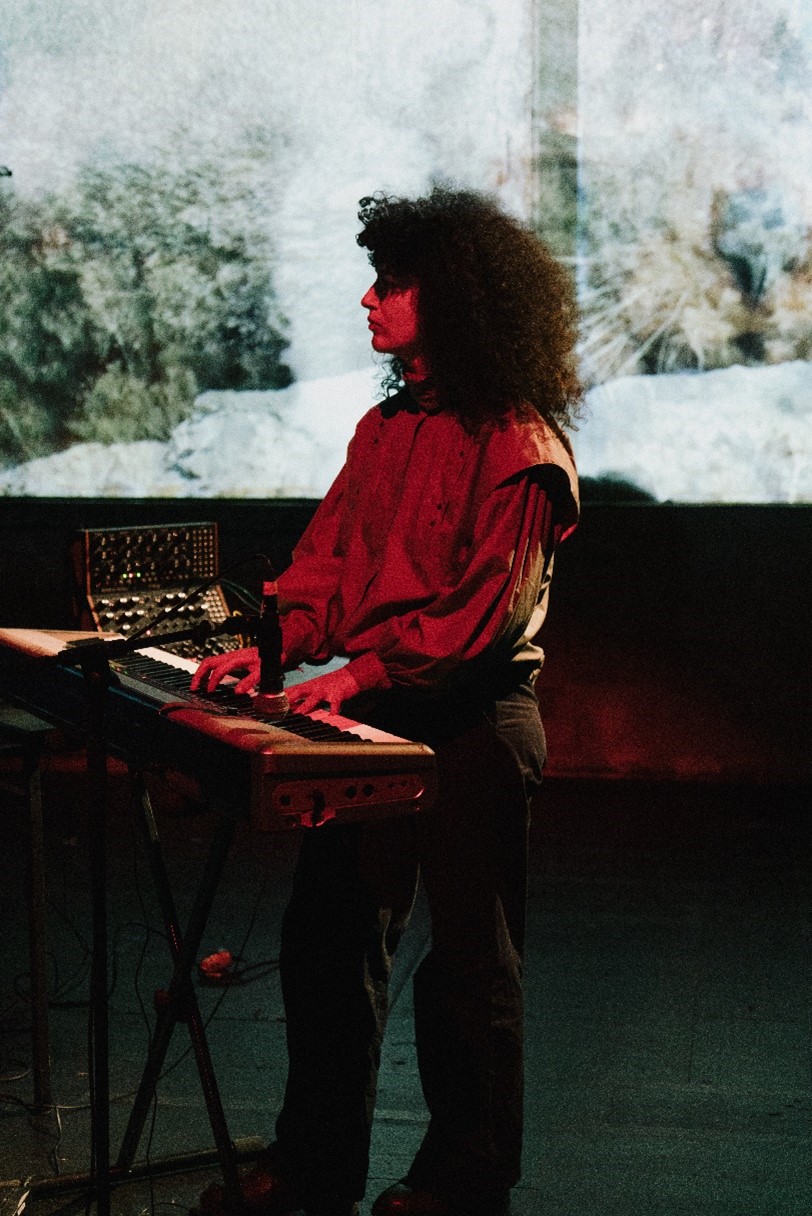
The ARTcib SciArt Residency offers a unique intersection of art and science, hosted by the Austrian Centre of Industrial Biotechnology (acib). This residency invites artists to engage with scientific research across three university groups in Vienna, focusing on microbiology, particularly the transformative capabilities of yeasts and computational modeling. The program supports the creation of an artwork inspired by themes of space art and self-sustaining systems, reflecting ecological and technological explorations.
Caritas Wien/Stadtteilarbeit
Vienna, Austria
The Caritas Wien/Stadtteilarbeit artist residency is part of the 'Kooperativ Ternitz' project, organizing three 10-week Artists-in-Residence programs in spring/summer in the former workers' settlement Dreiersiedlung in Ternitz, Niederösterreich. It invites artists from various disciplines to explore, cooperate, and develop projects supporting the settlement's transformation process, with support from the Caritas Stadtteilarbeit team and local community. Participants receive a net stipend of €2,300, housing, and access to local infrastructure like the Volkshaus.
Design in Gesellschaft (DING)
Vienna, Austria
Design in Gesellschaft (DING) is a studio community located in Vienna’s 20th district, dedicated to fostering innovative design practices within a collaborative environment. Founded on the belief that collective creativity can drive more courageous and joyful advancements in design, DING hosts several workshops and exhibitions around a serene inner courtyard. These activities aim to inspire new perspectives on future possibilities and challenge conventional practices. The residency program welcomes national and international designers, offering a 4-week stay with financial support of 1500€. Residents have access to shared studio facilities, including workshops for wood, metal, 3D printing, and fabric, as well as communal cooking and social spaces. The residency concludes with an exhibition and event showcasing the residents’ work. The program is part of DING’s broader mission to integrate design with societal needs, cooperating with museums, industry, and scientific institutions.
Echo Correspondence
Vienna, Austria
Echo Correspondence, founded in 2022 by Juni-Nyusta Ruckendorfer, is an artist residency and cultural space located in Vienna’s 19th district. The residency occupies the former studio-villa of the renowned artist Wander Bertoni, a space that was originally designed by architect Roland Rainer in the 1950s and later expanded by Johannes Spalt. Echo Correspondence offers a residency program that fosters critical, intercultural exchange and provides artists with the opportunity to engage deeply with the space’s history and architecture. The facility includes a pavilion, gardens, and a villa with two large studios, a living room, a bedroom, a kitchen, and a bathroom. Echo Correspondence supports artists through hands-on curatorial guidance, promoting a diverse and balanced creative environment. The residency also serves as a gallery and community space, hosting exhibitions, workshops, and events.

Soon Art Studio
Vienna, Austria
The Soon Art Studio (Street) Art Residency Program in Vienna, Austria, is designed to support both emerging and established artists by providing them with a dedicated space to create and showcase their work. Our program is designed to support street artists, but we are also open to all art disciplines! Artists can choose from 2, 3, or 4-week residencies, during which they will have the opportunity to focus on their artistic practice in an inspiring
Studio Das Weisse Haus
Vienna, Austria
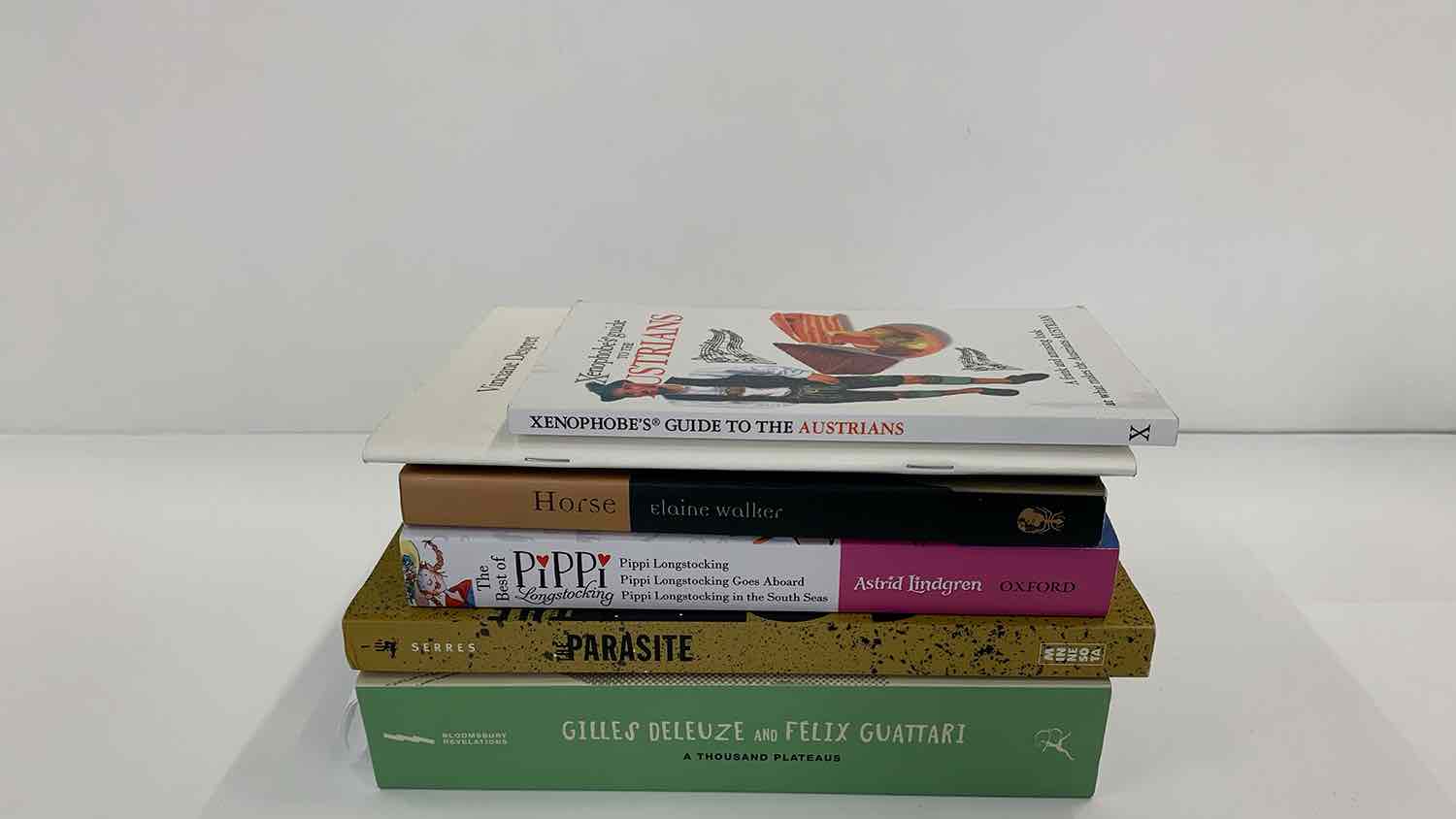
Studio Das Weisse Haus is a residency and studio program in Vienna, Austria, founded in by the art association das weisse haus, offering spaces for international and local artists, curators, theorists, and journalists in fine arts, photography, and media arts. It promotes intercultural and cross-disciplinary exchange through residencies typically lasting 2-4 months, including studio space, housing, stipends or grants, and networking opportunities like open studio days and events. Programs vary, such as public space projects or curator residencies focused on photography.
Browse by discipline in Vienna
Filter in Vienna
Been to a residency in Vienna?
Share your review