Artist Residencies in Vordingborg
1 residencyin Vordingborg, Denmark
Why Vordingborg is worth putting on your residency map
Vordingborg sits on South Zealand, about an hour by train from Copenhagen, and feels a lot more like a working town than a postcard. That’s exactly why it works for residencies: you get real-life surroundings, space to think, and a performing arts ecosystem that’s small but genuinely active.
If you’re used to big-city residencies, Vordingborg will read as slower, quieter, and less network-driven. What you get in return is:
- Time to actually concentrate on your project
- Direct access to a local community instead of a constant industry audience
- Lower day-to-day costs than Copenhagen
- Easy rail links when you do need the capital’s resources
Most artists come here to develop work-in-progress rather than premiere a fully finished piece. The town is especially strong for performing arts, dance, physical theatre, circus, and mixed media performance, thanks to its main residency hub: Pavillon K.
Pavillon K: the residency that anchors the scene
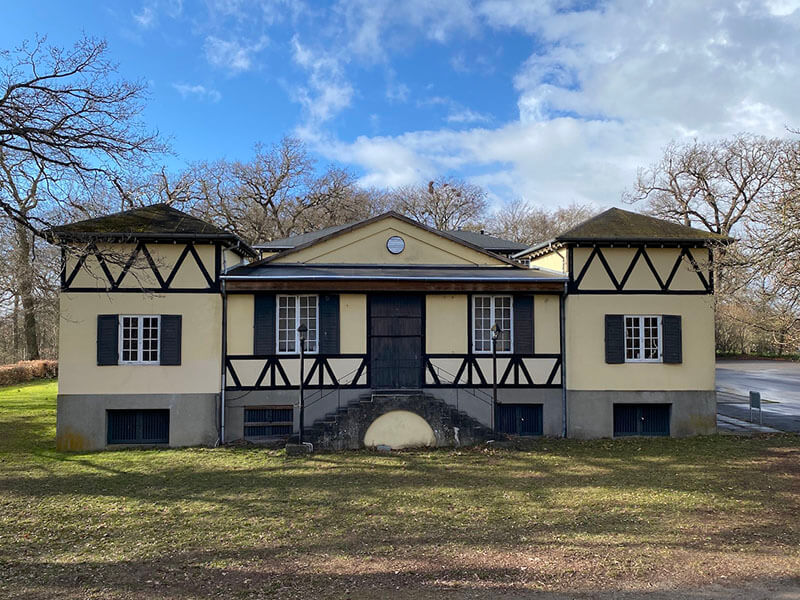
If you’re looking at residencies in Vordingborg, Pavillon K is the one you need to know. It’s an association of around a dozen local performing arts companies working alongside the regional theatre, and it doubles as a venue, festival host, and production space.
Their Artist in Residence Programme is compact and structured, which can be a relief if you’re juggling touring schedules or teaching work around your residency plans.
What Pavillon K actually offers
The core format is a two-week residency in Vordingborg. It’s designed for companies and collectives rather than solo “come and think for six months” stays.
According to the programme description, you can expect:
- Accommodation in a three-room apartment with basic amenities, for up to three residents
- Studio space at Pavillon K for rehearsals, research, and development
- A basic sound and light setup suitable for trying out ideas and small sharings
- Support from local artists and a house technician for technical and practical questions
- Help organizing a public-facing event: an artist talk, workshop, or informal showing of work-in-progress
- A symbolic stipend of 3,000 DKK per artist, for up to three artists
- Travel support (up to a defined cap for domestic and international companies)
It’s not a high-production residency with big budgets, but it does cover a lot of the basics that matter daily: a place to sleep, a place to work, some financial cushion, and a way to meet an audience.
Who Pavillon K is designed for
This residency is geared towards artists who are already in motion with a project and need a focused period to push it forward. It’s especially suitable if you:
- Work in dance, performance, physical theatre, circus, or cross-disciplinary performance
- Like working with a small, tight-knit team
- Want to test material in front of an audience without the pressure of a formal premiere
- Don’t need a fully rigged big-stage technical setup, but do value sound/light support
- Enjoy having peer artists in the same building to talk process with
The programme welcomes companies with a home base in Denmark, companies based elsewhere, and international collectives connected by a shared project. A secondary description highlights a focus on artists around 35 or under, so it’s smart to double-check the current call for any age-related or career-stage criteria.
How to approach a Pavillon K application
Because the residency is short, it helps to be very clear on what you want to do with two weeks. Strong applications tend to show:
- A concrete project at either early-research or mid-development stage
- How Pavillon K’s studio, technical setup, and public event options plug into that project
- Why a smaller-town context and local audience are useful for you
- A realistic plan for what you can actually achieve in that timeframe
You’ll want to outline your technical needs, number of participants, preferred dates, and what kind of dissemination (talk, showing, workshop) you’d like to offer. That last part is not just a box to tick: it shapes how you meet the local community and how they meet your practice.
The broader Vordingborg context: what it’s like to live and work here
Vordingborg is small enough that you’ll quickly get your bearings. You’re not choosing between trendy districts and warehouse zones; you’re basically choosing between being:
- Close to the center and train station
- Close to your studio or residency venue
- Near the waterfront and older parts of town for walks and daily decompression
Day to day, that means less commute time and more studio time. Most errands can be handled on foot or by bike, especially if your accommodation is tied to the residency.
Cost of living and budgeting
Denmark in general is not cheap, but Vordingborg is friendlier on the wallet than Copenhagen. For artists, the key cost points are:
- Food: groceries are manageable; eating out regularly will add up quickly
- Transport: regional trains are clean and reliable, but not free; if you plan frequent Copenhagen trips, include this in your budget
- Materials: simple supplies are easy to find; anything specialized may mean ordering ahead or buying in Copenhagen
- Extra accommodation: if you extend your stay beyond residency coverage, book early and compare local options
The Pavillon K stipend and travel support won’t cover everything, but they do take some pressure off. If you’re coming from abroad, it can be smart to stack the residency with a small project grant from your home country to cover per diems, additional production costs, and insurance.
Local infrastructure for artists
Vordingborg’s cultural life is not about a sprawling gallery circuit. Instead, think of it as a network of smaller nodes:
- Pavillon K as a combined venue, residency, and festival hub for performing arts
- Regional theatres and cultural centers on South Zealand that occasionally partner on events
- Community-based initiatives that welcome workshops, talks, and small-scale presentations
If you’re a visual artist, the town can work well for concentrated studio time, but you might want to plan parallel visits to places like Copenhagen or Næstved for exhibitions, studio visits, or printmaking/production facilities that aren’t available locally.
Getting to Vordingborg and moving around
One of Vordingborg’s strengths is that it feels off-grid while still being very reachable.
Arriving by train
Vordingborg sits on a main rail line connecting Copenhagen with southern Denmark. For most artists, the easiest route is:
- Fly into Copenhagen Airport (CPH)
- Take the train from the airport or central station directly towards Vordingborg
The journey is usually about an hour from Copenhagen. Trains are frequent enough that day trips into the capital for meetings, exhibitions, or research are practical during a residency, as long as you budget the ticket costs and travel time.
Local mobility
Once in town, life is simple:
- Walking will cover most daily needs, especially if you’re near the center
- Cycling is ideal if you’re staying longer or want easy access to nature
- Car rental only becomes essential if your project involves hauling large sets or working in remote locations around the region
If you’re working with heavy equipment, it can help to coordinate transport with Pavillon K or ship items ahead.
Visas, admin, and practicalities for international artists
Denmark is part of the Schengen area, so your admin depends heavily on your passport and the length of your stay.
EU/EEA and Swiss artists
If you hold a passport from an EU/EEA country or Switzerland, short residencies in Denmark are usually straightforward. You may need to register locally if you plan a longer-term presence, but the typical two-week Pavillon K stay tends to sit comfortably within standard free-movement rules.
Artists from outside the EU/EEA
If you’re based outside the EU/EEA, you may need a Schengen short-stay visa for periods up to 90 days, even if the residency is not “employment” in the typical sense. Immigration categories shift, so you should:
- Confirm what type of visa covers artistic residencies and cultural work in Denmark
- Request an official invitation letter from the residency with exact dates and details of support
- Clarify how your stipend is described (grant, honorarium, etc.) for visa paperwork
- Leave enough lead time to handle any consular delays
Residencies like Pavillon K usually expect you to manage your own visa process, though they may provide documentation.
Insurance and healthcare
Regardless of where you’re coming from, it’s wise to have:
- Travel insurance that covers medical care, cancellations, and lost luggage
- Liability coverage if you’re working with audiences, participants, or specific equipment
Denmark has strong public healthcare, but access depends on your residency status and agreements between countries, so having your own cover simplifies things.
Community, audiences, and sharing your work
Residencies in Vordingborg tend to come with an expectation that you’ll meet the local audience in some way. That doesn’t mean a polished premiere; it can be much more process-based.
What public events can look like
Pavillon K explicitly helps residents organize an event linked to the residency. That might be:
- A work-in-progress showing with feedback
- An artist talk that frames your research and practice
- A workshop for local artists, students, or interested audiences
- A more experimental hybrid format that mixes performance, discussion, or participation
Because the community is smaller than in big cities, these formats can feel more personal. You’re not just filling a slot in a packed programme; you’re often a highlight of the week for local audiences who are genuinely curious.
Connecting with local artists
Vordingborg’s scene is compact, which makes it easier to meet the same people repeatedly and build real working relationships. Consider:
- Scheduling informal studio visits or rehearsals with local artists at Pavillon K
- Offering a small skills-sharing session (e.g., movement research, dramaturgy tools, sound experiments)
- Staying in touch after your residency through online collaborations or future invitations
Because Pavillon K is a network of companies, you’re also entering a ready-made ecosystem of practitioners who might be future collaborators, co-producers, or hosts elsewhere.
Planning your Vordingborg residency strategically
Two weeks can fly by fast, so a bit of planning ahead of time goes a long way. Think in terms of phases rather than a single block of undifferentiated studio time.
Before you arrive
- Define a clear focus for the residency: a scene, a research question, a prototype, or a specific part of a larger project
- Confirm what equipment and facilities will be available, and what you need to bring or ship
- Draft a simple schedule for the two weeks, including studio days, admin tasks, and rest
- Sketch out the format of your public event so you’re not designing it under pressure on site
During the residency
- Use the first days to test the space and technical options instead of waiting until your sharing
- Keep a light daily documentation (notes, photos, rehearsal videos) to track discoveries
- Leave room for conversations with Pavillon K artists and technicians—they often see angles on your work that you might miss
- Pay attention to how the local environment influences the piece: light, pace, weather, public space
After you leave
- Gather feedback from any public sharing and decide what to keep, drop, or deepen
- Document the residency in a way you can share with future funders or venues
- Stay connected with Pavillon K and local collaborators, especially if a return visit or co-production makes sense
Who Vordingborg works well for (and who it doesn’t)
To decide if Vordingborg is a good fit, it helps to be honest about what you want out of a residency.
You’ll probably enjoy Vordingborg if you:
- Want focused rehearsal and research time more than constant social events
- Are interested in performing arts, physicality, and cross-disciplinary formats
- Like working in small teams and talking directly with audiences
- Value nature, quiet evenings, and a slower rhythm alongside your studio work
- Are in a phase where testing ideas matters more than showing something “finished”
It might not be your spot if you:
- Need a dense gallery market or constant curatorial traffic
- Require large-scale fabrication facilities on site
- Rely on big-city social life as your main creative fuel
- Are looking for a long-term residency where you can settle in for several months
Next steps if you’re considering Vordingborg
If this sounds aligned with your practice, the next moves are simple:
- Read the current Pavillon K open call carefully for any updates on eligibility, dates, and support
- Align your project proposal with the short, intensive format and the possibility of a public event
- Map out how Vordingborg fits into your larger trajectory—touring plans, future co-productions, or a new phase of your work
- Consider pairing the residency with trips to Copenhagen for meetings, research, or additional showings to extend its impact
Used well, a Vordingborg residency can shift a project out of the “idea cloud” and into concrete form, while connecting you to a local performance community that’s small in scale but serious about supporting artists.
Filter in Vordingborg
Been to a residency in Vordingborg?
Share your review