Artist Residencies in Winston-Salem
2 residenciesin Winston-Salem, United States
Why Winston-Salem works for residencies
Winston-Salem is one of those cities where residencies actually connect to a broader ecosystem instead of sitting on an island. You get a long-standing craft and studio culture, a dense nonprofit scene, and a cost of living that makes extended projects more realistic than in bigger coastal cities.
For artists, that adds up to a few practical advantages:
- Lower costs compared with major metros, which makes unpaid or low-paid time a bit less punishing.
- Community visibility – it’s small enough that you can quickly meet the main players.
- Multiple entry points – craft, social practice, public art, and community education all live side by side.
- Regional reach – the broader Piedmont Triad (Greensboro, High Point, nearby universities) expands your network.
The city is anchored by institutions like the Sawtooth School for Visual Art, Artspace, NCMA Winston-Salem programming, the Arts Council of Winston-Salem and Forsyth County, and community initiatives in East Winston. Residencies here tend to plug into those hubs, which is a plus if you care about impact and not just studio time.
Key artist residencies connected to Winston-Salem
Residencies in and around Winston-Salem fall into a few categories: studio-based craft and visual art, community-justice-oriented programs, and full-on public art residencies with a civic mandate. Some are physically in Winston-Salem; others are regional but strongly connected to artists who live or work there.
Sawtooth School for Visual Art — Year-Long Artist-in-Residence
Type: Year-long residency in a craft-school environment
Good for: Emerging artists, especially craft-based or multidisciplinary artists who like teaching and community contact
The Sawtooth School for Visual Art in downtown Winston-Salem runs year-long artist-in-residence programs that emphasize both studio growth and community involvement. The residency is designed to help you:
- Develop new skills and bodies of work.
- Build community connections through classes and events.
- Take on studio operations assistance, which often means real hands-on experience with facilities and students.
- Access professional development, with possible teaching and exhibition opportunities built into the year.
At the moment, Sawtooth frames its residencies as open to U.S.-based artists. The school itself has a long history as a regional craft hub, which is useful if your practice involves ceramics, printmaking, fiber, wood, metals, or other material-forward work. The downtown location makes it easy to walk to galleries, cafes, and other venues.
Who this really serves well:
- Artists who want structured time rather than an isolated retreat.
- People who actually enjoy teaching or assisting in studios.
- Artists who want to leave with both a portfolio boost (new work, exhibitions) and some teaching on their CV.
Artspace — NC Emerging Artist, Universal Access, and HBCU Alumni Residencies
Type: Year-long and shorter residencies focused on studio space and access
Good for: North Carolina-based emerging artists, artists with disabilities, and HBCU alumni
Artspace is based in North Carolina and strongly connected to the statewide arts ecosystem that Winston-Salem sits inside. While not always physically located in Winston-Salem, Artspace residencies are very relevant if you plan to live, work, or show in the region.
Key programs include:
- NC Emerging Artist Residency – a year of free studio space, open-studio environment, and day-to-day contact with other working artists and arts administrators. This is aimed at North Carolina-based emerging artists.
- Universal Access Artist Residency – designed for artists who identify as having a disability, with flexible structure and accommodations depending on access needs.
- HBCU Alumni Residency – targeted to artists who are alumni of historically Black colleges and universities, many of which are in North Carolina.
These residencies emphasize active studio use, informal mentorship, and integration into a professional arts community, which you can then connect back into Winston-Salem’s arts scene, especially if you’re already based there or nearby.
Best fits:
- Artists who primarily need studio space and community rather than housing.
- NC-based artists who want to strengthen a regional network that includes Winston-Salem.
- Artists for whom accessibility or identity-specific support is a core need.
Black Carolina Artist Residency (BCAR)
Type: Six-month cohort residency focused on equity, social justice, and community leadership
Good for: Black artists interested in community-rooted, socially engaged work
The Black Carolina Artist Residency is part of the Black Carolina Initiative, associated with the Gantt Center and a wider Carolinas network. It selects a cohort of five Black artists annually for a six-month residency that emphasizes:
- An equity and social justice framework.
- Development of projects that are rooted in community, not just studio output.
- Leadership and visibility for Black artists in Carolina communities.
For artists working in public art, performance, archives, education, or social practice, this residency dovetails well with Winston-Salem’s community context, especially in neighborhoods like East Winston where public and community-driven art is a major focus.
Think of this as: a community-development residency where artistic production is one tool among many, not just a studio grant. It is ideal if you want your residency to have real social impact and you value a small peer cohort.
City of Winston-Salem Public Art Commission — CNI Resident Artist Project
Type: One-time, large-scale public art residency and commission
Good for: Public artists and social practice artists ready to manage a major project with deep community engagement
The Choice Neighborhoods Initiative (CNI) Resident Artist Project is run by the City of Winston-Salem’s Public Art Commission. It’s structured like a residency wrapped around a major public art commission, centered on East Winston-Salem.
According to the RFQ, the CNI Resident Artist:
- Collaborates closely with the Public Art Commission and city staff.
- Spends significant time in East Winston, meeting residents and stakeholders.
- Designs and implements a community-focused project that reflects local priorities.
- Works with a substantial all-inclusive budget that covers artist fees and project costs.
- Commits to roughly 12 months of research, proposal development, and implementation.
The project can include a range of media and approaches: murals, sculpture, video, print, performance, archives, temporary interventions, and at least one physical, permanent output on city-owned land in East Winston-Salem. A strong, clearly planned community engagement strategy is non-negotiable.
Who this suits:
- Artists with real experience in public art or social practice.
- Artists comfortable with long timelines, bureaucracy, and collaboration with government agencies.
- People who can design and manage a budget that includes fabrication, installation, insurance, and logistics.
This residency is less about quiet studio time and more like an intensive, year-long partnership with a neighborhood.
Where artists actually live and work
Because some Winston-Salem residencies don’t offer housing, where you live shapes how realistic the residency feels. A few neighborhoods matter repeatedly for artists:
- Downtown Winston-Salem – closest to Sawtooth, galleries, events, and cafes. If your studio is downtown and you want to walk, this is the most convenient option.
- West End – historic and close to downtown, with character homes and an easy commute to central arts spaces.
- Washington Park and Ardmore-adjacent areas – residential but reasonably central, appealing if you want quieter housing but straightforward access to studios.
- East Winston – crucial for community-engaged artists, especially if your work intersects with the CNI project or neighborhood-based programs. Living or spending intentional time here is important if your practice claims to be community-centered.
- Waughtown / Southeast Winston-Salem – can offer more affordable rents depending on the block, but you’ll want to plan for transit if your studio is downtown.
If you do a residency that only covers studio, prioritize housing where:
- You can get to the studio without burning half your day commuting.
- You’re close enough to attend evening openings and events.
- Noise and space match your working style (for example, night owls vs. early risers, clean work vs. messy work).
Studios, arts spaces, and how to plug in
Residencies are just one part of the ecosystem. Winston-Salem works better if you also connect with studios, galleries, and community organizations.
Major arts institutions and spaces
- Sawtooth School for Visual Art – Offers classes, community studios, and residencies. A core node for craft-based and material practices.
- Artspace – A regional hub for studios and residencies; important if you’re working across North Carolina.
- NCMA Winston-Salem programming – Museum programming that often includes showcases and events connected to residencies and community projects, such as the Artistic Elements residency showcase.
- The Arts Council of Winston-Salem and Forsyth County – A key resource for grants, calls, and connections to local partners.
- The CMPND – Creative spaces used by residency partners, especially for hybrid events that mix visual art, performance, and community gathering.
- HUSTLE Winston-Salem – An entrepreneurial support organization that often intersects with artist-led projects and residency showcases.
- Black Carolina Initiative / Gantt Center network – A regional community for Black artists and organizers, which can be important if you’re working on or adjacent to the BCAR residency.
Use these spaces as your “extended residency” even if your program is short. Attend open studios, volunteer, teach, or collaborate. That’s often where the next opportunity shows up.
Community-engaged hubs
If your practice leans toward social practice or public art, pay attention to:
- Neighborhood-based art efforts in East Winston, especially those connected to the CNI project.
- Pop-up programming and smaller venues that partner with resident artists for community events.
- Festivals, Juneteenth celebrations, and other cultural events where artists present work alongside food, music, and local history.
These spaces are where you test ideas, meet collaborators, and sense what kinds of projects actually resonate locally.
Cost of living, transit, and logistics
Cost of living: Winston-Salem is generally more affordable than major art cities on the East Coast. For artists, this usually translates to:
- More realistic options for renting a separate studio or larger live/work space.
- Less pressure to work multiple side jobs just to make rent.
- The possibility of extending your stay after a residency, if you want to plant deeper roots.
Costs still vary by neighborhood, and residency support differs. Before committing to any program, get clear on:
- Is housing included or are you on your own?
- Is there a stipend or pay, or is it unpaid?
- What are the studio hours and access rules?
- Will you need a car, or can you realistically walk, bus, or bike?
Transportation: Winston-Salem is car-friendly. Many artists find a car useful, especially when:
- Living outside downtown.
- Hauling materials to and from studios.
- Showing work in neighboring cities in the Triad.
If you position yourself downtown or close by, you can often combine walking, rideshare, and limited bus use. Biking is possible but plan routes with hills and traffic in mind.
Eligibility, visas, and what to check carefully
Residencies in and around Winston-Salem vary in eligibility:
- Sawtooth – Currently described as open to U.S.-based artists.
- Artspace NC Emerging Artist – Targeted at North Carolina-based emerging artists.
- Artspace Universal Access and HBCU Alumni Residencies – Identity- and access-based; check the latest criteria on their site.
- Black Carolina Artist Residency – Focused on Black artists, usually rooted in the Carolinas context.
- CNI Resident Artist Project – As a city contract with significant pay, this typically requires appropriate U.S. work authorization.
For international artists, this is where things get tricky. Many U.S. residencies:
- Do not sponsor visas.
- Require that you already have work authorization if there is pay or a contract involved.
- May allow participation if you are in the U.S. on a visa that permits study or work, but that has to be confirmed case by case.
Before applying from abroad, confirm directly with the residency:
- Whether non-U.S. applicants are eligible.
- Whether they sponsor or support visa applications.
- How they handle taxes and payment for non-U.S. residents.
Timing your visit and applications
Weather-wise, spring and early fall tend to be the most comfortable seasons to be out visiting studios, walking downtown, and attending outdoor or hybrid events. That’s when you’ll get a clearer sense of how active the scene feels.
Application cycles vary by program, but many residencies and public art calls across North Carolina cluster their deadlines in late winter through early summer. Even though each program has its own calendar, a useful rhythm is:
- Use fall and early winter to research, visit, and talk to current or former residents.
- Use late winter and spring to apply for the next cycle of residencies and RFQs.
- Plan visits during spring or fall if you want to meet staff in person and see events like open studios or residency showcases.
Matching yourself to the right Winston-Salem residency
Instead of chasing every opportunity, it helps to map residencies to your current focus:
- Emerging craft or multidisciplinary artist – Sawtooth’s year-long residency gives you material resources, teaching options, and a supportive craft-community context.
- NC-based emerging visual artist – The Artspace NC Emerging Artist Residency offers free studio space and a daily professional environment that can feed back into your Winston-Salem practice.
- Black artist centering equity and community – The Black Carolina Artist Residency aligns with cohort-based, justice-oriented, community-rooted work.
- Public artist or social practice artist – The CNI Resident Artist Project is a serious opportunity to build a large-scale, deeply engaged community project with significant resources.
- Artist with a disability – The Artspace Universal Access Residency is set up to adapt to access needs and can be a strong base if you’re working regionally, including Winston-Salem.
Think about whether you want:
- Quiet time in a studio to push your craft.
- A cohort and structured professional development.
- Direct work with communities on social or public projects.
- Regional visibility and connections beyond a single city.
Once you’re clear on that, Winston-Salem and its connected programs stop feeling like a random list of residencies and start looking like a set of very specific tools you can choose from, depending on what phase of your work you’re in.
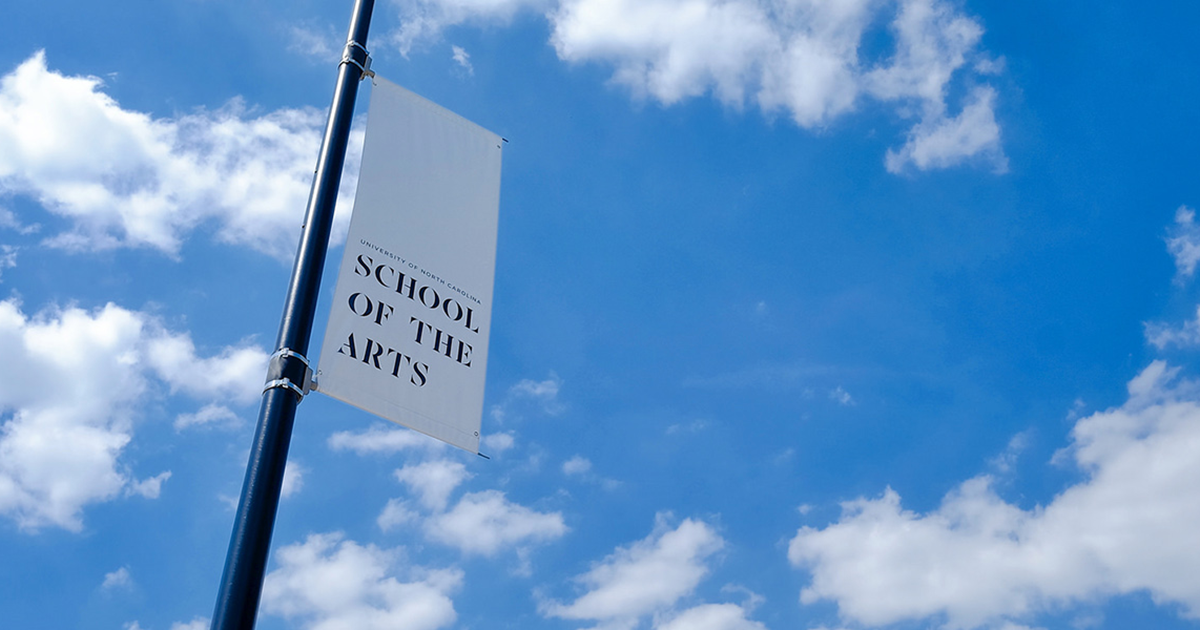
North Carolina Choreographic
Winston-Salem, United States
Two-week residency supporting emerging choreographers developing new work at UNCSA, with room, board, and stipends for selected artists.
Sawtooth School for Visual Arts
Winston-Salem, United States
Sawtooth School for Visual Arts in Winston-Salem, NC offers a robust Artist-in-Residence program focusing on ceramics and woodworking. This year-long residency, housed within a vibrant craft school environment, is designed to support the development of new skills and encourage the creation of new work. Residents benefit from 24/7 access to studio spaces, teaching opportunities, and a range of professional development activities. In the woodworking discipline, the Gondring Residency provides emerging woodworkers with a semi-private studio, a $3,000 stipend, and extensive teaching and exhibition opportunities. Residents are selected based on their dedication to craft, quality of work, and potential to bring fresh perspectives to the community. The program's history spans nearly eight decades, marking it as a significant cultural institution in the region.
Filter in Winston-Salem
Been to a residency in Winston-Salem?
Share your review