Artist Residencies in Yokohama
3 residenciesin Yokohama, Japan
Why Yokohama works well for residencies
Yokohama is Japan’s second-largest city and a major port, and you feel that history of international exchange everywhere: in the architecture, the food, and the way people are used to different cultures crossing paths. For artists, it sits in a sweet spot: connected to Tokyo’s massive art ecosystem, but with its own identity and a bit more breathing room.
You get a mix of big institutions, grassroots projects, and active neighborhood scenes, especially around Naka-ku, Koganecho, Kannai, and the waterfront. A lot of the city’s energy is focused on public projects and community engagement, which shapes how many residencies here are designed.
Artists tend to choose Yokohama because you can:
- Access Tokyo’s museums, galleries, and curators in under 30–40 minutes while living and working in a slightly less intense environment.
- Work in a city that actively invests in public art and urban regeneration, so community-driven projects are welcome and understood.
- Engage with local communities that are used to international guests and cross-cultural collaboration.
- Show work in a range of formats: from major museums and city-backed festivals to small cafés, bars, and neighborhood spaces.
Key artist residencies in Yokohama
Yokohama’s residency landscape is small but quite focused. Programs here often expect artists to be visible, socially engaged, and ready to share process as well as outcomes.
Edeiken International Arts Foundation (EIAF) Artist-in-Residence Grant @ 7artscafe
Focus: Music, sound, and performance rooted in sound. This one is very specific and very generous.
Where: 7artscafe in Naka-ku, a central area with quick access to Koganecho, Kannai, and Minato Mirai. The address is Okonogi Building #2, 1F, Sueyoshicho 1-3.
Disciplines:
- Music composition
- Instrumental or vocal performance
- Sound art and experimental audio
- Electronic/digital music production
- Interdisciplinary performance strongly rooted in sound or musical structure
Residency structure:
- Duration: one month.
- One artist or one ensemble (up to four members) selected per cycle.
- Grant: around $10,000 USD intended to cover round-trip airfare, housing, living expenses, local transportation, and project materials.
- Professional studio space and access to 7artscafe’s facilities and performance set-up.
Eligibility:
- Professional musicians, composers, sound artists, or sound-based interdisciplinary creators.
- Living or working outside Japan.
- Minimum five years of continuous professional experience.
- Documented recent activity over the past couple of years (concerts, commissions, releases, awards, previous residencies).
- Age 25+ at the time of application.
- Ensembles of up to four members can apply together as a single unit.
Expectations and commitments:
- Reside in Yokohama for the entire one-month residency.
- Present at least four free public events (these can be workshops, open rehearsals, lecture-demonstrations, or collaborative sessions).
- Present a final public concert or sound installation at 7artscafe.
- Take part in residency documentation and submit a final report.
Who this really suits:
Sound-based artists who are comfortable being public-facing and want to experiment in front of an audience. The funding is comprehensive, which is ideal if you need to travel a long distance or bring collaborators. It’s also a good fit if you want concentrated time to build one focused project with a strong live outcome instead of a long, open-ended stay.
You can find an overview via AIR_J and similar platforms, and full guidelines directly through 7artscafe: https://www.7artscafe.co.jp/eiaf/.
Koganecho Area Management Center (KAMC) Artist-in-Residence Program
Focus: Community engagement, urban regeneration, and site-responsive work across disciplines, with a strong emphasis on visual and performing arts.
Where: Koganecho district in Naka-ku, near Koganecho Station. This area used to be a red-light district and has been transformed into a hub for contemporary art through long-term collaboration between artists, the city, and local residents.
Disciplines:
- Visual arts (painting, sculpture, installation, photography, etc.)
- Performing arts and live art
- Media and interdisciplinary arts
- Projects with a strong social or spatial dimension
Residency structure:
- Short-term residencies of around three months.
- Long-term residencies of about one year, sometimes renewable up to around five years.
- Studio spaces and shared facilities in the Koganecho area.
- Support for research, production, local interaction, and public presentations.
Program character:
- Deeply linked to the neighborhood: many projects happen in public spaces or involve collaborations with residents, local shops, and community groups.
- Strong focus on the urban fabric and social history of Koganecho, including its transformation from a red-light zone to an arts district.
- Artists are generally expected to be present and accessible on-site, not just working privately in the studio.
Who this really suits:
Artists who want to work slowly and locally, with time to build relationships, test ideas in public, and respond to a specific context. If your practice involves socially engaged methods, site-specific installation, or durational projects, this setting gives you a lot of raw material to work with.
You can explore detailed program information through the AIR_J listing: https://air-j.info/en/program/koganecho-air/.
NEW AIR Yokohama residency for Asia-based artists
Focus: Short-term deep dive for Asia-based artists, ending in an exhibition or public presentation.
Where: Yokohama, with venues and hosting partners subject to change by cycle.
Residency structure:
- Duration of around two months.
- Designed for artists actively practicing within Asia (regional focus rather than global).
- Includes studio or project space.
- Usually culminates in an exhibition or equivalent public event.
- Built-in networking with local artists, curators, and institutions.
Who this really suits:
Emerging to mid-career artists based in Asia who want to connect their existing practice with Yokohama’s urban context and audiences, and who value structured outcomes such as a final exhibition. It’s especially useful if you want to build connections in Japan while already being relatively close by regionally.
Information often appears on opportunity platforms like Artinfoland: https://artinfoland.com/opportunities/new-air-2026-residency/.
Costs, neighborhoods, and where artists actually work
Cost of living in Yokohama as a resident artist
Costs always depend on your habits and where you stay, but these rough ranges give you a useful baseline when comparing residencies or planning extensions before or after a program.
- Accommodation
- Shared apartment or small studio in central areas: around ¥80,000–¥150,000 per month.
- Larger or more central private apartments: roughly ¥150,000–¥250,000 per month.
- Many residencies, including EIAF and some Koganecho programs, include or support housing, which reduces actual out-of-pocket cost significantly.
- Food
- Groceries for one person: roughly ¥20,000–¥35,000 per month if you mostly cook.
- Mix of home-cooking and eating out: around ¥40,000–¥70,000 per month depending on how often you go out and where.
- Convenience stores and affordable set meals can keep costs lower if you are busy and need quick options.
- Transport
- Monthly commuter pass within Yokohama: around ¥10,000–¥15,000.
- Day trips to Tokyo (round-trip): roughly ¥1,000–¥1,500 depending on route.
- Studio and materials
- Shared independent studios: roughly ¥30,000–¥60,000 per month.
- Larger or private studios: often ¥80,000–¥150,000 per month.
- If your residency already includes studio space (EIAF, Koganecho, NEW AIR), treat this as money you do not need to budget separately.
Compared with central Tokyo, Yokohama tends to be easier on housing and studio costs while giving you almost equal access to transport, suppliers, and audiences.
Neighborhoods artists gravitate toward
Yokohama is compact relative to Tokyo, but each area has its own character. Where you stay will shape your daily rhythm.
- Koganecho (Naka-ku)
- Strongest concentration of community-based art initiatives.
- Former red-light district transformed through art; still gritty in parts but very active culturally.
- Studios, small galleries, public art, and street-level projects line the elevated railway tracks.
- Ideal if you want daily contact with other artists, curators, and local residents.
- Kannai / Yokohama-chuo
- Central district with offices, government buildings, and cultural institutions side by side.
- Close to the Yokohama Museum of Art and several civic galleries.
- Well-connected by JR and subway lines, easy hop to Tokyo.
- Good if you like being in a busy, walkable area with quick access to venues and cafés for meetings.
- Motomachi / Yamate
- Historic hillside neighborhood with Western-style houses and a quieter, residential feel.
- Smaller galleries, studios, and cafés are scattered around.
- Better for artists who want a calm base and don’t mind commuting a bit for events.
- Minato Mirai 21
- Modern waterfront with museums, concert halls, and large event venues.
- Less of a place to live, more of a place you go for major exhibitions and performances.
- Worth scoping for potential partnerships if you work at scale or in performance.
Studios, galleries, and places to show work
If you are in a residency, you will likely have a built-in venue for a final event. It still helps to know what else is around for additional showings, collaborations, or simply to understand the ecosystem you are stepping into.
- 7artscafe
- Hybrid cultural venue where the EIAF residency is based.
- Hosts concerts, experimental performances, talks, and installations.
- Good to visit even if you are not a sound artist, just to see how they work with intimate performance formats.
- More info: https://www.7artscafe.co.jp/
- Koganecho Art Center and Koganecho Bazaar
- Core platforms for exhibitions, residencies, and public projects in Koganecho.
- Often host open studios, small festivals, and collaborative programs.
- Useful for understanding how local governance, community, and artists work together.
- Yokohama Museum of Art
- Major public museum working across historical and contemporary art.
- Worth visiting to get a sense of how Yokohama’s art history is framed on an institutional level.
- Civic galleries
- Yokohama Civic Art Gallery Azamino
- Yokohama Civic Art Gallery (Fugoku and other branches)
- These spaces support local and regional artists and sometimes host open calls or juried exhibitions.
- Independent spaces
- In Koganecho: small project spaces and galleries including Gallery Koganecho and neighboring venues.
- In Kannai and Motomachi: a mix of commercial and non-profit spaces where you can meet artists and curators informally.
Getting around, visas, and timing your stay
Transport: moving between your studio, city, and Tokyo
Yokohama’s transport network is dense and reliable. If you are used to car-dependent cities, you might be pleasantly surprised by how easy it is to move between neighborhoods without one.
- Within Yokohama
- JR lines, the Keikyu Main Line, Tokyu lines, and the Yokohama Municipal Subway cover most areas artists use.
- Stations like Yokohama, Kannai, Koganecho, and Minato Mirai act as anchors; once you are near one, most venues are reachable on foot.
- To and from Tokyo
- JR Keihin-Tōhoku Line or Yokosuka Line and the Tokyu Toyoko Line connect Yokohama with Shibuya, Shinjuku, Shinagawa, and other major hubs in about 25–40 minutes.
- Costs are low enough that day trips to openings or meetings in Tokyo are realistic on a residency budget.
- Airports
- Haneda Airport: roughly 30 minutes away by train or monorail plus short transfers.
- Narita Airport: around 1.5–2 hours by train or bus, depending on route.
Visa basics for residency artists in Japan
Residency hosts in Yokohama often help with documentation and letters, but you are still responsible for checking the visa type that fits your situation.
- Short stays (up to 90 days)
- Many nationalities can enter Japan visa-free on a temporary visitor status for up to 90 days.
- This status does not formally allow paid employment, but some residencies treat grants as support rather than salary.
- If you are teaching, performing publicly in paid contexts, or selling work, a more specific status may be needed.
- Longer stays (multi-month or year-long residencies)
- Programs like long-term Koganecho residencies may require an appropriate work or artist-related visa category.
- These usually involve sponsorship or at least a formal invitation from the host organization.
- Processing can take several months, so factor that into your application timeline.
- Practical steps
- Ask the residency organizer exactly what support they provide: invitation letters, sponsor status, or advice only.
- Check the current requirements directly with the Japanese embassy or consulate in your country; rules change periodically.
- Keep documentation of your professional activity ready (CV, portfolio, contracts, invitations) in case it is requested.
When to be in Yokohama
You can have a good residency in Yokohama at any time of year, but the season shapes your daily life and what kind of work feels comfortable.
- Spring (roughly March–May)
- Mild weather, cherry blossoms in parks and along waterfront walks.
- Good for outdoor research, filming, and location-based projects.
- Autumn (roughly September–November)
- Comfortable, dry weather, and lots of cultural events.
- Ideal for intensive work and public presentations without extreme heat or cold.
- Summer (roughly June–August)
- Hot and humid with a rainy season period; outdoor work can be tiring.
- Studio-based, digital, or sound projects can benefit from the focus that comes with staying indoors.
- Winter (roughly December–February)
- Cool but usually not extreme; city is less crowded with tourists.
- Potentially lower accommodation costs if you are self-funding a stay before or after a residency.
Plugging into local art communities and events
Residencies in Yokohama tend to emphasize community interaction, so building relationships is part of the work, not a side project. The more you show up in person, the richer your experience will be.
Local art communities and networks
- Koganecho art community
- Artists, curators, and residents have been collaborating on the district’s transformation for years.
- Open studios, small talks, and workshops happen regularly.
- Even if your residency is elsewhere, spending time here helps you understand how art and urban policy intersect in Yokohama.
- City-wide networks
- Informal networks of artists, designers, and musicians connect Yokohama and Tokyo.
- Cafés, small bars, and project spaces often double as meeting points; showing up consistently will usually lead to invitations and collaborations.
Open studios and public events
Many Yokohama residencies ask artists to open their process, not just present finished works. This might look like:
- Open studios where visitors can walk through, ask questions, and see works in progress.
- Workshops for local residents, students, or specific community groups.
- Lecture-demonstrations or talks about your practice, often in accessible formats and sometimes with translation.
- Performances or screenings in non-traditional venues like cafés, community centers, or outdoor spaces.
When you plan your proposal, factor in not only what you will make but how you will share process along the way. Residents and local partners usually respond well when artists are transparent and approachable.
How to choose the right Yokohama residency for you
If you are deciding between programs or thinking about when to apply, frame it around your practice and your current needs rather than just funding levels or prestige.
- Choose EIAF @ 7artscafe if:
- Your work is grounded in sound: composition, performance, experimental audio, or sound-based performance.
- You want a fully funded, intensive month with clear public-facing requirements.
- You are comfortable with multiple public events in a short period.
- Choose Koganecho if:
- You want time to develop a project embedded in a specific neighborhood and its histories.
- Your practice is socially engaged, site-specific, or urban-focused.
- You value long-term relationships and possibly repeat or extended stays.
- Choose NEW AIR or similar programs if:
- You are based in Asia and want to connect your practice with Japan through a focused, two-month residency.
- You prefer a clear exhibition outcome with built-in networking.
Whichever route you take, Yokohama rewards artists who are open to context, ready to meet communities halfway, and willing to treat the city itself as both collaborator and audience.
Edeiken International Arts Foundation
Yokohama, Japan
The Edeiken International Arts Foundation (EIAF) offers a one-month Artist-in-Residence program at 7artscafe in Yokohama, Japan, exclusively for professional musicians, composers, sound artists, and interdisciplinary creators. The program provides a $10,000 USD grant covering travel, housing, and living expenses, with residents required to present at least four free public events and a final concert or sound installation.
EIAF Artist-in-Residence Grant
Yokohama, Japan
EIAF Artist-in-Residence Grant at 7artscafe for international musicians/sound artists. 1-month residency (Apr -Mar ), $10K grant for travel/housing/etc. Requires 4 public events & final performance.
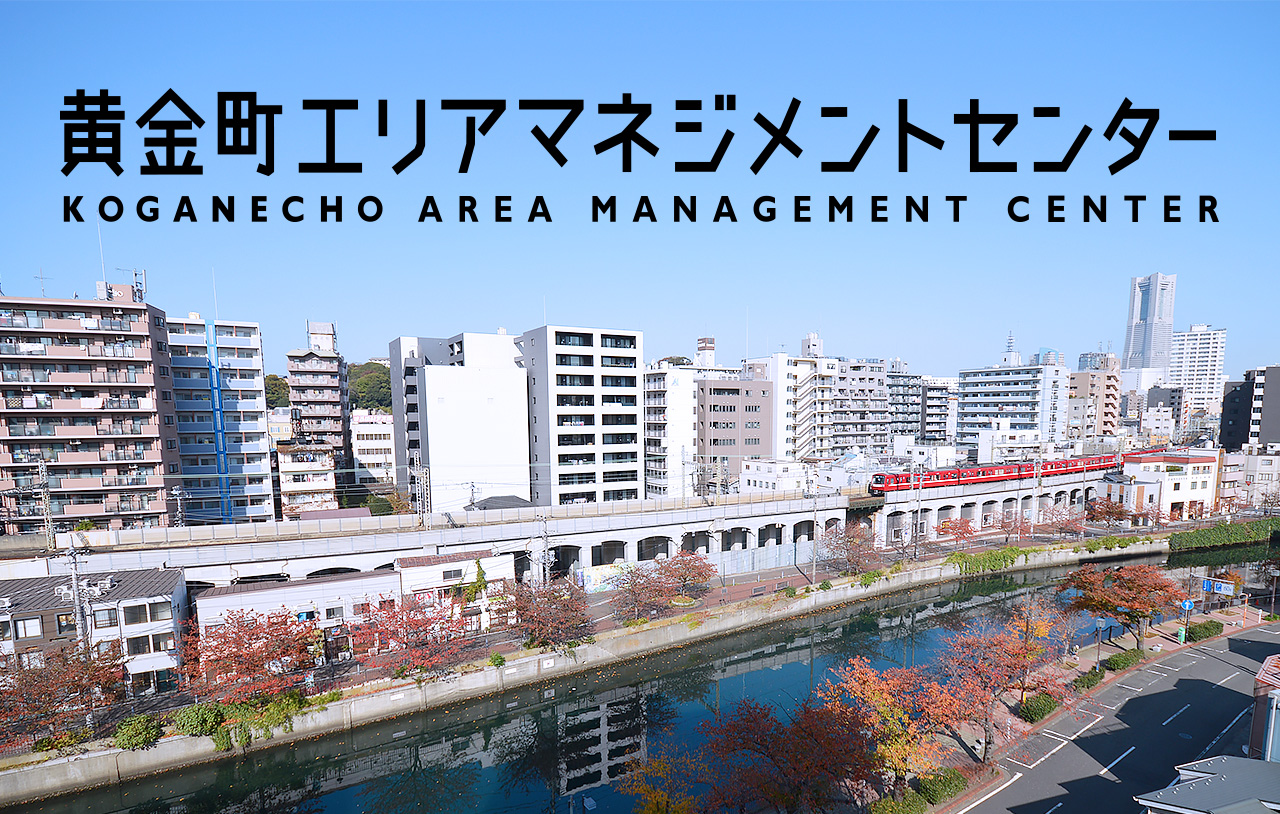
Koganecho Area Management Center
Yokohama, Japan
The Koganecho Area Management Center (KAMC) in Yokohama, Japan, runs artist-in-residence programs to revitalize the Koganecho district through art and community engagement. It offers short-term residencies of 3 months and long-term ones of 1 year (renewable up to 5 years), providing studios and shared facilities for active artists of various genres. Programs support research, creation, local interactions, and public presentations, with a focus on visual arts, performing arts, and more.
Browse by discipline in Yokohama
Filter in Yokohama
Been to a residency in Yokohama?
Share your review