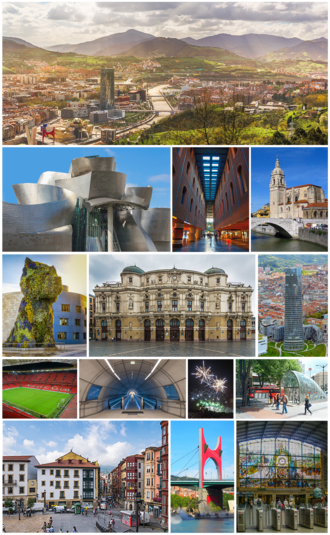
City Guide
Bilbao, Spain
Bilbao gives you serious studio support, a compact city to work in, and a contemporary art scene that is easy to plug into if you know where to look.
Bilbao is one of those cities that feels built for artists who want to make work, not just pass through. The residency scene is anchored by strong institutions, public support, and a local network that is active without being overwhelming. If you want access to studios, technical facilities, and a real contemporary art ecosystem in a city that is still manageable day to day, Bilbao is a smart place to spend time.
This guide focuses on the residencies and artist-facing spaces that matter most, plus the practical stuff that shapes a good stay: housing, neighborhoods, transport, and the kind of work Bilbao tends to support well.
Why artists choose Bilbao
Bilbao works well for artists because it combines scale and support. The city is large enough to have museums, galleries, project spaces, and a steady program of talks and exhibitions. At the same time, it is compact enough that you can build relationships without spending your whole week in transit.
A few things stand out:
- Production support is real. Bilbao has institutions that give you studio space, tools, technical advice, and sometimes direct materials support.
- The city is walkable and transit-friendly. That makes it easier to keep a studio rhythm and show up for openings, critiques, and events.
- The scene is locally rooted but internationally connected. You get the Basque context without feeling isolated from broader European networks.
- Public investment matters here. A lot of the strongest artist opportunities are tied to civic or semi-public institutions, which often means better infrastructure than you might expect.
For artists who make objects, installations, prints, photographs, films, or hybrid work, Bilbao can be especially useful because the city is not just offering a room to work in. It is offering the means to produce.
BilbaoArte: the city’s core production residency
BilbaoArte is the center most artists should understand first. It is one of Bilbao’s main production platforms and probably the clearest example of how the city supports artists in practice. The institution provides studio spaces, access to workshops, and technical guidance for resident artists.
The facilities are broad and practical: engraving and silkscreen, digital imaging, sculpture, photography, projection-related spaces, a documentation center, and support from workshop staff. If your practice needs more than a desk and a key, this is the kind of place that can make a residency feel materially useful.
BilbaoArte offers different support tracks, including studio assignment and production-focused residencies. Search results also point to funding for materials and expenses, plus a shared accommodation grant in some cases. That matters in Bilbao, where housing can take a real bite out of your budget.
The center is housed in the former Urazurrutia schools in Bilbao La Vieja, a neighborhood with a visible creative presence and easy access to the city center. It is the kind of location that helps the residency stay connected to the city rather than feeling tucked away from it.
Best fit: emerging and mid-career artists who need workshop access, a serious studio environment, and time to produce work on site.
Why it stands out: it is one of the few places where the infrastructure is as useful as the name recognition.
Azkuna Zentroa and Bulegoa z/b: for interdisciplinary and research-led work
Not every Bilbao residency is built around a studio in the classic sense. Two important spaces widen the field.
Azkuna Zentroa runs international residency programs across several forms, including artistic practices, contemporary dance, live arts, and comics. That range tells you a lot. This is a good place for artists whose work crosses discipline boundaries or includes performance, movement, audience-facing presentation, or collaboration.
Azkuna Zentroa is useful if you want a residency connected to a major cultural institution and you are comfortable with public programming or exchange. It is less about disappearing into the studio and more about developing work within a larger cultural context.
Bulegoa z/b is smaller and more research-oriented. Its residency calls are aimed at artists and researchers who want to work in the space and use available resources to develop a project. The format includes public moments, usually a presentation at the start and a production or presentation at the end.
That makes Bulegoa z/b a strong choice if your practice is:
- conceptual or discursive
- research-based
- socially engaged
- built around public dialogue or process-sharing
If you prefer a residency that treats thinking as part of the work, not a prelude to it, this is one to watch.
Guggenheim-related opportunities and the Basque Artist Program
Bilbao’s museum network also shapes the residency conversation. The Guggenheim Museum Bilbao is not a residency center in the same way BilbaoArte is, but it does run the Basque Artist Program, a professional development opportunity for emerging artists from the Basque Country.
This program is not a studio residency in the conventional sense. Instead, selected artists take part in an intensive orientation to the New York art scene, including museum and gallery visits, studio visits, and professional networking. It is a better fit for artists who are ready for exposure, travel, and institution-facing opportunities.
Key practical points from the program structure:
- it is open to emerging artists born in and/or resident in the Basque Country
- participants need strong English
- the program provides funding, but not housing
- artists are responsible for their own travel and related arrangements
For artists rooted in the Basque region, this is one of the more visible ways Bilbao connects local practice to a wider international circuit.
What Bilbao’s residency scene is good for
Bilbao is especially well suited to artists who need a place to make work with access to real infrastructure. The city is strong for printmaking, sculpture, photography, installation, and mixed media because so many of the available spaces are production-minded.
It also works well for artists who want a residency that can lead to other things. BilbaoArte in particular has a track record of continuing support through exhibitions and project-room presentations such as URIBITARTE40. That kind of follow-through can matter a lot if you are trying to keep a project moving after the residency ends.
Here is who should be looking closely at Bilbao:
- Artists who need workshop access. If the residency only offers a bed and a key, Bilbao may feel underpowered by comparison. If you need tools, technicians, or technical advice, it starts to make sense fast.
- Artists who want a compact, connected city. Bilbao is easy to move through, and that makes it easier to stay engaged with the scene.
- Artists who are comfortable with public programming. Several of the city’s most interesting opportunities include talks, open studios, or presentations.
- Artists who like a city with a strong local identity. Bilbao is distinctly Basque, which adds depth to the experience rather than making it feel generic.
Housing, cost, and how to budget
Bilbao is generally less expensive than Madrid or Barcelona, but it is not a bargain city. For artists, the most practical budget pressure is usually housing. Short-term rentals can be expensive, and the difference between a residency with accommodation support and one without can be significant.
When you are comparing opportunities, look carefully at what is actually included:
- studio only
- studio plus materials support
- studio plus housing grant
- shared housing
- help finding a room or short-term apartment
Residencies in Bilbao that include a housing grant or shared apartment can be much more workable than they first appear. If housing is not included, a shared flat is usually the most realistic route for a longer stay.
Daily costs for food and transit are manageable by Western European city standards. Still, the city is much easier on you if the residency covers the basics, since studio programs here are often strongest when they are paired with some form of financial support.
Neighborhoods worth knowing
Where you stay will shape how the residency feels. A few areas come up often for artists:
- Bilbao La Vieja — creative, central, and home to BilbaoArte. Good if you want to be close to the action and part of a visibly arts-oriented area.
- Casco Viejo — walkable and lively, with easy access to transit and cultural life.
- Abando and Ensanche — central, convenient, and useful if you want to stay near museums, galleries, and everyday amenities.
- Otxarkoaga — farther out, but relevant because BilbaoArte has supported shared studios there.
- Deusto and the Zorrotzaurre area — of interest if you are drawn to industrial space, redevelopment, and the shifting edges of the city.
If you are in Bilbao for a short residency, being near the center usually makes life easier. If you are staying longer, some distance can be fine as long as transport is reliable and the studio routine still feels smooth.
Getting around and staying connected
Bilbao is easy to navigate without a car. Metro Bilbao, buses, trams, and regional rail make it straightforward to move between studios, museums, neighborhoods, and nearby towns in the Basque Country.
That matters because the city’s art life is spread across institutions rather than concentrated in one single district. You will likely move between BilbaoArte, museum visits, talks, galleries, and project spaces, and the transport system supports that rhythm.
Bilbao Airport also keeps the city accessible for international artists. If you are coming from outside Spain, that combination of direct access and compact urban scale is one reason Bilbao feels practical for a residency stay.
Visa and paperwork basics
If you are coming from outside the EU or EEA, check the paperwork early. The exact requirements depend on your nationality, residency length, and whether the host institution offers a formal invitation or visa support.
Useful questions to ask any Bilbao residency:
- Will you issue an invitation letter?
- Is there any visa support for non-EU artists?
- Is housing included or arranged separately?
- Does the residency include a stipend, materials support, or both?
- Are there public presentations or other required activities?
The Guggenheim Basque Artist Program notes visa assistance may be available, but artists are still responsible for fees and compliance. That is a good reminder to treat the administrative side as part of your project, not an afterthought.
Who should seriously consider Bilbao
Bilbao is a strong choice if you want a residency that feels productive rather than symbolic. It is especially good for artists who need real facilities, want to connect with institutional networks, and prefer a city that is large enough to be active but small enough to stay legible.
If you are making work that benefits from workshops, technical support, public presentations, or dialogue with a grounded local scene, Bilbao has a lot to offer. The residency ecosystem is not flashy for its own sake. It is practical, well-connected, and built to help artists produce.
That is what makes it worth your attention.
Residencies in Bilbao
Bilbao Arte
Bilbao, Spain
BilbaoArte is an artistic production center run by the Bilbao City Council that provides young creators with studio spaces, workshops for engraving, silkscreening, digital imaging, sculpture, photography, and more, along with grants for production. It offers three modalities—Studio Assignment, Production, and Cooperation—with durations of 6-12 months, stipends ranging from 500 euros monthly to 4,000 euros total, and complementary shared housing support. Selected artists gain access to 12 studios and must contribute one work to the center's collection.
ZAWP LAb
Bilbao, Spain
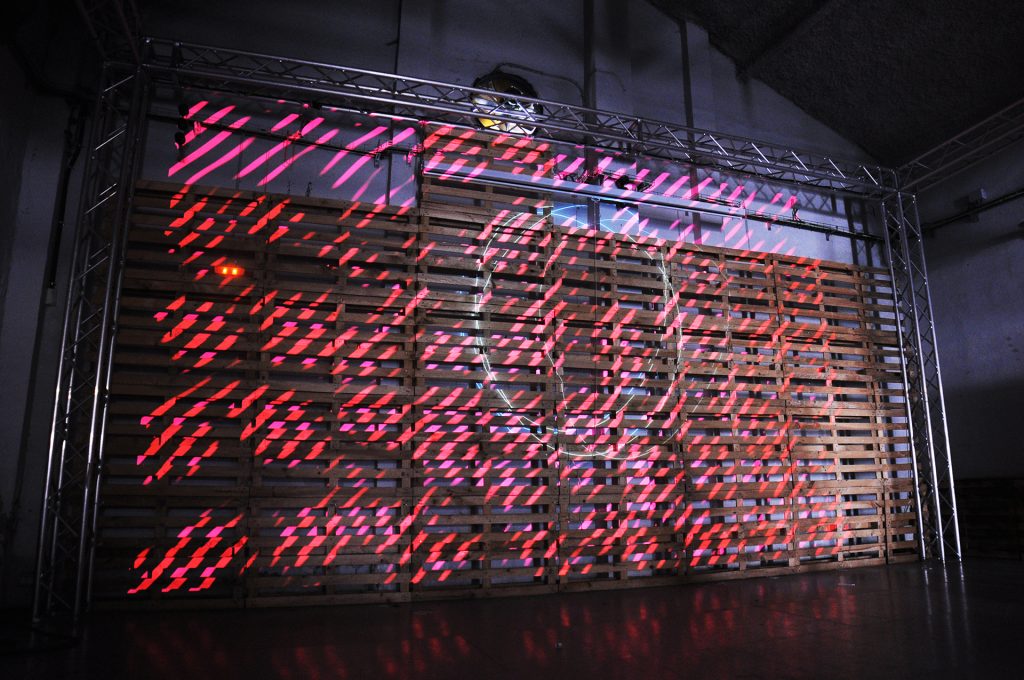
ZAWP LAb is a space for research, artistic creation, and production located in a post-industrial area of Bilbao that operates as part of the Zorrotzaurre Art Work in Progress project. The residency welcomes artists for stays ranging from one week to three months, providing workspace, accommodation, and opportunities for experimentation and knowledge sharing within a converted warehouse complex.