
City Guide
Ghent, Belgium
How to plug into Ghent’s residency scene, institutions, and everyday artist life
Why artists choose Ghent
Ghent is compact, walkable, and dense with serious art infrastructure. You get museums, artist-run spaces, performance venues, and post-academic programs, but without the scale or pressure of a big capital. That makes it easier to actually meet people, follow threads, and build something over a few weeks or months.
The city is especially strong if your work is:
- interdisciplinary (visual, performance, sound, installation, design)
- research-based or process-driven
- socially engaged or linked to care, public space, or community
- performance and live-art focused
Three things residency artists tend to appreciate about Ghent:
- Dense but approachable ecosystem: Institutions, collectives, and project spaces are in bike or walking distance. You can visit multiple sites in a day.
- Interdisciplinary culture: Visual art overlaps with performance, architecture, public space, and theory in a very natural way.
- International but not overwhelming: You meet curators, visiting artists, and students from elsewhere, but the scene is still readable and human-scale.
Key residencies and residency-like contexts in Ghent
Ghent doesn’t have hundreds of residencies, but the programs it does have are influential and often quite embedded in the local scene. Here are the main ones to know about when you’re planning a stay.
Kunsthal Gent: Development residencies in a historic monastery
Type: Short and medium-term development residencies and mini-residencies
Good for: Visual artists, collectives, designers, architects, performance and audiovisual work, public-space and socially engaged practices
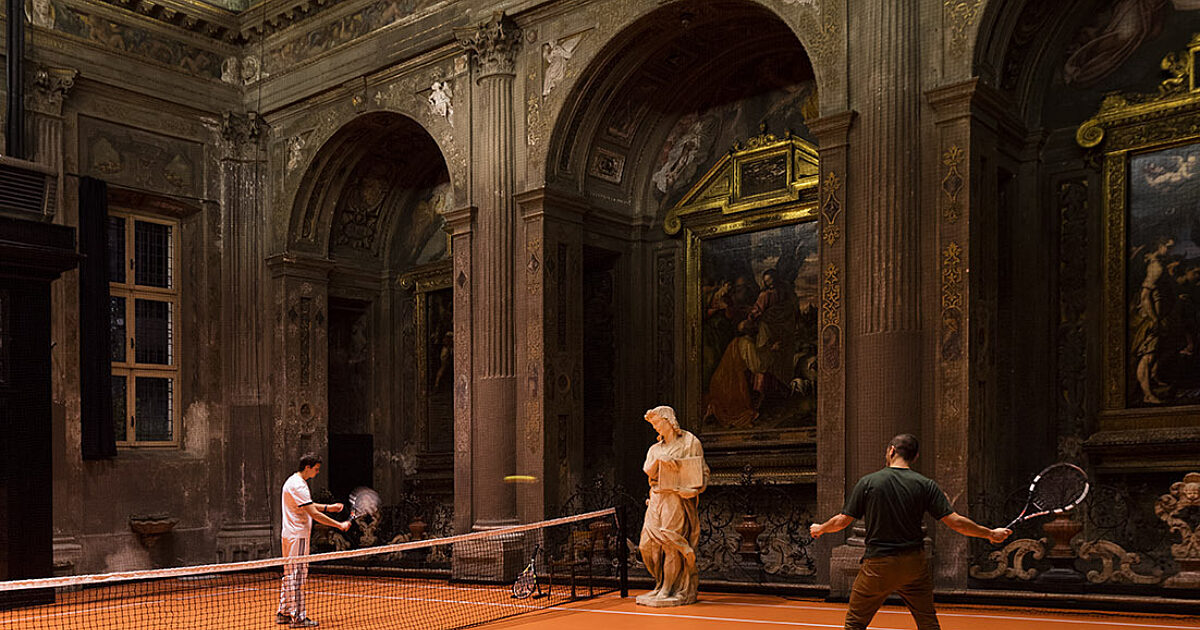
Kunsthal Gent is an experimental intersection for contemporary art housed in a former monastery right in the center. The building itself functions as a shared workspace, exhibition site, and public program hub.
Two formats matter most for visiting artists:
- Mini-residencies
Short working periods (up to about a week) with access to the apartment and a small project budget. These often act as introductions, testing grounds, or first steps toward deeper collaboration. - Development Fellowships
Longer research and development periods (up to around three months) with a budget that can go up to several thousand euros. The budget typically covers artist fee, travel, production, and other costs, with a portion held back by Kunsthal for shared expenses like documentation or public moments.
What you actually get typically includes:
- time to work in and around Kunsthal Gent’s spaces (no closed-off solo studio)
- a supportive curatorial and production context
- access to shared workspaces, meeting room, cinema space, office facilities, and a growing library
- for international artists: an apartment inside Kunsthal Gent (one apartment, suitable for a solo artist or couple)
Who it suits especially well:
- artists who are comfortable working in shared, porous environments
- practices that benefit from public moments, feedback, and structured conversation
- research and development projects that don’t need heavy fabrication on site
- artists interested in long-term relationships with institutions and collaborators
Open calls are not constant, so if this appeals to you, it helps to check their website and newsletter regularly and to read the language of the calls carefully. The residency length, support, and expectations are tailored to each selected plan.
CAMPO: Performing arts residency and network entry point
Type: Performing arts residency
Good for: Emerging artists in theatre, performance, live art, experimental stage practices
CAMPO is a key performing arts center in Ghent. While it runs multiple creation and production trajectories, one specific residency model has been described through partners like Pro Helvetia: a focused, short-term studio residency with a heavy emphasis on professional context.
According to that description, the program typically offers:
- around two weeks of studio time to work on a performance project
- insight into CAMPO’s working methods and production structures
- networking opportunities with the Belgian and international performing arts scene
- occasionally, structured visits to key events such as Kunstenfestivaldesarts in Brussels
Who it fits especially well:
- emerging performance makers who want to understand how work circulates in European institutions
- artists who care as much about professional networks and context as about square meters of rehearsal space
- practices that can use a concentrated, two-week block productively
CAMPO is also part of a larger ecology of venues and co-producers across Belgium, so a stay here can open doors beyond Ghent itself. When you look at their program, pay attention to how residencies plug into performances, co-productions, and festival circuits.
Kunsthal Gent Development Programme details
The Development Programme at Kunsthal Gent is worth a closer look because it combines residency, mentorship, and institutional collaboration.
Highlights include:
- Tailored duration: the residency length follows from your proposal. It can be short and intense or spread out up to roughly three months.
- Development budget: a total budget (up to several thousand euros) that should cover your artist fee, travel, production, taxes, and collaboration costs. Part of this is reserved for expenses Kunsthal pays directly, such as fees for invited guests or documentation.
- Embedded context: your residency runs alongside exhibitions and public programs, with chances to share your work-in-progress, host events, or test formats.
The program explicitly encourages you to propose a concrete development trajectory for your practice. That could involve working with specific experts, testing a collaboration, or deepening a research line. It’s not just about “time to work” but about moving your practice to a new level inside a supportive framework.
HISK: Post-academic program that shapes the scene
Type: Post-academic course (not a classic residency)
Good for: Visual artists who are ready for a multi-year professional development track
The Higher Institute for Fine Arts, known as HISK, is a post-academic visual arts program often based in or associated with Ghent. It offers workspace and a strong guidance structure to selected artists from Belgium and abroad.
HISK matters for visiting residents because:
- many HISK participants and alumni stay in or around Ghent, shaping the local scene
- open studios and events bring curators, critics, and other professionals through the city regularly
- the presence of HISK raises the general level of conversation around contemporary art, making it easier to find critical peers
If you are coming to Ghent for a shorter residency, keeping an eye on HISK openings and events can be an efficient way to meet a lot of artists and curators at once.
Socially engaged and care-related contexts
Ghent is also known for institutions and initiatives that connect art with mental health, psychiatry, and community, with Museum Dr. Guislain being a reference point. Across Belgium, projects linked to hospital and care settings (including models associated with KAOS-type initiatives) sometimes offer residency-like conditions.
If your practice is oriented toward participation, care, and institutional critique, Ghent is a good place to research these models and to connect with artists who work in those contexts. Program details change over time, so it’s useful to:
- check institutional websites carefully for current calls and formats
- ask residency hosts about partnerships with hospitals or care organizations
- be clear about your experience and ethics around socially engaged work when applying
How the art scene works on the ground
Once you arrive in Ghent for a residency, daily life is about balancing work, meeting people, and staying oriented in a compact but busy art city.
Anchor institutions
A few places act as anchors for most visiting artists:
- S.M.A.K.: Ghent’s main contemporary art museum. Good for seeing major exhibitions and understanding how local and international practices meet.
- Kunsthal Gent: Hybrid venue, residency host, public program site. Even if you are not a resident, its openings and events are useful.
- Museum Dr. Guislain: Focused on psychiatry, history, and art, often with exhibitions that blend archival material and contemporary work.
- CAMPO: Performing arts productions, rehearsals, and showings. Great to see where performance work might travel.
- HISK-connected activities: Open studios and events when they are happening.
If your residency provides a mentor or contact person, ask them which openings, talks, and events are most relevant during your stay; in a small city, targeted choices matter more than trying to attend everything.
Artist-run and project spaces
Ghent has a rotating landscape of artist-run initiatives and smaller project spaces. Names change over the years, but the energy is consistent: informal exhibitions, off-site projects, and experimental formats.
A simple strategy during a residency:
- use your first week to visit major institutions and ask staff or artists what smaller spaces are active
- scan local listings and flyers at museums, cafés, and art schools
- follow the social media of artists you meet; they often promote the more under-the-radar events
Practical life: costs, housing, and movement
Cost of living and budgeting
Compared to Brussels, Ghent can feel a bit easier on the wallet, but it is still a Western European city with real housing pressure. If your residency covers housing and offers a stipend, that significantly improves your comfort level.
For a modest independent stay, a rough monthly range many artists encounter includes:
- Low-budget shared living: roughly around €900–€1,400 per month when you factor in rent, groceries, and basic transit
- More private or short-term rentals: higher, especially for furnished places and flexible contracts
On top of that, you will want to budget for:
- materials and printing
- local transport if you are not cycling
- occasional trips to Brussels or other cities
- social costs (openings, cafés, small gifts or printing for collaborators)
If a residency offers free housing, an apartment, or a production budget (as Kunsthal Gent and some others do), it makes Ghent much more sustainable as a working base.
Where to stay during a residency
Ghent is compact, so you can prioritize price and quality over exact location, but some areas tend to be more useful for visiting artists.
- Historic center: Close to Kunsthal Gent, museums, and many project spaces. Walkable, atmospheric, and convenient, but usually more expensive and tourist-heavy.
- Areas around major institutions: Neighborhoods near Kunsthal Gent, S.M.A.K., or CAMPO put you close to your daily routes and reduce commute time.
- Student and mixed-use neighborhoods: These zones often offer more affordable rooms, shared flats, and a social environment where artists, students, and cultural workers overlap.
- Outer districts: Cheaper and sometimes better for larger spaces, but then you rely more on bikes or public transport.
If your residency does not include housing, asking the host for advice on neighborhoods, trusted platforms, and typical rents can save time and avoid scams.
Studios and workspaces
Some residencies in Ghent focus less on private studios and more on shared environments.
At Kunsthal Gent, for example, the “studio” is really the entire context of the institution:
- shared workspaces in the monastery complex
- office and meeting rooms
- cinema and presentation spaces
- library and informal work zones
This can be ideal if your practice is flexible, research-based, or oriented to public space. If you need heavy fabrication, loud processes, or very messy work, you may need to plan around that and discuss technical needs clearly with your hosts.
Getting around
Movement in Ghent is straightforward:
- By train: Gent-Sint-Pieters is the main station, with frequent connections to Brussels, Antwerp, and Bruges. Many artists hop to Brussels for meetings or events while based in Ghent.
- By bike: Cycling is often the most efficient way to navigate the city. Many residencies either provide a bike or help you find one.
- On foot: A lot of central institutions are within walking distance of each other, especially in the historic core.
- With materials: If you move large works, clarify early whether your residency offers loading access, storage, or a truck/van option.
Practicalities: visas, timing, and making the most of your stay
Visa and legal issues
If you come from outside the EU/EEA/Switzerland, you may need a visa, depending on the length and nature of your stay.
General patterns:
- Under 90 days: Many nationalities can enter the Schengen area with a short-stay visa or visa-free. You still need to check your specific status.
- Over 90 days: Longer residencies or extended stays usually require a long-stay visa or residence permit. The residency host may need to provide letters and documentation.
Before you commit, ask your residency:
- whether they regularly host non-EU artists and can provide the necessary paperwork
- how they categorize the stay (work, study, cultural program)
- what kind of health insurance they expect you to have
- whether their stipend or fee has any implications for your visa category
When to come, and how to time your application
Ghent is active all year, but the rhythm of openings and public programs tends to pick up in spring and early autumn. Those periods can be especially fruitful if you want to network and see a wide range of work.
The Development Programme at Kunsthal Gent is structured around cycles tied to opening weekends spread across the year, with new periods beginning early in the year, mid-year, and in autumn. That means your residency might run parallel to specific exhibition phases, which is useful for visibility and dialogue.
To plan strategically:
- align your residency with seasons when institutions reopen with new shows
- apply early if you need visa support or institutional housing
- ask the host which months are especially active for public programs
Plugging into local communities
Residencies in Ghent really pay off when you lean into the city’s networks rather than treating the stay as pure retreat.
Some simple moves:
- Go to opening weekends and talks: Kunsthal Gent, S.M.A.K., and smaller spaces often cluster events, which makes it easier to meet many people quickly.
- Say yes to studio visits: Curators and peers regularly visit residency artists. Preparing a few clear questions about your work or the city can turn a polite visit into an ongoing relationship.
- Visit other studios: HISK open studios, project-space presentations, and shared studios are where you get a realistic sense of how artists live and work in Ghent.
- Use your residency’s support team: Ask producers or coordinators to introduce you to people who align with your practice. That is part of what residencies are there for.
Who Ghent is really for
Ghent tends to be a strong match if you:
- value collaboration and conversation as much as studio time
- work in contemporary art, performance, or hybrid practices
- are interested in research, public programs, and long-term trajectories
- prefer a serious but not hyper-commercial scene
It can be less ideal if what you need is:
- a secluded retreat in nature with no public expectations
- a huge private studio for large-scale production
- a heavily market-driven gallery ecosystem as your main goal
If your aim is to develop work, connect meaningfully with peers and institutions, and insert yourself into a vibrant yet manageable European art network, Ghent is a city where a well-chosen residency can genuinely shift your practice.
Residencies in Ghent
Art Omi
Ghent, United States
Art Omi offers five distinct residency programs for international artists, writers, architects, musicians, and dancers. Located in Columbia County, New York, the residency provides artists with time, space, and resources to create, experiment, and collaborate in a rural setting. The residency programs are fully funded, covering accommodations, meals, and studio space. Each program has its own application process and focuses on different creative fields, encouraging a diverse range of artists from around the world. Art Omi is committed to cultural exchange and professional development, offering participants opportunities to engage with peers and visiting professionals from various creative industries. The residency fosters an environment of collaboration, community, and artistic exploration in an inspiring, natural setting.
Kunsthal Gent
Ghent, Belgium
Kunsthal Gent, located in a 14th-century Carmelite monastery in Ghent, Belgium, offers residency programs including approximately six mini-residencies per year (up to 1 week with apartment access and €500 budget) and a Development Fellowship for up to 3 months with up to €5,000 budget for research and practice development. These programs support artists, collectives, and organizations in visual arts, architecture, design, audiovisual, performing arts, and public space, fostering experimentation, collaboration, and integration into the public programme. International participants receive an apartment, with irregular open calls for applications.
Explore Belgium
More city guides
Opportunity Intelligence
Ready to find your next residency?
Get a personalized shortlist — scored against your practice, discipline, and what you need right now.
See how Intelligence works →