
City Guide
Glasgow, United Kingdom
How to plug into Glasgow’s residency scene, from community projects to production powerhouses.
Why Glasgow works so well for residencies
Glasgow has a rare mix: serious contemporary art infrastructure, a dense network of artist-run spaces, and living costs that are still more manageable than London. That combination makes it a strong base if you want workshops, public engagement, and a community that’s used to experimenting together.
The city’s scene is anchored by institutions like the CCA: Centre for Contemporary Arts, Tramway, Glasgow Sculpture Studios, Street Level Photoworks, and the Glasgow School of Art network. Around those, you get clusters of shared studios, independent venues, and project spaces that constantly spin off new collaborations.
Glasgow is especially good if your practice leans toward:
- Socially engaged or community-based work
- Sculpture, installation, or site-specific practice
- Performance, sound, or moving image
- Print, ceramics, and other process-heavy practices
Residencies here often expect you to be visible and active: showing work in progress, running workshops, or building relationships with local groups. If you like being embedded in a community rather than working in isolation, Glasgow usually suits that.
Key residency routes in Glasgow
Glasgow doesn’t run on one central residency hub. Instead, there’s a cluster of different models: community-facing programmes, production residencies, self-directed schemes, and funding that lets you build your own residency with a local partner.
Glasgow Life – Artists in Communities
Artists in Communities is Glasgow’s big public-engagement residency framework, delivered by Glasgow Life across the city’s neighbourhoods.
What it offers
- Residencies embedded in specific communities across Glasgow
- Projects built with local partners: schools, libraries, community centres, and third-sector organisations
- Work across visual art, music, theatre, film, storytelling, digital art and hybrid practices
- Support from Glasgow Life staff who already have local networks
Since 2018 the programme has supported dozens of artists, collectives, and organisations, delivering a large number of projects and reaching tens of thousands of participants across all 23 wards. Earlier phases ran as Creative Communities: Artists in Residence, commissioning one artist per ward. The current Artists in Communities format continues that hyper-local focus with multi-year residencies and cluster projects.
Who it suits
- Socially engaged practitioners
- Artists who like co-creating projects with residents
- Artists comfortable working across ages, abilities, and non-art spaces
- Those interested in public art, wellbeing, and long-term community relationships
How to think about it: Treat this less as a quiet retreat and more as a residency where your main medium is people. Strong proposals usually show that you can listen, collaborate, and adapt to a specific neighbourhood rather than drop in a pre-written project.
Glasgow Sculpture Studios – production and community residencies
Glasgow Sculpture Studios (GSS) is one of the city’s main production engines: a large studio community with workshops, technical support, and various residency formats.
Core offers
- Residencies for artists at any career stage
- Technical support with fabrication, sculpture processes, and installation
- Access to a community of studio holders and visiting artists
- Networking with curators and arts professionals across the city
GSS runs different residency strands:
- In Residence – often tied to the Learning & Engagement programme, with a focus on sculpture as site-specific and connected to local communities.
- Self-Funded Residencies – open on a rolling basis; you bring your own funding and use their facilities and expertise.
- Partnership residencies – created with partners such as international organisations, art schools, or festivals.
Who it suits
- Sculptors, installation artists, and makers
- Artists testing new materials or scale
- Artists interested in socially engaged or site-responsive sculpture
- Practices that need fabrication tools more than a white-cube gallery
How to think about it: This is a good fit if you know you want to push your material practice and need serious technical backup. For self-funded residencies, it helps to arrive with a clear plan for what you want to experiment with, even if the final outcome is open.
CCA: Centre for Contemporary Arts – Creative Lab and Artist Flat
The CCA is a central hub for contemporary art, performance, film, and experimental practice. Alongside exhibitions and events, it hosts residencies in the Creative Lab and its onsite Artist Flat.
What it offers
- Creative Lab space for process-driven residencies
- Access to a small Artist Flat for visiting residents, overlooking Scott Street
- Use of equipment like projectors, sound kit, lights, and a dance floor
- Feedback and dialogue with staff when invited
- Residencies selected through open calls and partner programmes
Who it suits
- Performance makers and choreographers
- Moving image, sound, and installation artists
- Interdisciplinary practices that need flexible black-box style space
- Artists who want a city-centre base with easy access to audiences and collaborators
How to think about it: Treat it as a lab, not just a studio. Strong applications highlight experimentation, process, and how you might use the space (tests, showings, conversations) rather than only aiming for a finished outcome.
RSA Residencies for Scotland – build-your-own residency
The Royal Scottish Academy’s Residencies for Scotland scheme is Scotland-wide, but relevant if you want to base yourself in Glasgow or work with a Glasgow organisation.
What it offers
- Grants (up to a stated maximum on their site) to support a self-directed residency
- Emphasis on research, development, and production rather than exhibition pressure
- Scope to work with a host of your choice, such as Street Level Photoworks or other centres of excellence
- Access to technical expertise and opportunities to learn new skills
Glasgow-linked hosts have included places like Street Level Photoworks, and the scheme also connects to venues across Scotland if you want to split time between the city and a rural site.
Who it suits
- Visual artists ready to design their own residency structure
- Artists who know which facilities or context they need
- Those who prefer flexible funding over a tightly programmed residency
How to think about it: Start by identifying a Glasgow partner (studio, gallery, or workshop) and building a project with them, then frame the RSA funding as what lets you make that residency actually happen.
Glasgow Ceramics Studio – mid-career international residency
Glasgow Ceramics Studio runs a dedicated International Mid-Career Residency aimed at established ceramic artists based outside the UK.
What it offers
- A focused period working in a communal ceramics studio
- Immersion in a specialist ceramics community
- Access to shared equipment and peer conversations specific to clay practice
Who it suits
- Mid-career ceramicists wanting concentrated time in a new context
- International artists who already work primarily with clay
- Artists who value being surrounded by other ceramic practitioners rather than a generalist residency mix
How to think about it: This is a deep dive into ceramics, not a general residency. Strong applications clearly show that clay is central to your practice and that you can make good use of a shared specialist studio.
Other routes that link into Glasgow
There are also schemes that aren’t strictly Glasgow-only but connect strongly to the city:
- Royal Drawing School residencies at Dumfries House, open to Scottish artists and those with drawing-based practices, offering studio and accommodation on a rural estate with institutional partners in Glasgow.
- Scottish residency databases like the one maintained by The Social Studio Research, which list opportunities across Scotland, including Glasgow-based dance, performance, and visual arts residencies.
- Environmental and design-focused residencies organised with partners such as the Goethe-Institut and Glasgow School of Art, which sometimes route artists through Glasgow as part of a wider Scottish programme.
Treat these as ways to structure time between Glasgow and other parts of Scotland while still tapping into the city’s networks.
Choosing a neighbourhood and studio base
Residencies vary a lot in where they place you. Some offer central accommodation, others expect you to find your own. Understanding Glasgow’s layout helps you choose something that works with your project.
City Centre / Merchant City / Trongate
- Close to CCA, GoMA, central galleries, and major transport
- Good for short stays, networking, and late openings
- Accommodation can be pricier and more transient, but very convenient if you have daily commitments in central venues
West End (Kelvinbridge, Hillhead, Partick)
- Near the university, Glasgow School of Art connections, and many cultural venues
- Lots of cafes and informal meeting spots
- Well-connected by Subway to the city centre
Finnieston
- Between city centre and west end, with bars, cafes, and venues
- A useful base if you’re bouncing between studios and institutions across both areas
Southside (Govanhill, Shawlands, Pollokshields)
- Diverse communities and a strong grassroots arts presence
- Often a bit more affordable than the west end
- Attractive if you’re doing community-based or socially engaged work
East End (Dennistoun, Bridgeton) and industrial fringes
- Home to some studio complexes and workshop-type spaces
- Can offer better value on larger spaces
- Good if your work involves fabrication or needs more square footage
If your residency doesn’t provide housing, match your area to your main daily destination: long cross-city commutes can drain time and energy, especially if you’re moving materials or working late.
Practical realities: costs, transport, and visas
Cost of living and working
Glasgow is generally cheaper than London, but costs have risen in recent years. For residency planning, pay attention to:
- Rent – rooms in shared flats are usually the most realistic option if accommodation isn’t provided.
- Studio or workshop fees – some residencies include these; others expect you to pay for access to specialist facilities.
- Materials and fabrication – sculpture, ceramics, and large-scale installation can add up quickly, even with subsidised workshop access.
- Transport – daily travel on buses or the Subway is affordable but still a factor if you’re criss-crossing the city.
Residencies that provide both accommodation and studio time usually end up more cost-effective than those that only offer space or a small stipend. When comparing opportunities, map out your likely monthly spend before committing.
Getting around the city
Glasgow is relatively straightforward to navigate once you know the basics.
- Subway – a simple circular line linking the city centre, west end, and parts of the southside; handy if your residency is near a Subway stop.
- Buses – cover most areas, useful for reaching residential neighbourhoods and outlying studios.
- Trains – connect the city to surrounding towns and regional residency sites; central stations make trips to rural partners manageable.
- Walking and cycling – realistic in central and inner areas, though weather can be changeable, so plan for that if you’re transporting work.
If you’re working with large or heavy materials, factor in how you’ll move them. Some artists work fine without a car, but for big sculpture or sets, choosing a studio with good loading access can save a lot of stress.
Visa basics for international artists
If you already have the right to live and work in the UK, residency logistics are simpler. If not, visa needs depend on:
- How long you’re staying
- Whether you are being paid fees or stipends
- Whether public presentations, teaching, or workshops are involved
- Your nationality and existing visa status
Some hosts can provide invitation letters or have experience with visa processes; others may not. When you spot an opportunity, ask directly:
- If they have previously hosted international artists
- What kind of documentation they can provide
- Whether any part of the residency counts as paid work
Clarify these points before you apply so you can choose the right visa route and timeline.
Making the most of a Glasgow residency
Residencies in Glasgow are rarely just about studio time. The city rewards artists who show up, meet people, and share what they’re making.
- Use artist-run spaces – smaller, independent venues are where a lot of informal networking happens. Openings and events there often lead to the next project.
- Connect with studio complexes – places like Wasps, The Whisky Bond, and Glasgow Sculpture Studios can be gateways to technicians, collaborators, and peer feedback.
- Ask about community links – even production-focused residencies often have ties to schools, local groups, or neighbourhood initiatives that you can tap into.
- Share work in progress – Glasgow audiences are generally generous with process-based showings, talks, and open studios. These can be as valuable as a final exhibition.
- Plan for after the residency – think about what you want to leave with: new work, documentation, collaborators, or a relationship with an institution. Shape your time accordingly.
If you want a residency city that supports risk-taking, collaboration, and long-term relationships with institutions and communities, Glasgow is a strong option. The key is choosing the residency structure that genuinely fits your practice: community-facing, production-heavy, self-directed, or a mix of all three.
Residencies in Glasgow
Glasgow Ceramic Studio Mid-Career Residency
Glasgow, United Kingdom
The Glasgow Ceramic Studio Mid-Career Residency is an international program for established mid-career ceramic artists based outside the UK, offering a 3-month stay to focus on their practice within Scotland's ceramic community. It provides a £1,500 honorarium, free access to a shared open-plan studio, kilns, glaze lab, and other facilities, plus opportunities for information-sharing events like lectures or demonstrations. Applications for the residency (June-August) are open from September 25, , to January 10, .

Glasgow Sculpture Studios
Glasgow, United Kingdom
Glasgow Sculpture Studios offers artist residencies to support the production of new sculptural work and ideas, providing time, space, resources, and technical support for artists at all career stages. Programs include In Residence projects focused on site-specific sculpture and community connections, self-funded residencies open year-round, research residencies for writers and curators, and partnerships like exchanges with Triangle France-Asterides. Residents access dedicated studios, workshops for metal, wood, ceramics, plaster, and resin, and opportunities for public dissemination through exhibitions and events.
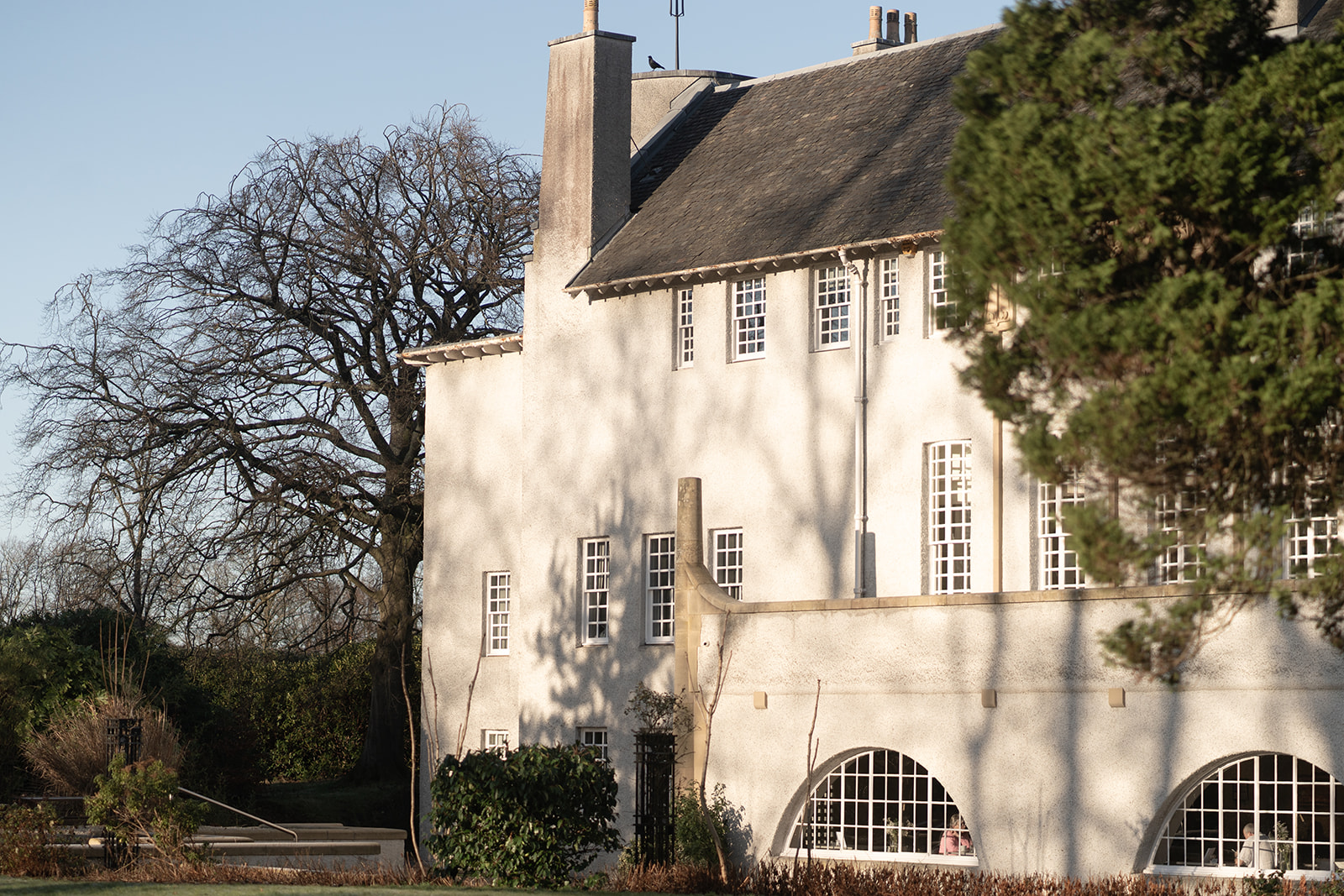
House for An Art Lover
Glasgow, United Kingdom
The House for an Art Lover in Glasgow is an arts and cultural centre offering a year-round programme of exhibitions, events, residencies, courses, and public engagement opportunities spanning art, design, and architecture. It supports artists through residencies, commissions, and classes within its unique spaces inspired by Charles Rennie Mackintosh's designs. Located in Bellahouston Park, it provides exhibition areas, a cafe, and facilities for creative activities.
Explore United Kingdom
More city guides
Opportunity Intelligence
Ready to find your next residency?
Get a personalized shortlist — scored against your practice, discipline, and what you need right now.
See how Intelligence works →