City Guide
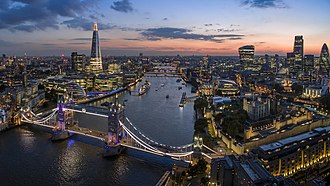
London, United Kingdom
How to use London’s residencies, neighborhoods, and networks to actually move your practice forward
Why London is worth the chaos
London can be loud, expensive, and exhausting — and still, artists keep coming because the city gives you something rare: intense access. Access to museums and archives, curators and peers, studio ecosystems, and a huge variety of residency models, from heritage houses to corporate offices and long-term studio awards.
If you’re thinking about a residency in London, the real question isn’t “Is it good?” but “Is it good for you right now?” This guide walks you through the main residency options and how to actually use the city while you’re here.
Key residency programs in London
Here’s a tour of some of the better-known programmes, what they’re like on the ground, and who they actually suit.
Quinn Emanuel Artists-in-Residence, London
Quinn Emanuel’s London residency embeds an artist inside an international law firm for four months. It sounds odd, but it’s a real studio situation with serious financial backing.
- What you get: a dedicated studio space inside the London office; £3,000 per month for four months (total £12,000); up to £1,000 for materials; an exhibition at the end; at least one work entering the firm’s collection.
- Who it suits: emerging to mid-career artists already based in the London area (or able to be here long-term) who can work steadily over four months and hold their own in a corporate setting.
- Vibe: very focused, production-friendly, and less about communal living, more about using institutional resources and visibility.
How to use it well: treat it like a mini-funded studio year. Build a project that can exist both in a workplace and outside it. Use the exhibition as a chance to invite curators, gallerists, and writers; the firm’s network is corporate, so you’ll need to bring your own art crowd into the picture.
Delfina Foundation
Delfina Foundation is one of London’s most respected research-led residency spaces. It’s not a big messy studio barn; it’s a carefully structured live/work house just off Buckingham Palace Road, with curators and peers constantly passing through.
- What you get: up to three months in a live/work residency with 6–8 residents at a time; close curatorial support; public programmes and presentations; a built-in international network.
- Who it suits: artists, curators, and writers whose work is research-heavy, conceptually driven, or socially engaged. Strong fit if you thrive in conversation and public events.
- Vibe: intense, discursive, quite structured, with clear thematic frameworks and lots of dialogue.
How to use it well: arrive with questions, not fixed outcomes. London’s libraries, archives, and museums are a huge extension of this residency; plan regular sessions at the British Library, Tate’s archive, or relevant university collections. Be ready to share work-in-progress often.
National Gallery residency programmes
The National Gallery residencies occupy a different tier of visibility. They include the Artist in Residence and the Contemporary Fellowship.
- What you get: access to the National Gallery’s collection and staff; an on-site studio; support to create new work; usually a publication and/or exhibition in dialogue with the collection.
- Who it suits: typically mid-career artists with an international profile, often selected via nomination or specialist juries.
- Vibe: deep, slow engagement with art history and museum culture, with quite high expectations of critical and public-facing outcomes.
How to use it well: build a conversation with specific works and curators instead of treating it as just “inspiration.” It’s a good time to experiment with formats that museums understand: series, bodies of work, and coherent propositions.
Gasworks
Gasworks (often appearing via partner calls) is a long-running residency hub in South London with a strong track record for international exchange.
- What you get: roughly three-month residencies; studio space; curatorial support; open studios and events; contact with a group of London-based peers.
- Who it suits: emerging and early-career international artists, plus some UK-based practitioners, who want a process-based residency rather than a big final show.
- Vibe: experimental, conversational, with a balance between production and research.
How to use it well: treat the open studios as an active networking tool. Invite people you want to meet, and keep the work porous enough that it can shift in response to those conversations.
Acme residencies and long-term support
Acme is a backbone of London’s studio scene. It supports over 800 artists a year across multiple sites and also runs residency and awards programmes.
- What you get (residencies): structured residencies such as the East London Fire Station live/work space. One example, via Creative Australia, offers a six-month Fire Station residency with around $30,000 support for visual arts professionals.
- What you get (studios): more affordable, long-term studio options than most commercial providers, with professional management and support.
- Who it suits: visual artists, curators, and arts writers at many career stages who need time, space, and practical support, especially in East London.
How to use it well: think long-term. Acme can be the infrastructure under your practice, not just a one-off residency. Use staff support for planning, networking, and realistic project scopes.
Cluster London Artist-in-Residence
The Cluster residency is short, intense, and fully funded, with a solo show at the end.
- What you get: four-week programme in an East London studio; all expenses covered (materials, food, transport); mentorship and production support; solo exhibition; presentation at the annual Cluster fair.
- Who it suits: artists comfortable working fast under pressure, or with a project that’s already developed and ready to be pushed to exhibition level.
- Vibe: sprint, not marathon. High-output and very public-facing.
How to use it well: arrive with clear ideas and a basic plan. Use the fair and solo show as a platform to test pricing, presentation, and how your work reads in a commercial-adjacent environment.
Van Gogh House London
Van Gogh House is a distinctive heritage-site residency in the house where Vincent van Gogh once lived in London.
- What you get: one-month live/work residencies; a historically layered domestic space; the possibility to present public events, workshops, and subtle “trace” interventions that stay in the house.
- Who it suits: artists and collaborative duos working with site, memory, materials, migration, mental health, or narrative-driven practices.
- Vibe: intimate and reflective, more about depth and context than large production.
How to use it well: treat the house as both subject and collaborator. Spend time on local walks, archives, and conversations with neighbours; pick one thread and follow it through your project.
Studio Voltaire residencies
Studio Voltaire runs a rolling programme of research and production residencies with a serious contemporary art track record.
- What you get: curated residencies tailored to each programme; access to Studio Voltaire’s staff, networks, and audience; potential public presentations.
- Who it suits: UK-based and international artists and curators with practices that sit comfortably in critical contemporary discourse.
- Vibe: ambitious and context-aware, with a strong sense of institutional history and alumni.
How to use it well: think about how your work sits alongside the artists they’ve supported before. This is a good place to sharpen the conceptual clarity of what you do.
Bow Arts residencies and awards
Bow Arts is another key London organisation, especially strong in East and South East London.
- What you get: permanent residencies across different sites plus specific awards. For example, the Chadwell Award at Bow Road offers a recent Fine Art MA graduate a free studio for a year plus a £1,000 materials grant.
- Who it suits: early-career artists, especially those just out of study, who need stability and time to build a body of work.
- Vibe: practical, supportive, plugged into local schools, communities, and public projects.
How to use it well: see it as a launchpad. Use the year to define your practice, build a portfolio, and connect to curators and local institutions via their programmes.
Where residencies actually sit in the city
London isn’t one art neighbourhood; it’s several overlapping ecosystems. Knowing where a residency is based helps you understand its rhythm, costs, and connections.
East London: studios, residencies, and DIY energy
Areas like Shoreditch, Bethnal Green, Whitechapel, Hackney, Bow, Stratford, and Walthamstow have long been studio-heavy. Many residencies and studio providers either sit here or feel oriented toward this part of the city.
- What it’s like: high concentration of studios, open-studio weekends, galleries, and project spaces; a mix of long-time residents and rapid change.
- Residency links: Bow Arts sites, some Acme studios and residencies, Cluster’s East London base, plenty of independent spaces.
- Daily life: good transport via Overground, Elizabeth line, and Tube; food and rent vary block by block, but it’s usually cheaper than central zones.
If your residency is here: say yes to open studios and neighbours’ invites. East London is where you can meet a lot of artists quickly just by being around.
South London: independent and community-driven
Peckham, Camberwell, Brixton, Deptford, Southwark, and surrounding areas host an extensive independent art ecology.
- What it’s like: strong artist-led culture, experimental programming, less polished and more community-facing than central areas.
- Residency links: Gasworks, Studio Voltaire, and many studio complexes and project spaces.
- Daily life: slightly lower rent in some pockets, but rising; good bus and Overground links, fewer Tube options in some districts.
If your residency is here: this is ideal for socially engaged and collaborative practice. Local audiences are often open and active; workshops and conversations can have real depth.
Central and West London: museums, galleries, and archives
Soho, Fitzrovia, Mayfair, Kensington, and Bloomsbury hold a dense cluster of museums and commercial galleries.
- What it’s like: expensive, busy, full of institutions: National Gallery, Royal Academy, major commercial galleries, university museums.
- Residency links: Delfina Foundation near Buckingham Palace; National Gallery studios; some smaller programmes tied to collections.
- Daily life: living here is rarely realistic, but commuting in is simple via multiple Tube lines.
If your residency is here: use the proximity to collections. Regular museum visits can feed your work in ways that last long after the residency ends.
North London: growing studio clusters
Harringey, Tottenham, Finsbury Park, and related areas are picking up more studios via organisations like Acme and other providers.
- What it’s like: more spread out than East or South, but with pockets of strong studio communities and relatively better affordability.
- Residency links: some studio-based programmes and long-term spaces sit in or near these areas.
If your residency is here: you get space and time, slightly away from the constant event churn, while still being a tube ride from central exhibitions.
Money, visas, and practicalities
London can either support your practice or drain it. The difference usually comes down to funding, planning, and visa clarity.
Cost of living: honest expectations
Residencies that include housing, stipend, and studio are gold here. If those aren’t covered, budget carefully for:
- Rent: often your biggest expense. Some residencies offer live/work or subsidised accommodation; others expect you to sort your own.
- Transport: the Underground, Overground, buses, Elizabeth line, and DLR are reliable but add up. Contactless payment caps daily and weekly fares, which helps.
- Food and materials: supermarkets and markets vary by area; materials are pricey, so pay attention to residencies that offer a materials allowance (like Quinn Emanuel’s £1,000 or Bow’s £1,000 Chadwell materials grant).
- Studio: if it’s not provided, look into Acme, Bow Arts, SPACE, and other subsidised options rather than purely commercial offers.
Planning tip: check exactly what each residency covers: rent, utilities, studio, travel, visas, materials, per diem. The more those are covered, the more headspace you free up for the work itself.
Visa questions to sort early
If you’re not a UK or Irish citizen, match your visa to the residency activity.
- Short research visits may be possible on a visitor status, but paid work often is not.
- Residencies that pay stipends or fees, or expect public-facing activity, may require a visa that allows those activities.
- Organisations like Delfina, Gasworks, and Acme are used to supporting documentation; ask them directly how previous residents have handled visas.
At minimum, ask the residency:
- Will they provide a formal invitation letter?
- Is the funding considered a grant, fee, or salary?
- Have they hosted artists with your nationality before, and how was it handled?
Transport and daily movement
One of London’s biggest advantages is how easily you can cross between neighbourhoods.
- Core systems: Tube, Overground, Elizabeth line, National Rail, DLR, buses.
- Cards: you can usually tap in with a contactless bank card or phone; no need to buy a specific transit card unless you want certain discounts.
- Art routes: Liverpool Street, Shoreditch High Street, Bethnal Green, Whitechapel, London Bridge, Southwark, Tottenham Court Road, and King’s Cross are frequent starting points for gallery loops.
Practical tip: if your residency doesn’t include a studio, choose accommodation that keeps your regular routes simple. A 45-minute multi-transfer commute sounds fine once; not every day.
Plugging into London’s art community
Residencies give you a base. The city around them is where most of the real connections happen.
Studios, open days, and networks
Some of the strongest networks come from studio providers and long-term organisations:
- Acme – studios and residencies across multiple boroughs.
- Bow Arts – studios, education projects, residencies, open studios.
- SPACE studios – large studio provider with multiple locations.
- Lewisham Arthouse – artist-run with strong community links.
- Studio Voltaire, Gasworks, Delfina Foundation – residency hubs with public programmes.
Open-studio weekends in areas like Hackney Wick, Bow, Deptford, Peckham, Camberwell, Brixton, and Tottenham are one of the easiest ways to meet other artists. Even during a short residency, a single open-studios day can introduce you to future collaborators, studio mates, or curators.
Key events and rhythms
London’s art calendar has a pulse:
- Spring and early summer: many graduate shows, open studios, and outdoor events.
- Autumn: major fairs, intense gallery programming, a lot of international visitors.
- Winter: quieter socially but excellent for museum-heavy research residencies.
Look out for events like Frieze London, London Gallery Weekend, institutional open calls, and large open-submission exhibitions. Even if you’re only in town for a month, time your trip to overlap with at least one of these moments if you can.
Choosing the right London residency for your practice
Not every London residency will be right for you, even if it looks impressive on paper. Match the structure to your actual needs.
- If you need financial stability and a studio: look at Quinn Emanuel, Acme residencies, and year-long awards like Bow Arts’ Chadwell Award.
- If you want research time and dialogue: Delfina Foundation, Gasworks, Studio Voltaire, and collection-based programmes at the National Gallery are strong options.
- If you want an intense production burst and public show: Cluster’s four-week residency or other short, fully funded programmes can give you that push.
- If you’re drawn to site, narrative, and community: Van Gogh House and similar heritage or community-based residencies will feel more aligned.
A useful question to ask yourself: “What has been missing from my practice in the last year?” Time, money, feedback, visibility, community, or research access? Let that answer guide which London residency you chase, and treat the city itself as part of the programme rather than just the backdrop.
Residencies in London

Acme
London, United Kingdom
Acme Studios, established in 1972 and celebrating its 50th anniversary, is a London-based not-for-profit organization that provides affordable studios, work/live spaces, and a comprehensive artist support program. Acme supports over 800 artists across 15 buildings in Greater London annually. The organization offers a range of residency programs, including fully funded and subsidized opportunities tailored to artists at different career stages—from early-career to established practitioners. Acme’s residencies provide financial support, professional development, mentoring, and exhibition opportunities, all within a supportive artist peer community. Their flagship Fire Station Residency offers artists a five-year term to focus on their practice. Acme also engages in various partnerships that extend additional opportunities to resident artists.

Blackhorse Workshop
London, United Kingdom
Blackhorse Workshop, a social enterprise based in London, is committed to opening up access to making for all. The workshop offers a supportive environment for creative practitioners, particularly those early in their careers, who have a strong interest in wood and metal work. The residency provides free desk space in a shared studio, access to professional wood and metal workshops, and regular development support. With a focus on inclusivity, Blackhorse Workshop actively encourages applications from individuals with a strong connection to Waltham Forest, especially from underrepresented backgrounds in the arts. The residency culminates in a public presentation of the resident’s work, offering a valuable platform for emerging makers.
Camden Art Centre
London, United Kingdom
North London contemporary art space offering the Sainsbury Scholarship residency programme for emerging artists, alongside a strong exhibition and education programme.
Explore United Kingdom
More city guides
Opportunity Intelligence
Ready to find your next residency?
Get a personalized shortlist — scored against your practice, discipline, and what you need right now.
See how Intelligence works →