
City Guide
Rotterdam, Netherlands
How to choose and use a Rotterdam residency as part of your practice
Why Rotterdam works so well for residencies
Rotterdam has a very particular energy: less glossy than Amsterdam, more about artists running their own spaces and making things happen on their own terms. If you like institutions but don’t want to be swallowed by them, this balance can be perfect.
You’ll find:
- A strong artist-run ecosystem – studio buildings, collectives, and self-organised initiatives
- Space for experimentation – performance, sound, media art, design, and socially engaged work are very present
- Industrial and waterfront sites that suit installation, site-responsive and architectural practices
- Good institutional neighbours like Kunstinstituut Melly, Het Nieuwe Instituut, WORM, V2_, Kunsthal, and Boijmans-related projects
- International exchange – many host both Dutch and international artists
Most residencies in Rotterdam are embedded in this artist-run fabric. You’re not just visiting a city; you’re plugging into networks that artists built themselves.
Key residency types in Rotterdam
Rotterdam offers a mix of live/work guest studios, long-term labs, and research-based residencies. Below are some of the most relevant formats and what kind of practice they tend to suit.
Het Wilde Weten – live/work in a studio building
Type: artist-run live/work residency
Good for: self-directed visual artists, curators, cultural practitioners who want quiet production time plus a studio community
Het Wilde Weten is an independent artist initiative in central Rotterdam. The residency centers on a 30 m² guest studio inside a building shared with around 16 active artists. The space is set up as a compact live/work unit, usually including a kitchenette, loft bed, wardrobe, and large desk, with a private bathroom and a shared toilet nearby.
What you actually get here is proximity: you’re working in the same building as local artists who use the place year-round. That usually means a welcome moment, some introductions, and the possibility of studio visits if you’re proactive about asking.
They also have a 70 m² project space that guest artists can propose to use for exhibitions, screenings, talks, or other formats. It’s not automatic; you discuss timing so it fits with their existing program.
Money side: there is typically a monthly fee for the guest studio and no internal funding. They can often provide an invitation letter, which is useful for grants in your home country or travel funds.
Who this suits:
- Artists who are comfortable working independently and don’t need a structured program
- People who want an affordable live/work base in walking distance of major institutions
- Artists who like being in a building with peers, but not in a highly curated cohort setup
Het Wilde Weten – Artist in Residency
Stichting B.a.d – collective studio culture
Type: artist-led studio and residency space
Good for: interdisciplinary artists and architects who want to work inside a long-running collective
Stichting B.a.d operates from a former school building, with permanent studios for around two dozen members plus guest studios and project spaces. Since the early 1990s, hundreds of artists and architects have passed through their guest rooms.
The atmosphere is communal rather than residency-as-product. Think shared kitchens, ad-hoc collaborations, open studio moments, and conversations that spill into late evenings. It’s particularly attractive if you want to see how a self-organised collective actually functions over decades.
Who this suits:
- Artists who like a non-hierarchical environment and informal exchange
- Practices that sit between art, architecture, design, and public space
- People more interested in process and community than a polished institutional residency package
You can read an overview of B.a.d through DutchCulture here: Stichting B.a.d on TransArtists
Het Wilde Weten, Duende, and Rotterdam’s tradition of guest studios
Rotterdam has a history of artist-run guest studios dating back to the 1990s. Alongside Het Wilde Weten and Stichting B.a.d, there are initiatives like Duende, another artist cooperative in a former school building. Duende provides permanent studios and a residency program with several large studios and living spaces for foreign artists for multi-month stays.
The key feature here is scale: most of these guest studio programs host only a few artists at a time, which means more direct contact with the resident community and less of a “campus” feel.
Duende – DutchCulture overview
V2_ Lab for the Unstable Media – media art and research
Type: research residency in art, technology, and society
Good for: artists, coders, and researchers working with digital media, networks, sound, and systems
V2_ is one of the most established places for media art in Rotterdam. Their residency formats vary, but typically, residents gain access to working spaces, archives, technical support, and public presentation frameworks such as talks, performances, or online publications.
Housing is usually not included, so you need to budget for accommodation. In return, you get a focused technical and conceptual environment that takes experimental work seriously.
Who this suits:
- Artists who work with software, hardware, networked systems, live coded or audiovisual performance
- People who enjoy writing, research, and discourse as part of their practice
- Practices that benefit from documentation, publishing, or critical framing
V2_ Lab for the Unstable Media
Roodkapje – Hamburger Community residency
Type: interdisciplinary lab / year-long community
Good for: artists working between visual art, music, performance, design, and social practice
Roodkapje’s program, often referred to as the Hamburger Community, invites a small group of artists for a long-term, lab-like residency. It is built around collectivity, experimentation, and public programming. Residents typically develop new work, sometimes in collaboration with mentors and guest practitioners.
The frame is playful and socially engaged. You’re expected to present work, take part in public moments, and consider collaboration as a material in itself.
Who this suits:
- Artists who like hybrid formats and performance-heavy practices
- People who want to work with audiences and communities, not just in the studio
- Artists interested in activism, counter-culture, and non-standard exhibition formats
Brutus Lab – large-scale experimentation
Type: long-term workspace and exhibition lab
Good for: artists needing scale, installation space, and a longer presence in the city
Brutus Lab is part of Brutus Space and hosts artists in an architect’s former villa and adjacent spaces. It can accommodate several artists for medium to long-term stays, often between six and twelve months, with possibilities to work and exhibit on a large scale.
The focus here is giving artists time and freedom to try things that don’t fit in ordinary studio dimensions. If you’re dealing with ambitious installations, sculptural works, or spatial experiments, this is worth looking into.
Who this suits:
- Artists working with large-scale or immersive installations
- Practices that benefit from a long development runway
- People who want to embed in Rotterdam’s scene for more than a quick residency stint
Agora & slower, socially rooted residencies
Some projects in Rotterdam focus on slower, socially embedded residencies. Agora has worked with a Rotterdam pilot hub and “slow” residencies that combine artistic research with public events and collaborations with local partners.
Residencies like this are less about studio production and more about time with people: conversations, listening, co-creation, and building relationships with neighbourhoods and institutions.
Choosing the right Rotterdam residency for your practice
Instead of asking which residency is “best”, it helps to ask what kind of working conditions you actually need.
1. How much structure do you want?
- Low structure, high autonomy: Het Wilde Weten, Duende, and many guest studios are ideal if you want to show up, work, and self-organise your own outcomes.
- Medium structure: Brutus, Stichting B.a.d, and similar initiatives often provide peer networks and some public moments, but you define your path.
- High structure: V2_, Roodkapje, and thematic or curated residencies usually come with clearer expectations, public programs, and mentoring.
2. Do you need housing included?
In Rotterdam, housing is the budget killer. When comparing residencies, look at this first:
- Live/work included: Het Wilde Weten, Duende, many guest studios, and some thematic programs reduce your overall cost dramatically, even if you pay a modest monthly fee.
- No housing: V2_ and certain research or institutional residencies might provide fees or technical support but expect you to arrange your own accommodation.
If a residency does not cover housing, check short-term rentals, sublets, or studio shares early, especially if your stay crosses high-season periods.
3. How public do you want your residency to be?
- Quiet production: Guest studios in artist-run buildings are best if you need to focus, with the option (not obligation) to show work.
- Public outcomes expected: Roodkapje, V2_, WORM-linked programs, and socially engaged residencies usually expect events, presentations, or interventions.
- Research-heavy: Some residencies emphasise process over presentation, but still ask you to share thinking via talks, texts, or informal sessions.
4. How much tech or infrastructure do you need?
- Media and tech-heavy practices: V2_ is the natural anchor, with access to technical support and networks around digital culture.
- Performance and sound: WORM, Roodkapje, and Brutus offer stages, black box spaces, and experimental audiences.
- Studio-based practices: Studio buildings like Het Wilde Weten, Duende, and Stichting B.a.d give you space and community, but you handle specialised equipment yourself.
Living and working in Rotterdam during a residency
A residency will feel very different depending on where you stay, how you move, and how quickly you connect with people. A bit of planning goes a long way.
Neighborhoods artists often use
- Rotterdam Centrum: Walkable, close to major institutions, many events. Great for quick access; more expensive.
- Delfshaven: Historic, residential, culturally diverse, with pockets of artist activity.
- Coolhaven and surroundings: Easy metro access, mixed residential and workspaces.
- Katendrecht: A former harbour district with newer development and growing cultural presence.
- Rotterdam Zuid: Larger, more varied, often more affordable, with strong community projects and cultural hubs.
- M4H / Merwe-Vierhavens: Industrial waterfront with creative spaces and room for large-scale or outdoor work.
If your residency is central but housing is not included, staying along a metro or tram line makes commuting easy and keeps your budget in check.
Cost of living basics
Rotterdam is generally cheaper than Amsterdam, but still a Western European city. Expect:
- Rent: the biggest expense. A live/work residency can save a huge amount, even if you pay a fee.
- Food: supermarkets are reasonable; eating out frequently adds up quickly.
- Transport: public transport is efficient; a bicycle can cut costs and give you more freedom.
- Materials and production: similar to other Dutch cities; specialist fabrication can be expensive, so plan what you can bring or make yourself.
Studios, making, and finding resources
Rotterdam’s studio culture is strong, and residencies are often attached to larger studio buildings. When you arrive, it helps to ask other artists about:
- Shared workshops (wood, metal, print, digital fabrication)
- Photo and video studios
- Rehearsal spaces for performance
- Laser cutting, 3D printing, or electronics labs if you need them
Even if your residency doesn’t offer all of this in-house, the community usually knows where to find it.
Practicalities: transport, visas, and making the most of your stay
Getting around the city and region
Rotterdam is compact, and most art spaces cluster around the centre and older harbour areas. You can move around by:
- Bicycle: often the fastest and cheapest option once you’re set up.
- Metro, tram, bus: reliable and easy for reaching studios and events further out.
- Train: Rotterdam Centraal connects you to other Dutch cities, so day trips to exhibitions or meetings in Amsterdam, The Hague, Utrecht, Leiden, or Delft are simple.
If you’re planning regional networking, the train network turns a Rotterdam residency into a base for a much wider circuit of visits and shows.
Visa and entry considerations
Residencies can help with the artistic side, but you’re usually responsible for immigration paperwork.
- EU/EEA/Swiss nationals: generally have fewer barriers, but still need to respect registration and stay-length rules.
- Non-EU artists: may need a short-stay Schengen visa or a residence permit, depending on the length and nature of the residency.
Before you apply or accept an invitation, ask the host:
- Whether they provide formal invitation letters
- If they can confirm accommodation details in writing (for visa purposes)
- What kind of legal entity they are and whether they have experience hosting non-EU artists
Immigration rules change, so always check the current Dutch government information or speak with your local consulate.
Using a Rotterdam residency strategically
If you think in terms of your wider practice, it helps to decide what you want Rotterdam to do for you:
- Experiment with form: Choose labs like V2_, Roodkapje, or WORM-linked programs where risk-taking is welcome.
- Build a European base: Long-term setups like Brutus Lab or memberships/guest periods in studio buildings are more useful than a brief visit.
- Connect with artist-run networks: Guest studios in Het Wilde Weten, Duende, or Stichting B.a.d plug you into communities that often outlast the residency itself.
- Focus on research or healing-oriented themes: Thematic residencies around social engagement, memory, or collective healing align with practices rooted in testimony and community work.
When you write your application, be specific about why Rotterdam – mention the artist-run initiatives, the media-art infrastructure, the harbour architecture, or particular institutions you want to connect with. Hosts tend to respond well when you show you understand their context and how it fits into your practice.
Used well, a Rotterdam residency is not just temporary studio space; it can become an anchor point in a longer conversation with a city that takes artist-run culture seriously.
Residencies in Rotterdam
Filmwerkplaats Rotterdam
Rotterdam, Netherlands
Filmwerkplaats Rotterdam is an artist-run lab dedicated to DIY analogue film practice, offering residencies for creating performative analogue motion picture pieces using photochemical techniques. Residencies typically last 4-6 weeks, focusing on experimental film, expanded cinema, and cross-disciplinary collaborations, culminating in public presentations at events like the Back to the Future Festival. Hosted by WORM in Rotterdam, it provides access to a fully equipped 16mm film lab for the entire production process.
Het Nieuwe Instituut
Rotterdam, Netherlands
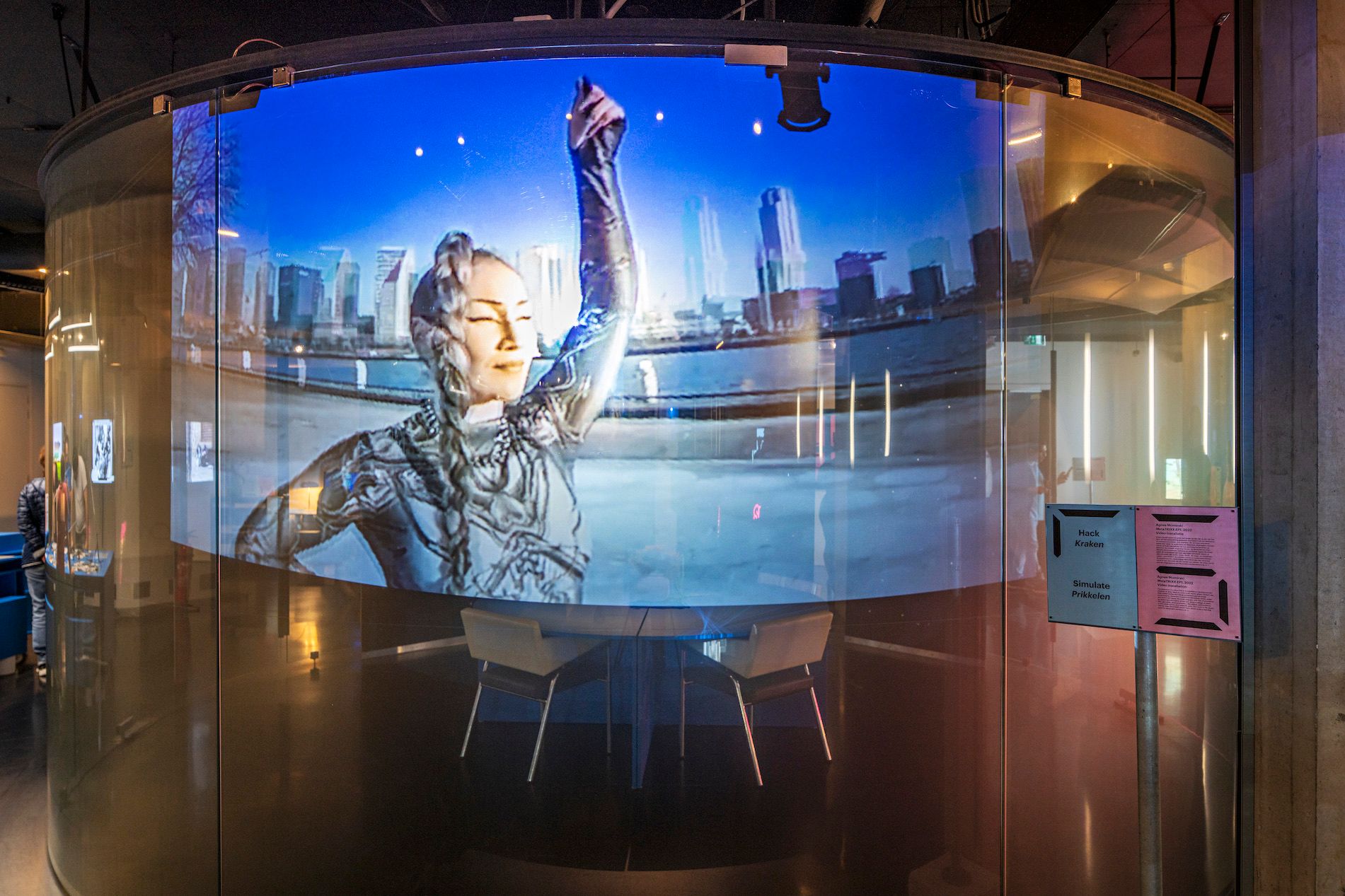
Rotterdam's national institute for architecture, design, and digital culture. Its -1 Digital Lab residency supports early-career artists and researchers working with digital culture.
Het Wilde Weten
Rotterdam, Netherlands
Het Wilde Weten is an independent, artist-run initiative in Rotterdam offering artist studios, a public platform for contemporary art, culture, discussion, and an Artist in Residency program for Dutch and international artists, curators, and cultural practitioners. The residency enables participants to develop their practice in a 30 m² live/work studio within a building shared with 16 active artists, promoting cultural exchange and connections to Rotterdam's vibrant art scene. It includes facilities like a loft bed, kitchenette, private shower, shared kitchen, bicycle, and internet, but provides no stipend or additional funding.
Explore Netherlands
More city guides
Opportunity Intelligence
Ready to find your next residency?
Get a personalized shortlist — scored against your practice, discipline, and what you need right now.
See how Intelligence works →