
City Guide
Santa Ana Antigua, Guatemala
A practical guide to residencies tucked inside Antigua’s historic textile neighborhood
Why Santa Ana Antigua works so well for residencies
Santa Ana is a small village attached to Antigua Guatemala, right where a historic textile factory and a contemporary art center meet. You get cobblestones, church ruins, and volcano views, but also studios, archives, and an active arts community. That mix is exactly why residencies have clustered here.
You’re close enough to central Antigua for cafés, galleries, and supplies, but Santa Ana itself stays quieter and more focused. Artists often describe using this area as a base camp: studio work in Santa Ana, research in Antigua, and field trips to Guatemala City, Lake Atitlán, or nearby communities.
Some reasons this area tends to work especially well for a residency period:
- Strong art infrastructure: La Nueva Fábrica and the New Roots Foundation form a serious hub for exhibitions, workshops, and residencies.
- Material culture: Textile history, wood and metal workshops, and craft knowledge are all right there. Great if you like process and materials.
- Community connection: Programs here lean toward public programs, workshops, and shared dialogue, not just private studio time.
- Scale: The scene is small enough that you can actually meet people and build relationships in a few weeks.
If you want a residency that blends research, making, and community engagement in a compact, walkable setting, Santa Ana Antigua is an unusually good fit.
Key residency: New Roots Foundation at La Nueva Fábrica
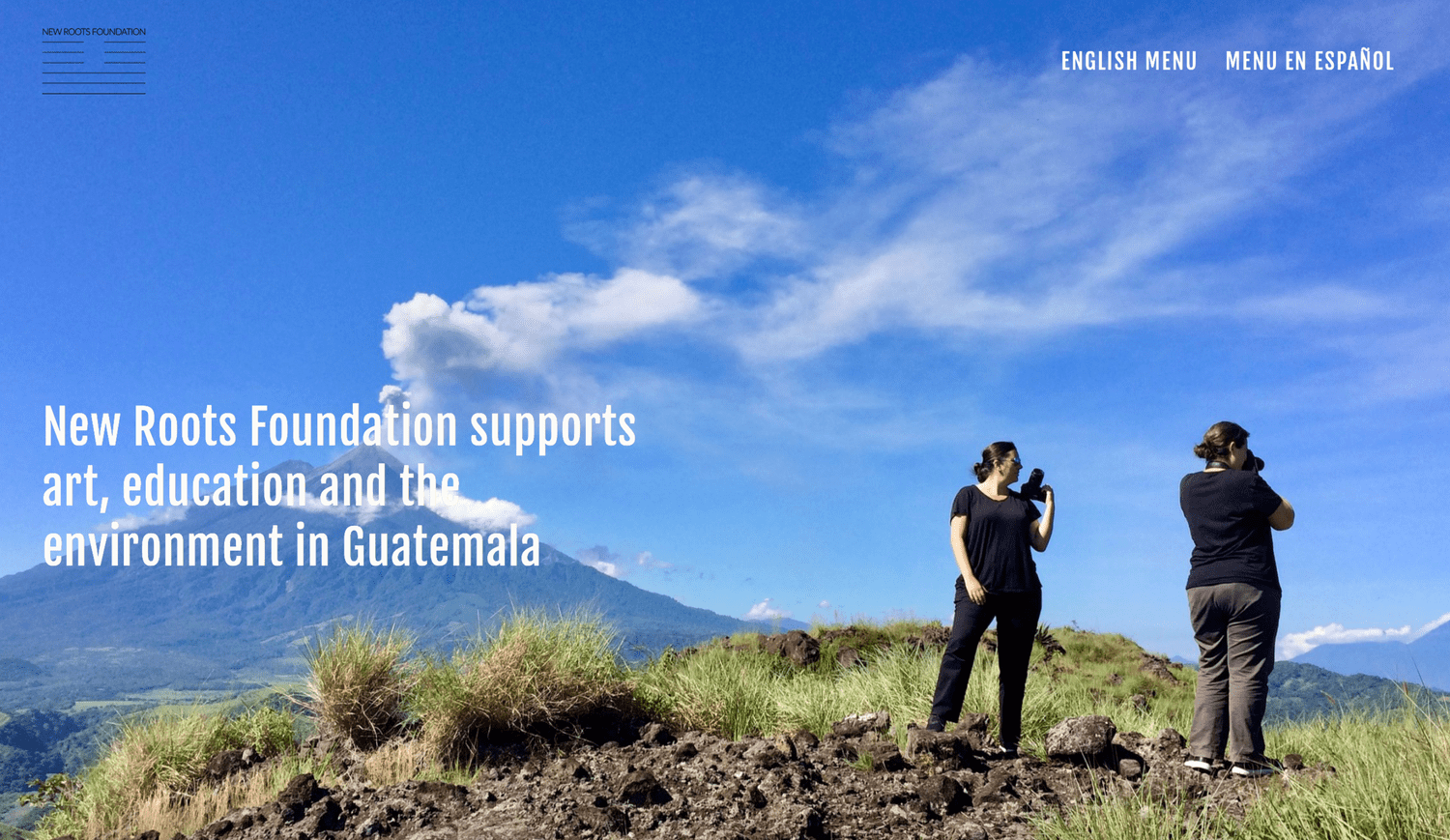
The main player in Santa Ana Antigua is the residency program associated with the New Roots Foundation at La Nueva Fábrica, a contemporary art center built inside a historic textile factory complex.
What the residency offers
The residency is multidisciplinary and designed for artists, curators, scholars, and cultural workers. The core setup usually includes:
- On-site housing: Private apartments or rooms for residents, so you live inside or adjacent to the art center environment.
- Private studios: Dedicated spaces to work, often in dialogue with the surrounding workshops and exhibition areas.
- Production facilities: Access to textile looms (manual and sometimes mechanical), and wood/metal workshops for fabrication and experimentation.
- Exhibition and public spaces: Galleries, project spaces, and flexible areas for talks, screenings, or performances.
- Mentoring and dialogue: Curatorial or program support to help shape your project, plus access to local and visiting artists.
- Program support: Many cycles include airport transfers, a stipend, and help integrating into local networks.
Residencies typically run from 2 to 8 weeks, long enough to start something substantial, test ideas, and connect with the community.
Who this residency is good for
This program is especially well-suited if you:
- Work in visual arts, installation, textiles, performance, or interdisciplinary practices.
- Are a curator, researcher, or cultural organizer wanting time with archives, local histories, or community-focused work.
- Prefer residencies with structure and public outcomes rather than pure solitude.
- Enjoy thinking through material processes (textiles, wood, metal) alongside conceptual research.
- Want to engage with local communities through workshops, talks, or collaborations.
If you are looking for an isolated retreat where no one expects to see your work, this is not that. If you want conversation, feedback, and public interfaces, it lines up very well.
Public programs and expectations
La Nueva Fábrica is not just a residency building; it is a working art center. You are stepping into an environment that regularly hosts:
- Exhibitions and project shows
- Artist talks and lectures
- Workshops for adults and children
- Open studios
- Community-based activities and partnerships
Residents are typically encouraged (and often supported) to share work in progress, lead a workshop, or otherwise connect publicly. This can mean anything from a small open studio to a site-specific intervention or talk.
If you are planning a project, it helps to build in at least one public-facing component that can function within these formats.
How applications usually work
The New Roots Foundation residency generally uses a structured application process. While specifics can change, the usual elements include:
- Portfolio or documentation of recent work
- CV with relevant practice and exhibition history
- Artist statement and/or research statement
- Project proposal tailored to Santa Ana and La Nueva Fábrica
- Sometimes a final interview (online) with staff or curators
To maximize your chances, anchor your proposal in something the site can truly support: textiles, archives, collaborative workshops, community-specific research, or anything that could reasonably live in that building and its networks.
You can read more about La Nueva Fábrica and the New Roots Foundation here:
- New Roots Foundation official site
- New Roots Foundation on TransArtists
- La Nueva Fábrica at Fundación Paiz / Bienal de Arte Paiz
- Santa Ana Antigua residency listings on Reviewed by Artists
Daily life: where you’ll stay, work, and hang out
Santa Ana itself is small, centered around a church plaza and the former textile factory complex. When you stay there for a residency, your daily radius will usually be:
- Your housing (often on-site or very close)
- Studios and workshops at La Nueva Fábrica
- Short trips into central Antigua for food, supplies, and events
Housing setups
Many Santa Ana–based residencies include housing, which matters a lot for both budget and ease. Typical features for the New Roots Foundation program and similar setups:
- Private or semi-private apartments with bedroom, bathroom, and basic kitchen facilities
- Shared common spaces where you’ll see other residents or visiting artists
- Walking distance to studios and exhibition spaces
Always clarify before you accept:
- Is housing private or shared?
- Are utilities (internet, electricity, water) included?
- Is cleaning provided, and how often?
- Is there a quiet space to work at night if your studio building closes?
Studios and workspaces
Studios at La Nueva Fábrica and related spaces are usually designed as flexible, white-wall environments within industrial architecture. In addition, you gain access to:
- Textile areas: looms and space for weaving, textile experiments, or research connected to the factory’s history.
- Wood and metal workshops: potential for sculpture, installation, and functional builds, sometimes supported by technicians.
- Exhibition halls: not just for finished shows, but for testing scale, lighting, and public presentation.
If your practice is material-heavy, ask practical questions up front:
- What tools are already on-site, and which ones must you bring?
- Are there restrictions on noisy, dusty, or toxic processes?
- What storage is available for large works or components?
- Can the team help you source local materials and fabricators?
Where artists tend to spend time outside the studio
Most residents split time between Santa Ana and central Antigua:
- Santa Ana: studio, home, quiet streets for walking, the plaza, and events at La Nueva Fábrica.
- Central Antigua: cafés to write or draw in, galleries, bookstores, and meeting places with other artists or curators.
- Nearby trips: Guatemala City for museums and larger institutions, or Lake Atitlán and nearby towns for research and rest days.
Antigua is compact and social. Openings, talks, and informal gatherings often happen there rather than in Santa Ana itself, so plan on regular trips into town.
Practical logistics: costs, visas, and transport
Cost of living and budgeting
Compared to major art centers in North America or Europe, daily costs around Antigua and Santa Ana are relatively moderate, but the range is wide. A rough breakdown to help you plan:
- Housing: Often included in Santa Ana residencies. If not, rentals in and around Antigua can vary significantly by location and amenities.
- Food: You can keep costs down by cooking at home and using local markets. Eating at mid-range restaurants daily will add up faster.
- Materials: Basic supplies are accessible, but specialized art materials may be limited or more expensive; consider what you must bring.
- Transport: Tuk-tuks and short taxi rides within Antigua/Santa Ana are generally manageable; longer shuttles to the airport or other cities cost more.
When evaluating any residency offer, ask directly:
- Is there a stipend? If so, how and when is it paid?
- Does the residency cover airport transfers or only local transport?
- Are materials partially funded or entirely on you?
- Are there any hidden costs (membership fees, contributions, event costs)?
Getting to Santa Ana Antigua
You typically arrive via La Aurora International Airport (GUA) in Guatemala City. From there, most visiting artists go straight to Antigua by:
- Pre-booked private shuttle
- Shared shuttle service
- Taxi or ride service arranged through the residency or accommodation
Once in Antigua, Santa Ana is a short ride away by taxi, ride service, tuk-tuk, or sometimes even on foot from certain neighborhoods. Many residencies help coordinate your arrival so you are not troubleshooting transport with luggage and art supplies at night.
Questions to send to your residency coordinator:
- Do you arrange airport pickup, or should you book it yourself?
- What is the safest and easiest route from the airport to Santa Ana?
- Is it normal to arrive at night, or is daytime arrival recommended?
Visa and paperwork
Visa requirements depend entirely on your passport and length of stay. Many artists enter Guatemala on a tourist status for short residencies, but you should always confirm your specific situation.
Before you commit, check:
- How long you are allowed to stay in Guatemala on your passport type.
- Whether the residency’s stipend or any formal contract could affect your status.
- What kind of documentation (invitation letter, address, contact person) the residency can provide.
Most programs are used to these questions and can send a formal invitation letter and clarify how previous residents have handled visas from different countries. Pair their guidance with up-to-date information from the nearest Guatemalan consulate or embassy website.
Local art scene, community, and how to plug in
La Nueva Fábrica as your anchor
La Nueva Fábrica is more than a building. It functions as a node in Guatemala’s contemporary art ecosystem and connects you to:
- Curators and cultural workers tied to the New Roots Foundation
- Artists and researchers from Guatemala and abroad
- Audiences from the Santa Ana community and visitors from Antigua
- Collaborations with initiatives such as Fundación Paiz and the Bienal de Arte Paiz context
Spending time at public programs, even beyond your own events, is one of the fastest ways to understand how local artists are working and how international projects land with audiences there.
Antigua and beyond
While Santa Ana is your residency base, Antigua Guatemala is your orbit. Expect to find:
- Small galleries and project spaces hosting contemporary exhibitions
- Workshops, language schools, and informal educational spaces
- Cafés and bookshops that double as meeting points for artists, writers, and researchers
- Artist-run experiments that come and go over the years
You can also connect to Guatemala City’s larger scene for museums, independent spaces, and lectures, or to communities around Lake Atitlán and other regions if your project involves broader research.
Events, open studios, and sharing work
Residencies in Santa Ana often encourage or support:
- Open studios: casual showings of work in progress with local visitors, peers, and staff.
- Workshops and labs: short sessions for kids, students, or fellow artists related to your practice.
- Talks and screenings: low-pressure formats to share references, past work, or research threads.
- Collaborative projects: processes that link your work with local histories, archives, or community narratives.
If you want your time in Santa Ana to resonate after you leave, think about formats that are easy to document and share: a small publication, a collaborative textile piece, a recorded conversation, or a modest site-specific intervention.
Is Santa Ana Antigua the right residency destination for you?
Santa Ana Antigua tends to suit artists who enjoy a balance of focus and interaction. You are not in a huge metropolis, but you are not cut off either. Instead, you are in a village with direct access to a serious art center and a short hop from a historic city.
Consider Santa Ana if you:
- Want housing + studio in the same general area.
- Value community engagement and are open to public-facing work.
- Are inspired by textiles, archives, and craft traditions.
- Prefer a residency with an active institutional context rather than a fully private retreat.
- Like to build regional networks across Antigua, Guatemala City, and beyond.
You might look elsewhere if your priority is a highly commercial market, a nightlife-heavy urban scene, or a residency where no one ever asks you to show anything. Santa Ana’s strength is its mix of calm, context, and connection.
To get started, explore the New Roots Foundation’s materials, read reviews from past residents on Reviewed by Artists, and sketch a project that truly needs what Santa Ana Antigua specifically offers: history under your feet, looms and workshops at hand, and a contemporary art center built into a former factory.
Explore Guatemala
More city guides
Opportunity Intelligence
Ready to find your next residency?
Get a personalized shortlist — scored against your practice, discipline, and what you need right now.
See how Intelligence works →