
City Guide
São Paulo, Brazil
How to choose the right São Paulo residency, neighborhood, and rhythm for your work
Why artists use São Paulo as a residency base
São Paulo is messy, dense, and incredibly productive for artists. You get a huge contemporary art ecosystem in one place: museums, galleries, artist-run spaces, universities, DIY projects, and quiet domestic residencies that sit right next to all that noise.
If you’re considering a residency in São Paulo, it helps to think about what you actually want:
- Production support – labs, fabrication, and technical help for installation, sculpture, or media work
- Curatorial feedback – studio visits, crit-style conversations, portfolio reviews
- Network-building – connections with curators, galleries, and institutions
- Process and research – space to think, read, write, test things, and work slower
- Collective living – shared houses, communal kitchens, and ongoing events
São Paulo has residencies that hit each of these in different ways. The key is matching the program and the neighborhood to the kind of work you want to do.
FAAP: University-scale support in the historic center
Residência Artística FAAP puts you inside the Lutetia building, in downtown São Paulo, with the backing of a major art university.
The program is aimed at Brazilian artists from outside São Paulo and international artists working in visual arts, communication, or architecture. You stay in one of ten large live-in studios (around 69–79 m²), so your housing and workspace are essentially one large unit inside a historical building.
What you actually get at FAAP
- 2–5 month stays in live/work studios
- Access to FAAP’s technical laboratories – clay, metal, wood, 3D printing, fashion, jewelry, photography, and radio & TV studios
- Integration with the academic environment – talks, open studios, seminars
- Weekly cleaning of studios by building staff
Artists are usually expected to give back to the school community through workshops, classes, or presentations. If you’re comfortable teaching or speaking about your work, that’s a strength here.
Who FAAP suits
- Artists with material-heavy projects who need serious equipment
- Artists who enjoy structured schedules and institutional expectations
- People who want direct contact with students, professors, and curators
FAAP has been running since 2005 and has hosted hundreds of artists. That history matters: it means a built-in alumni network, more clarity in how the program runs, and often stronger visibility when you leave.
Residência Artística FAAP on Res Artis and FAAP on Transartists give solid overviews of the setup.
Alê Espaço de Arte: Short stays with a gallery connection
Alê Espaço de Arte is good if you want a shorter, focused residency that still ends with some kind of presentation in a gallery setting.
Key features
- Residency lengths of 30, 60, or 90 days
- Shared or individual studio space with 24-hour access
- Storage, Wi-Fi, and research materials on site
- Optional curatorial follow-up during your stay
- End-of-residency presentation in the gallery – often research-focused or work-in-progress
- Works produced stay the property of the artist
Who Alê Espaço de Arte suits
- Artists in early or mid-career who want to test work quickly
- People interested in a public moment at the end rather than just quiet studio time
- Artists who work well in a self-directed environment but appreciate curatorial check-ins
This kind of residency works well if you arrive with a clear proposal and a realistic production plan for 1–3 months. It’s less about deep immersion into São Paulo’s entire ecosystem and more about producing work and sharing it professionally.
You can read more on their site: Alê Espaço de Arte – Artist in Residence Program.
Uberbau House: Long-term production in the COPAN building
Uberbau House – Long Term Residencies (Production) is for artists who think in terms of long arcs, research cycles, and slow builds. The program is based in the COPAN building, an iconic modernist structure by Oscar Niemeyer, with workshop facilities nearby.
What stands out
- Residency set up as a long-term program for international artists
- Accommodation in the COPAN building, in a central downtown location
- Access to an Artist Workshop near the city center
- Personalized curatorial support and project accompaniment
- Regular visits from artists and curators
- Open studio or final presentation in São Paulo
Who Uberbau House suits
- Artists working on projects that need time, critique, and iteration
- People who want deep curatorial exchange, not just space
- Artists interested in urban and architectural context – downtown, high-rise, lived modernism
Staying in COPAN is its own experience. You’re surrounded by a vertical micro-city: residents, shops, restaurants, and an intense view of downtown. If your work responds to urban life, architecture, density, or public space, this setting can feed the practice directly.
Details and current formats live here: Uberbau House – Long Term Residencies.
Hermes Artes Visuais: Residency in an art district garden
Hermes Artes Visuais is an independent artist-run space in the Vila Madalena / Pinheiros area. It combines studios for local artists with a residency program for international and out-of-state artists.
What you find at Hermes
- Residency for international and non-local artists
- Access to an environment focused on contemporary art discussions
- Talks, courses, and workshops on site
- Four studios used by resident artists
- Wi-Fi throughout the space
- A quiet garden and calm setting within an art-heavy neighborhood
- Walking or short transit distance to galleries and other spaces in Vila Madalena and Pinheiros
Who Hermes suits
- Artists who function well in a small, community-like environment
- People who want to be embedded in an art district rather than downtown
- Artists who value conversation and exchange alongside studio time
If you like to walk from your studio to galleries, bars, bookstores, and other spaces, this zone works. Hermes offers a combination of calm inside and a very active neighborhood outside.
Program info sits here: Hermes Artes Visuais.
Casa da Pau Brasil: Collective living and experimentation
Casa da Pau Brasil is a domestic residency in the Sumaré district, run out of the house of artists Juliana Pautilla and Jéssica Lauriano. It leans strongly into collective thinking and experimental practices.
What the house offers
- Residency in a private domestic space with accommodations
- A studio shared between three artists at a time
- Access to a room with a dance floor, a large kitchen, and outdoor areas
- Regular activities such as cine-clubs, yoga, meditation, readings, study groups, and workshops
- Space for residents to organize workshops, exhibitions, or open studios
- Connections to a broad network of cultural centers and initiatives in São Paulo
Who Casa da Pau Brasil suits
- Interdisciplinary artists, especially those working with performance, movement, or social practice
- Artists who enjoy shared studios and communal living
- Those who want to experiment with new methodologies, habits, and collective routines
The program is oriented toward experimentation, research, methodology, and collaborative practices. Selection usually happens through open calls. You can explore more context here: Casa da Pau Brasil.
Casa Onze: Intimate, adaptive residency as a home
Casa Onze is an artist residency that treats the house itself as a shape-shifting host for each project. Located on Travessa Dona Paula, it keeps a small scale and a strong focus on integration with local culture.
How Casa Onze works
- The residence is both a home and a point of connection
- International artists are invited to immerse in Brazilian culture beyond tourist mode
- The house is reconfigured for each residency – furniture, décor, and layout adapt to the artist’s needs
- A network of “Onze Amigos” (local collaborators) helps connect residents to São Paulo’s cultural scene
Who Casa Onze suits
- Artists working on research-heavy, intimate, or text-based projects
- People who prefer domestic-scale spaces to large institutional studios
- Artists who work best when the environment shifts around their project
This residency fits practices where slowness, conversation, and sensitivity to place matter more than big fabrication setups.
You can get an overview of Casa Onze’s approach in this piece: Arte al Día – São Paulo: A Journey Through Galleries, Studios, and Residencies.
Where residencies sit in the city: neighborhoods to know
Residency choice and neighborhood go together. São Paulo is huge, and being in the right area can save you hours in traffic and give you the right rhythm.
Vila Madalena
- Known for art galleries, murals, studios, bookstores, and bars
- Home turf for spaces like Hermes and many smaller initiatives
- Good if you want a lively, walkable art zone with a lot happening at night
Pinheiros
- Adjacent to Vila Madalena, with strong gallery presence and venues
- Good metro access (Faria Lima, Fradique Coutinho stations)
- Feels slightly more mixed-use: offices, residential, nightlife
Downtown / Centro / Praça do Patriarca / COPAN
- Where you’ll find FAAP’s Lutetia and Uberbau’s COPAN apartment
- Layers of historic architecture, modern high-rises, and intense street life
- Great for artists looking at urban issues, social dynamics, and public space
Sumaré
- Residential, quieter, still well-connected by metro
- Location of Casa da Pau Brasil
- Good if you want calmer days but easy access to other districts
When you compare residencies, pay attention to how quickly you can reach the areas you care about: galleries in Vila Madalena/Pinheiros, institutions downtown, or other studios and project spaces.
Cost of living: what to budget for
São Paulo can be affordable in some categories and surprisingly expensive in others. Your costs will depend heavily on whether housing is included in your residency.
Main cost categories
- Rent – biggest variable; central and trendy neighborhoods cost more, longer stays are cheaper per month than short-term rentals
- Food – local groceries and street food are usually reasonable; imported items and specialty goods are more expensive
- Transport – public transport is budget-friendly; ride-hailing adds up if you cross the city often
- Production – printing, fabrication, framing, and materials can be moderate or high depending on scale and specificity
Questions to ask residencies
- Is housing included? If yes, is it shared or private?
- Are studio and utilities included in the fee or support?
- Do they support materials or fabrication costs?
- Is there any stipend, and how often is it paid?
- Do they cover any local transport or provide discounts with suppliers?
If you want to compare options across Brazil, you can browse aggregated info and reviews here: Artist Residencies in Brazil — Reviewed by Artists.
Getting around: metro, buses, and distance
São Paulo is large, but for most residency stays you can rely on public transit plus the occasional ride-hailing trip.
Transit basics for artists
- Metro – fast and usually the best way to move across long distances; many residencies highlight their proximity to stations
- Buses – cover a lot of ground but are slower, especially during rush hours
- Ride-hailing and taxis – useful at night, when carrying work, or going to less accessible areas
When you evaluate a residency, look up the address on a map and see:
- How far is the nearest metro station on foot?
- How long does it take to reach key galleries, museums, and universities you care about?
- Will you be crossing the city often, or mostly working within one cluster of neighborhoods?
Being within walking distance of a metro station changes your daily life; it often matters more than being extremely close to any single institution.
Visas, paperwork, and institutional support
Visa requirements depend on your passport and the length and nature of your stay. For many artists, residencies fall into a grey zone between tourist stay and work, so you’ll want clear answers.
Practical steps
- Ask the residency if they provide official invitation letters and what type of visa past participants used
- Check the Brazilian consulate website in your country for current rules for cultural or research stays
- Clarify whether teaching, honoraria, or stipends are considered paid work under local regulations
Institutional programs like FAAP may be more experienced with documentation for international artists, while smaller spaces might be more informal. The main thing is to start this conversation early so you aren’t rushed right before your start date.
When to be there: seasons and art rhythms
São Paulo’s climate is relatively mild, but humidity and rain can fluctuate. Artists often favor the city’s spring and early summer for a balance of activity and weather.
What matters more than temperature is how your residency dates line up with:
- University calendars – if you’re at FAAP or similar, academic terms affect the rhythm of talks and classes
- Gallery seasons – many openings and events cluster at certain times of the year
- Major exhibitions – such as the São Paulo Biennial cycle, which can amplify networking possibilities
Residencies handle timing differently: some work by semesters, some by rolling admission, others by specific open calls. When you’re planning, treat applications as part of a longer timeline so your residency aligns with your production schedule and any big events you care about.
How to choose between São Paulo residencies
Instead of asking which residency is “best”, it helps to ask which is best for your current project.
Good filters to use
- Project type
- Heavy fabrication or mixed media – look at FAAP and Uberbau (for workshop access and tech support)
- Research, writing, intimate installation – consider Casa Onze or Hermes
- Performance, movement, collective practice – Casa da Pau Brasil stands out
- Short, exhibition-oriented push – Alê Espaço de Arte fits well
- Structure vs. freedom
- Want high structure? University programs and curated long-term residencies give you schedules and obligations.
- Want looser time? Domestic or independent spaces often leave more room to design your own rhythm.
- Scale of community
- Large, institutional environment – more contacts, more events
- Small house or studio – deeper, slower conversations with fewer people
- Neighborhood energy
- Downtown – intense, urban, often louder and more compressed
- Vila Madalena/Pinheiros – art district energy, nightlife, walkability
- Sumaré – calmer, more residential, but still connected
When you’re comparing programs, send specific questions, like:
- Can you describe a recent resident’s project that worked well there?
- How many artists are on site at the same time?
- Is there a public component at the end (open studio, exhibition, talk)?
- How much one-to-one feedback do residents usually receive?
Those answers reveal more about the residency’s personality than promotional text alone.
Using reviews and networks
Hearing directly from artists who’ve been there makes a big difference. You can cross-check programs, city experience, and what daily life actually feels like.
For Brazil, a useful starting point is:
- Reviewed by Artists – Residencies in Brazil – search by city and filter for São Paulo; read reviews that mention housing, studio conditions, and community
- Listings on Res Artis and Transartists – helpful for basic facts and links
If you already know artists who have worked in Brazil, reach out to them with specific questions about safety, transit, and production logistics. São Paulo has a lot to offer, but the fit depends on the rhythm you want, the scale of your project, and how much structure you like around your practice.
Once you’re clear on those three, São Paulo’s residency options become much easier to sort through.
Residencies in São Paulo
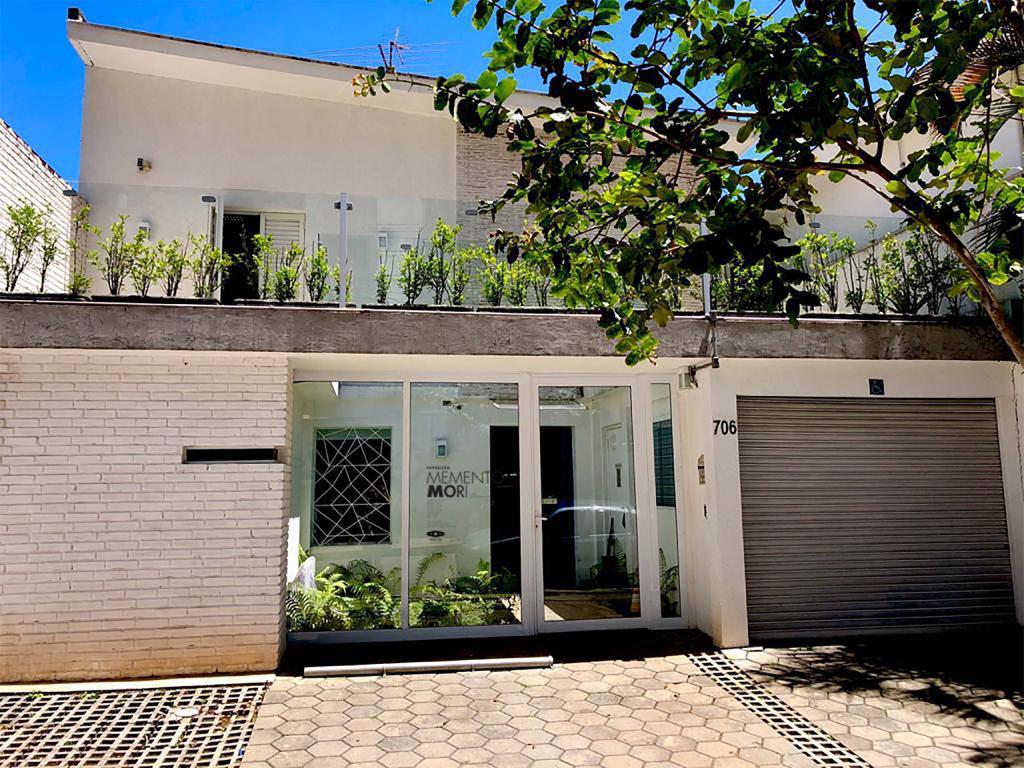
Alê Espaço de Arte
São Paulo, Brazil
Alê Espaço de Arte in São Paulo offers an artist residency program providing 24-hour access to a shared or individual studio, Wi-Fi, materials storage, optional curatorial support, and a one-week exhibition at the end of the stay for artists to develop visual arts projects. Residencies last 30, 60, or 90 days in the Brooklin neighborhood, fostering immersion in local culture and collaboration without providing housing, though assistance in finding accommodations is available. All works produced remain the property of the artist, with the program supporting early-career visual artists through experimentation and visibility.

Associação Cultural Videobrasil
São Paulo, Brazil
The Videobrasil Residency Program, run by Associação Cultural Videobrasil in São Paulo, Brazil, supports artists and researchers primarily from the Global South through scholarships, commissions, and exchanges tied to its festivals and international partnerships. It fosters connections between artists, organizations, and communities across five continents, enabling participants to enrich their practices by engaging with new contexts and interlocutors. Established with pioneering efforts since 1989, the program helps map new artistic cartographies via a network of national and international partners.
Canteiro
São Paulo, Brazil
Canteiro — Artist Residency ProgramTime and space for research and production Artistic mentorship programThe resident artist will have the opportunity to focus on the development of their research in a vibrant environment, where people and ideas are constantly circulating.Our multimedia studio, with acoustic treatment and 70 square meters, provides an ideal space for projects involving video, sound art, performance and new genres. The resident will be able to
Explore Brazil
More city guides
Opportunity Intelligence
Ready to find your next residency?
Get a personalized shortlist — scored against your practice, discipline, and what you need right now.
See how Intelligence works →