
City Guide
Stavanger, Norway
How to plug into Stavanger’s residencies, institutions, and communities as a visiting artist or writer
Why artists choose Stavanger
Stavanger is compact, coastal, and surprisingly dense with culture. You get a mix of contemporary art, public art, literature, and critical writing, all knitted together by a fairly active municipal and regional support structure. You can walk between most key venues, and the distance between the library, an artist-run space, and the harbor is often just a few minutes on foot.
What draws many artists here is the mix of:
- Contemporary art and art writing – strong focus on criticism, discourse, and research-based practice.
- Public and socially engaged work – residencies often include talks, workshops, or publications.
- Regional connection – Stavanger sits in Rogaland, with quick access to west-coast landscapes and smaller towns.
- Scale – small enough to actually meet people, big enough to have real institutions.
If you prefer residencies that involve exchange rather than total isolation, Stavanger’s programs fit that ethos. Many are built around open studios, readings, or texts that stay in circulation after you leave.
Key residency programs in and around Stavanger
There isn’t a single “one-size-fits-all” residency here. Instead, you get a handful of distinct formats: artist-run exhibition residencies, art-writing programs, and a nearby regional residency in Sandnes.
Studio17: artist-run residency and exhibition space
What it is: Studio17 is an artist-run contemporary art venue in Old Stavanger. It invites artists for short-term stays that typically combine residency time with a public presentation in the space.
What to expect:
- Free accommodation via an artist apartment provided by Stavanger Municipality.
- An artist fee that is meant to cover your work, travel, and production costs during the stay.
- Space and support to set up an exhibition, show work-in-progress, or run a workshop.
- A close connection to the local scene, thanks to the artist-run structure.
This is not a “hide in a cabin and paint” residency. Studio17 tends to suit artists who like to share process, try out experimental formats, and interact with visitors. The space is right in Old Stavanger, so you’re in the middle of a historic area with a steady flow of local audiences and tourists.
Good for you if:
- You work in visual or interdisciplinary art and want a direct dialogue with a Norwegian audience.
- You enjoy small-scale, hands-on contexts where you meet the organizers and regulars face to face.
- You’re happy to shape a public moment: exhibition, talk, screening, or workshop.
CAS Residency in Art Writing
Organizer: Contemporary Art Stavanger (CAS)
Focus: The CAS residency centers on art writing, criticism, and research. It’s built for writers, critics, curators, and researchers who want concentrated time to work while also being plugged into the Stavanger art ecosystem.
What it offers:
- A self-directed residency for independent research and writing.
- Introductions to local institutions and practitioners in Stavanger and the Rogaland region.
- Potential public outcomes such as talks or texts, depending on the edition and your proposal.
The CAS residency encourages deep engagement with contemporary art practice, not just background essays written from afar. You’re expected to be mentally present in the scene, even if you’re quietly writing for most of the day.
Good for you if:
- You identify as an art writer, critic, curator, or researcher.
- Your project benefits from on-site conversations with artists, curators, and local institutions.
- You want to connect your writing to actual practices happening in a specific city, not just theory.
“Itchy Fingers” – Writing Residency on Art Books
Organizers: CAS – Contemporary Art Stavanger and Kiellandsenteret at Sølvberget Library and Culture Centre.
Focus: A short writing residency built around art books and public collections. The title comes from a phrase by Stavanger writer Alexander Kielland, and the residency takes place at Sølvberget, the city’s main library and cultural hub.
What it typically includes:
- An honorarium for your writing.
- Travel support.
- Free accommodation.
- A per diem for daily expenses.
- Access to Sølvberget’s writing room (Skrivestuen).
- A festival pass for the Kapittel festival for literature and freedom of speech, if it coincides.
- Introductions to local art and literary institutions.
- Publication of one or two texts through CAS and the library’s channels.
- Participation in at least one public event, often a panel or conversation.
Your task is usually to respond to the library’s art book collection through criticism, essay, or more experimental writing. It’s a great setup if you enjoy working with archives, collections, and the politics of how art is documented.
Good for you if:
- You’re a writer, critic, or artist with a strong text-based practice.
- You like working with libraries, books, and collections as material.
- You want your residency to result in a published text and some public conversation.
AIR Sandnes: regional neighbor to Stavanger
Location: Sandnes, a city that forms part of the same metropolitan area as Stavanger.
Focus: A professional residency for Norwegian, regional, and international artists. The exact structure and offer can vary by year, but it typically functions as a platform for contemporary art production and presentation.
Why this matters for a Stavanger guide: In practice, artists move freely between Sandnes and Stavanger. Exhibitions, meetings, and openings in one city often pull audiences from the other. If you’re based at AIR Sandnes, you can still tap into Stavanger’s institutions and events with a short train or bus ride.
Good for you if:
- You’re open to being slightly outside Stavanger while still using its scene.
- You want a residency that feels integrated into a broader regional context.
- You’re comfortable commuting for openings, meetings, or research trips.
Stavanger’s Berlin apartment for local artists
The municipality of Stavanger provides an artist apartment in Berlin for professional artists who are based in Stavanger, often with an associated travel grant. This isn’t a residency in Stavanger, but it shows the city’s commitment to international exchange and mobility for its artists.
Why does this matter to you as a visiting artist? It signals that Stavanger’s support system is long-term. If you end up relocating or building a strong link with the city, you’re entering a context that values outward-facing work and international connections.
Costs, daily life, and what to budget for
Norway generally has a high cost of living, and Stavanger is no exception. The good news: many residencies here offer housing and some form of stipend or honorarium, which can make the stay workable.
Main cost factors:
- Food – Groceries are manageable if you cook, eating out is pricey.
- Alcohol – Expensive. Budget this carefully if it’s part of your social life.
- Transport – Buses and occasional taxis; less of an issue if you’re centrally based.
- Materials and printing – Varies by practice; bring small, specific items if they’re hard to source or much cheaper at home.
- Social and professional life – Coffees, occasional meals, and tickets to events can add up.
If your residency covers accommodation and includes a stipend or fee, your main recurring expense will be food and basic daily costs. If not, you’ll need a more substantial budget, especially for rent or studio space. Many visiting artists treat residencies here as concentrated working periods with carefully planned spending, rather than extended city breaks.
Where residencies are and how the city is laid out
Stavanger is walkable, and that’s a big advantage. The main areas you’ll likely interact with as a resident artist are fairly close together.
Old Stavanger (Gamle Stavanger) and sentrum
Old Stavanger, with its wooden houses and cobbled streets, is where Studio17 is located. It connects directly to the city center and harbor. Staying or working here means:
- Easy walking distance to the library, harbor, and many cultural venues.
- Atmospheric surroundings and a lot of foot traffic in certain seasons.
- Quick access to cafés and shops, which makes short studio breaks easy.
If your residency is based at Studio17 or nearby, you can keep your daily logistics very simple: walk to the studio, walk to events, walk home.
Vågen and central harbor area
This is the commercial and social core. You’ll pass through it frequently for groceries, cafés, or events. It’s close to Sølvberget Library and Culture Centre, so if you’re on an art-writing or “Itchy Fingers” residency, this will be your natural daily orbit.
Storhaug, Eiganes, Våland
These are residential districts within or close to walking distance of the center:
- Storhaug – Often popular among younger residents and creatives. Slightly more mixed and urban, with a local feel.
- Eiganes and Våland – Quieter and more residential, suited to those who want a calm base and don’t mind a short walk or bus ride.
If your residency housing is in any of these areas, check walking times to the city center and the bus connections. In practice, many artists are happy to walk 15–25 minutes each way, especially in the lighter seasons.
Sandnes and the wider region
Sandnes is linked to Stavanger by rail and road and is often treated as part of the same cultural area. If you’re at AIR Sandnes, expect to move between cities for openings, meetings, or research. The travel times are short enough that this feels like commuting within a metropolitan region rather than a separate trip.
Institutions and spaces you’ll probably interact with
Residencies here are as much about who you meet as where you sleep. A few names will keep coming up in conversations:
Contemporary Art Stavanger (CAS)
CAS is a key player for art writing and critical discourse. Beyond hosting residencies, CAS runs editorial projects, publishes texts, and organizes talks and events. If your work involves writing, curating, or research-based practice, this is a central hub to connect with.
Studio17
Studio17 is both a residency site and a public venue. Even if you’re not a Studio17 resident, it’s worth attending openings and events there while you’re in town. The artist-run model often means the programs are adventurous, rough-edged in a good way, and rooted in the concerns of working artists rather than institutional branding.
Sølvberget Library and Culture Centre
Sølvberget is Stavanger’s main library and cultural center and a key partner for the Itchy Fingers residency. It houses:
- Public art book collections.
- Exhibitions and thematic displays.
- Events for literature, film, and debates.
- The writing room used by residency writers.
If you’re an artist working with text, archives, or socially engaged practice, Sølvberget can easily become your “second studio.”
Other institutions and contacts
Depending on your project, residency organizers may also connect you to:
- Municipal art offices and public art coordinators.
- Artist-run initiatives and project spaces beyond Studio17.
- Regional museums and cultural centers in Rogaland.
The scene is fairly relationship-based. Don’t be shy about telling your host what you’re working on and what kinds of connections would help. Simple conversations often lead to studio visits, interview opportunities, or field trips.
Getting there, getting around, and visas
Arriving in Stavanger
Most artists fly into Stavanger Airport, Sola (SVG). The airport is close to town, and you can reach the center by bus or taxi in a short time. Some residencies will meet you on arrival or send a clear guide; clarify this in advance so you know what to expect after landing.
Moving around the city
The city center is compact and walkable. For most central residencies, you can rely on:
- Walking – often the fastest and most reliable option.
- Bus – good for reaching more distant neighborhoods or Sandnes.
- Taxi – useful late at night or with heavy materials, but expensive.
If you’re working more regionally, researching landscapes, or visiting towns outside the bus network, a car might be useful, but most residency-focused stays in Stavanger itself are manageable without one.
Visa basics
Norway is part of the Schengen Area. For many artists, short stays for cultural work are possible on a visa-free or short-stay basis, but rules depend heavily on your passport and the length and nature of your stay.
What you should do:
- Ask your residency for an official invitation letter with dates, purpose, and funding details.
- Clarify whether your stay is considered a short cultural visit, work, or something that needs a specific permit.
- Check your country’s requirements for Schengen travel and any work-related activity.
Because many residencies here offer honorariums or fees and public presentations, it’s smart to be very clear on the legal framing of your stay before you book tickets.
Seasonality and timing your residency
Stavanger’s mood changes with the seasons. The right time to come depends on your work rhythm and your tolerance for weather.
- Spring – Often a sweet spot: lighter days, some cultural energy, fewer tourists than peak summer.
- Summer – Long days, more festivals and events, more visitors. Great for public engagement, less great if you dislike crowds.
- Autumn – Still active culturally, and often linked to literary and art events. Good for residencies tied to festivals or institutional calendars.
- Winter – Darker and wetter, but can be productive studio time with fewer distractions.
Some residencies, especially those with fixed yearly cycles, align with specific seasons or festivals. If you want your stay to overlap with certain events, ask your host how different time slots feel on the ground.
Community, events, and how to plug in
Stavanger’s art community tends to be intimate and conversation-driven. You’ll often meet the same people across residencies, lectures, and openings, which is a plus if you’re proactive about building relationships.
Kapittel festival
The Kapittel festival for literature and freedom of speech is one of the city’s major cultural events, often tied to library- and writing-based residencies. For artists and writers, it offers:
- Talks, panels, and readings featuring local and international voices.
- Opportunities to hear broader debates on politics, literature, and art.
- Networking chances with people working across art, publishing, and activism.
If your residency overlaps with Kapittel, plan for a more outward-facing schedule and leave space for events—you’ll likely come away with new references and contacts.
Open studios, talks, and workshops
Residencies at Studio17, CAS, and other spaces often ask or encourage you to host something public: an open studio, a talk, a reading, or a workshop. These events are often informal but well-attended by peers and local audiences.
Tips to make the most of it:
- Prepare a concise, clear way to explain your project to a mixed audience.
- Bring or print a short handout, QR code, or link so people can follow up.
- Use the event as a chance to ask questions about local issues, not just present your work.
Is Stavanger a good fit for you?
Stavanger works well for artists and writers who enjoy a balance between quiet working time and structured public moments. It suits you especially if you:
- Work in visual art, interdisciplinary practice, or art writing and criticism.
- Like residencies where you share process and ideas, not just finished outcomes.
- Are interested in publication, discourse, and public conversations as part of your practice.
- Prefer a smaller city where people remember you from event to event.
If that sounds like your way of working, Stavanger’s residencies give you a clear framework: focused time, a defined public moment, and a network of artists, writers, and institutions that you can actually get to know in a relatively short stay.
Residencies in Stavanger
CAS Contemporary Art Stavanger
Stavanger, Norway
CAS – Contemporary Art Stavanger is an online art magazine and residency program in Stavanger, Norway, hosting self-directed residencies for writers, critics, and researchers in art writing since . The program emphasizes independent research, critical analysis, and producing texts published on their platform, with specific iterations like the 'Itchy Fingers' Writing Residency on Art Books involving exploration of library collections and festival participation. Residencies typically last two weeks and provide support including accommodation, honorarium, and workspace.
Tou Scene
Stavanger, Norway
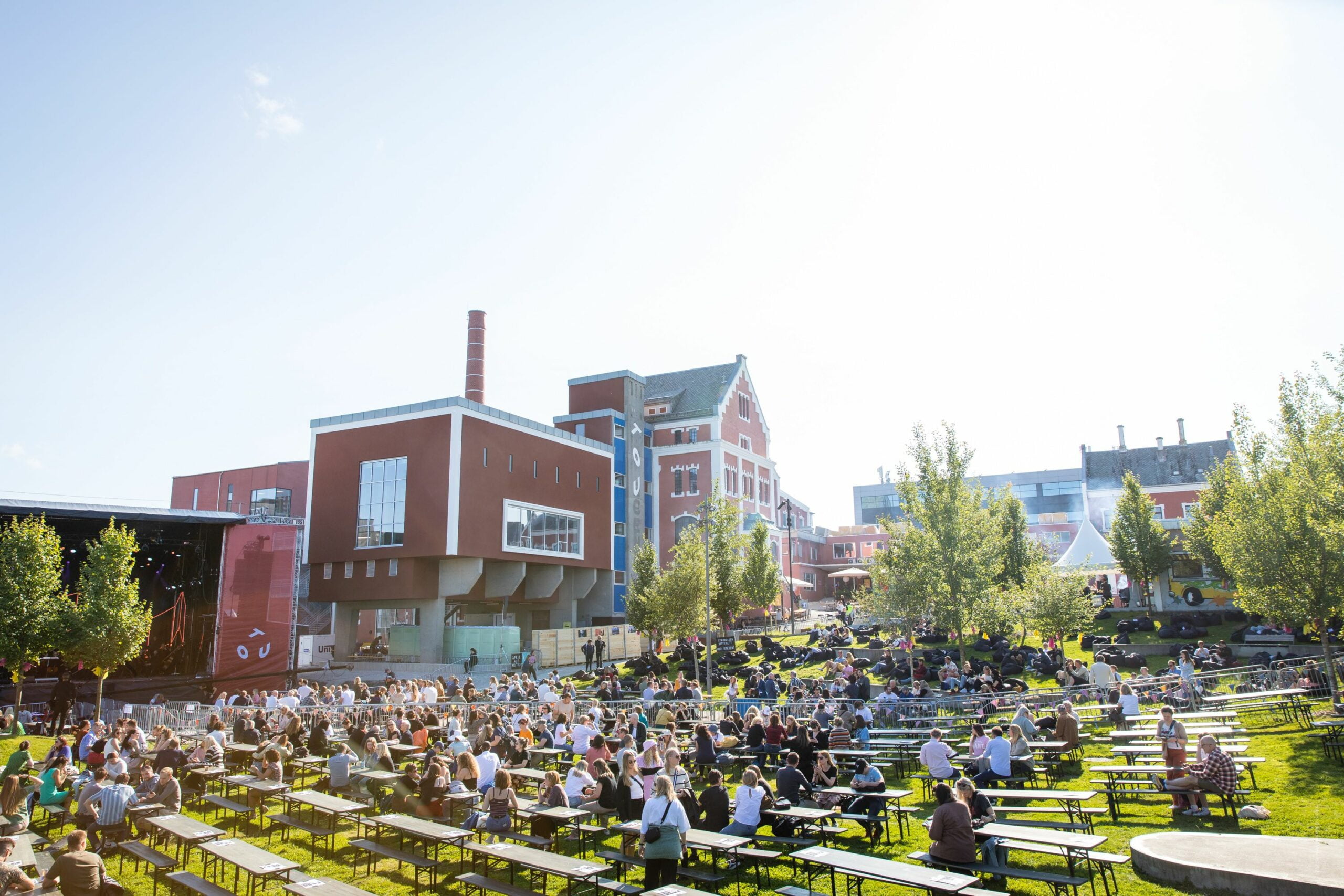
Tou Scene Residency is a program at Tou Scene, a center for contemporary arts in Stavanger, Norway, aimed at strengthening the production of new media, visual, and performance art. Artists are offered free accommodation for up to 2 weeks year-round in a project room with access to studios and facilities in a former brewery by the seaside. Residents are encouraged to work on their production and may optionally present their work to the local network and audience.
Explore Norway
More city guides
Opportunity Intelligence
Ready to find your next residency?
Get a personalized shortlist — scored against your practice, discipline, and what you need right now.
See how Intelligence works →