
City Guide
Tulum, Mexico
How to choose, budget, and actually make work during a residency in Tulum
Why Tulum attracts artists (and who actually thrives there)
Tulum isn’t a classic museum city. You’re not going there for a dense grid of galleries or big institutions. You’re going for an ecosystem: jungle, beach, cenotes, Mayan heritage, wellness culture, hospitality brands, and an international crowd that drifts between retreats, parties, and art events.
That mix can be incredibly productive if your work feeds on environment, site, and people. It can also be distracting and expensive if what you really need is a quiet industrial studio and a predictable routine.
In broad strokes, Tulum tends to suit you if your practice leans toward:
- Site-specific work – installations, land art, interventions that respond to jungle, beach, ruins, or urban space
- Mural / public art – walls, façades, signage, street interventions
- Photography, film, and content creation – the landscape and lifestyle visuals are a big part of the draw
- Performance, movement, or sound – especially when tied to wellness, ritual, or immersive experiences
- Socially engaged and workshop-based practice – education, community art, storytelling with local groups
- Interdisciplinary and wellness-adjacent work – art that intersects with healing, ecology, food, or ritual
It’s less ideal if you depend on:
- Large, cheap studios for heavy production
- A strong formal gallery and museum network
- Low cost of living
- Access to extensive fabrication facilities
Many Tulum residencies explicitly frame their programs around nature, ecology, healing, and cultural exchange rather than just studio time. You’ll see language about “art as healing,” transformation, and deep listening to the land. That’s not just branding; it shapes how the programs are structured and what they expect from you.
Key residency options in Tulum: how they actually differ
Residencies in Tulum sit on a spectrum: solitary and reflective at one end, brand-linked and social at the other. Understanding where you fall on that spectrum makes it easier to pick a program that actually serves your work.
Fou Residency: solitude, ecology, and cultural listening
Website: fougallery.com/residency
Fou Residency runs seasonal, one to two-month stays between the jungle and the Caribbean. The core idea is “Art as Healing, Life as Art.” Instead of stacking your schedule with events, Fou focuses on solitude, self-led exploration, and relationships with the land and local community.
Only one resident is hosted at a time. That means:
- Undistracted time for long-form projects, writing, or research
- Deep environmental immersion – the daily reality of tropical forest and sea
- Introductions to local cultural stewards – artisans, healers, musicians, community organizers, Mayan culture workers
- Potential community work through partners like Casa de Oración Camino al Cielo, where you can offer educational art workshops
This residency makes the most sense if you want to:
- Slow down and work through ecological or healing-focused themes
- Build a project that grows directly out of local relationships
- Have space to process and experiment without a pressure to “perform” constantly
Before applying, clarify details like housing, workspace type, costs, and expectations around community engagement so you understand how much structure you’ll have versus how much you design yourself.
Tulum Art Club & Residencia Gorila: murals, community, and a cultural hub
Website: tulumartclub.com/residencyprogram
Residencia Gorila was a pioneering residency in Tulum and Quintana Roo, active from 2011, known especially for muralism. They reportedly produced more than 50 murals across Yucatán in a few years. Over time, that energy grew into Tulum Art Club, which now functions as a cultural center, gallery, and residency platform.
What you can usually expect from this ecosystem:
- Residency projects tied to site – murals, jungle installations, interventions in hospitality or public spaces
- Gallery and exhibition context – chances to show or activate work rather than just making it and leaving
- A multi-disciplinary community – musicians, filmmakers, photographers, activists, and other artists around
- Focus on collaboration – the motto “crear, crecer, compartir” (create, grow, share) sums up their ethos
This is a good fit if you:
- Work in murals or public art and want actual walls, not just sketches
- Welcome a social, collaborative context instead of isolation
- Want a bridge between residency and public-facing outcomes (exhibitions, events, or public works)
Because the program has evolved over time, always read the current residency description carefully and ask about housing, length of stay, fees or support, and whether there’s a formal open call or it’s more invitational.
Aflora Tulum: art inside a lifestyle setting
Website: afloratulum.com/artist-residency
Aflora is a hospitality and lifestyle venue that also positions itself as an art platform. Their residency language is about “activating creativity” and giving artists a space to express and share their stories, with artist spotlights on their site.
Think of this as a hybrid between residency and brand collaboration:
- Inspiring architecture and design as a backdrop
- Audience exposure to guests and followers, not just local art people
- Visually driven work that photographs well tends to be prioritized
Questions to ask before you commit:
- How long is the residency, and is it fully onsite?
- Is there a fee, or is it supported?
- What kind of workspace do you actually get?
- Are you expected to produce specific pieces, events, or content for the venue?
If you’re comfortable working inside a hospitality environment and you want visibility and imagery as much as quiet studio time, this kind of program can serve you well.
Moniker Foundation residency: urban art with full support
Website: monikerartfair.com/residency
The Moniker Foundation, associated with Moniker Art Fair, runs an international residency in Tulum geared toward urban art, fine art, and illustration with a public-painting angle. According to their description, accommodation in a beachfront hotel is covered, and there’s a curated program of workshops, cultural excursions, and networking events.
Core elements include:
- All-expenses-paid housing in a beach hotel, according to the listing
- Public painting and urban art as core activities
- Structured schedule – workshops, events, and excursions built in
- Networking focus – both with local artisans and the Moniker network
This type of residency works best if you want:
- A defined framework and support rather than total freedom
- Public-facing projects and documentation
- Visibility within an international urban art context
Because terms can change between editions, always double-check current conditions, eligibility, and what “all expenses paid” actually covers.
Nômade Tulum: one-week residency for content creators
Website: nomadetulum.com/residence-form
Nômade’s program is closer to a content creator residency than a traditional artist residency. It’s a one-week stay at a boutique hotel with accommodation, access to wellness programs, local-food meals, and, for some entrants, a roundtrip flight.
The structure tends to include:
- Short, intensive duration – about a week
- Talks, workshops, and events alongside your individual work time
- A visually rich setting designed for photography and video
If your practice thrives in short bursts and is already aligned with content creation, social media, or wellness collaboration, this can be powerful. If you require weeks of focused, messy production, you may find the duration and context too compressed.
Art Village Tulum: residencies plus teaching and performance
Website: artvillagetulum.com/open-call-for-artists
Art Village Tulum runs artist residencies and invites a wide range of creative practitioners: painters, sculptors, muralists, performers, artisans, wellness guides, and experimental eco-artists. The space is framed as an immersive artistic environment with strong emphasis on participation.
What you might do there:
- Residency projects with options to live, create, and exhibit onsite
- Workshops and masterclasses with guests and the local community
- Site-specific installations and murals that transform the space
- Live performances and sensory experiences
This kind of program is ideal if you like teaching, performing, and interacting with audiences. If you prefer a quiet, internal process with minimal obligations, be honest about that before you apply.
How Tulum residencies actually work day-to-day
Tulum’s residency landscape mixes art with hospitality, tourism, and wellness. That affects how your days look and what “success” means during your stay.
Common patterns you’ll see:
- Hybrid spaces: many studios are inside hotels, retreat centers, or jungle compounds instead of classic industrial studios.
- Pop-up exhibitions: shows and presentations tend to be temporary, often tied to specific events, dinners, or openings.
- Commission-driven projects: murals, installations, or design elements that remain in the space after you leave can be part of the deal.
- Social and wellness programming: yoga, sound baths, talks, and dinners may be part of the residency culture.
When you’re comparing programs, ask for specifics:
- Is there dedicated studio space? Indoors, outdoors, shared?
- How many hours per day are genuinely open for your own work?
- What deliverables are expected (murals, performances, workshops, social posts)?
- How is the relationship with local communities set up? Are you introduced to partners, or do you need to find your own connections?
Accept that the environment is sensory and stimulating. The jungle, humidity, and social scene can shift your pace. Planning a residency project that leaves room for adaptation will usually serve you better than a rigid production schedule.
Costs, neighborhoods, and basic logistics
Tulum is expensive relative to many other Mexican cities. If your residency does not fully cover housing and food, you’ll want a realistic budget and a clear understanding of where you’re staying.
Cost of living basics
Costs change with season and neighborhood, but rough monthly ranges for a working artist look like this:
- Shared budget housing in town: around USD $600–$1,200 per month
- Private apartment in town: around USD $1,000–$2,000+ per month
- Beach or high-end jungle stays: often $2,000–$5,000+ per month
Housing is the biggest variable. Food can be reasonable if you cook and eat at local spots; resort restaurants and imported products push your costs up fast. Transport adds up if you stay far from your work site or the beach.
To keep things manageable:
- Look for residencies that include housing in town or in a well-connected area.
- Use a bicycle or scooter if your routes are safe enough and distances reasonable.
- Eat at local mercados and taquerías instead of beachfront restaurants whenever you can.
- If you design a self-directed stay, consider renting slightly longer-term accommodation to negotiate better rates.
Where artists typically stay and work
Tulum is basically split between town, newer development areas, and the beach/hotel zone.
- Tulum Centro: the practical base. More local, better access to services, buses, and cheaper food. Less scenic but more workable day-to-day.
- La Veleta: full of rentals, guesthouses, and wellness spaces. Popular with expat creatives. Good if your residency is loosely structured and you need your own base.
- Aldea Zama: newer, mid-to-upscale development between town and beach. Convenient but pricier, with less of a “local neighborhood” feel.
- Beach / hotel zone: this is where many hospitality-linked residencies are based. Beautiful, inspirational, and expensive, with more tourists and fewer day-to-day services.
- Rural or jungle areas (like around Francisco Uh May): great for nature immersion and land-based work. You’ll rely more on cars or scooters for supplies and town trips.
Your ideal neighborhood depends on your program. If housing comes with the residency, ask exactly where it is and what getting to your studio, beach, or shops will look like every day. That daily commute can shape your energy more than you think.
Getting there and getting around
There are two main ways artists typically arrive:
- Flying into Tulum International Airport and taking a shuttle, taxi, or pickup from your residency.
- Flying into Cancún International Airport and then coming down by bus, shuttle, or rental car.
On the ground, artists mostly rely on:
- Bicycles for short commutes in town and some routes toward the beach
- Scooters or motorbikes for flexibility and speed
- Taxis for beach trips or late nights, though costs add up
- Rental cars for rural residencies, supply runs, or projects that require traveling between sites
- Buses and colectivos for regional trips, less so for daily studio commutes
Roads can be dark, potholed, or busy, so plan your routes and timing with safety in mind, especially if you work late in a studio and head back at night.
Visas, work status, and how “official” your residency is
Many artists enter Mexico on a tourist basis. That often works for short residencies that do not involve local pay or formal employment, but the exact terms depend on your nationality and current immigration rules.
Because residencies can blend tourism, teaching, and work, be clear on how your program is structured. Clarify with the host:
- Are you paid locally for workshops, commissions, or performances?
- Are you expected to sell work or participate in commercial events on-site?
- Is the residency framed as cultural exchange, tourism, or professional employment?
- Can the residency provide an invitation letter or documentation if you need it for your entry?
If your residency includes paid teaching, formal commissions, or long stays, consider talking with a Mexican immigration professional or consulate so your status matches what you’ll actually be doing.
When to go and how to choose the right fit
Tulum’s seasons affect both your comfort and your audience.
- Drier, more comfortable months tend to run through the cooler season, when humidity is lower and tourism is high. This brings more potential viewers and events, but also higher prices and busier spaces.
- Hotter, wetter periods bring humidity, storms, and fewer tourists. Costs may ease slightly, and you might get more quiet, but you also navigate more intense weather.
When you’re deciding which residency to pursue, try asking yourself:
- Do you want solitude and deep focus, or community and events?
- Are you ready to teach, perform, or lead workshops, or do you need a period of research and making without output pressure?
- Does your work align with wellness, ecology, and hospitality contexts, or will it feel out of place?
- How much structure do you want supplied, and how much can you create yourself?
If you want full solitude in nature and time for slow research, a program like Fou Residency might serve you. If you want public murals and community, Tulum Art Club’s ecosystem or public-art-focused programs make more sense. If your practice thrives on image-making and social media, hospitality and creator residencies like Aflora, Nômade, or similar setups will likely be more aligned.
The most successful Tulum residencies tend to be the ones where you treat the environment as a collaborator: respecting local culture, acknowledging the tourism-driven economy, and letting the landscape and community shift how you work. Go in with a clear core project, but leave enough space for the place to re-shape it.
Residencies in Tulum
Casa Xaaninna
Tulum, Mexico
Located in Macario Gomez, Tulum, within the Quintana Roo region of Mexico, the Casa Xaaninna Cultural Residency, also known as "xaan-in-ná" meaning "house of palms" in Maya, offers a serene and sustainable environment for artists, researchers, and curators from around the world. Since its inception in 2013, the residency has been driven by a personal artistic interest to explore and share alternative ways of existing within the contemporary globalized context, using the location itself as a live experiment. This residency is designed around principles of minimal architecture and sustainable living, featuring solar power, organic waste composting, and a low-impact housing model. It supports the creative and cultural exploration of its residents by providing a space that not only respects but integrates into the local ecosystem and cultural fabric. The residency invites artists to immerse themselves in the local Mayan culture while providing modern amenities to facilitate creative work. Residents at Casa Xaaninna are encouraged to engage with the local community and the vibrant natural surroundings which include white sand beaches, underground rivers, and Mayan ruins, making it a culturally rich backdrop for creative inspiration. The program offers flexibility in duration, from 15 days to 90 days, and is tailored to support artists with a self-directed approach to their creative processes.
Moniker Art Foundation
Tulum, Mexico
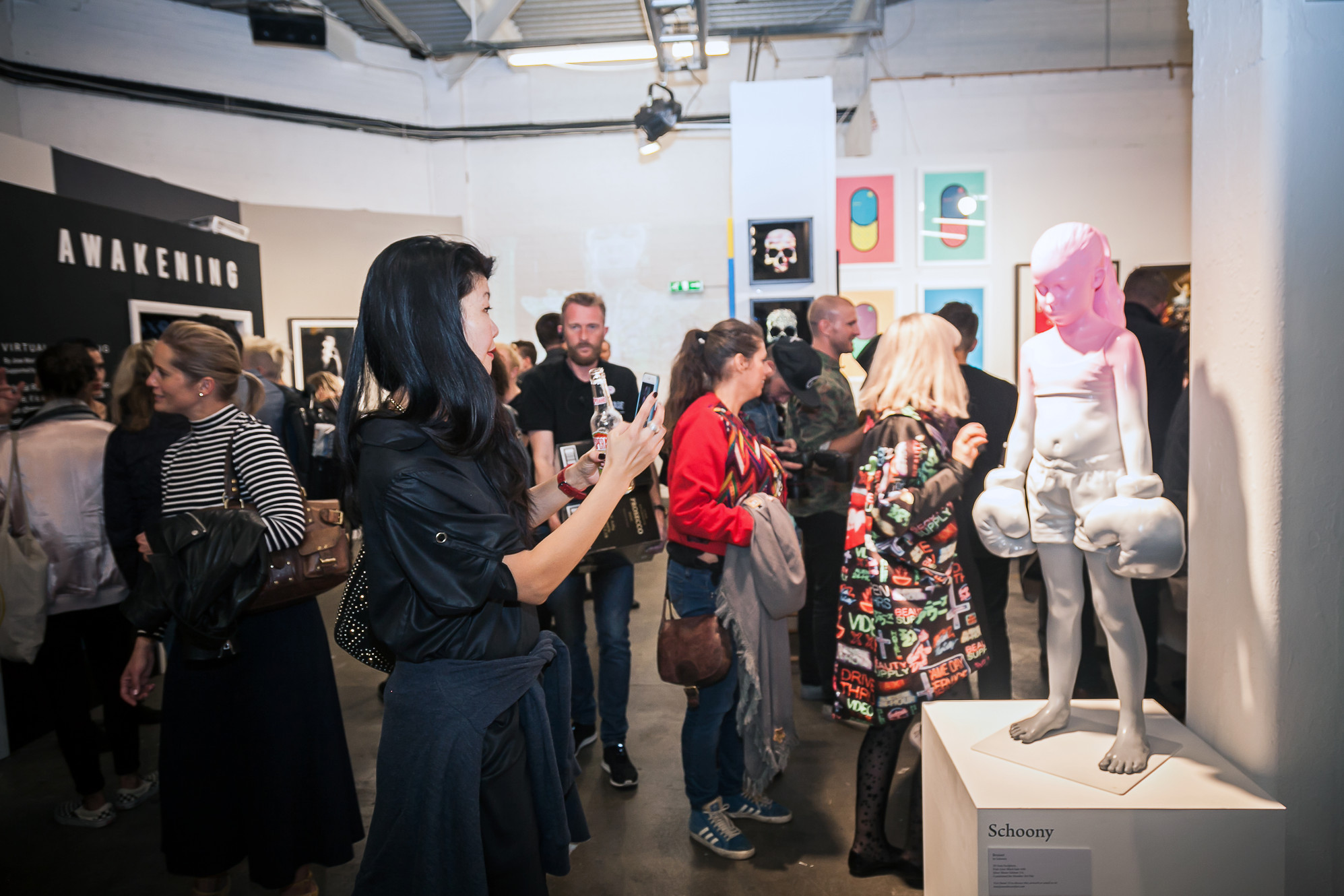
The Moniker Art Foundation offers an inaugural International Artist Residency Program in Tulum, Mexico, for 4 artists (2 international and 2 local Mexican) focused on Urban and New Contemporary art, including urban art, fine art, and illustration. Artists immerse in the Yucatán Peninsula's culture, collaborate on a large-scale public mural with children from the non-profit LADLE, and participate in workshops, excursions, and networking over 10 days. Accommodation is provided at a beachfront hotel with studio space on-site in the jungle and beach areas.
Explore Mexico
More city guides
Opportunity Intelligence
Ready to find your next residency?
Get a personalized shortlist — scored against your practice, discipline, and what you need right now.
See how Intelligence works →