
City Guide
Viborg, Denmark
How to use Viborg’s media-arts ecosystem and residencies to actually get work done
Why Viborg is on artists’ radar
Viborg is a mid-sized city in central Jutland that punches far above its weight in contemporary and media arts. You get a compact, walkable city with a surprisingly dense ecosystem built around animation, digital art, and contemporary visual practice.
If your work touches digital art, XR, animation, projection, or public-space installation, Viborg is worth serious attention. If you’re more focused on material-based studio work but still want institutional support and an international network, it also makes sense.
What makes Viborg interesting for artists:
- UNESCO Creative City of Media Arts status, which brings international digital-art focus and partners.
- Viborg Kunsthal, a central contemporary art institution with its own residency program.
- The Animation Workshop – VIA University College (TAW), a major hub for animation, visual storytelling, XR, and related tech.
- PLASTIC Collective, providing workspace and a digital-arts community for residency projects.
- A scale that lets you build a network fast, without the cost and chaos of a big capital city.
You’re not just dropped into a random small town; you’re stepping into a city with a clear agenda: digital art, public experimentation, and international exchange.
Key residencies in Viborg
There are two main residency ecosystems to understand in Viborg: Riddergade AIR, anchored by Viborg Kunsthal, and the Viborg UNESCO Creative City Artist Residency Program, anchored by TAW and PLASTIC Collective.
Riddergade AIR at Viborg Kunsthal
Host: Viborg Kunsthal
Focus: Professional visual artists, contemporary art, installation, and material-based practices
Duration: Around three months (typically one spring and one autumn round)
Riddergade AIR is designed for artists who want time and space to deepen their practice while plugging into the Danish and international contemporary art scene.
What Riddergade AIR offers
Based on public descriptions from Viborg Kunsthal and residency listings, you can expect:
- Workshop facilities at Viborg Kunsthal – studio and production space anchored in a working art institution.
- Accommodation provided, so you are not paying rent on top of your costs back home.
- Travel grant (e.g. 3,000 DKK in past rounds) to help with getting to Viborg.
- Monthly stipend (e.g. 5,000 DKK in past rounds) to contribute to living, local transport, and materials.
- Practical and artistic assistance from Kunsthal staff.
- Networking with local, national, and international actors in the contemporary art scene.
- Volunteer co-hosts who help you navigate the city, social life, and local context.
Always check the current call to confirm exact amounts, but the structure is clear: housing plus a modest stipend plus travel support.
Who Riddergade AIR is good for
You will probably feel at home at Riddergade AIR if you:
- Identify as a professional visual artist with an existing practice and portfolio.
- Want to develop ongoing work or start a new project with focused studio time.
- Care about dialogue with curators, other artists, and an institutional context.
- Are interested in exhibitions, installations, or conceptual projects that fit a kunsthal context.
- Want to strengthen connections to the Danish and broader Nordic scene.
Riddergade AIR is less about experimental tech infrastructure and more about being embedded in a contemporary art venue. If you are working with sculpture, painting, installation, conceptual practice, or cross-disciplinary projects that sit comfortably in a kunsthal, this is a good match.
How the residency typically runs
Exact schedules change, but historically, the structure has included:
- Three-month stays, with a spring and an autumn slot.
- Gradual build-up of connections through meetings with staff, local artists, and curators.
- Opportunities to present work, informally or as part of a public program.
When you apply, think about how your project can speak to Viborg Kunsthal’s curatorial interests and the local audience. Proposals that show curiosity about the place usually read stronger than “I just need a studio anywhere” pitches.
Viborg UNESCO Creative City Artist Residency Program
Hosts: PLASTIC Collective and The Animation Workshop – VIA University College (TAW)
Focus: Digital art prototypes for public spaces, media arts, XR, animation, and interactive projects
Scope: Artists tied to UNESCO Creative Cities of Media Arts
This residency is built specifically around the idea of digital art in public space. It is not just about making work for a white cube; you are encouraged to prototype, experiment, and test things in real-world locations around Viborg.
What the UNESCO Creative City residency offers
From open-call descriptions and international listings, artists can generally expect:
- Accommodation in a dedicated residency apartment (for example, TAW’s “Cuckoo’s Nest” has been used in past rounds).
- Financial support for production (previously around 25,000 DKK for a project budget) – confirm current details in the latest call.
- Travel assistance so getting to Viborg does not eat your entire budget.
- Consultancy hours tailored to your project, including technical and conceptual support.
- Dedicated workspace at PLASTIC Collective with access to relevant hardware and software.
- Possibility of VFX assistants with skills in tools like Houdini, Unity, and Unreal.
- Access to an international network via the UNESCO Creative Cities of Media Arts.
The core output is a digital art prototype that is accessible to the public in Viborg – in spaces like libraries, parks, parking lots, supermarkets, and other everyday locations.
Who this residency is good for
This residency is designed for artists who are comfortable around technology or eager to work closely with people who are. It makes sense if you:
- Work in animation, games, VR/AR/XR, interactive installations, apps, or video mapping.
- Are interested in public-space projects rather than purely gallery-based work.
- Enjoy prototyping, experimenting, and iterating with tech.
- Want to be embedded in a media-arts ecosystem with students, technicians, and other specialists around.
- Have a project that benefits from collaboration with assistants or consultants.
The application often emphasizes your ability to conceptualize a site-responsive project that can be shown in public spaces and potentially travel to other UNESCO media arts cities.
What is expected from artists
Typical expectations include:
- A publicly accessible presentation of your prototype somewhere in Viborg.
- A work-in-progress showing, for example at a TAW research salon.
- Documentation – photo and video of your process and outcome.
- Clear crediting of hosts according to provided guidelines.
- Some level of engagement with TAW students, staff, PLASTIC Collective members, or local artists.
The host does not retain rights to your work, which is encouraging if you want to tour or further develop your project elsewhere.
Life as an artist in Viborg: practicalities
Cost of living and budgeting
Viborg is cheaper than Copenhagen, but it is still Denmark. Daily life is not low-cost by global standards. Residencies help by covering accommodation and part of your expenses, but you will want your own buffer.
Key cost points to plan for:
- Food: groceries are manageable; eating out regularly adds up quickly.
- Local transport: a bike can cover most of your needs; buses are an option; taxis get expensive.
- Materials and production: wood, printing, electronics, and specialized gear can eat your budget; plan your main buys and fabrication steps.
- Trips to Aarhus or Copenhagen: useful for exhibitions or meetings; factor in train fares.
Riddergade AIR’s stipend and travel grant and the UNESCO residency’s production budget and travel assistance can cover basics and project essentials, but big installations or complex builds might need extra funding or pared-down concepts.
Where artists usually stay and work
Viborg is compact, so you are not choosing between far-flung neighborhoods. Most residency housing and studios are near the center or within short bike distance.
Helpful areas to understand:
- Central Viborg: cafes, shops, basic services, and easy connections to everything else.
- Around Viborg Kunsthal: useful if you are at Riddergade AIR and want to be steps away from your workspace.
- TAW and PLASTIC Collective area: more media-arts oriented, where you will likely work if you are on the UNESCO digital residency.
Most artists get by fine with walking and cycling. The city’s scale actually helps: you spend less time commuting and more time in the studio.
Key art infrastructure in Viborg
If you are planning a residency or just researching, these are the main anchors:
- Viborg Kunsthal – Contemporary art venue, exhibition programs, talks, and the Riddergade AIR residency. Crucial if your work is more gallery- or institution-oriented.
- Use it to meet curators, see what kind of work is being shown, and position your project accordingly.
- The Animation Workshop – VIA University College (TAW) – A major educational and research center for animation, visual storytelling, and related media arts.
- Important for networking with animators, XR developers, and students.
- Relevant events can include research salons, screenings, and presentations.
- PLASTIC Collective – Provides workspace and a local community for digital and media artists.
- Hosts studio space and technical infrastructure for the UNESCO Creative City residency.
- Useful if you need support with software, pipelines, or digital production workflows.
Surrounding this core are local visual artists, curators, volunteers, and students who often play a big role in how quickly you feel connected.
Logistics: getting there, visas, and timing
Getting to and around Viborg
Viborg is not an international hub, but it is well-connected within Denmark.
- By air: Many artists fly into Copenhagen or Billund, then continue by train or bus to Viborg.
- By train: Denmark’s train network connects Viborg to major cities; travel times are reasonable, especially from Aarhus.
- By road: Car rentals or rides can be useful if you are transporting large works or equipment.
Around town:
- Walking: very feasible for day-to-day life.
- Cycling: often the easiest, most flexible option.
- Buses: useful for reaching specific areas or regional trips.
If you are planning to bring large-scale work or heavy equipment, talk to your host early about loading access, storage, and installation options.
Visa and work-status basics
Every residency will give you guidance, but you are responsible for your own status. Broadly:
- EU/EEA artists: generally easier entry for cultural work, but still check registration rules for longer stays and how stipends are handled tax-wise.
- Non-EU artists: may need a visa or permit depending on your nationality and length of stay. Ask the residency for an official invitation letter and confirm what category your stay falls under.
Ask hosts directly about:
- Whether they have experience supporting visas for artists from your region.
- How stipends and budgets are described (grants, fees, etc.).
- Any registration steps once you arrive in Denmark.
When to be in Viborg and when to apply
For work and community, the most active spans are usually:
- Spring – good light, more events, and often one of the main residency periods.
- Late summer to autumn – active institutional programming and comfortable weather.
Residency calls tend to be cyclical, often aligning with these periods. For your own planning, it helps to have ready:
- A clear project description tailored to Viborg and the specific host.
- A concise portfolio with relevant work (especially public-space, digital, or installation projects if you’re going for the UNESCO program).
- A sense of technical needs (software, hardware, fabrication tools).
- A realistic timeline and budget, including what you can scale up or down.
Local art community, events, and how to choose your residency
Community and public engagement
Viborg’s residency ecosystem is community-focused. You are not just left alone in a studio for months.
Common forms of engagement:
- Research salons and talks at TAW – chances to present work-in-progress and get feedback.
- Open studios or presentations linked to Viborg Kunsthal and Riddergade AIR.
- Collaborations with students or local creatives, especially in digital fields.
- Public-space interventions and outcomes spread around the city for the UNESCO residency.
If community interaction is important to you, ask each host about:
- How often artists present publicly.
- Whether there are built-in critique sessions or studio visits.
- How much support you get for outreach and audience engagement.
Riddergade AIR vs. UNESCO Creative City residency: which fits you?
To simplify the choice:
- Riddergade AIR (Viborg Kunsthal) is usually a better fit if you:
- Work primarily in visual art, installation, painting, sculpture, or conceptual practice.
- Want a concentrated studio period anchored in a contemporary art venue.
- Are looking to grow your network with curators and artists around a kunsthal.
- Value a mix of time, space, and modest financial support to sustain your practice.
- UNESCO Creative City Artist Residency (TAW + PLASTIC Collective) is usually a better fit if you:
- Work in media arts, digital art, animation, games, XR, or interactive installations.
- Want to create a prototype for public space, not just a gallery piece.
- Need technical infrastructure, assistants, and consultancy.
- Like the idea of your project having pathways to other UNESCO media arts cities.
Both residencies can be career-building in different ways. When you apply, be very explicit about why Viborg is the right context and how you will use the specific resources each residency offers.
Using residencies in Viborg strategically
If you are thinking long-term, Viborg can be part of a broader strategy rather than a one-off experience:
- Use Riddergade AIR to deepen a body of work and build connections with Danish institutions, then follow up with shows or collaborations in other cities.
- Use the UNESCO digital residency to prototype a public-space piece that can be refined and later installed in other cities or festivals.
- Connect with TAW students and staff if you want ongoing collaborators in animation, XR, or interactive design.
- Stay in touch with PLASTIC Collective and Viborg Kunsthal for future projects, co-productions, or recommendations.
Viborg is small enough that people remember you, and connected enough that those relationships can travel.
Where to research and how to prepare your application
Finding up-to-date calls
For current and future Viborg residency calls and details, useful sources include:
- TransArtists – Viborg Kunsthal / Riddergade AIR
- On the Move for international calls featuring Viborg programs
- City of Media Arts network pages for UNESCO-related residency information
- Reviewed by Artists – Denmark residencies for artist-written reviews
Always cross-check any listing on an external platform with the residency’s own site or PDF call, since conditions and funding levels can evolve.
What to emphasize in your application
To strengthen a Viborg residency application:
- Context-awareness: Show that you understand Viborg’s strengths (media arts, public engagement, institutional networks) and that your project makes sense there.
- Feasibility: Outline what you can realistically achieve in three months with the available budget and infrastructure.
- Engagement: Mention how you’d like to interact with local artists, students, or communities (critiques, workshops, collaborations, public events).
- Technical clarity (for digital projects): List the software, hardware, and support you will need, and where you can adapt if something is not available.
- Future life of the work: If your project can travel or grow after the residency, say so; both residencies appreciate work with a life beyond a single presentation.
Treat Viborg not just as a place to escape to, but as a partner in your project. That mindset tends to come through in proposals and can make the difference when selection committees look at similar portfolios.
Residencies in Viborg
Hald Hovedgaard
Viborg, Denmark
Hald Hovedgaard, located near Viborg in central Denmark, serves as the Danish Centre for Writers and Translators, offering free working residencies since 1999 to Danish authors, translators, and illustrators at the historic manor. The H.A.L.D. program selects four international fiction authors annually to reside and work alongside Danish peers in the main building, while the Hello World Literary Residency invites four published international writers and translators each summer for two-week stays with a €1,000 grant.
Viborg Kunsthal
Viborg, Denmark
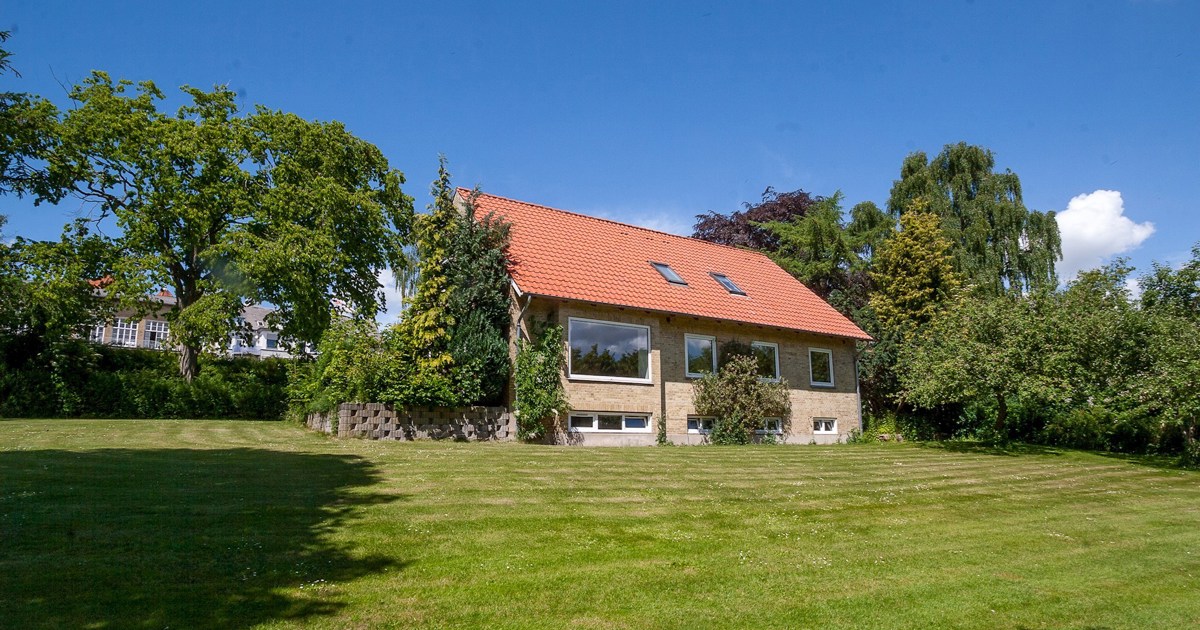
Riddergade AIR at Viborg Kunsthal is a three-month residency program for professional international visual artists, offering workshop facilities (such as graphic workshop or studio), housing in a shared villa, a grant of 18,000 DKK (~2400 EUR) for materials, living, and travel costs, and access to local, national, and international networks. Residents are expected to participate in events like artist talks or open studios and engage with the local art community. The program, running since , aims to strengthen artistic practice and the Danish contemporary art scene.
Explore Denmark
More city guides
Opportunity Intelligence
Ready to find your next residency?
Get a personalized shortlist — scored against your practice, discipline, and what you need right now.
See how Intelligence works →